

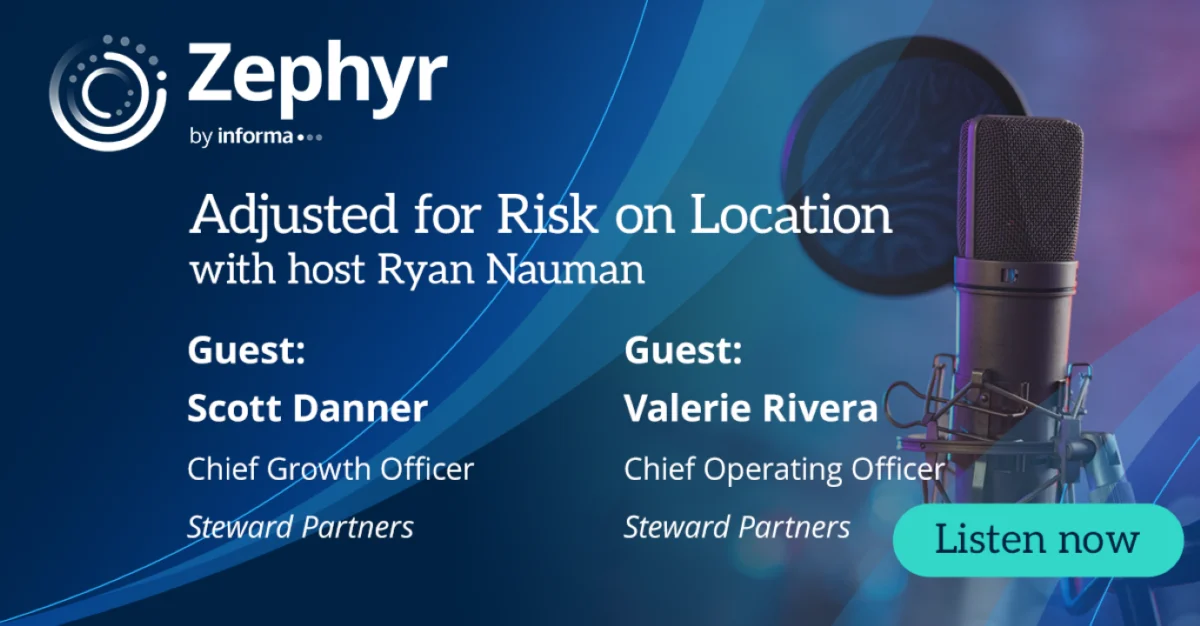
In the dynamic and increasingly consolidated world of wealth management, where organic expansion presents mounting challenges, mergers and acquisitions (M&A) have emerged as a pivotal engine for growth. This strategic shift was a central theme at the recent Steward Symposium, where Ryan Nauman, host and a key figure in the industry, engaged in a comprehensive discussion with Scott Danner, Chief Growth Officer, and Valerie Rivera, Chief Operating Officer, of Steward Partners. Their conversation illuminated Steward Partners’ aggressive pursuit of scale, underscoring their deliberate approach to "strategic growth" that prioritizes culture, client relationships, and long-term legacy over transactional recruitment.
The symposium, held at a venue conducive to industry dialogue and networking, provided a fitting backdrop for this in-depth examination of Steward Partners’ expansion strategy. As the wealth management sector navigates a period of significant transformation, marked by evolving client expectations, technological advancements, and a persistent drive for efficiency, firms are recalibrating their growth models. Danner and Rivera offered a transparent look into how Steward Partners is not only adapting to these changes but actively shaping its future through a robust M&A framework.
A Foundation Built on Strategic Acquisition: Steward Partners’ Ascendancy
Scott Danner, a seasoned veteran with a proven track record in building successful advisory businesses, shared his journey that ultimately led him to Steward Partners in 2023. His prior experience in establishing Freedom Street Partners provided him with invaluable insights into the intricacies of scaling advisory firms. Danner highlighted the remarkable growth Steward Partners has achieved, expanding its Assets Under Management (AUM) from approximately $30 billion to over $50 billion, a significant portion of which is attributable to strategic acquisitions. This rapid ascent is a testament to the firm’s focused M&A strategy, which has proven more effective in the current market than relying solely on organic recruitment.
"We’ve seen a fundamental shift in how firms are growing," Danner explained during the symposium. "The days of simply recruiting advisors en masse are becoming less effective. The market has become too competitive, and advisors are looking for more than just a payout. They are looking for a partner that aligns with their values, supports their clients, and offers a clear path for their legacy."
The acquisition of established advisory practices allows Steward Partners to immediately absorb client bases, operational infrastructure, and experienced teams, accelerating its path to scale. This approach also brings with it a built-in revenue stream and a diversified client portfolio, mitigating some of the risks associated with building a firm from the ground up. The integration of these acquired entities is a critical component of their success, and Rivera elaborated on the meticulous processes in place to ensure a smooth transition.
Redefining "Growth": Beyond Recruitment to Strategic Alignment
Steward Partners intentionally frames its expansion efforts as "strategic growth" rather than conventional recruitment. This distinction is crucial and speaks volumes about their philosophy. It signifies a departure from a purely transactional mindset, emphasizing the holistic integration of new firms and advisors into the Steward Partners ecosystem. This strategic approach prioritizes the attraction of like-minded individuals and firms whose core values and client-centric philosophies align with Steward Partners’. Culture fit, the quality of client relationships, and the potential for long-term partnerships are paramount, rather than simply the number of advisors or the immediate revenue they represent.
"We’re not just looking to add bodies to the organization," Rivera stated. "We are seeking advisors and teams who are deeply committed to their clients, who value collaboration, and who are looking for a platform that will help them build a lasting legacy. Our ‘strategic growth’ model is about building a community of advisors who are truly aligned with our vision and our commitment to exceptional client service."
This philosophy resonates with advisors who are increasingly concerned about the long-term sustainability of their practices and the well-being of their clients. In an industry where advisor churn can be disruptive, Steward Partners’ focus on cultural alignment and relationship building aims to create a more stable and supportive environment.
Advisors’ Priorities: A Multifaceted View Beyond Compensation
Valerie Rivera provided critical insights into the evolving priorities of wealth management advisors, emphasizing that compensation, while important, is no longer the sole determinant of an advisor’s decision to join or remain with a firm. Advisors are now placing significant weight on factors such as the ability to serve their clients exceptionally, the support provided to their employees, the assurance of their practice’s legacy, and robust transition support.
"Advisors are looking for a partner that understands their business is more than just their own personal book of business," Rivera explained. "It’s about their clients, their team, and the future they are building. They want to know that if they join Steward Partners, their clients will continue to receive the highest level of service, their employees will be well-cared for, and their own legacy will be preserved. This is what drives our ‘strategic growth’ model."
This holistic perspective informs Steward Partners’ due diligence process, which extends far beyond financial metrics. It encompasses a deep dive into the operational capabilities, client service models, and cultural nuances of potential acquisition targets. The firm meticulously assesses an advisor’s commitment to their clients, their team’s structure and capabilities, and their overall business philosophy to ensure a genuine alignment with Steward Partners’ values.
The Mechanics of Integration: Due Diligence, Operations, and Repeatable Processes
Rivera detailed the rigorous operational framework Steward Partners employs to facilitate successful integrations. This includes thorough due diligence, where every aspect of a potential acquisition is scrutinized. This process involves not only financial assessments but also a deep understanding of the target firm’s operational workflows, technology stack, compliance procedures, and client communication strategies.
"Our due diligence process is comprehensive because we understand that a successful acquisition is not just about the numbers," Rivera elaborated. "It’s about ensuring that the operational capabilities of the acquired firm can be seamlessly integrated into our existing infrastructure. We look for practices that are well-organized, that have strong client-centric processes, and that demonstrate a commitment to scalability."
The firm emphasizes the importance of repeatable operational processes, which are essential for maintaining consistency and efficiency as the firm grows. This includes standardized client onboarding procedures, investment management protocols, and client service frameworks. By establishing and refining these processes, Steward Partners can ensure that all advisors and teams operating under its umbrella adhere to the highest standards of service delivery, regardless of their prior operational models.
Communication throughout the integration process is also a critical focus. Steward Partners prioritizes transparent and consistent communication with both the acquired firm’s leadership and its employees to address concerns, manage expectations, and foster a sense of belonging. This proactive approach helps to mitigate potential disruptions and ensure a smooth transition for all stakeholders.
Addressing Misconceptions and Building Scalable Practices
Scott Danner addressed common misconceptions surrounding M&A in the wealth management space. He highlighted the importance of building scalable, team-based practices. This is a key tenet of Steward Partners’ growth strategy, as it enables firms to handle increased client demand and complexity without compromising service quality.
"Many advisors think of their practice as a solo endeavor," Danner observed. "But for true scalability and long-term success, a team-based approach is essential. This allows for specialization, better client coverage, and a more resilient business model. We look for firms that are already embracing this philosophy or have the potential to evolve into it."
Danner also emphasized that M&A is not simply about acquiring assets; it’s about acquiring talent and integrating best practices. The firm’s long-term objective is to become a $100 billion AUM firm, a goal that is underpinned by a strategic and deliberate approach to acquiring and integrating complementary businesses. This ambitious target necessitates a continuous focus on operational excellence and a culture of innovation.
A Complementary Leadership Dynamic
The synergy between Danner and Rivera’s roles was evident throughout their discussion. Danner, with his background in building and scaling advisory businesses, brings a strategic vision for growth and market penetration. Rivera, with her deep operational expertise, ensures that the firm has the robust infrastructure and processes in place to support that growth effectively and efficiently. This complementary leadership dynamic is crucial for navigating the complexities of M&A and ensuring that Steward Partners’ ambitious growth targets are met with sustainable and well-managed operations.
"Scott’s vision for growth is incredibly inspiring, and my role is to ensure that we have the operational backbone to support that vision," Rivera stated. "It’s about building a firm that is not only growing rapidly but is also built to last, with a strong foundation of operational excellence and a commitment to our advisors and their clients."
The Future Vision: A $100 Billion AUM Firm and Beyond
Steward Partners’ long-term ambition to reach $100 billion in AUM is not merely a financial target; it represents a commitment to becoming a leading force in the wealth management industry. This goal necessitates a continuous evolution of their strategies, a keen understanding of market trends, and an unwavering focus on client satisfaction. Their strategic growth model, fueled by thoughtful M&A, positions them to achieve this objective by attracting and integrating high-quality advisory practices that share their commitment to client-centricity and long-term success.
The Steward Symposium provided a valuable platform for these insights, offering a clear picture of Steward Partners’ strategic direction and its sophisticated approach to navigating the evolving wealth management landscape. As the industry continues to consolidate, firms like Steward Partners, with their well-defined growth strategies and emphasis on cultural alignment, are poised to lead the charge, shaping the future of how wealth is managed and advisory businesses are built. The insights shared by Danner and Rivera offer a compelling blueprint for growth in a sector that demands both strategic foresight and operational precision.
Supporting Data and Industry Context:
The wealth management industry has seen a significant increase in M&A activity over the past decade. According to industry reports from sources like Cerulli Associates and DeVoe & Company, the number of advisory firms engaging in M&A transactions has steadily risen. This trend is driven by several factors, including the impending retirement of many established advisors, the increasing cost of regulatory compliance, and the desire of firms to achieve greater scale and efficiency. The average deal size in wealth management M&A has also been on an upward trajectory, indicating that larger and more established firms are actively seeking to acquire smaller practices to bolster their AUM and market share. Steward Partners’ stated goal of reaching $100 billion in AUM places them in direct competition with many of the industry’s largest players, and their aggressive acquisition strategy is a recognized method for achieving such scale rapidly. The shift from organic growth to M&A as a primary growth driver is a well-documented phenomenon, and Steward Partners’ success in this arena reflects their adeptness at identifying and integrating suitable acquisition targets.
Implications for the Industry:
The approach adopted by Steward Partners has several implications for the broader wealth management industry. Firstly, it highlights the growing importance of culture and client relationships as differentiators in a competitive market. Firms that can effectively demonstrate a strong cultural fit and a genuine commitment to client success will be more attractive to both advisors and clients. Secondly, it underscores the need for robust operational infrastructure and scalable processes to support growth. As firms expand through M&A, they must be able to integrate new teams and clients seamlessly without compromising service quality. Finally, Steward Partners’ success suggests that a well-defined and executed M&A strategy can be a powerful tool for achieving significant scale and market leadership. This may encourage other firms to adopt similar approaches, further accelerating the consolidation trend within the industry. The emphasis on "strategic growth" rather than just recruitment signals a maturation of the industry, where long-term partnership and shared values are becoming increasingly critical components of success.
