

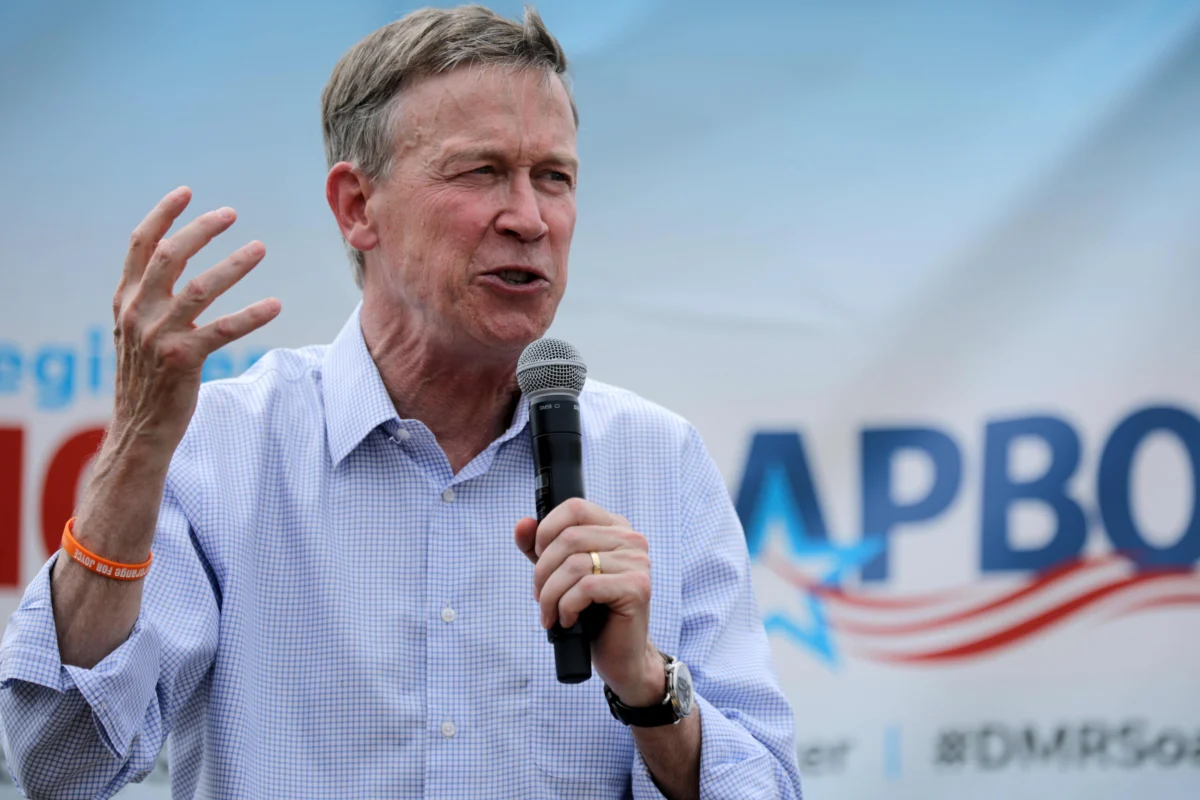
Speaking from Denver, Colorado, Senator John Hickenlooper, a Democrat representing the Centennial State, articulated a compelling argument that the recently enacted housing legislation, while a step in the right direction, falls significantly short of addressing the nation’s escalating affordability crisis. The former Colorado Governor, known for his pragmatic approach to governance, emphasized the urgent need for more comprehensive governmental interventions across all levels to genuinely curb the soaring costs of housing and healthcare, issues that resonate deeply with a struggling populace. Hickenlooper, who previously sought the Democratic presidential nomination in 2020 but has confirmed he will not run in 2028, shared his insights on the sidelines of an event for Su Teatro, a venerable Chicano theater company that has enriched Denver’s cultural landscape for decades.
The Unfinished Business of Housing Reform
Hickenlooper’s primary focus centered on the housing market, where he argued that the new law’s provisions, such as limiting the role of private equity players, represent only a partial solution. He contended that the fundamental structural impediments to affordable housing development – administrative hurdles and the ease with which opponents can delay or halt projects – remain largely unaddressed. "We’ve given anybody who wants to raise a finger all the tools they need to stop housing development in its tracks," Hickenlooper lamented, pointing to litigation and protracted bureaucratic processes as significant drivers of increased housing costs. This phenomenon, often dubbed "Not In My Backyard" (NIMBYism), allows local opposition to exert disproportionate influence, stifling supply in areas of high demand.
The Senator’s concerns are underpinned by stark economic realities. The CNBC All-America Economic Survey recently highlighted that housing costs are the single most pressing issue for voters aged 18 to 34, underscoring the intergenerational impact of the affordability crisis. Median home prices in the U.S. have continued to climb, with many metropolitan areas experiencing double-digit percentage increases year-over-year in recent periods, far outpacing wage growth. This disparity has pushed homeownership out of reach for many first-time buyers and burdened renters with escalating costs, forcing difficult trade-offs in household budgets. The national median home price reached an all-time high in 2023, surpassing previous peaks and illustrating the persistent challenge.
To counter these systemic issues, Hickenlooper championed the Dallas-Fort Worth area as a potential model for streamlined homebuilding. He highlighted its innovative approach of implementing a single building code across the entire region. This consolidation significantly reduces complexity and costs for developers, fostering a more predictable and efficient construction environment. He further proposed a "superfast zoning/building development setup code" specifically for projects incorporating affordable housing, suggesting an incentive-based approach to accelerate the creation of much-needed lower-cost units. Such regional coordination and regulatory simplification stand in stark contrast to the often fragmented and complex local zoning ordinances prevalent across many parts of the country, which are frequently cited by developers as major barriers to increasing housing supply.
Hickenlooper’s Political Journey and Policy Philosophy
Senator Hickenlooper’s perspective on these critical issues is informed by a diverse career path that began far from the halls of government. Trained as a geologist, he later pivoted to entrepreneurship, founding a successful brewpub in downtown Denver. This experience, rooted in practical business challenges, laid the groundwork for his entry into public service. He served as Mayor of Denver from 2003 to 2011, overseeing significant urban development and navigating complex city-level issues. His tenure as Governor of Colorado from 2011 to 2019 saw him tackle statewide challenges, including economic recovery and infrastructure. In 2021, he ascended to the U.S. Senate, bringing a unique blend of scientific, business, and executive governmental experience to national policymaking. His brief but notable presidential campaign in 2020, though ultimately unsuccessful, further honed his understanding of national policy debates and voter concerns, cementing his reputation as a pragmatic problem-solver.
Healthcare’s Hidden Trillions: The Waste Factor
Beyond housing, Hickenlooper turned his attention to the nation’s spiraling healthcare costs, identifying systemic waste and a lack of transparency as core contributors. He pointed to a sobering 2019 American Medical Association study, which characterized approximately a quarter of all U.S. healthcare spending—an astounding $1.35 trillion—as waste. This colossal sum encompasses administrative complexities, inefficient care delivery, fraud, and inflated pricing.
Hickenlooper stressed that the opacity of healthcare pricing makes price comparisons nearly impossible for consumers, undermining market forces that could otherwise drive down costs. Patients often receive bills with little prior knowledge of the charges, leading to confusion and financial distress. He argued that if even half of this identified waste could be recouped, the nation would possess the resources necessary to achieve universal healthcare coverage, a long-standing goal for many Democrats. This perspective aligns with growing calls for price transparency mandates, standardized billing practices, and reforms aimed at reducing the administrative burden on providers, which often translates into higher costs for patients. The implications of such a reduction in waste are profound, potentially freeing up trillions for other societal needs or directly alleviating the financial burden on American families and businesses.
Navigating the Complexities of Immigration and ICE
The Senator also addressed the contentious issue of immigration, specifically highlighting the conduct of Immigration and Customs Enforcement (ICE) agents, particularly in the context of former President Donald Trump’s intensified focus on illegal immigration. Hickenlooper noted that the actions of ICE resonate deeply within Colorado, a state where approximately 30% of the population identifies as Latino. "Depending on where you are in this community… just mention ICE, right?" he stated, referencing recent deaths involving ICE agents or employees that have fueled significant community outrage and concern.
The sentiment Hickenlooper described reflects a broader national tension between federal immigration enforcement priorities and the well-being and trust within immigrant communities. Incidents involving ICE operations have often led to protests, calls for accountability, and debates over the agency’s tactics and oversight. For many, the issue transcends legal status, touching upon human rights, due process, and the fabric of community relations. The implications extend to local law enforcement cooperation, educational environments, and the economic contributions of immigrant populations, making it a multifaceted challenge for policymakers at all levels.
Balancing Innovation with Sustainability: The Data Center Dilemma
Looking toward the future economy, Hickenlooper weighed in on the proliferation of data centers, acknowledging their importance as indicators of technological growth and economic activity. However, his support for these energy-intensive facilities is contingent upon stringent conditions. He asserted that he would only back data center projects that do not increase the cost of electricity for existing consumers, maintain minimal or zero noise pollution, and adequately address concerns regarding water consumption.
Data centers are notorious for their significant energy and water footprints. They require massive amounts of electricity to power servers and sophisticated cooling systems, often drawing substantial resources from local grids and water supplies. As the digital economy expands, the demand for these facilities is projected to soar, raising critical questions about their environmental sustainability and impact on local communities. Hickenlooper’s stance reflects a growing imperative to balance technological advancement with environmental stewardship and community well-being, pushing for innovations in energy efficiency, renewable energy sourcing, and responsible water management within the tech sector.
Charting a Course for Midterm Success: The Cost of Living Strategy
Shifting to the political landscape, Senator Hickenlooper offered strategic advice for Democrats aiming to gain ground in the upcoming midterm elections. He emphasized the necessity of holding former President Trump accountable, while simultaneously focusing on a concise and impactful message. "Cost of living is a good place to start," he advised, suggesting it serves as an overarching theme that allows for natural transitions into discussions on healthcare, housing, and the broader economic pressures exerted by global conflicts and inflation.
This strategy acknowledges the pervasive economic anxieties felt by many Americans. Inflationary pressures, exacerbated by supply chain disruptions and geopolitical events such as the war in Ukraine, have eroded purchasing power and made everyday necessities more expensive. Hickenlooper’s estimate that "40% to 50% of people in Colorado have a hard time at the end of the month, every month" underscores the depth of this economic strain. By framing the Democratic message around tangible improvements to daily life, the party aims to connect with voters on issues directly affecting their wallets and well-being.
Regarding the "Trump factor" in elections, Hickenlooper characterized the former president as a "mad genius" adept at creating "mantras" and "crusades" from exaggerated or decontextualized news items. This assessment highlights Trump’s continued influence on the political narrative and his capacity to mobilize supporters. However, Hickenlooper also expressed optimism about Democratic chances in certain races, citing conversations with Senate colleagues about competitive contests, such as a potential opportunity to flip a Senate seat in Iowa. This suggests that despite the formidable presence of Trump, local issues and candidate quality could still play decisive roles in shaping the electoral map.
Finally, Hickenlooper offered a brief but notable endorsement of Rep. Alexandria Ocasio-Cortez, D-N.Y., stating that "She’s getting things done" in Congress and has demonstrated a rational approach to problem-solving. This statement, coming from a centrist Democrat, could signal a bridging of ideological divides within the party, acknowledging the effectiveness of diverse voices in advancing legislative goals. It suggests that despite differing political styles, there can be common ground on the pursuit of practical solutions to pressing national challenges.
In sum, Senator Hickenlooper’s comprehensive critique and policy prescriptions underscore a deep concern for the economic struggles of everyday Americans. His call for more aggressive and coordinated governmental action on housing, healthcare, and other critical issues reflects a pragmatic vision for addressing systemic challenges, while his insights into the political landscape offer a glimpse into the strategic considerations shaping the upcoming electoral cycle. His proposals, if implemented, could herald significant shifts in how governments interact with these vital sectors, with profound implications for the cost of living and the quality of life for millions.
