

Sarajevo, Bosnia and Herzegovina, a city etched into modern history by the longest siege of a capital in the 20th century, is once again a focal point of profound human solidarity. A powerful photography exhibition and a solemn weekly vigil, both born from the harrowing realities of Gaza, have converged to create a palpable wave of empathy, drawing deep parallels with Sarajevo’s own past suffering. This burgeoning movement underscores a unique understanding among Sarajevans of what it means to endure extreme hardship, isolation, and a world’s gaze.
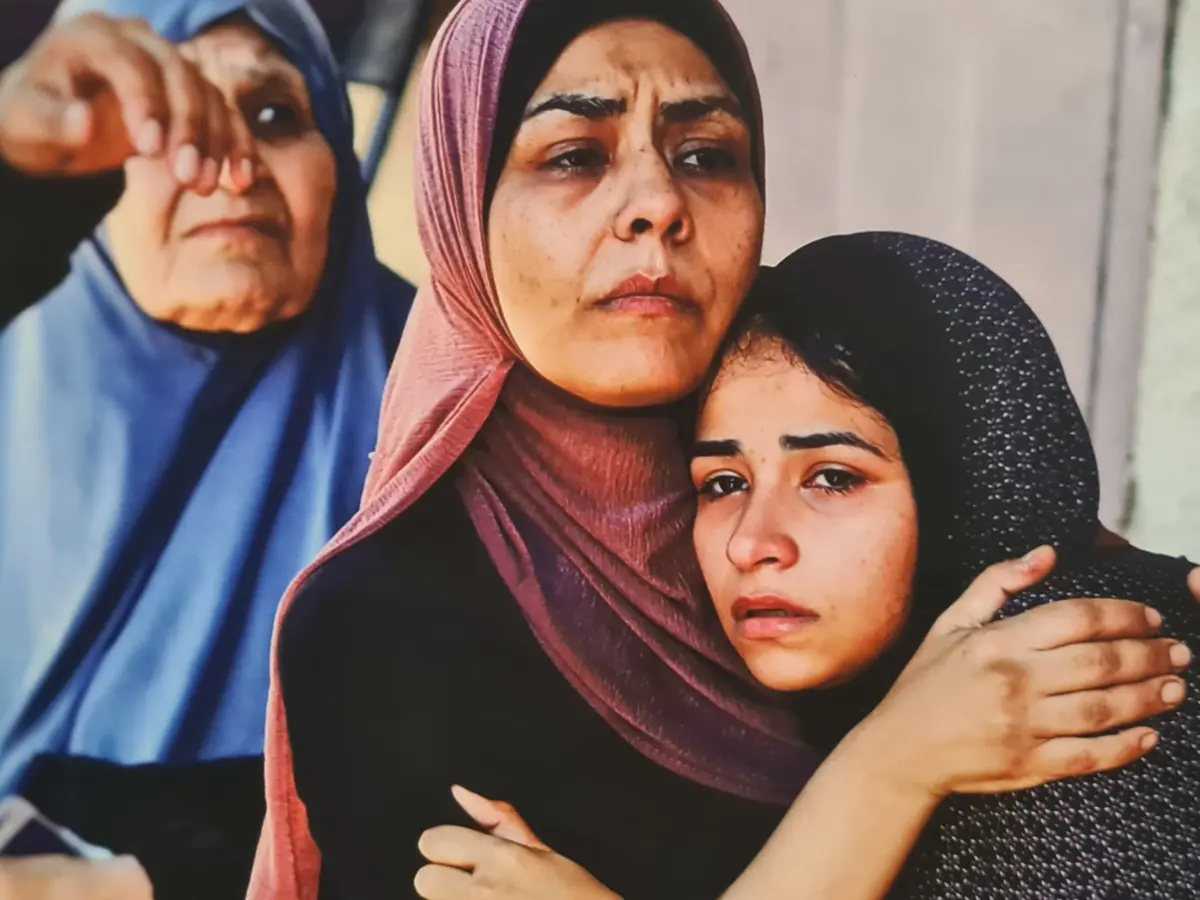
The initial impact of Salah Ostaz’s photographs is visceral. One image captures a mother holding her daughter, an act of simultaneous protection and comfort, her eyes conveying a depth of emotion that resonates profoundly with anyone, but particularly with those who recall the brutal siege of Sarajevo between 1992 and 1995. The city, now at peace, finds itself confronting echoes of its own past through the lens of another ongoing conflict. The quiet understanding that permeates the exhibition spaces is a testament to shared human experience, a bond forged in the crucible of war and resilience.
The Enduring Echoes of Siege: Sarajevo’s Unique Perspective
Sarajevo’s history provides an unparalleled context for its current outpouring of solidarity. For 1,425 days, from April 5, 1992, to February 29, 1996, the city was encircled by Bosnian Serb forces. Its citizens endured relentless shelling and sniper fire, cut off from basic necessities, living in constant fear. Over 11,000 people were killed, including more than 1,600 children. The city became a symbol of civilian suffering and a stark reminder of the international community’s struggle to intervene effectively. This collective trauma has left an indelible mark, fostering a profound sensitivity to the plight of others facing similar existential threats.
This historical backdrop explains the immediate connection many Sarajevans feel to the unfolding crisis in Gaza. The images of destruction, displacement, and deprivation—rocket attacks, scarcity of food and water, the struggle for survival—are not abstract concepts but vivid recollections. The "silence of most world leaders," a poignant observation made in the context of Gaza, rings particularly loud in a city that often felt abandoned by the international community during its darkest hours. This shared experience of siege, isolation, and a perceived lack of global intervention fuels a moral imperative for many in Sarajevo to speak out and act. As Nihad Kresevljakovic, director of the MESS International Theatre Festival, articulated while visiting the exhibition, "No one who lived through the siege of Sarajevo should be indifferent to the suffering of others." This sentiment encapsulates the deep-seated conviction driving the city’s compassionate response.
Salah Ostaz: Bearing Witness from Within Gaza
At the heart of this movement is the compelling work of Salah Ostaz, a photographer still trapped within Gaza, documenting the relentless bombardment and severe humanitarian crisis. His photographs are not mere snapshots; they are windows into a besieged reality, imbued with the raw emotion of immediate experience. One striking image portrays a girl whose eyes are wide open, seemingly reflecting a lifetime of unimaginable trauma within a few short years. Another captures the stark reality of survival, with people queuing for a meager spoonful of food, highlighting the acute food insecurity plaguing the Strip.
Yet, Ostaz’s collection is not solely defined by despair. Among the stark portrayals of suffering, there is a photograph of children smiling and swimming at dusk off a crowded beach. This image, capturing a fleeting moment of joy amidst chaos, injects a vital element of hope and resilience into the narrative. It underscores the tenacious human spirit that seeks normalcy and happiness even under the most dire circumstances. These contrasting images serve to present a more nuanced and complete picture of life in Gaza, emphasizing not just the destruction but also the enduring humanity of its people. Ostaz’s personal struggle, unable to collect his diploma due to the ongoing conflict, further humanizes the crisis, bringing a specific, tangible challenge to the forefront amidst the overwhelming scale of suffering.
The Genesis of the Exhibition: A Bridge of Empathy
The journey of Ostaz’s photographs from the besieged streets of Gaza to the exhibition halls of Sarajevo began with a simple yet powerful connection. In October of last year, Valida Hadzimuratovic, a radio journalist and DJ known in Los Angeles as Valida Carroll, received a video call from Salah Ostaz. This initial contact was part of a broader effort by Valida and other activists who had been organizing weekly TikTok livestreams, providing a direct platform for Palestinian journalists to share their firsthand accounts of the escalating crisis. This call marked the beginning of a profound friendship and collaboration.
Over the subsequent months, Hadzimuratovic became a crucial conduit for Ostaz’s work, sharing his photographs and learning more about his life, including the poignant detail of his inability to obtain his university diploma. "I remember thinking how frustrating it must be to finish your studies, put in all that work, and then not be able to get hold of something as basic as your own diploma," Valida recounted, highlighting the personal dimension of the broader humanitarian crisis. This understanding spurred her and her friend Nasiha, a Bosnian living in Los Angeles, to initiate a fundraising campaign to cover Ostaz’s tuition fees.
By September, the idea evolved into organizing an exhibition of Ostaz’s work in Sarajevo. Ostaz sent over 150 photographs, a raw and extensive collection of his documentation. Milomir Kovacevic, a renowned photographer who himself chronicled life during the siege of Sarajevo, played a pivotal role in curating the exhibition, distilling the vast collection into approximately 60 powerful images for display at the Bosnian Cultural Centre. This curatorial choice ensured maximum impact, focusing on images that would resonate most deeply with the Bosnian audience.

Community Engagement and Tangible Support
The exhibition was more than just a display of art; it was a comprehensive community effort aimed at tangible support. A silent auction was held concurrently, featuring donations from about two dozen local artisans and small businesses. These contributions ranged from handcrafted items to various prizes, all designed to raise funds. The event itself was meticulously organized with the invaluable assistance of volunteers and activists from the "Ka Gazi" (Towards Gaza) movement. This grassroots mobilization underscored the widespread public engagement and desire to contribute actively to the cause.
The proceeds from the auction and any other donations collected during the exhibition were dedicated entirely to covering the costs associated with Ostaz finally receiving his diploma. This specific, targeted aid reflects a pragmatic approach to overwhelming humanitarian needs. As Hadzimuratovic articulated, "We can’t help everyone in Gaza. The needs are enormous and the destruction is immeasurable. But we can help one person." This philosophy highlights the power of individual action and the belief that even small, focused efforts can make a significant difference in the face of widespread catastrophe. The successful conclusion of the evening saw attendees leaving the Bosnian Cultural Centre not only with newly acquired photographs and auction items but also with a sense of collective purpose and accomplishment.
The "Ka Gazi" Movement and the Eternal Flame Vigils
Beyond the exhibition, the "Ka Gazi" movement maintains a persistent and poignant presence in Sarajevo. Every Tuesday evening, volunteers gather in central Sarajevo at the Eternal Flame (Vječna vatra), an iconic anti-fascist memorial commemorating those who perished resisting fascism during the Second World War. This location, deeply symbolic of resistance and remembrance, imbues the weekly vigil with historical gravitas.
At these gatherings, volunteers perform a solemn act: they read aloud the names of Palestinian children who have been killed. This continuous recitation of names transforms abstract casualty figures into individual human lives, demanding recognition and remembrance. For passersby, the repetitive, rhythmic naming of child after child creates a haunting and inescapable auditory reminder of the ongoing tragedy in Gaza. It is a powerful form of protest and memorialization, ensuring that these young lives are not forgotten amidst the broader geopolitical narrative. This ritual connects Sarajevo’s past struggle against fascism and oppression with the present suffering in Gaza, drawing a moral lineage that transcends time and geography.
Cultural Institutions as Platforms for Solidarity
Sarajevo’s cultural landscape has consistently offered platforms for expressing solidarity with Palestine, further cementing the city’s unique role in this global dialogue. Last year, the names of killed Palestinian children were also read aloud during the Sarajevo MESS International Theatre Festival, a significant cultural event with a long history of addressing social and political issues. The year prior, the festival opened with "Metro Gaza," a production featuring the Palestinian Freedom Theatre from Jenin, located in the occupied West Bank. That year’s festival motto, "Unstoppable Life," resonated deeply, serving as a defiant affirmation of resilience and hope in the face of adversity.
These cultural initiatives demonstrate how art and performance can serve as powerful vehicles for raising awareness, fostering empathy, and providing a voice to the voiceless. The decision by prominent cultural institutions to feature Palestinian narratives and dedicate segments to memorializing victims reflects a conscious choice to use their platforms for humanitarian advocacy. This approach mirrors Sarajevo’s own experience during its siege, where cultural events continued despite constant danger, serving as vital expressions of defiance and a commitment to maintaining a semblance of normalcy and spirit.
Broader Implications and the Power of Shared Humanity
Sarajevo’s acts of solidarity extend beyond mere sympathy; they represent a profound understanding born from shared experience. This empathy creates a powerful moral imperative, transforming passive observation into active engagement. The city’s response to Gaza is a testament to the idea that suffering, once endured, can become a catalyst for compassion and global citizenship. It underscores a critique of international inaction, highlighting how grassroots movements and local communities often step in where global leadership falters.
The focus on Salah Ostaz’s diploma, while seemingly small amidst the vast devastation, embodies a critical aspect of humanitarian aid: restoring dignity and investing in individual futures. It acknowledges that even within the immeasurable destruction, individual lives and aspirations matter. Similarly, the relentless reading of children’s names ensures that the human cost of conflict is never reduced to statistics.
Sarajevo’s journey from enduring a siege to becoming a beacon of solidarity for Gaza offers a compelling narrative of resilience, empathy, and the enduring power of human connection. It serves as a powerful reminder that even in the darkest times, the echoes of past suffering can inspire acts of profound compassion, fostering hope and demanding accountability on a global scale. The unique blend of artistic expression and solemn remembrance in Sarajevo creates a vital bridge between two distant realities, transforming shared trauma into a collective call for justice and peace.
