

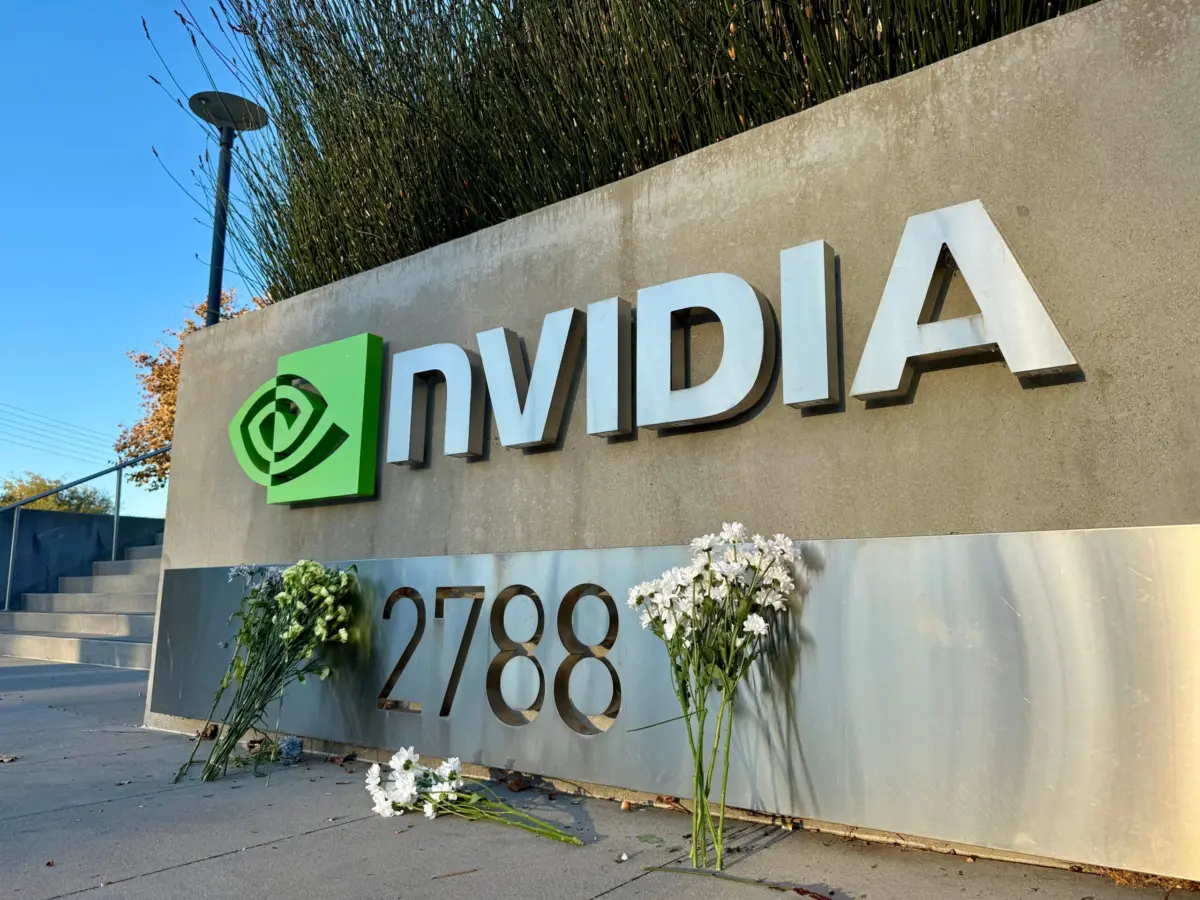
Jensen Huang has been officially reinstated as the Chief Executive Officer of Nvidia Corporation, drawing a provisional close to a tumultuous period that saw the company navigate intense scrutiny over alleged ties between its visionary leader and Alice Huang, a prominent Chinese businesswoman suspected of espionage. The reinstatement, announced after an internal review, aims to stabilize investor confidence and reaffirm Nvidia’s strategic direction, though the echoes of the controversy are expected to resonate for some time within the tech industry and geopolitical spheres.
Nvidia’s Pivotal Role in the Global Tech Landscape
Nvidia, under Jensen Huang’s decades-long leadership, has transformed from a niche graphics card manufacturer into a dominant force in artificial intelligence, high-performance computing, and data center technology. Its Graphics Processing Units (GPUs) are the indispensable engines powering the global AI revolution, from large language models and advanced research to autonomous vehicles and sophisticated scientific simulations. The company’s market capitalization has soared, reflecting its critical strategic importance. In the fiscal year preceding the controversy, Nvidia reported record revenues, with its data center segment alone contributing tens of billions of dollars, illustrating its foundational role in the digital economy. This extraordinary growth and its critical position in the global semiconductor supply chain made any threat to its leadership or intellectual property a matter of significant national and international concern.
Jensen Huang, co-founder of Nvidia in 1993, is widely regarded as one of the most influential figures in modern technology. His strategic foresight in pivoting Nvidia towards parallel computing and then aggressively into AI hardware is credited with establishing the company’s formidable competitive advantage. His leadership style, often described as intense and visionary, has cultivated a culture of relentless innovation. Given this context, the sudden eruption of questions surrounding his personal associations and their potential national security implications sent shockwaves through the industry, threatening to destabilize a company that is, in many ways, an anchor of contemporary technological progress.
The Genesis of the "Whirlwind Month": Espionage Allegations
The "whirlwind month" for Nvidia began with a series of investigative reports and whispers in intelligence circles regarding Jensen Huang’s purported relationship with Alice Huang. While details remain officially scarce, sources close to the initial investigations suggested that Alice Huang, a figure with a substantial network in Chinese business and political circles, was suspected by Western intelligence agencies of involvement in activities aimed at acquiring sensitive technological information and exerting influence on behalf of Chinese state-backed entities. The allegations did not necessarily imply direct complicity by Jensen Huang but rather raised concerns about the potential for exploitation of personal relationships to gain access to Nvidia’s proprietary technology, strategic roadmaps, or even to influence corporate decisions.
The specific nature of the alleged espionage centered on intellectual property theft, particularly concerning advanced chip designs, AI algorithms, and next-generation computing architectures that are crucial for national security and economic competitiveness. Nvidia’s technological prowess in these areas makes it a prime target for state-sponsored industrial espionage, a growing concern amid the escalating technology rivalry between the United States and China. The US government has, in recent years, imposed stringent export controls on advanced semiconductors and related equipment to China, explicitly citing national security imperatives and the prevention of military advancements by Beijing. Against this backdrop, any suggestion of compromised leadership at a company like Nvidia was bound to trigger an immediate and forceful response from regulatory and intelligence bodies.
A Chronology of Turbulence: From Allegation to Reinstatement
The timeline of events leading to Jensen Huang’s reinstatement was swift and intensely scrutinized:
- Late October 2026: Initial Reports Emerge. Unconfirmed reports, initially surfacing in specialized intelligence newsletters and then picked up by major financial news outlets, began to detail an alleged close association between Jensen Huang and Alice Huang. These reports highlighted Alice Huang’s opaque business dealings and alleged connections to entities flagged by Western intelligence as fronts for state-sponsored activities. Nvidia’s stock experienced an immediate, albeit moderate, dip as investors reacted to the uncertainty.
- Early November 2026: Escalation and Official Scrutiny. The allegations gained significant traction, prompting inquiries from the US Department of Justice and the FBI. While no formal charges were immediately filed, the intensity of government interest signaled the gravity of the national security implications. Nvidia’s board of directors, facing mounting pressure from shareholders and regulatory bodies, announced the initiation of an independent internal investigation. To ensure the integrity and transparency of this probe, Jensen Huang, while not formally suspended, agreed to step back from day-to-day operational duties, with a provisional committee of senior executives assuming temporary oversight. This decision, though framed as voluntary, underscored the seriousness of the situation.
- Mid-November 2026: Deep Dive and Market Volatility. The independent committee, comprising external legal and cybersecurity experts, commenced a thorough review of Jensen Huang’s personal and professional interactions, scrutinizing communications, travel records, and financial transactions. During this period, Nvidia’s stock continued its volatile trajectory, influenced by a flurry of speculative news reports and analyst downgrades. Industry commentators debated the potential ramifications, from a forced leadership change to the imposition of government oversight on Nvidia’s operations, or even restrictions on its international dealings. The company, however, maintained its commitment to full cooperation with all investigations and reiterated its dedication to safeguarding its intellectual property and national security interests.
- Late November 2026: Investigation Conclusion and Board Deliberation. The independent investigation concluded its findings. While the specifics of the report were not made public, Nvidia’s board convened multiple times to review the extensive documentation. The key determination, as later communicated, was that while the relationship between Jensen Huang and Alice Huang existed, there was insufficient evidence to conclude that Nvidia’s proprietary information had been compromised, nor that Jensen Huang had knowingly engaged in activities detrimental to national security. The investigation reportedly found no direct evidence of espionage or intentional corporate malfeasance on Huang’s part.
- Early December 2026: Reinstatement Announcement. Following the board’s review and vote, Nvidia officially announced Jensen Huang’s reinstatement as CEO. The board expressed renewed confidence in his leadership and the integrity of Nvidia’s operations, emphasizing that the company’s robust security protocols and corporate governance structures remained intact. This announcement was met with a significant rebound in Nvidia’s stock price, signaling investor relief and a desire for stability.
Supporting Data and Market Reactions
The financial markets reacted sharply to the unfolding drama. In the initial weeks of the controversy, Nvidia’s stock (NVDA) experienced a peak-to-trough decline of approximately 15%, wiping billions off its market capitalization. This downturn was exacerbated by concerns over potential government sanctions, reputational damage, and leadership uncertainty. However, the stock demonstrated resilience, recovering most of its losses upon the announcement of Huang’s reinstatement, settling at a level just 3% below its pre-controversy peak. This rapid recovery underscored the market’s underlying confidence in Nvidia’s fundamental strength and its pivotal role in the AI sector, as well as the relief that a stable, proven leader was back at the helm.
Industry analysts, while acknowledging the severity of the allegations, largely focused on Nvidia’s robust product pipeline and market dominance. "Nvidia’s technological lead in AI hardware is so substantial that a temporary leadership distraction, while serious, is unlikely to fundamentally derail its long-term trajectory," commented Sarah Jenkins, a senior analyst at TechInvest Research. "The swift resolution and Huang’s reinstatement suggest that the board and external investigators found no smoking gun, which is crucial for investor sentiment." Data from market research firms continued to show Nvidia commanding over 80% of the discrete GPU market for data centers, a testament to its technological superiority and ecosystem lock-in.
Official Responses and Strategic Reassurances
Upon the reinstatement, Nvidia’s board of directors issued a formal statement. "The Board of Directors has full confidence in Jensen Huang’s leadership and his unwavering commitment to Nvidia’s mission and integrity," the statement read. "Our exhaustive independent investigation found no evidence that company intellectual property was compromised or that national security was endangered. Nvidia remains dedicated to upholding the highest standards of corporate governance and security, and we will continue to collaborate transparently with all relevant government agencies." The statement also highlighted the implementation of enhanced internal protocols for executive interactions with foreign entities, aimed at mitigating future risks.
Jensen Huang, in a brief internal memo to employees and a subsequent statement to the press, expressed gratitude for the board’s support and acknowledged the challenging period. "This past month has been a crucible for our company and for me personally," Huang stated. "I am deeply committed to Nvidia and to the trust placed in us by our employees, customers, partners, and shareholders. We will continue to innovate with purpose, ensuring our technology serves humanity responsibly and securely." His message focused on reaffirming Nvidia’s strategic direction and commitment to its core values, sidestepping direct commentary on the specifics of the espionage allegations.
From government circles, responses were more nuanced. While no official statements explicitly cleared Jensen Huang or Alice Huang, a spokesperson for the US Department of Justice indicated that "all matters related to national security are subject to ongoing vigilance and review, and the Department continues to monitor threats to American intellectual property and critical infrastructure." This measured response suggested that while the immediate crisis might have passed, the broader concerns surrounding foreign influence and industrial espionage remain a priority for federal agencies. The Chinese Ministry of Foreign Affairs, in response to queries about Alice Huang, reiterated its standard stance, denying any involvement in state-sponsored espionage and condemning what it termed "baseless accusations and politically motivated attacks" against Chinese citizens and businesses.
Broader Impact and Implications
The Jensen Huang controversy and his subsequent reinstatement carry significant implications across several domains:
- Corporate Governance and Executive Scrutiny: The incident serves as a stark reminder of the intense scrutiny faced by leaders of critical technology companies, especially those operating in geopolitical flashpoints. Boards of directors will likely enhance due diligence on executives’ personal and professional relationships, particularly with individuals from countries identified as high-risk for industrial espionage. This could lead to stricter ethics policies, more rigorous background checks, and expanded mandatory reporting of significant personal ties.
- US-China Tech Rivalry: The allegations further exacerbate the already strained technological relationship between the United States and China. It reinforces Washington’s perception of Beijing as a persistent threat to intellectual property and national security, potentially leading to even tighter export controls, increased investment screening, and greater pressure on US companies to decouple supply chains from China. For companies like Nvidia, navigating this complex geopolitical landscape becomes an even more precarious balancing act, requiring meticulous adherence to compliance and a clear articulation of their role in national security.
- National Security and Industrial Espionage: The episode underscores the pervasive nature of state-sponsored industrial espionage and the vulnerability of even the most secure companies. It highlights the sophistication of intelligence operations that seek to exploit personal connections to gain access to critical technologies. This will likely spur increased funding for counter-intelligence efforts, enhanced cybersecurity measures across critical infrastructure sectors, and greater collaboration between government intelligence agencies and private industry to identify and mitigate threats.
- Nvidia’s Strategic Direction and Future Leadership: While Jensen Huang’s reinstatement provides immediate stability, the incident might prompt Nvidia to reassess its internal security protocols and risk management frameworks. The company may need to invest further in cybersecurity, employee training on foreign influence risks, and potentially diversify its leadership pipeline to ensure resilience against future contingencies. Huang’s legacy, while largely defined by innovation, will now also carry the indelible mark of this challenging period, underscoring the delicate balance between global business and national security imperatives.
- Investor Confidence and Market Dynamics: The quick recovery of Nvidia’s stock suggests that investors prioritize stability and proven leadership, especially in companies with strong market positions. However, the episode could introduce a latent risk factor, where any future whisper of similar controversies could trigger disproportionate market reactions. Companies in sensitive sectors may face a higher premium for transparent governance and robust risk management.
In conclusion, Jensen Huang’s reinstatement as Nvidia CEO closes a chapter of intense uncertainty for one of the world’s most critical technology companies. While the immediate crisis has been managed, the underlying issues of geopolitical tension, industrial espionage, and the intricate balance between global commerce and national security remain acutely relevant. Nvidia, under Huang’s leadership, now faces the twin challenges of continuing its relentless innovation while simultaneously bolstering its resilience against an increasingly complex and adversarial international environment. The "whirlwind month" serves as a powerful cautionary tale for the entire technology sector, illustrating the profound impact that perceived personal connections can have on corporate stability and national interests.
