

In the high-altitude expanse of south-central Colorado’s San Luis Valley, a quiet agricultural revolution is taking root. Traditionally known as the second-largest potato-growing region in the United States, this alpine desert is facing an existential threat: a chronic and deepening water crisis. However, a grassroots initiative led by local farmers and conservationists is finding an answer in an ancient, often overlooked grain. The Rye Resurgence Project is not merely a localized farming experiment; it is a strategic blueprint for survival in an era of climate volatility, proving that ecological sustainability and economic viability can go hand in hand.
The Geography of Scarcity: An Alpine Desert Under Pressure
The San Luis Valley is a unique geographical anomaly. Sitting at an elevation of over 7,500 feet, it is surrounded by the Sangre de Cristo and San Juan mountains. Despite its lush appearance in certain seasons, it is technically a desert, receiving an average of only seven inches of rainfall annually. For generations, the valley’s agriculture has relied on a complex system of aquifers and snowpack runoff from the surrounding peaks.
In recent years, the water situation across the American West has reached a critical inflection point. In the San Luis Valley, the snowpack—the primary source of recharge for the region’s water supply—has plummeted, occasionally reaching as low as 13 percent of its historical average. This scarcity has forced a reckoning among the region’s fifth-generation farming families. The traditional reliance on water-intensive rotational crops is no longer sustainable.
Sarah Jones, a San Diego native who joined her husband Michael on his family’s fifth-generation farm, Jones Farm Organics, in 2017, became a central figure in this transition. While the farm’s primary output remained potatoes, the need for a viable, low-water rotational crop became a business imperative. After experimenting with heritage wheat varieties like Turkey Red and Red Fife—which struggled in the valley’s harsh conditions—the family looked toward a crop that Michael’s father, Rob Jones, had been planting as a simple cover crop since the 1980s: rye.
The Catalyst for Change: From Cover Crop to Cash Crop
The transition from viewing rye as a mere soil stabilizer to a primary economic driver was accelerated by environmental necessity. In the spring of 2023, a massive dust storm swept through the San Luis Valley. Such storms are increasingly common in the Southwest, driven by shifting jet streams and higher temperatures that leave bare soil vulnerable to wind erosion. For the Jones family, the rye fields stood as a bulwark against the wind, holding the soil in place while neighboring fallow fields were stripped of their topsoil.

Recognizing the potential for rye to solve multiple regional problems, Sarah Jones partnered with Heather Dutton, the manager of the San Luis Valley Water Conservation District. Together, they launched the Rye Resurgence Project in 2023. The project’s mission was twofold: to convince farmers to switch to a crop that uses significantly less water and to build the infrastructure necessary to turn that crop into a profitable commodity.
The data supporting this shift is compelling. Traditional rotational crops in the valley, such as alfalfa and barley, require approximately 24-26 inches and 18-20 inches of water per acre, respectively. In stark contrast, rye requires only 10-12 inches. When scaled across a standard 120-acre circular field, the water savings are monumental, potentially preserving millions of gallons of water per growing season.
Rebuilding the Local Food Value Chain
For the Rye Resurgence Project to succeed, it had to overcome a significant hurdle: the "reputation rehabilitation" of rye. In the American culinary imagination, rye is often synonymous with the pungent flavor of caraway seeds found in deli breads. In reality, rye is a neutral, versatile grain with a nutritional profile that exceeds most modern wheat. It is lower in gluten, higher in fiber, and packed with micronutrients that are often lost in industrial milling processes.

The project’s success depended on the "re-localization" of the food supply chain, connecting the field to the mill and finally to the consumer. This required moving away from the highly centralized American milling industry, where 21 companies currently control over 96 percent of the nation’s milling capacity.
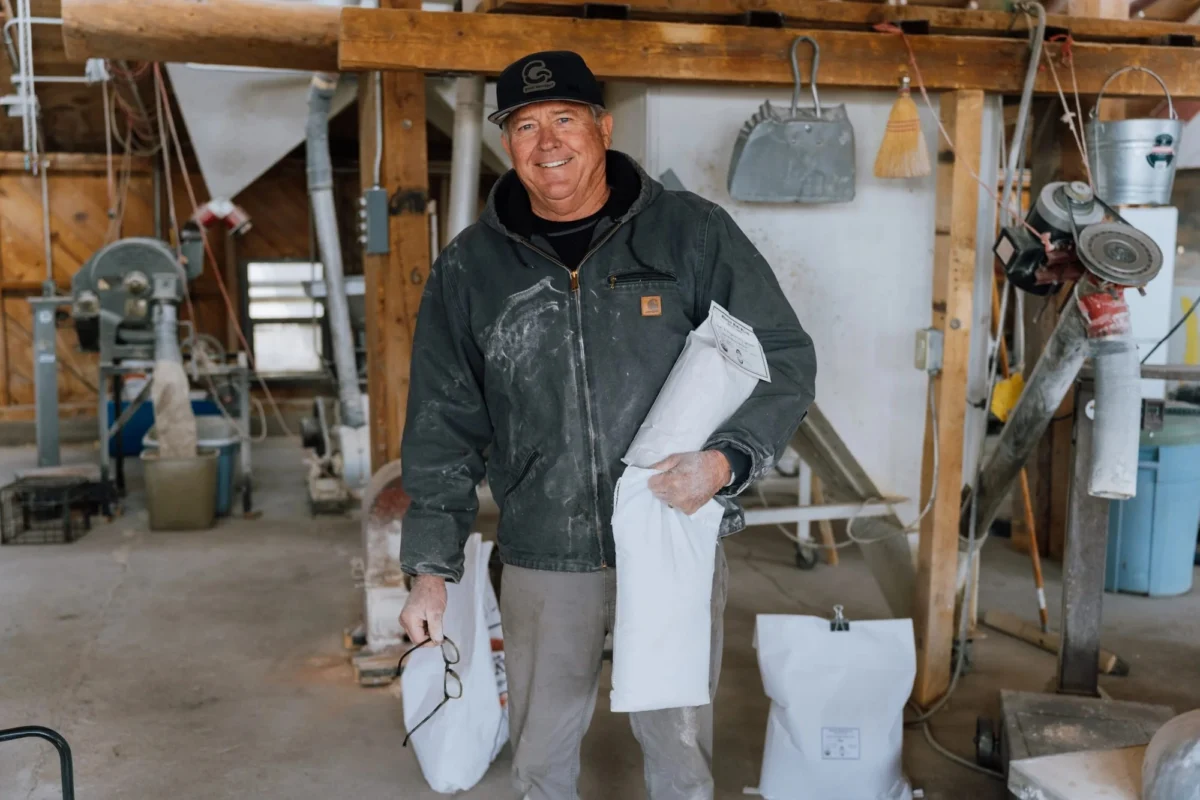
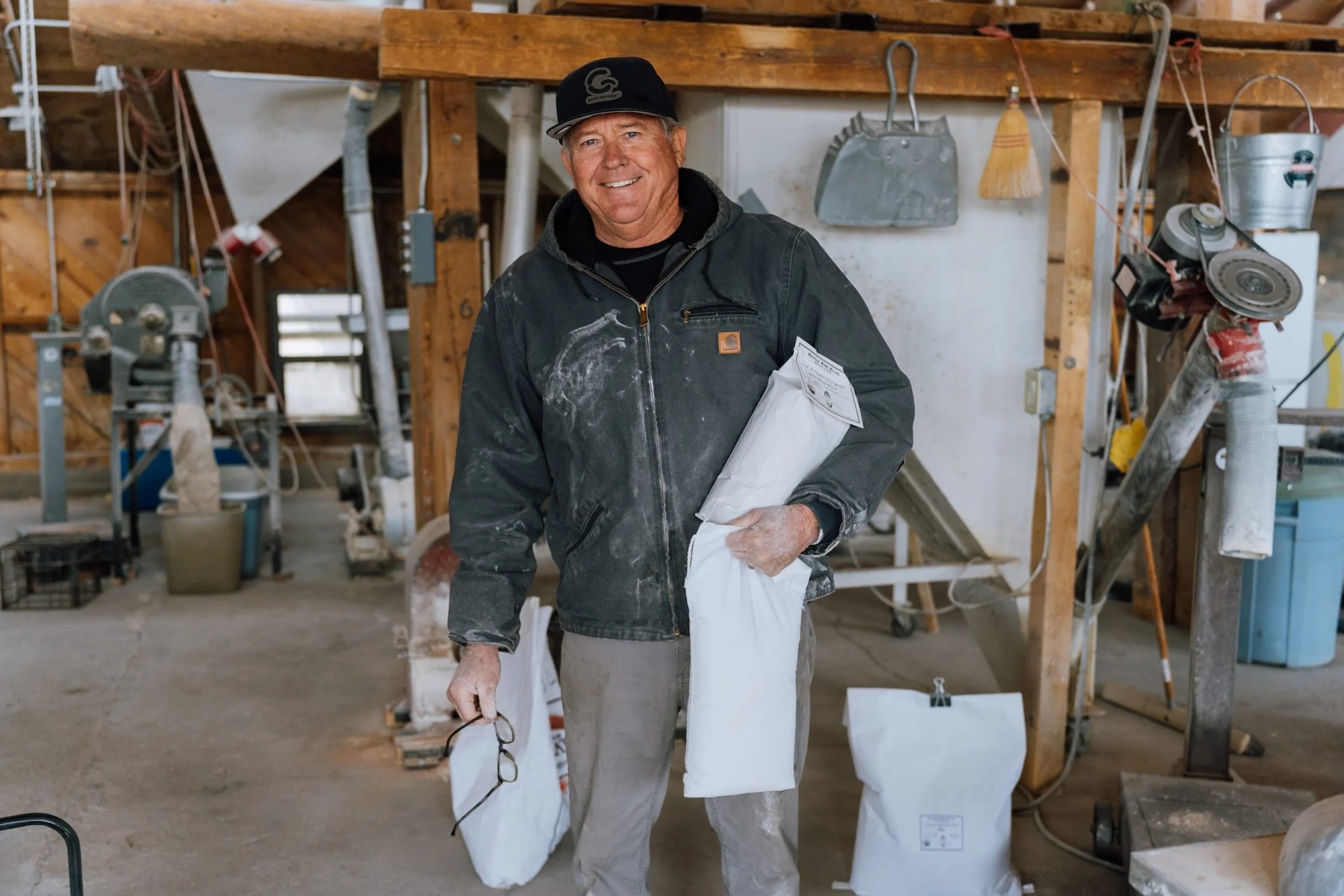
Kris Gosar, owner of Mountain Mama Milling in Monte Vista, has become a vital link in this chain. His family has been farming organically in the valley since the 1970s, and they established their own stone-ground mill to avoid the four-hour drive to Denver to sell their grain. Unlike industrial roller mills that strip away the germ and bran to create shelf-stable white flour, Gosar’s stone-milling process preserves the entire grain, maintaining its nutritional integrity. By purchasing rye directly from local producers like Jones Farm Organics, Gosar ensures that the economic value of the crop stays within the community.
Culinary Integration and Social Impact
The final link in the Rye Resurgence Project is the end-user—the bakers and distillers who turn the grain into a consumer product. Jessica Larriva, owner of Tumbleweed Bread in downtown Monte Vista, has integrated rye into nearly every facet of her menu. From rye shortbread cookies to sourdough loaves, Larriva’s cafe serves as a living showroom for the grain’s potential.

Larriva’s work extends beyond the kitchen. Recognizing that high-quality, whole-grain products can often be price-prohibitive for some members of the community, she founded Tomorrow’s Bread. This nonprofit arm of her business donates whole-grain loaves to local food pantries, ensuring that the nutritional benefits of the rye resurgence are accessible to food-insecure residents.
This holistic approach—linking environmental conservation, local economic development, and social equity—has allowed the project to exceed its initial goals. Originally, the project aimed to have 10 farms plant 1,200 total acres of rye. Today, farmers in the valley are growing between 3,000 and 5,000 acres of rye annually. To date, the project has facilitated the sale of over 770,000 pounds of rye at an average price of $0.62 per pound, providing a stable income stream for participating farmers.
Analysis: A Model for Western Resilience
The Rye Resurgence Project offers a profound case study in "regenerative" agricultural economics. By focusing on a crop that is naturally adapted to the local environment, the project reduces the need for external inputs—primarily water—while increasing the resilience of the soil.

Furthermore, the project demonstrates the power of "value-added" agriculture. In a traditional commodity model, farmers are at the mercy of global market prices and must sell their raw goods to distant processors. By building a local network of mills and bakeries, the San Luis Valley is creating a closed-loop economy. This model not only protects farmers from market volatility but also fosters a sense of regional identity and food sovereignty.
The success of rye has already prompted Dutton and Jones to look toward the future. They are currently investigating other drought-tolerant "super-crops," such as quinoa and millet, which could further diversify the valley’s agricultural output. The challenge, as Dutton notes, remains one of branding and consumer education. The "Rye Resurgence" succeeded because it gave a name and a narrative to a technical agricultural solution.
Broader Implications for the Future of Farming
As the Western United States continues to grapple with a "megadrought" that has lasted over two decades, the lessons from the San Luis Valley are increasingly relevant. The transition away from water-intensive monocultures toward diverse, locally processed, and environmentally appropriate crops is no longer an idealistic goal; it is a logistical necessity.

The Rye Resurgence Project proves that rural communities do not have to choose between their heritage and their future. By embracing innovation and returning to hardier, traditional grains, the farmers of the San Luis Valley are ensuring that their land remains productive for the sixth generation and beyond. The project serves as a reminder that the most effective solutions to global climate challenges are often found at the local level, driven by those who know the land best.
In the end, the story of rye in Colorado is about more than just a grain. It is about the restoration of a community’s relationship with its environment. As Sarah Jones often tells her partners, if Americans can learn to care about the origin and freshness of their coffee beans, they can learn to care about their flour. When they do, they aren’t just buying a bag of grain; they are investing in the survival of the American West.
