


As Africa’s most populous nation, housing an estimated 230 million people, Nigeria faces a staggering array of developmental imperatives that compete for limited public resources. The national "to-do list" is exhaustive, encompassing critical needs in water and sanitation, urban housing, and agricultural modernization, all of which require massive capital injections to keep pace with demographic shifts. However, the intensifying climate crisis has added a layer of complexity and urgency to this agenda, requiring Nigeria to seek innovative financing mechanisms beyond traditional budgetary allocations. To address this, the Federal Government of Nigeria has increasingly turned to the sovereign green bond market, a strategic move that is beginning to reshape the country’s approach to environmental and infrastructure finance. Late last year, the government signaled its continued commitment to this path by issuing its third and fourth tranches of sovereign green bonds, totaling 300 billion naira (approximately US$220 million), marking a significant escalation in the scale of its green finance program.
The adoption of green bonds is not a recent whim but the result of a long-term strategic pivot that began nearly a decade ago. In 2017, Nigeria made financial history by becoming the first African nation—and only the fourth globally—to issue a sovereign green bond. That inaugural issuance, valued at 10.69 billion naira (US$7.85 million), was certified by the London-based Climate Bonds Initiative (CBI). The market response was overwhelming; investor demand significantly outstripped the offer, leading to an oversubscribed bond that demonstrated a clear appetite for Nigerian green assets. This success laid the groundwork for a second issuance in 2019, valued at 15 billion naira (US$11.16 million). The 2019 bond saw an even more dramatic reception, with a 220% oversubscription rate that brought total subscription values to 32.93 billion naira. These early successes proved that despite the perceived risks of emerging markets, institutional investors were willing to commit capital to projects with verified environmental benefits.
The Mechanics and Purpose of Green Finance
Green bonds function similarly to conventional bonds in that they offer investors a fixed rate of return over a specified period. However, the defining characteristic of a green bond is the "use of proceeds" clause, which mandates that the raised capital be exclusively applied to projects with positive environmental or climate outcomes. In the Nigerian context, these projects span a diverse spectrum, including renewable energy installations, clean transportation systems, large-scale afforestation programs, and climate-change adaptation infrastructure. By earmarking funds specifically for these purposes, the Nigerian government provides a level of transparency and accountability that appeals to the growing global pool of Environmental, Social, and Governance (ESG) focused capital.
Dare Ogunbona, the Chief Executive Officer at Green Advisors Limited, notes that the sustained success of these issuances signals a maturing market. According to Ogunbona, the consistent oversubscription of Nigeria’s green tranches indicates that even in volatile economic periods, investors are seeking "green" havens that offer both financial returns and measurable impact. This trend is not isolated to Nigeria but reflects a broader global shift toward sustainable finance. However, while Nigeria has been a pioneer on the continent, the broader African market still faces significant hurdles in capturing its fair share of the global green bond pie.
A Comparative Analysis of the Global and Regional Market
The global green bond market has seen exponential growth since its inception in 2007, when the European Investment Bank (EIB) launched the first "Climate Awareness Bond." By December 2024, the total global market for green bonds reached a staggering US$2,625 billion. In 2024 alone, new issuances totaled $522 billion, a massive jump from the $135 billion recorded the previous year, according to data from Amundi’s 2024 Green Bond Impact Report. Despite this global surge, Africa’s participation remains disproportionately small. Currently, the entire continent accounts for approximately US$5.1 billion in green bonds, representing less than 1% of the $2.2 trillion global market.
Nevertheless, the trajectory for Africa is upward. Recent data indicates that green bond issuances on the continent grew by 125% between 2022 and 2023, rising from $600 million to $1.4 billion. Other nations are now following the blueprint established by Nigeria. In 2020, Egypt entered the fray as the first country in the Middle East and North Africa (MENA) region to issue a sovereign green bond. Similar to Nigeria’s experience, Egypt’s initial offering was so heavily oversubscribed that the government increased the issuance size from an original $500 million to $750 million. This regional momentum suggests that sovereign green bonds are becoming a preferred tool for African finance ministries looking to diversify their funding sources while addressing the physical risks posed by climate change.
Project Implementation and the Challenge of Accountability
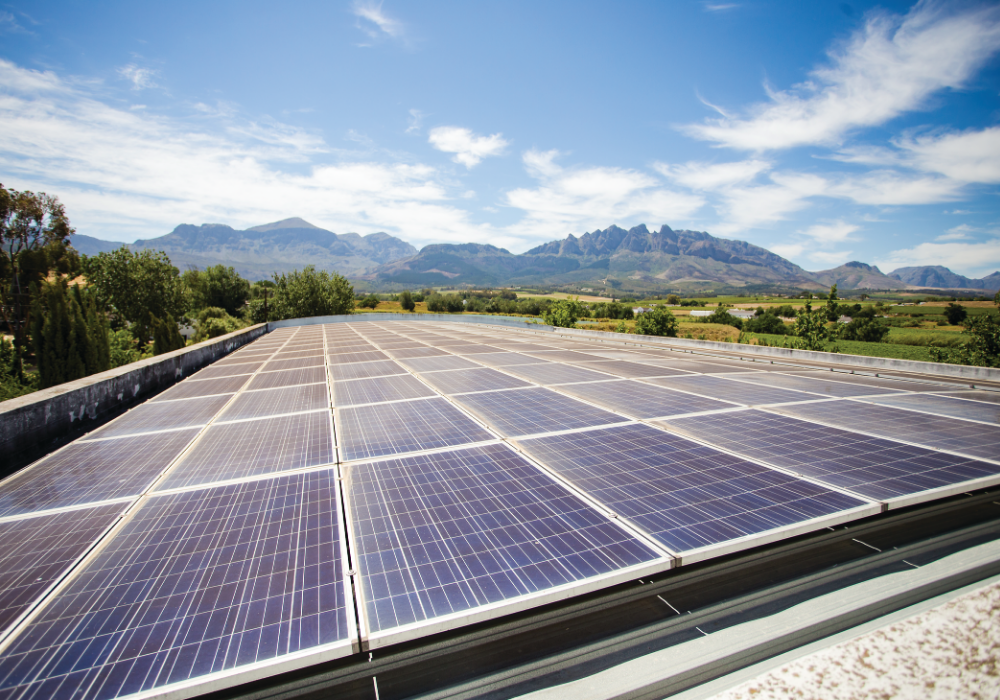
The true measure of a green bond’s success lies not in the amount of money raised, but in the efficacy of the projects it funds. In Nigeria, proceeds from these bonds have been directed toward several high-profile initiatives. These include the 10-megawatt Katsina wind farm power project and various off-grid solar plants designed to provide clean electricity to rural communities and educational institutions. Furthermore, the National Afforestation Programme has received significant funding intended to combat desertification in the country’s northern regions and increase carbon sequestration.
However, the path from financing to implementation has been fraught with challenges. Independent assessments and investigative reports have highlighted systemic weaknesses in the monitoring and evaluation frameworks governing these projects. For instance, an investigation by a local newspaper revealed that several afforestation projects funded by green bonds had failed to achieve their targets due to poor sapling survival rates and inadequate post-planting care. These failures are often attributed to a lack of robust sustainability frameworks and insufficient oversight by the implementing agencies.
Furthermore, reports from the Centre for Journalism Innovation and Development (CJID) have pointed to "meaningful structural progress" being hampered by bureaucratic bottlenecks. While the Debt Management Office (DMO) has been efficient in raising the capital, the subsequent deployment of those funds by various ministries and agencies has occasionally lacked the necessary technical rigor. Critics argue that without stricter "green" auditing and real-time project tracking, the risk of "greenwashing"—where projects are labeled as environmentally friendly but fail to deliver actual ecological benefits—remains high.
Future Outlook and Strategic Implications
Despite these implementation hurdles, the outlook for Nigeria’s green bond program remains cautiously optimistic. As of March 2025, approximately 95.44% of the proceeds from the 2019 green bond had been deployed to approved projects, suggesting that the government is learning from past inefficiencies and accelerating the pace of utilization. The Nigerian Securities and Exchange Commission (SEC) has also been working to refine the regulatory environment, introducing rules that clarify the requirements for green bond listings to encourage private sector participation.
The strategic importance of these bonds extends beyond mere environmental protection. For Nigeria, green bonds are a tool for economic diversification and energy security. With a national energy deficit that leaves millions without reliable power, the transition to decentralized solar and wind projects—funded by green capital—offers a pathway to industrialization that does not rely solely on the country’s aging and unstable national grid.
Moreover, Nigeria’s commitment to its Nationally Determined Contributions (NDCs) under the Paris Agreement requires an estimated $177 billion in investment by 2030. Given the constraints on the national budget, the sovereign green bond market is perhaps the most viable vehicle for attracting the necessary international private capital. Dare Ogunbona emphasizes that for investors with a medium-to-long-term horizon and an appetite for emerging market risk, Nigeria’s green space is "very much in play."
As the global financial community continues to prioritize climate-aligned investments, Nigeria’s early adoption of the green bond model provides it with a competitive advantage. The challenge for the coming years will be to bridge the gap between financial success in the capital markets and tangible ecological success on the ground. By strengthening transparency, improving project monitoring, and ensuring that every naira raised is matched by a measurable reduction in carbon emissions or an increase in climate resilience, Nigeria can solidify its position as a leader in African sustainable finance. The journey that began with a modest 10.69 billion naira issuance in 2017 has now evolved into a cornerstone of the nation’s strategy to survive and thrive in an era of climate uncertainty.
