

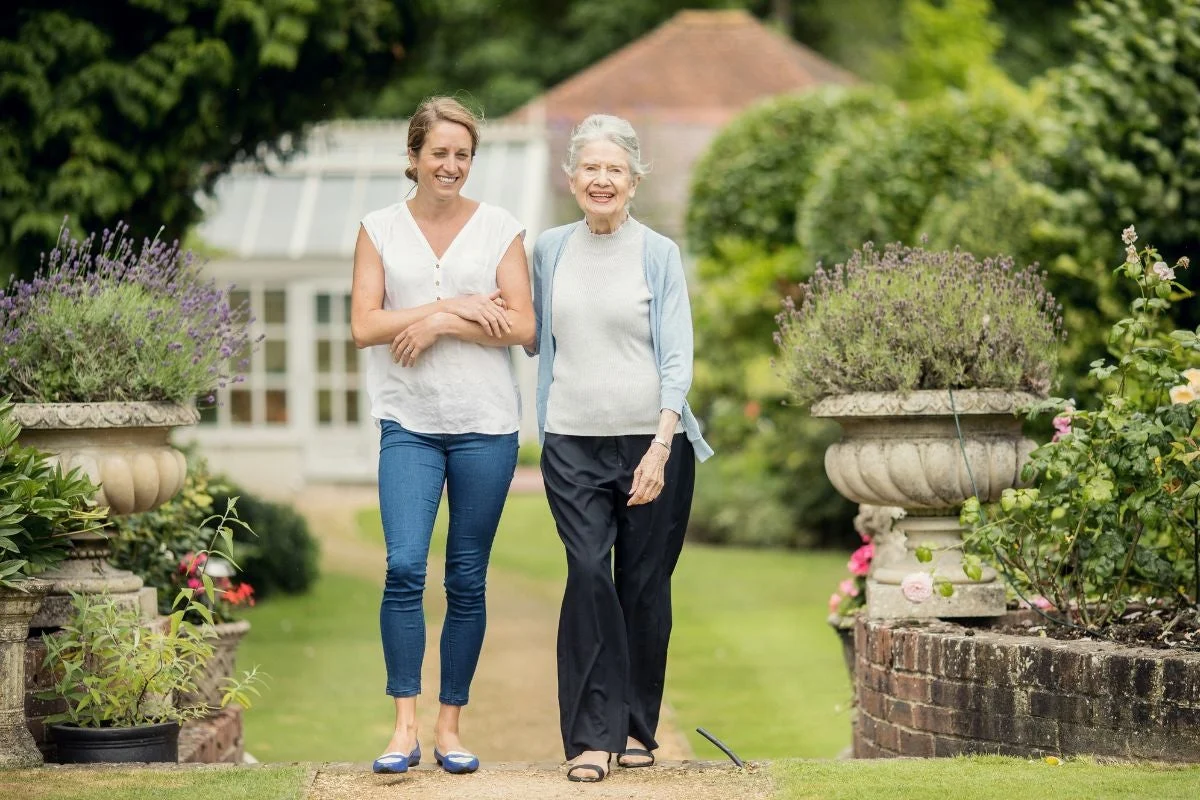
For ultra-high-net-worth (UHNW) families, strategic planning typically encompasses wealth preservation, intricate estate planning, and seamless succession management. These discussions involve not only immediate family members but also a network of trusted advisors, including wealth managers and family office professionals, all focused on safeguarding legacies and ensuring intergenerational continuity. However, a vital aspect of comprehensive long-term planning often receives insufficient attention until a critical juncture: the integration of in-home support. While meticulously structuring assets and succession strategies, decisions regarding live-in care are frequently deferred until a sudden event, such as a fall, hospitalization, or a marked increase in daily care needs. By embracing early intervention and proactive planning, families can ensure that support is introduced thoughtfully and discreetly, thereby preserving both individual independence and the established rhythm of home life.
Access Care, a distinguished provider of live-in care solutions, collaborates with private households across the United Kingdom to meticulously curate care arrangements. These arrangements are designed to align precisely with the individual’s needs and the unique dynamics of the home environment, ensuring that later-life support is perceived as considered, unobtrusive, and entirely appropriate.
The Reactive Trigger for Support Consideration
For a significant majority of households, the conversation around in-home support typically commences reactively rather than proactively. An unexpected health crisis or the passing of a spouse can introduce a sense of urgency, often compelling families to navigate unfamiliar territory under considerable pressure. In such circumstances, the immediate priority becomes securing the most suitable support as swiftly as possible.
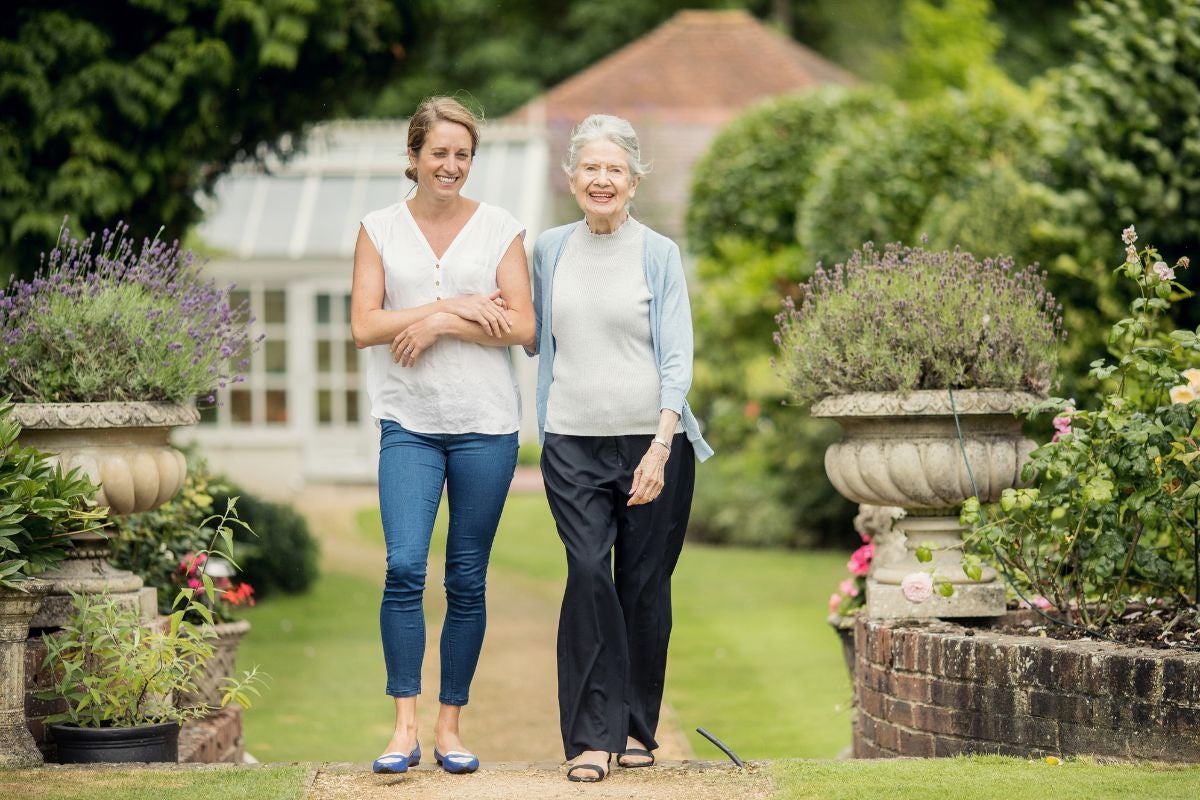
However, families that seek early guidance from experienced care consultants often experience a markedly different process. As Tiggy Bradshaw, CEO of Access Care, articulates, initiating these discussions well in advance allows for "calm and considered" decision-making. This proactive approach empowers households to maintain dignity and routine, rather than being forced to respond to an escalating crisis. Families who engage in forward-thinking planning can introduce support in a manner that complements their existing lifestyle, rather than feeling like an imposition.
The growing preference for remaining in the comfort of one’s own home as individuals age is a well-documented trend. For most, home represents the locus of their identity and comfort. Live-in care facilitates this desire by enabling individuals to continue residing in their familiar surroundings while receiving necessary assistance. This approach can significantly help families circumvent the pressures associated with urgent decisions regarding relocation or property adjustments.
The Advantages of Proactive Home-Based Care
This proactive model of care also fosters greater flexibility. Instead of facing the immediate necessity of institutional care or abrupt relocation, households retain the agency to explore solutions that optimally address the individual’s evolving requirements and the family’s broader strategic objectives. This gradual adjustment period allows all parties to adapt more comfortably, with the individual’s independence being paramount and the household’s established routines preserved.
The strategic advantage of early planning extends to financial and logistical considerations. For UHNW families, integrating care planning alongside estate management and philanthropic endeavors can streamline the overall process. For instance, understanding future care needs can inform property modifications or the allocation of assets to ensure long-term financial security for both the individual requiring care and the broader family estate. Data from wealth management surveys consistently indicates that UHNW individuals are increasingly prioritizing comprehensive life planning, which inherently includes health and long-term care provisions, rather than viewing them as disparate concerns.
The Importance of Careful Curation in Care Provision
Introducing a new individual into a private household is both a practical undertaking and a deeply personal decision. While professional expertise is undeniably crucial, the individual’s capacity for natural integration into the household’s fabric—through their personality, demeanor, and approach to daily life—is equally significant.
There is a discernible shift towards a more concierge-led approach in care provision. Families are increasingly seeking not only professional competence but also a strong alignment in personality and an ability to naturally assimilate into the established rhythms and expectations of a private home. When executed effectively, this approach transforms care from a mere logistical arrangement into an organic extension of the home environment.
This curated approach is particularly beneficial for UHNW families who may have complex household structures, specific dietary requirements, or unique social engagements. A well-matched carer can seamlessly integrate, providing support while respecting privacy and maintaining the established social calendar. For example, a carer experienced in managing dietary needs for individuals with specific medical conditions, or one comfortable accompanying a client to social events, can significantly enhance the quality of life.
Planning Beyond Urgency: A Strategic Imperative
When households commence planning for care well in advance of any immediate need, they gain the invaluable opportunity to identify carers who precisely match the specific requirements of their situation. This might include specialized experience with particular medical conditions, comfort in rural or international settings, familiarity with managing pets, or simply a personality that harmonizes with the family’s inherent dynamics.

Moreover, early planning facilitates a more gradual introduction of the carer. This phased integration allows both the family and the individual receiving care to adjust more comfortably to the new dynamic. The carer can become acquainted with the household’s routines, the individual’s preferences, and the family’s expectations in a low-pressure environment.
In this manner, the support provided becomes a natural enhancement to daily life rather than a disruptive force. This philosophy aligns with the broader trend of holistic well-being management often pursued by UHNW individuals, where proactive health interventions and lifestyle support are integral to maintaining vitality and longevity. For instance, understanding the projected needs for care can inform ongoing health and wellness strategies, ensuring a comprehensive approach to long-term well-being.
Furthermore, early engagement in care planning allows families to harmoniously balance these decisions with other critical considerations, such as property management, intergenerational wealth transfer, and philanthropic initiatives. This integrated approach ensures that all aspects of a family’s long-term strategy are cohesive and mutually supportive. The implications of this integrated planning are significant, potentially reducing future stress, optimizing resource allocation, and ultimately safeguarding the family’s overall legacy and well-being.
About Access Care: A Legacy of Discreet Support
Access Care is a venerable, family-run organization established in 1994, specializing in the introduction of experienced, self-employed live-in carers to private households throughout the United Kingdom. The company’s core expertise lies in its meticulous matching process, carefully aligning individuals with families based not only on their specific care requirements but also on profound personal compatibility.

Over its three decades of operation, Access Care has cultivated a reputation for its discreet, concierge-style approach to arranging live-in care within private residences. Many clients commend Access Care for its role in guiding families through the often complex and emotionally charged transition when support first becomes necessary. The agency’s proficiency lies in curating introductions that ensure the optimal individual enters the household at the most appropriate time, fostering a sense of continuity and ease.
The increasing demand for bespoke, in-home care solutions underscores the evolving landscape of elder care and the growing recognition of its importance within comprehensive life planning for affluent families. By prioritizing proactive planning and meticulous selection, UHNW families can ensure that their loved ones receive the highest quality of care, seamlessly integrated into the comfort and familiarity of their own homes.
For further information, please visit access-care.co.uk.
