

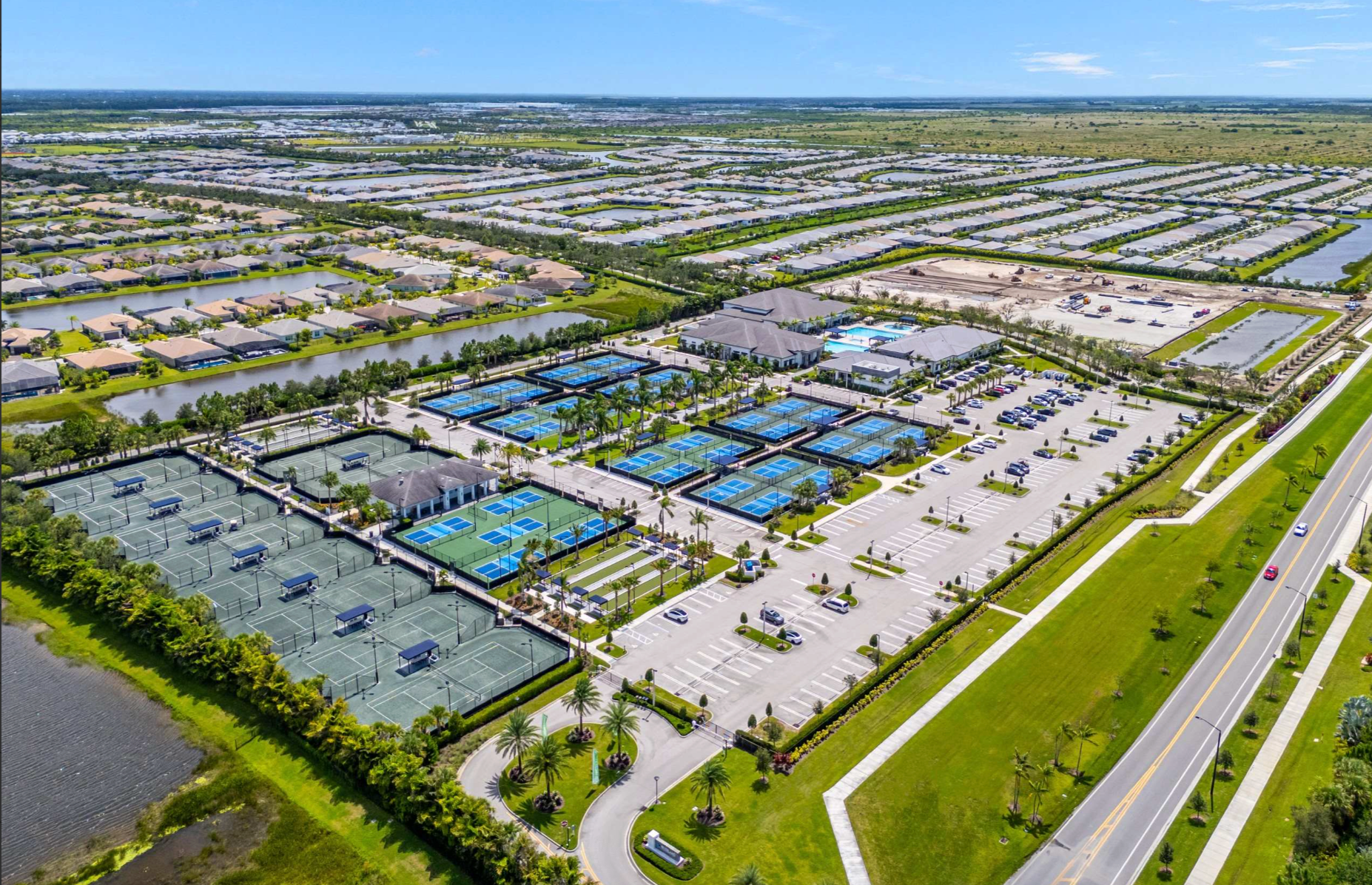
The enduring question for homebuilders and master-planned community (MPC) developers has long been whether significant upfront investments in "placemaking"—the creation of social and physical spaces that foster community—actually translate into sustained sales momentum over a project’s decades-long life cycle. In the rapidly expanding landscape of Port St. Lucie, Florida, GL Homes is providing a compelling affirmative answer through its Riverland development. Since its inception in 2018, the 4,000-acre active-adult community has emerged as a powerhouse in the Florida real estate market, recording more than 4,200 home sales. As the developer unveils its newest neighborhood, Valencia Vista, the strategy remains rooted in a conviction that social connectivity is the ultimate driver of long-term absorption and resident satisfaction.
The Riverland project is currently designed to accommodate approximately 11,000 homes at full buildout, making it one of the largest age-restricted developments in the United States. The recent grand opening of Valencia Vista served as a litmus test for the brand’s enduring appeal; the event attracted nearly 1,000 visitors and contributed to a two-month sales surge of 120 homes. This performance comes at a time when the broader housing market is grappling with high interest rates and buyer hesitation, suggesting that the "lifestyle-first" model pioneered by GL Homes possesses a unique resilience.
A Chronology of Strategic Growth and Infrastructure
The development of Riverland began in 2018, strategically positioned in Port St. Lucie, a city that has consistently ranked among the fastest-growing metropolitan areas in the nation. From the outset, GL Homes recognized that the modern 55-plus demographic—often referred to as the "active-adult" segment—demanded more than the passive amenities of previous generations. The master plan was structured not around isolated cul-de-sacs, but around a central spine of connectivity known as the Paseo Greenway.
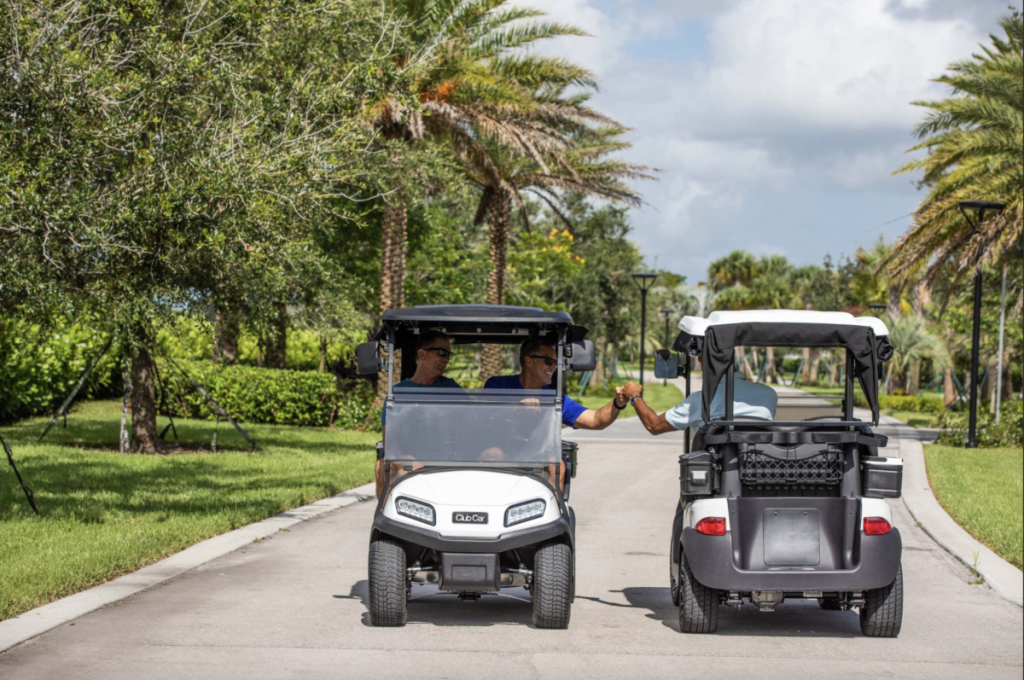
In the early phases of development, GL Homes entered into a significant public-private partnership with the City of Port St. Lucie. This collaboration was essential for the creation of the Paseo, a two-mile-plus landscaped corridor that serves as the community’s primary artery. To ensure seamless movement, the developer invested in the construction of tunnels beneath major arterial roadways, allowing residents to traverse the community by foot, bicycle, or golf cart without ever interacting with heavy vehicular traffic.
The partnership also facilitated the creation of a 12-acre public park. Under the terms of the agreement, GL Homes contributed the land and coordinated the development of public access points, while the city assumed responsibility for the operation and maintenance of the park. Riverland, meanwhile, maintains the internal pathway system. This integration of public and private space was a calculated move to embed the community within the broader fabric of the region while maintaining a high standard of private exclusivity for residents.
The Paseo Greenway: Engineering Social Interaction
The Paseo Greenway is frequently cited by company leadership as the "heart" of Riverland. However, its value is not merely aesthetic or functional; it is economic. By creating a physical environment that necessitates interaction, GL Homes has built a self-sustaining social ecosystem. Ryan Courson, GL Homes’ Division President of St. Lucie County, emphasizes that the Greenway was designed to be much more than a transit route. The inclusion of shaded seating areas, lush landscaping, and open green spaces encourages residents to linger and engage with neighbors.
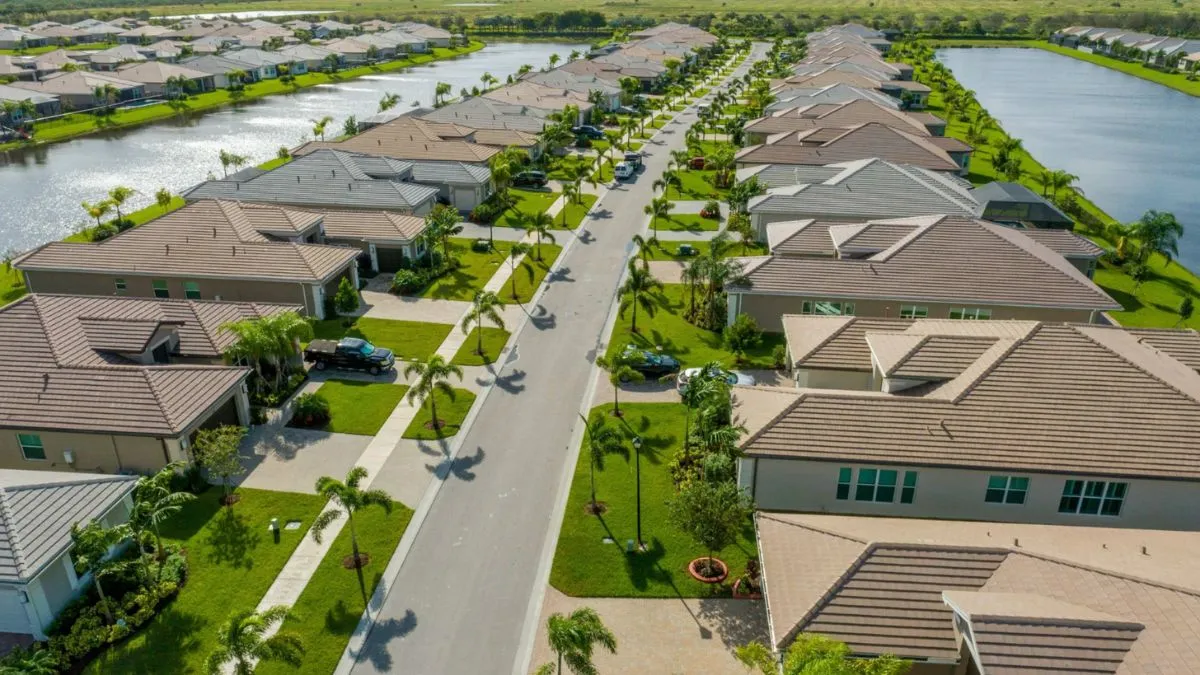
In the context of a large-scale MPC, this "connective tissue" serves to mitigate the sense of isolation that can occur in massive developments. For prospective buyers visiting Valencia Vista, the Paseo provides a tangible demonstration of the lifestyle being sold. Unlike many developments where amenities are promised for future phases, Riverland’s infrastructure was front-loaded. Buyers can walk the trails and see the social life of the community in action, reducing the perceived risk of purchasing in a new neighborhood.
The Pickleball Phenomenon and the Evolution of Wellness
If the Paseo is the community’s skeleton, the sports and wellness facilities are its pulse. Perhaps no single amenity better illustrates the shift in active-adult preferences than Riverland’s massive investment in pickleball. The community currently boasts 53 resident-only pickleball courts, with plans to expand to 85. This would position Riverland as home to one of the largest private pickleball complexes in the country.
The data supporting this investment is stark. According to company officials, the complex handles over 1,000 court reservations per week. The demand reflects a national trend: the Sports & Fitness Industry Association (SFIA) has named pickleball the fastest-growing sport in America for several consecutive years, with the 55-plus demographic serving as its most dedicated base.
The strategy behind the "Mega-Pickleball" complex is twofold. First, it serves as a powerful marketing tool that differentiates Riverland from smaller competitors. Second, it acts as a "social magnet." Unlike tennis, which requires higher levels of technical skill and physical exertion, pickleball has a low barrier to entry and a high degree of social fluidity. It allows residents to meet hundreds of their peers in a structured yet informal setting, rapidly accelerating the "community building" phase of a new move.
This focus on activity extends to the 51,000-square-foot Wellness & Fitness Center. The facility is designed to rival high-end commercial gyms, offering indoor and outdoor pools, personal training, and specialized arts and culture programming. By positioning wellness as a central pillar of the development, GL Homes is tapping into the "silver economy"—a market segment that prioritizes health and longevity and possesses the discretionary income to fund it.
Market Resilience and Buyer Demographics
The success of Riverland and its newest neighborhood, Valencia Vista, must be viewed through the lens of current economic conditions. While the residential real estate market has seen a slowdown due to mortgage rate volatility, the active-adult segment remains a outlier.
Industry analysts point to several factors for this resilience. Many buyers in the 55-plus category are "equity-rich," having owned their previous homes for decades. This allows them to make cash purchases or take out small mortgages, making them less sensitive to interest rate hikes than first-time or move-up buyers. Furthermore, this demographic is often driven by lifestyle changes—retirement, the desire to be closer to grandchildren, or the need for a more manageable home—rather than job relocation.
In Riverland, roughly 50% of buyers arrive from outside of Florida. These buyers are often fleeing high-tax states in the Northeast and Midwest, drawn by Florida’s lack of state income tax and Port St. Lucie’s relatively lower cost of living compared to South Florida hubs like Palm Beach or Miami. With home prices in Riverland ranging from the mid-$300,000s to the upper $800,000s, the community offers a "luxury-accessible" price point that appeals to a broad swath of the retiring baby boomer generation.
Broader Implications for Master-Planned Development
The Riverland model offers a blueprint for the future of large-scale development in an era of digital isolation. As more of the world moves toward remote interaction, the value of physical "places" that facilitate human connection has increased. GL Homes’ success suggests that placemaking is not a "soft" amenity but a hard business driver that ensures long-term absorption.
The implications for Port St. Lucie are also significant. The city, once seen as a "bedroom community" for more established coastal enclaves, is evolving into a destination in its own right. The influx of thousands of affluent retirees provides a stable tax base and supports local retail, healthcare, and service industries. The public-private partnership model used for the Paseo Greenway also demonstrates how cities can leverage private development to create public infrastructure that benefits the entire region.
As Riverland moves toward its ultimate goal of 11,000 homes, the focus on connectivity will likely remain its most significant competitive advantage. The launch of Valencia Vista confirms that even in a challenging market, buyers are willing to pay for a sense of belonging. For the homebuilding industry, the lesson of Riverland is clear: the most valuable thing a developer can build isn’t just a house—it’s the space between the houses.
Future Outlook and Strategic Continuity
Looking ahead, GL Homes intends to maintain its aggressive development pace. The long-term success of Riverland will depend on the developer’s ability to maintain the high standards of its social infrastructure as the population grows. Managing the social dynamics of 11,000 households—roughly 20,000 to 25,000 residents—requires a level of programming and community management that rivals that of a small city.
The expansion of the pickleball complex to 85 courts and the continued refinement of the Arts & Culture Center are part of this long-term vision. By constantly updating and expanding amenities to match evolving resident tastes, the developer ensures that the community remains "fresh" even as the earlier phases age. This prevents the stagnation that can plague older MPCs and maintains high resale values, which in turn fuels the sales of new construction homes.
In conclusion, Riverland stands as a testament to the power of intentional community design. Through the Paseo Greenway, a massive commitment to active lifestyles, and a strategic partnership with local government, GL Homes has created a development that is more than the sum of its parts. As Valencia Vista begins to fill with residents, the "Riverland Lifestyle" continues to serve as a benchmark for the active-adult industry, proving that in the world of real estate, connection is the ultimate currency.
