

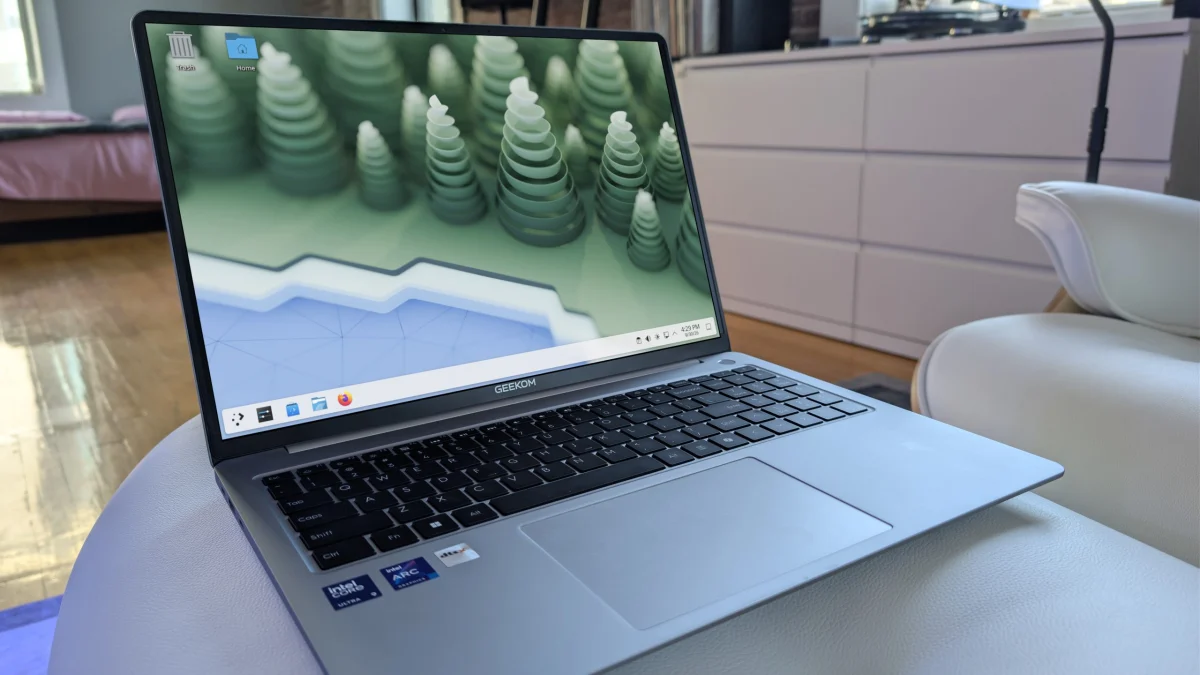
The release of openSUSE Leap 16.1 marks a transformative milestone in the evolution of the Linux ecosystem, introducing a native "Immutable Mode" that bridges the gap between traditional desktop reliability and modern, container-centric security. By integrating a transactionally updated system with a read-only root filesystem, the openSUSE project is extending the robust architecture previously reserved for its specialized Leap Micro distribution to a broader audience of desktop users, developers, and system administrators. This architectural shift represents more than just a new feature; it is a fundamental reimagining of how operating systems maintain integrity in an increasingly hostile digital landscape.
The Evolution of openSUSE and the Leap Series
To understand the significance of Leap 16.1, one must look at the historical trajectory of SUSE. Founded in Germany in 1992, SUSE (Software- und System-Entwicklung) was one of the first providers of a professional Linux distribution. Over the decades, it has maintained a reputation for being a "power user’s dream," known for its sophisticated configuration tool, YaST, and its deep roots in European enterprise and government sectors. In German-speaking countries, openSUSE remains a dominant force, favored for its transparency and its close alignment with SUSE Enterprise Linux (SLES).
The "Leap" series was established to provide a middle ground between the "Tumbleweed" rolling release—which offers the latest software at the cost of potential instability—and the ultra-conservative SLES. Leap is built using the same source code as SLES, ensuring enterprise-grade stability while remaining accessible to the community. With version 16.1, the project is leveraging its experience with Leap Micro—a lightweight, immutable version of the OS designed for edge computing and containerized workloads—to bring "atomic" capabilities to the mainstream Leap experience.
Understanding Immutable Mode: A Technical Deep Dive
At the core of the Leap 16.1 update is the introduction of the immutable mode, a feature that can be toggled during the initial installation process. In a traditional Linux distribution, the root filesystem (/) is typically mounted as read-write, meaning that any process with sufficient privileges can modify system binaries, configuration files, and critical libraries. While this offers flexibility, it also creates a vulnerability; if a malicious script or a misconfigured application gains root access, it can permanently alter the system’s core.
In Leap 16.1’s immutable mode, the root filesystem is mounted as read-only. Key directories such as /usr, /bin, and /etc are protected from unauthorized changes. This architecture ensures that the operating system remains in a "known-good" state. When updates are performed, they are handled transactionally. Rather than modifying the running system, the package manager creates a new snapshot of the system state. The changes are applied to this snapshot in the background, and the user only transitions to the updated version upon reboot.
This "atomic" approach to updates means that an update either succeeds completely or fails without affecting the current system. If an update leads to a regression or a software conflict, the user can instantly roll back to the previous functional snapshot, significantly reducing downtime and administrative overhead.

A Multi-Layered Security Ecosystem
While immutability is the flagship feature of Leap 16.1, it is only one component of a comprehensive security stack that openSUSE has refined over decades. The distribution employs a defense-in-depth strategy that includes the following layers:
The Transition to SELinux
For several years, openSUSE utilized AppArmor as its primary Mandatory Access Control (MAC) system. However, starting with the 16.x branch, the distribution has transitioned to Security-Enhanced Linux (SELinux). Developed originally by the National Security Agency (NSA) in collaboration with Red Hat, SELinux offers a more granular and powerful policy-driven security framework. It labels every file, process, and network port, enforcing the principle of least privilege. Under SELinux, even the root user is subject to security policies, making it much harder for an attacker to escalate privileges or move laterally through a system.
Advanced Firewall Management
openSUSE utilizes firewalld, a dynamic daemon to manage firewalls with support for network "zones." This allows users to define the level of trust for different network connections. For example, a laptop could have a "public" zone that blocks all incoming traffic when connected to a cafe’s Wi-Fi, but automatically switch to a "home" zone with more permissive rules when connected to a private network.
Binary Hardening and Compiler Protections
Security in openSUSE begins at the compilation stage. The distribution employs various binary hardening techniques to mitigate common software vulnerabilities:
- Address Space Layout Randomization (ASLR): Randomizes where data is stored in memory, making it difficult for attackers to predict the location of specific functions.
- Position Independent Executables (PIE): Allows binaries to be loaded at any memory address.
- Stack Canaries: Small values placed on the stack to detect buffer overflows before they can execute malicious code.
- NX (No-Execute): Prevents the execution of code in data-only memory segments.
Snapper and Btrfs Integration
The synergy between the Btrfs filesystem and the Snapper utility is perhaps openSUSE’s most famous feature. Btrfs allows for near-instantaneous snapshots of the filesystem. Snapper automates the management of these snapshots, creating "before" and "after" points every time the package manager (Zypper) is used. In Leap 16.1, this functionality is the backbone of the immutable mode’s rollback capability, providing a safety net that is virtually unmatched in the Linux world.
Chronology of the 16.x Development Cycle
The path to Leap 16.1 has been a multi-year journey involving significant architectural shifts.
- Late 2023: Developers began exploring the "ALP" (Adaptable Linux Platform) concepts, looking for ways to modernize the traditional OS structure.
- Early 2024: The decision was made to integrate the immutable technologies from Leap Micro into the standard Leap distribution.
- Mid 2024: openSUSE Leap 16.0 was released, introducing the switch from AppArmor to SELinux as the default MAC.
- September 2024: The Release Candidate (RC) for Leap 16.1 was officially announced, featuring the first stable implementation of Immutable Mode for the desktop and general-purpose server.
Industry Implications and Market Analysis
The move toward immutability is not unique to openSUSE, but its implementation in a mainstream, enterprise-aligned distribution like Leap is a significant market signal. Competitors such as Fedora (with Silverblue and Kinoite) and Canonical (with Ubuntu Core) have also pursued immutable designs. However, openSUSE’s approach is unique because it offers immutability as a choice within a single, unified distribution rather than requiring users to download an entirely separate "flavor" of the OS.

For enterprises, this shift reduces the "total cost of ownership" (TCO) by minimizing the risk of system breakage during updates and simplifying the management of large fleets of machines. In the realm of Edge computing and IoT, immutability is becoming a requirement rather than a luxury, as these devices are often deployed in remote locations where manual intervention is impossible.
Industry analysts suggest that the "Secure by Design" philosophy advocated by organizations like the Cybersecurity and Infrastructure Security Agency (CISA) is driving this trend. By making the core OS read-only by default, openSUSE is aligning itself with global standards for critical infrastructure protection.
Community and Official Responses
While official statements from SUSE leadership emphasize the stability and "future-proofing" of the platform, the community response has been one of cautious optimism. Power users have praised the retention of choice—allowing those who still require a traditional read-write root filesystem to continue using the OS as they always have.
Developers within the openSUSE project have noted that Leap 16.1 is "the way forward for container and virtual machine hosts." By providing a stable, immutable base, openSUSE is positioning itself as the ideal host for technologies like Docker, Podman, and Kubernetes, where the underlying OS should be as "invisible" and maintenance-free as possible.
Conclusion: A New Standard for Stability
openSUSE Leap 16.1 represents a sophisticated fusion of traditional reliability and cutting-edge security architecture. By bringing immutable mode to the masses, the project is tackling the two biggest challenges in modern computing: security and system stability. Whether used by a developer needing a consistent environment, a business seeking to secure its workstations, or a hobbyist who wants a "bulletproof" desktop, Leap 16.1 offers a compelling vision of the future of Linux.
The distribution is currently available for download via the official openSUSE servers. As the Linux community continues to move toward containerized applications (via Flatpaks and Distrobox) and atomic system management, openSUSE Leap 16.1 stands as a robust, enterprise-grade foundation for the next generation of computing.
