

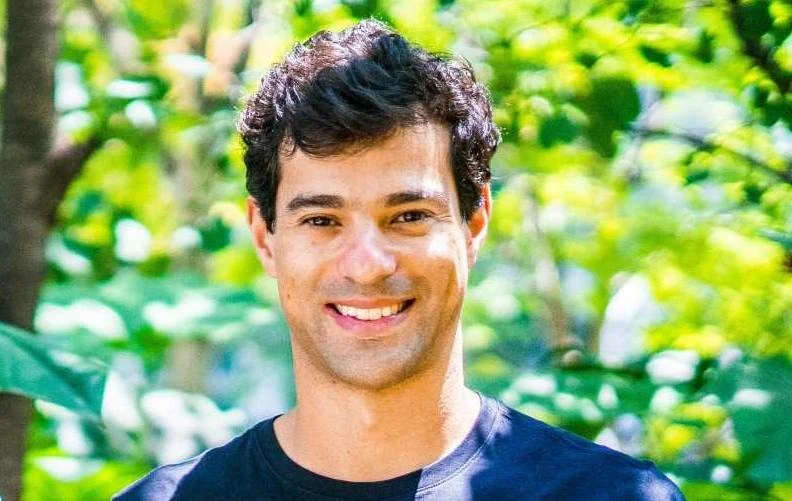
The Brazilian carbon removal startup Mombak has successfully executed the delivery of its inaugural batch of nature-based carbon credits to a consortium of global corporate leaders, marking a significant milestone in the evolution of the voluntary carbon market. The delivery, which includes more than 21,000 tonnes of carbon dioxide removed from the atmosphere through native reforestation projects in the Amazon, arrives more than two years ahead of the original contractual schedule. This early fulfillment benefits major off-takers including Google, McKinsey & Company, and McLaren Racing, signaling a shift in the reliability and execution capabilities of high-integrity nature restoration projects.
Founded in 2021, Mombak has rapidly positioned itself as a premier developer in the carbon removal space, specifically targeting the ecological restoration of degraded pasturelands in the Amazon rainforest. Unlike traditional carbon projects that often rely on "avoided deforestation"—a practice that has faced intense scrutiny regarding its actual impact—Mombak focuses exclusively on carbon removal. This is achieved by planting native tree species and utilizing assisted natural regeneration (ANR) to rebuild complex, biodiverse ecosystems that act as permanent carbon sinks.
A Breakthrough for High-Integrity Carbon Markets
The issuance of these 21,000 credits represents a "proof of concept" for the nascent carbon removal industry. For years, the voluntary carbon market (VCM) has been plagued by concerns over "phantom credits" and lack of transparency. By delivering tangible, verified removal credits ahead of schedule, Mombak is addressing the skepticism that has recently cooled corporate enthusiasm for nature-based solutions.
The credits delivered to Google, McKinsey, and Bain & Company are part of a broader strategy by these firms to meet stringent "Net Zero" targets. For Google, which aims to achieve net-zero emissions across its operations and value chain by 2030, high-quality removals are a critical component of its portfolio. Similarly, McKinsey and Bain have committed to science-based targets that require the permanent removal of residual emissions that cannot be eliminated through operational efficiencies alone.
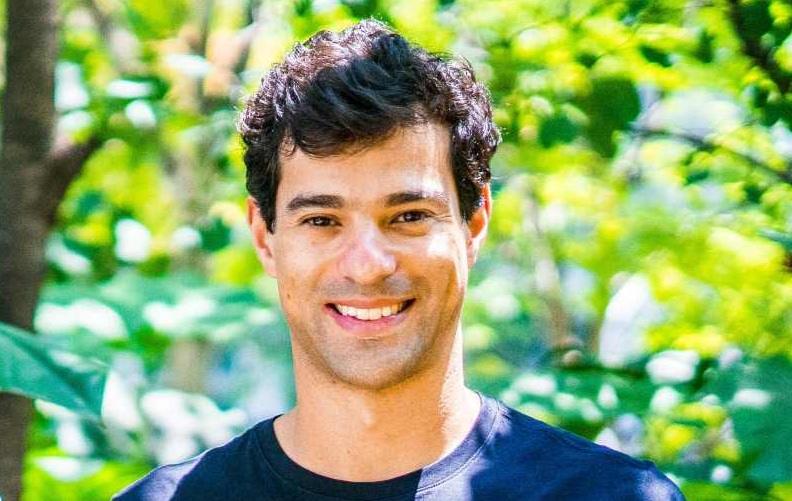
Gabriel Haddad Silva, CEO of Mombak, emphasized the importance of this milestone for the company’s reputation. "Trust is earned through delivery," Silva stated. "By issuing real, durable carbon removal credits and delivering them to customers more than two years ahead of schedule, we’re demonstrating that Mombak can be relied on to deliver both quality and execution."
The Technical Framework: Reforestation vs. Avoidance
The core of Mombak’s operational model is the conversion of degraded, unproductive pastureland back into native forest. In the Brazilian Amazon, millions of hectares of land have been cleared for low-yield cattle ranching. These areas often lack the nutrient density for intensive agriculture but remain ideal for reforestation.
Mombak’s approach involves a sophisticated blend of biodiversity management and carbon accounting:
- Native Species Selection: Instead of planting monocultures of fast-growing non-native trees like eucalyptus, Mombak utilizes dozens of native species. This ensures the restoration of the local ecosystem, supporting indigenous flora and fauna.
- Assisted Natural Regeneration (ANR): In areas where the soil still contains a seed bank, Mombak facilitates natural regrowth by removing invasive grasses and protecting the land from further grazing or fire.
- Additionality and Durability: Because the projects occur on land that was previously deforested and unproductive, the carbon sequestered is considered "additional"—meaning it would not have happened without the project’s intervention.
The delivery of these credits is verified through rigorous third-party standards, ensuring that each tonne of CO2 represents a permanent removal from the atmosphere. This high level of integrity has allowed Mombak to command premium prices compared to standard avoidance credits.
Chronology of Mombak’s Rapid Rise
The journey from a 2021 startup to a leading carbon credit provider has been characterized by strategic partnerships and significant capital injections.
- 2021: Mombak is founded by Gabriel Haddad Silva and Peter Fernandez (former CEO of Brazilian unicorn 99) with the goal of becoming the "Amazon of the Amazon," scaling reforestation to a global industrial level.
- 2022-2023: The company secures substantial backing from investors like Bain Capital and Union Square Ventures. It begins acquiring degraded land in the Amazon and establishing nurseries for native seedlings.
- Late 2023: Mombak signs a landmark deal with Microsoft to remove 1.5 million tons of carbon, one of the largest nature-based removal agreements in history.
- Early 2024: The Symbiosis Coalition is launched by Google, Meta, Microsoft, and Salesforce. Mombak is selected as the coalition’s first nature restoration project, receiving a commitment to help scale the market toward a collective 20-million-ton goal.
- August 2026: Mombak announces the delivery of its first 21,000+ credits, fulfilling contracts for Google, McKinsey, and others two years ahead of the 2028 target.
Supporting Data and Economic Impact
The scale of Mombak’s operations provides a glimpse into the potential of the Brazilian "bioeconomy." According to industry data, the Amazon holds the potential to provide up to 25% of the world’s nature-based carbon mitigation. However, this requires a massive shift in land use.
Mombak’s current projects contribute to several key metrics:
- Carbon Sequestration: With over 21,000 tonnes delivered in the first batch, the company is on track to scale toward millions of tonnes annually as its younger forests reach peak growth rates.
- Biodiversity: The use of native species has seen the return of key "indicator species" in project zones, including rare birds and mammals that do not inhabit cattle pastures.
- Social Impact: Reforestation is more labor-intensive than cattle ranching. Mombak’s operations have generated hundreds of jobs in seed collection, nursery management, and planting in regions where economic opportunities were previously limited to extractive industries.
- Watershed Protection: By restoring forest cover, Mombak’s projects help regulate local microclimates and improve water retention in the soil, benefiting downstream agricultural and local communities.
The Role of the Symbiosis Coalition
The early delivery to Google and McKinsey is a major win for the Symbiosis Coalition. Launched as an Advance Market Commitment (AMC), the coalition was designed to provide the demand certainty needed for developers like Mombak to secure financing for large-scale projects.
By committing to purchase 20 million tons of nature-based credits by 2030, the coalition members (Google, Meta, Microsoft, and Salesforce) are essentially "market-making." This structure allows developers to move faster, knowing that a buyer exists for the credits once they are produced. Mombak’s ability to deliver ahead of schedule validates this AMC model, proving that with the right financial incentives, nature-based removal can scale at a pace that matches the urgency of the climate crisis.
Other recipients of the initial credit delivery include Climeworks (a leader in Direct Air Capture looking to diversify its portfolio), Commons, and Union Square Ventures, showing a broad range of interest from both technology-focused carbon firms and traditional venture capital.
Broader Implications for the Global Climate Strategy
The success of Mombak’s delivery has three primary implications for the global fight against climate change.

First, it establishes a "gold standard" for nature-based removals. As the Science Based Targets initiative (SBTi) and other regulatory bodies tighten the rules on what counts as a valid carbon credit, projects that focus on native reforestation and early delivery will become the preferred choice for blue-chip corporations. This could lead to a "two-tier" market where high-quality removals command significantly higher prices than legacy credits.
Second, it highlights the strategic importance of Brazil in the global climate transition. With the COP30 summit approaching, the Brazilian government has been keen to showcase its ability to protect and restore the Amazon. Mombak’s success provides a private-sector template for how the country can transition from a "deforestation economy" to a "restoration economy," attracting foreign direct investment in the process.
Finally, the "two years early" aspect challenges the narrative that nature-based solutions are too slow to make an impact. While trees do take time to grow, Mombak’s efficient operational pipeline—from land acquisition to verification—suggests that the bottleneck in the carbon market may be operational and financial rather than purely biological.
Future Outlook
As Mombak moves forward, the challenge will be scaling its operations to meet the massive demand from its remaining offtake agreements, including the 1.5 million-ton deal with Microsoft. The company is expected to continue its aggressive land acquisition strategy, focusing on areas of the Amazon that are most critical for ecological connectivity.
For the corporate buyers, the receipt of these credits provides a much-needed boost to their sustainability reporting. As McKinsey and Google prepare their annual ESG disclosures, the inclusion of verified, delivered carbon removals from the Amazon serves as a tangible metric of progress.
In an industry often criticized for over-promising and under-delivering, Mombak’s early fulfillment of its carbon credit obligations stands as a rare example of operational excellence. It reinforces the idea that the Amazon, if managed with a focus on restoration and biodiversity, remains one of the world’s most powerful tools in the effort to stabilize the global climate.
