

The third week of September 2026 has marked a pivotal juncture in the global transition toward sustainable finance and renewable energy infrastructure, characterized by record-breaking wind energy production in Central Europe and a significant tightening of corporate sustainability disclosure requirements across the North American and European markets. As the international community prepares for the upcoming climate summits later this year, the developments observed between September 14 and September 20 underscore a shifting landscape where environmental, social, and governance (ESG) factors are no longer peripheral concerns but are deeply integrated into the core operational strategies of the world’s largest institutional investors and industrial conglomerates.
Accelerating the Energy Transition: Austria’s Wind Energy Milestone
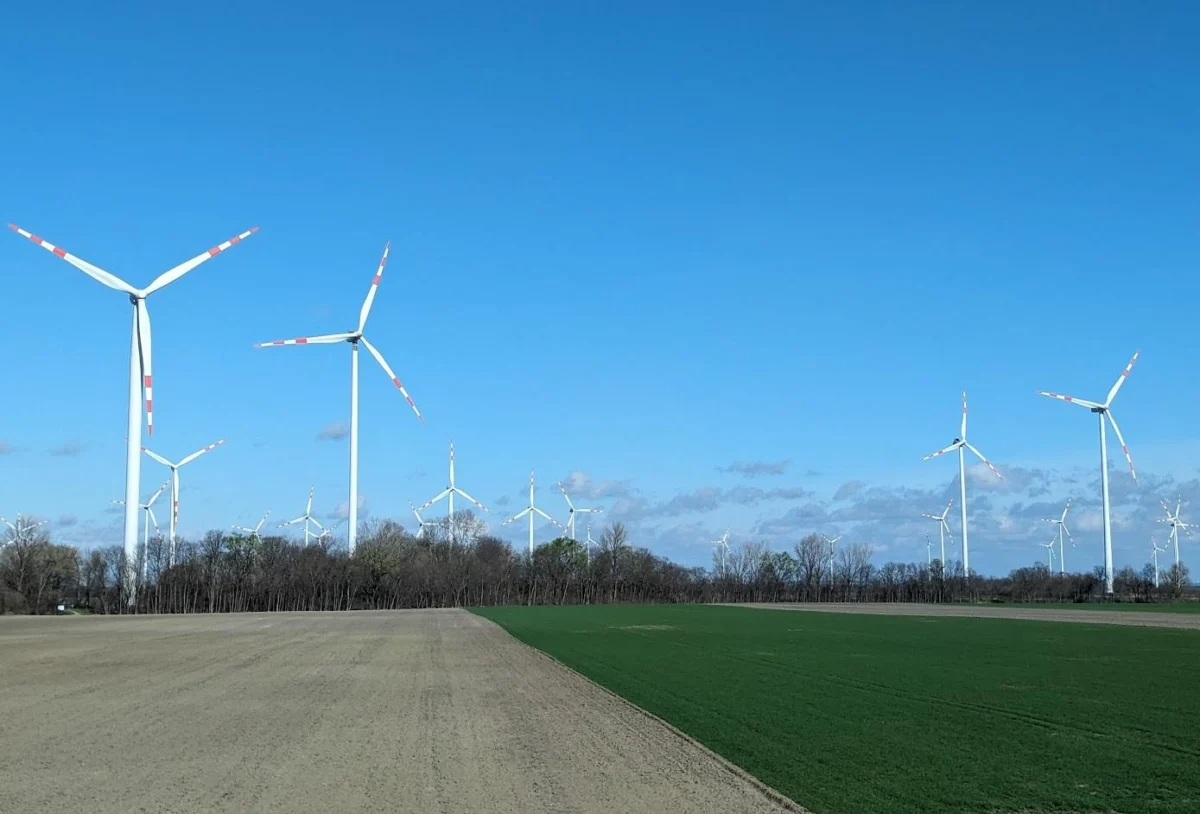
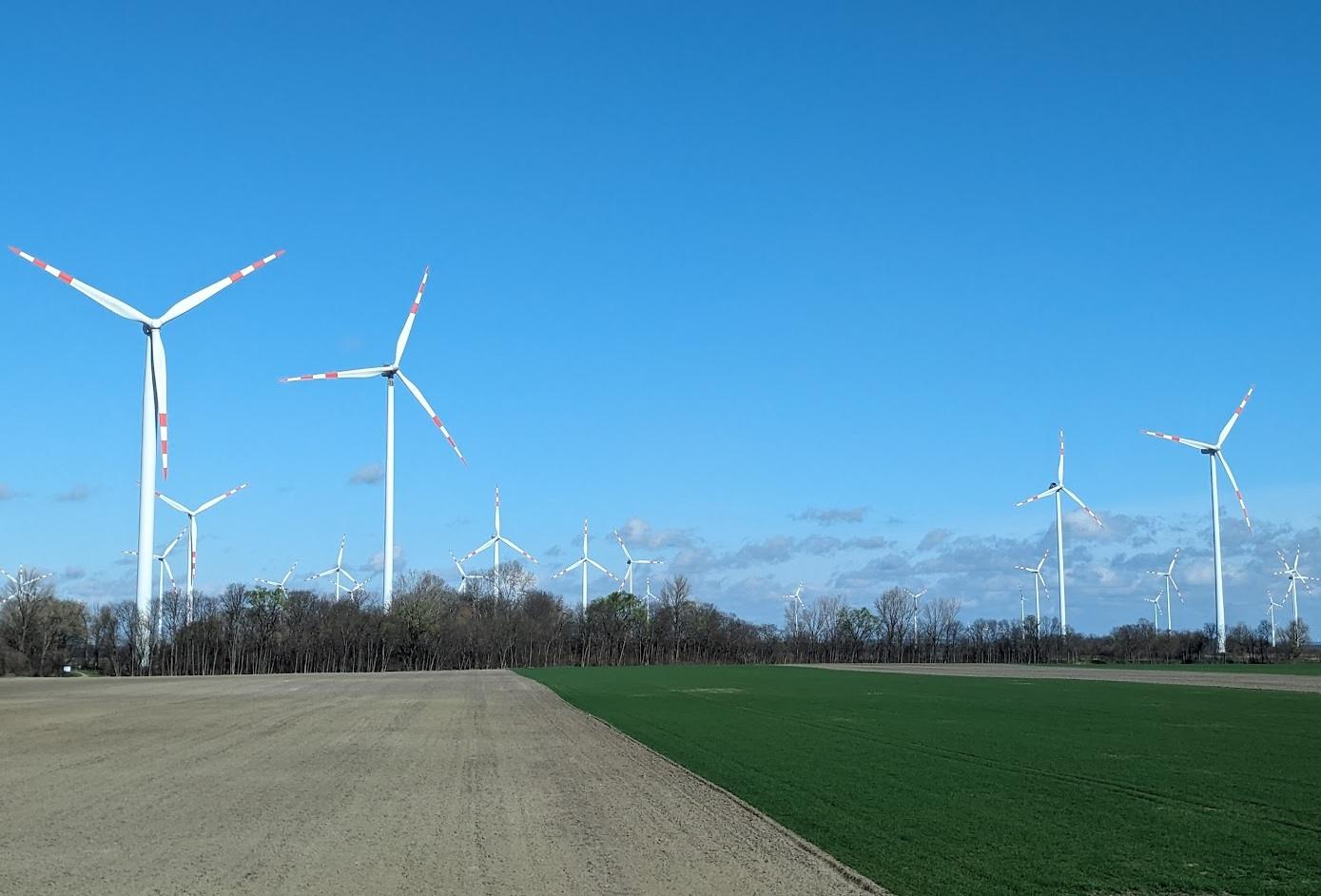
At the forefront of this week’s environmental news is the significant expansion of wind energy capacity in Austria. Following the successful commissioning of three major wind farms in the Lower Austria and Burgenland regions, the nation has reported a record-breaking week for renewable energy generation. According to data released by the Austrian Ministry for Climate Action, Environment, Energy, Mobility, Innovation, and Technology, wind power accounted for nearly 42% of the national electricity mix during peak hours this week, driven by favorable meteorological conditions and the integration of next-generation high-altitude turbines.
This surge in production is a direct result of the Renewable Energy Expansion Act (EAG), which was designed to transition Austria to 100% renewable electricity by 2030. Industry analysts note that the rapid deployment of these assets reflects a broader European trend of reducing reliance on natural gas imports and stabilizing energy prices through localized, sustainable sources. The investment in these projects, largely funded through a combination of green bonds and private equity, demonstrates the maturing appetite for long-term infrastructure assets that provide both stable yields and verifiable carbon reduction.
Regulatory Evolution: The 2026 CSRD Reporting Wave
In the regulatory sphere, the week has been dominated by preparations for the next phase of the European Union’s Corporate Sustainability Reporting Directive (CSRD). As of September 2026, the first wave of large companies that began reporting under the European Sustainability Reporting Standards (ESRS) earlier this year have started releasing their interim data, providing the market with unprecedented transparency regarding "double materiality"—the impact of the environment on the company and the company’s impact on the environment.
Financial regulators in Brussels and Frankfurt have noted that the quality of data has improved significantly compared to previous voluntary disclosures. However, the week also saw a rise in "assurance readiness" audits, as firms scramble to meet the limited assurance requirements mandated for their 2026 annual reports. This regulatory pressure is not confined to Europe; many U.S.-based multinationals with significant EU operations are now finding themselves subject to these stringent rules, effectively creating a global de facto standard for sustainability reporting.
Sustainable Finance: Green Bond Markets Reach New Heights
The global sustainable finance market reached a significant milestone this week, with the total issuance of green, social, and sustainability-linked bonds (SLBs) for 2026 surpassing the $1.2 trillion mark. A notable contributor to this total was a multi-billion dollar issuance by a consortium of Nordic banks, aimed at financing decarbonization projects in the heavy shipping and maritime industries.
Data from major credit rating agencies suggests that the "greenium"—the yield discount investors accept for green-labeled debt—has stabilized. Investors are increasingly prioritizing transition bonds, which are designed to help carbon-intensive industries, such as cement and steel production, pivot toward cleaner technologies. This week, several large asset managers announced a shift in strategy, moving away from simple divestment and toward "active stewardship," where capital is used to influence the decarbonization pathways of existing portfolio companies.
Chronology of Key Events: September 14 – September 20, 2026
- September 14: The International Sustainability Standards Board (ISSB) announces a new partnership with several Southeast Asian nations to harmonize local reporting requirements with global baselines, aiming to reduce fragmentation for international investors.
- September 15: A major global automotive manufacturer announces it has achieved a 95% closed-loop recycling rate for lithium-ion batteries across its European production sites, marking a significant step for circular economy initiatives.
- September 16: The European Central Bank (ECB) releases its latest climate stress test results, indicating that while systemic risks are manageable, banks with high exposure to unmitigated physical climate risks could face significant capital requirements by 2030.
- September 17: Austria’s wind energy production hits a seasonal high, providing a real-world test for the country’s upgraded smart grid infrastructure and battery storage systems.
- September 18: The U.S. Securities and Exchange Commission (SEC) provides an update on its climate disclosure rule implementation, focusing on the verification of Scope 3 emissions data for large accelerated filers.
- September 19: A coalition of institutional investors representing $15 trillion in assets under management issues a joint statement calling for clearer biodiversity impact metrics to be integrated into standard financial reporting.
- September 20: ESG Today concludes its weekly review, noting a trend toward "Social" pillar integration, with increased focus on human rights due diligence in global supply chains.
The Social Pillar: Human Rights and Supply Chain Transparency
While environmental issues often dominate the headlines, this week has seen a renewed focus on the "S" in ESG. The implementation of the Corporate Sustainability Due Diligence Directive (CSDDD) has forced companies to take a more granular look at their global supply chains. Reports emerging this week suggest that major retailers are increasingly utilizing blockchain technology and satellite monitoring to verify that their raw materials—particularly textiles and rare earth minerals—are sourced without the use of forced labor or exploitative practices.
Industry experts argue that the social aspect of ESG is becoming a major driver of brand value and consumer loyalty. A study released this week by a leading management consultancy found that 68% of Gen Z and Millennial consumers are willing to pay a premium for products that can prove a "fair wage" and "ethical source" certification. Consequently, corporate boards are elevating social impact officers to executive-level positions, ensuring that human rights considerations are integrated into procurement and risk management frameworks.
Governance and Executive Accountability
Governance remains the backbone of effective ESG implementation. This week, several high-profile proxy battles reached their conclusion, with shareholders increasingly voting against directors who fail to demonstrate adequate oversight of climate-related risks. The trend toward linking executive compensation to sustainability targets has also accelerated. According to a survey of the FTSE 100 and S&P 500 companies, over 75% now include at least one ESG-related metric in their long-term incentive plans (LTIPs), up from just 40% three years ago.
This shift in governance is intended to align the interests of management with long-term value creation. However, it has also led to increased scrutiny from "anti-woke" legislative efforts in certain jurisdictions, creating a complex legal landscape for directors to navigate. Legal analysts suggest that the focus is shifting toward "fiduciary duty," where directors argue that ignoring ESG risks would be a dereliction of their responsibility to protect shareholder value over the long term.
Broader Implications and Future Outlook
The developments of this week suggest that the "ESG" label is evolving into a more sophisticated framework of "Sustainable Value Creation." The reliance on wind energy in Austria demonstrates the technical feasibility of the energy transition, while the surge in green finance shows that the capital required for this transition is available, provided the regulatory and reporting frameworks remain robust.
Looking ahead to the final quarter of 2026, the focus is expected to shift toward biodiversity and "nature-positive" investments. As the Taskforce on Nature-related Financial Disclosures (TNFD) gains more traction, companies will be expected to report not just on their carbon footprint, but on their overall impact on ecosystems and water security.
The integration of Artificial Intelligence (AI) in ESG data processing is also a burgeoning trend. This week, several fintech startups launched AI-driven platforms capable of scraping thousands of public documents to identify "greenwashing" discrepancies in real-time. This technological advancement is likely to further increase the pressure on companies to ensure that their public sustainability claims are backed by rigorous, auditable data.
In summary, the week ending September 20, 2026, has reinforced the reality that sustainability is no longer a niche interest but a fundamental pillar of the global economy. From the wind-swept plains of Austria to the boardrooms of New York and the regulatory halls of Brussels, the momentum toward a more transparent, accountable, and sustainable financial system appears irreversible. The challenges remain significant—particularly regarding data standardization and the geopolitical complexities of the energy transition—but the progress recorded this week provides a clear roadmap for the years to come.
