

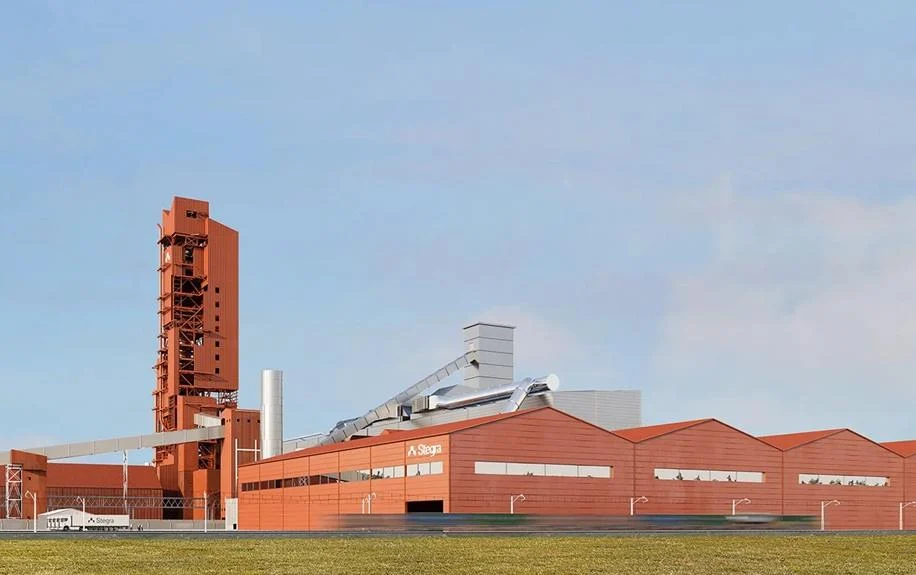
Google has formalized a strategic agreement with the Swedish green industrial pioneer Stegra to purchase environmental attribute certificates (EACs) tied to the production of near-zero emissions steel. This landmark deal is designed to mitigate the carbon footprint associated with Google’s massive global infrastructure projects, particularly the construction of data centers, while simultaneously providing critical financial and operational support for Stegra’s pioneering manufacturing facility in Boden, Sweden. By committing to the purchase of attributes from up to 91,000 tons of steel in the plant’s first year of operation, Google is positioning itself as a primary mover in the nascent market for decarbonized industrial materials.
The partnership represents a significant step in Google’s broader strategy to manage its Scope 3 emissions, which have seen a sharp increase due to the rapid expansion of artificial intelligence (AI) and the physical infrastructure required to support it. For Stegra, formerly known as H2 Green Steel, the agreement serves as a high-profile validation of its business model and a crucial revenue stream as it moves from the construction phase into active production.
The Strategic Partnership and the EAC Model
The core of the agreement centers on Environmental Attribute Certificates (EACs). Similar to Renewable Energy Certificates (RECs) used in the power sector or Sustainable Aviation Fuel (SAF) certificates used in the airline industry, EACs allow a buyer to claim the environmental benefits of a specific quantity of a product without necessarily taking physical delivery of the material. This mechanism is particularly effective for global corporations like Google, which may require steel in various locations around the world where green production is not yet available. By purchasing EACs from Stegra, Google can apply the carbon reductions achieved in Sweden to its global carbon accounting, effectively subsidizing the "green premium" of sustainable steel.
Under the terms of the deal, Google will acquire certificates representing the near-zero emissions profile of 91,000 tons of steel during Stegra’s inaugural year of production. Both parties have expressed an ambition to scale these volumes as the Boden plant reaches its full capacity. This commitment provides Stegra with the predictable demand necessary to satisfy investors and lenders, while Google gains a scalable tool to address one of the most difficult segments of its supply chain to decarbonize.
Understanding the Scale of Stegra’s Boden Project
Founded in 2020, Stegra is at the forefront of the global transition to sustainable heavy industry. The company is currently constructing the world’s first large-scale green steel plant in Boden, a region in northern Sweden chosen for its abundant access to renewable energy and high-quality iron ore. The facility is designed with an ambitious production target of 5 million tonnes of green steel annually by the end of the decade.
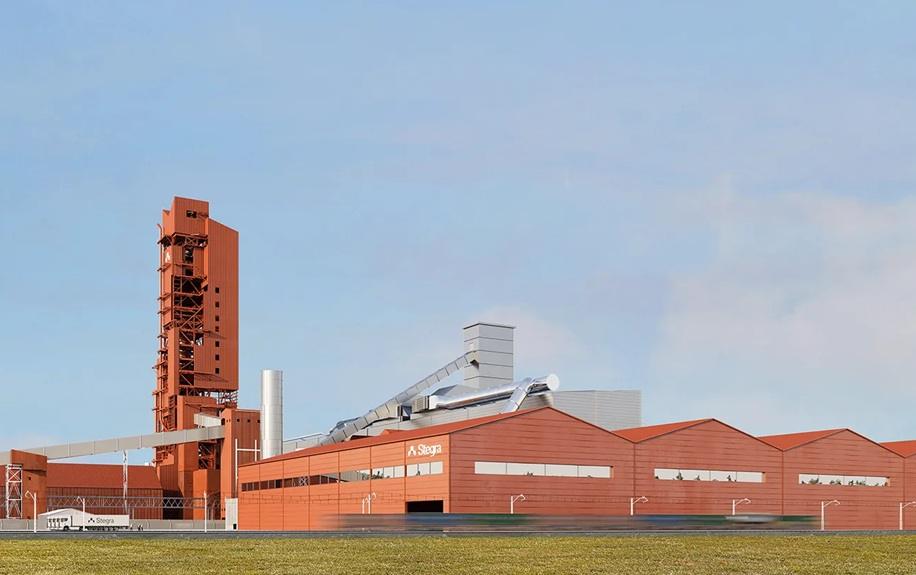
The Boden project is not merely a steel mill but an integrated industrial ecosystem. It includes one of the world’s largest electrolysis plants, which will produce the green hydrogen required for the steelmaking process. By integrating hydrogen production, iron reduction, and steel manufacturing on a single site, Stegra aims to maximize efficiency and minimize the logistical carbon footprint often associated with industrial supply chains.
The Technological Shift: From Coal to Green Hydrogen
The traditional method of producing steel is one of the most carbon-intensive industrial processes on the planet. Conventional blast furnaces rely on coking coal to remove oxygen from iron ore, a process that releases massive quantities of carbon dioxide (CO2). Globally, steel production is responsible for approximately 7% to 9% of all direct fossil fuel emissions.
Stegra’s approach replaces coal with green hydrogen. In a process known as Direct Reduction of Iron (DRI), hydrogen reacts with iron oxide to produce water vapor instead of CO2. This "sponge iron" is then melted in an electric arc furnace (EAF) powered entirely by renewable energy—primarily hydro and wind power, which are plentiful in northern Sweden. This shift allows for the production of steel with up to 95% lower CO2 emissions compared to the traditional blast furnace route.
The energy requirements for such an operation are immense. Stegra’s facility will require gigawatts of renewable power to run its electrolyzers. By securing long-term offtake agreements and certificates with partners like Google, Stegra can more effectively manage the capital-intensive nature of building out this renewable-reliant infrastructure.
Google’s Climate Paradox: AI Growth vs. Net Zero Goals
This agreement comes at a critical juncture for Google’s environmental strategy. The company has set an ambitious "moonshot" goal to achieve net-zero emissions across its entire operations and value chain by 2030. However, recent environmental reports have highlighted the difficulty of maintaining this trajectory in the face of the AI boom.
In 2025, Google reported a 25% year-over-year increase in its Scope 3 emissions—the indirect emissions that occur in a company’s value chain, including the carbon embodied in the materials used to build its offices and data centers. The massive demand for computational power to train and run large language models has necessitated an unprecedented buildout of data centers. These facilities are heavy consumers of steel, which is used in structural frames, reinforced concrete, cooling systems, and server racks.

Adam Elman, Director of Sustainability for Google in Europe, the Middle East, and Africa, noted that decarbonizing "hard-to-abate" sectors like steel requires utilizing every available tool. By moving beyond simple physical procurement and embracing the EAC model, Google is attempting to decouple its infrastructure growth from its carbon footprint.
Economic Context: Financing the Green Transition
The financial landscape for green industrial projects is notoriously challenging. These projects require billions of dollars in upfront capital before a single ton of product is sold. Stegra recently reached a significant milestone by closing a €1.4 billion equity raise, which followed a massive €4.2 billion debt financing package. This capital is intended to finalize the construction of the Boden plant and navigate the "valley of death" between development and commercial operation.
Large-scale corporate commitments like Google’s are essential for the bankability of these projects. When a global tech giant signals its willingness to pay for the environmental attributes of green steel, it creates a market signal that reduces the perceived risk for traditional lenders and equity investors. Henrik Henriksson, CEO of Stegra, emphasized that players like Google have the power to move entire markets toward decarbonized products.
The deal also reflects a broader trend in corporate sustainability where companies are moving away from "avoidance" offsets (such as paying to protect a forest that might have been cut down) toward "removal" or "reduction" credits that directly fund the deployment of new, clean technologies.
Broader Implications for the Global Steel Industry
The Google-Stegra partnership is likely to be viewed as a blueprint for other tech companies and industrial consumers. As the European Union moves forward with the Carbon Border Adjustment Mechanism (CBAM), which will impose a carbon price on imported goods like steel, the economic incentive for green steel is expected to grow.
Furthermore, the use of EACs could help standardize the "green premium" for steel. Currently, the lack of a unified global market for low-carbon materials makes it difficult for producers to justify the higher costs of hydrogen-based production. If more corporations adopt the EAC model, it could lead to the creation of a liquid, transparent market for industrial carbon attributes, much like the one that exists for renewable electricity.

However, challenges remain. The success of the Stegra plant depends on the timely expansion of the Swedish power grid and the continued availability of low-cost renewable energy. Additionally, as more companies seek green steel, there is a risk of a supply-demand imbalance, potentially driving up prices for the very materials needed to build a sustainable economy.
Chronology of Development
To understand the significance of this deal, one must look at the rapid timeline of Stegra’s evolution:
- 2020: H2 Green Steel (now Stegra) is founded with the goal of decarbonizing the steel industry.
- 2021: The company announces plans for the Boden plant and begins securing environmental permits and renewable energy contracts.
- 2022-2023: Stegra signs several preliminary offtake agreements with automotive manufacturers and white goods companies, proving industrial interest.
- Early 2024: The company undergoes a rebranding to Stegra and intensifies its focus on the integrated hydrogen-to-steel value chain.
- September 2024: Stegra closes a landmark €1.4 billion financing round to ensure the completion of the Boden facility.
- September 2026: Google officially joins the fold, signing the EAC agreement to support the plant’s first years of operation.
Conclusion: A Template for Corporate Climate Action
The agreement between Google and Stegra is more than a simple purchase contract; it is a strategic intervention in the global industrial economy. By providing a guaranteed market for Stegra’s early output, Google is helping to de-risk the transition to hydrogen-based metallurgy. For Google, the deal provides a credible, scalable pathway to addressing the embodied carbon in its rapidly expanding physical footprint.
As the 2030 deadline for Google’s net-zero goal approaches, the company’s ability to hit its targets will depend on the success of these types of "clean tech" investments. If the Stegra model proves successful, it could herald a new era of industrial production where the "greenness" of a product is just as tradable and valuable as the physical material itself. This partnership marks a pivotal moment where the world’s most advanced digital companies begin to fundamentally reshape the world’s most traditional heavy industries.
