

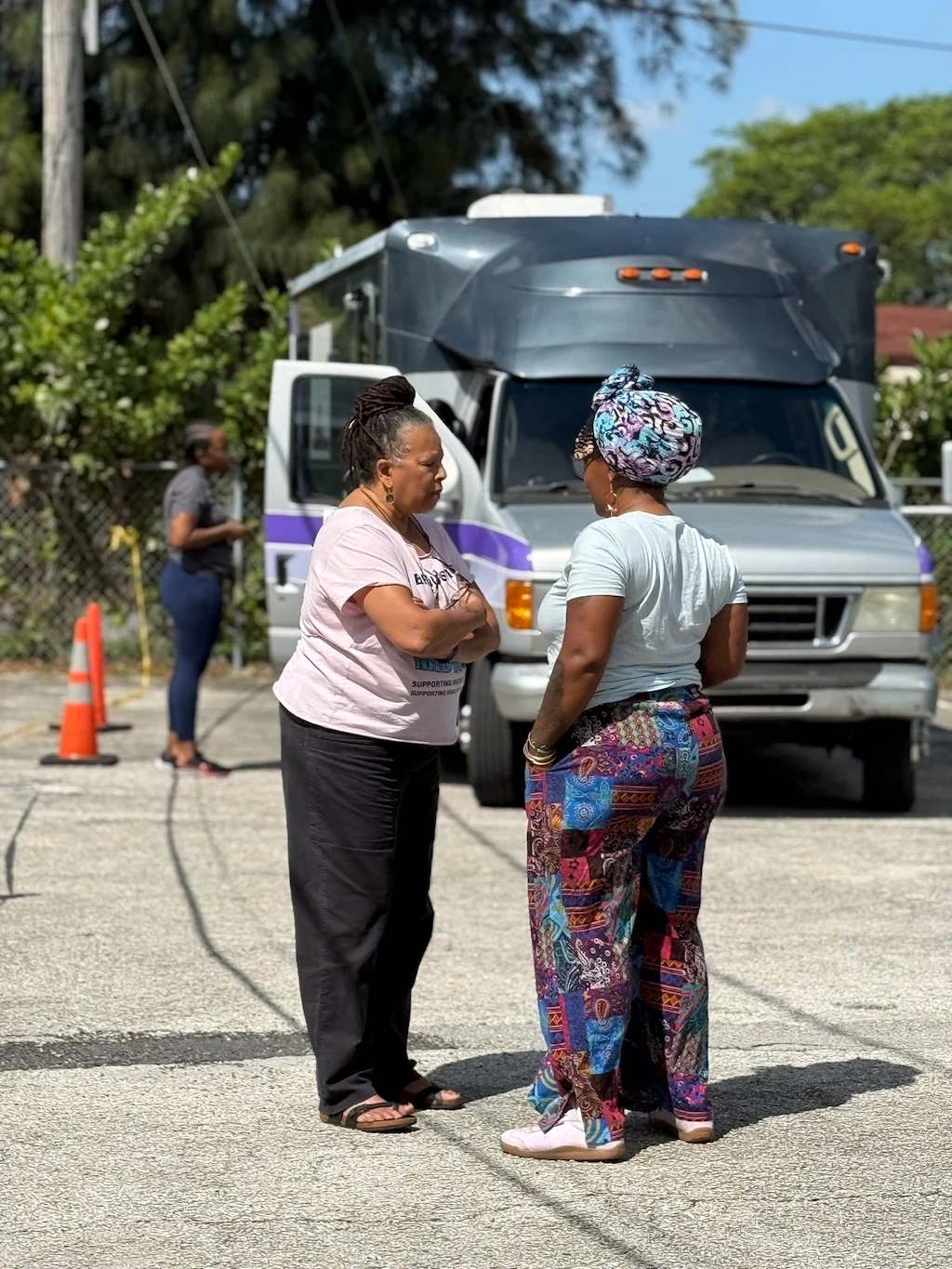
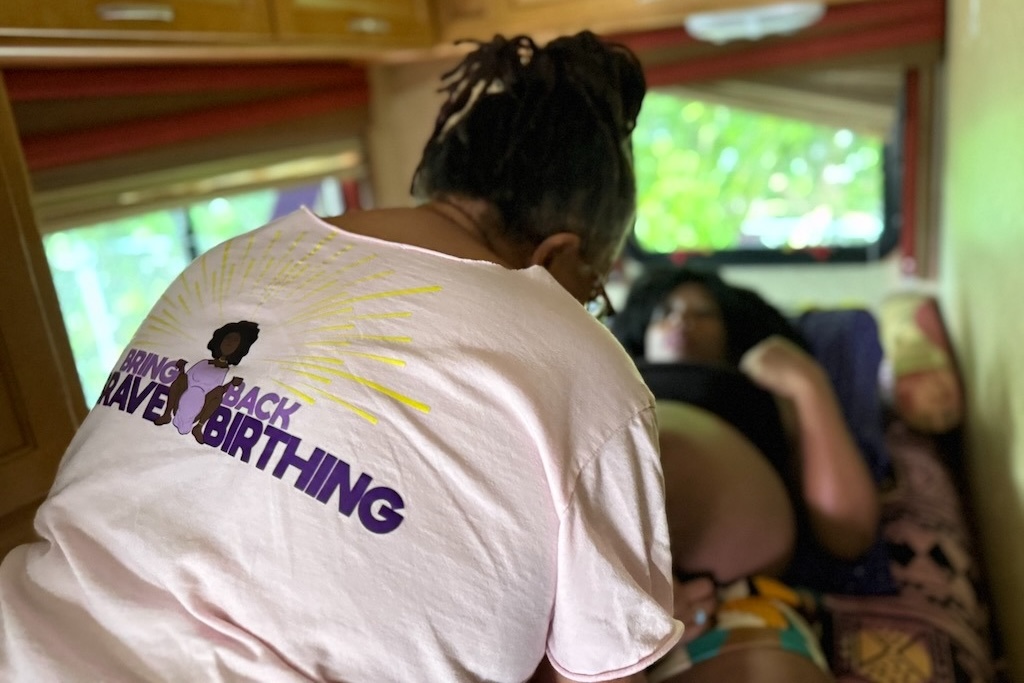
In the heart of Miami-Dade County, a converted recreational vehicle serves as a sanctuary for expectant mothers who have often felt alienated by the traditional healthcare system. Inside, the sterile white walls of a typical doctor’s office are replaced with tie-dyed purple sheets and the soothing presence of Sheila Simms Watson, a veteran midwife known affectionately as "Mama Sheila." This mobile midwifery clinic, operated by the Southern Birth Justice Network (SBJN), represents a grassroots response to a growing national crisis: the staggering rates of maternal mortality and morbidity among Black and Latino women. By bringing prenatal and postpartum care directly into marginalized neighborhoods, the SBJN is not only filling a geographic gap in service but is also working to dismantle the systemic barriers that have long defined the American birthing experience.
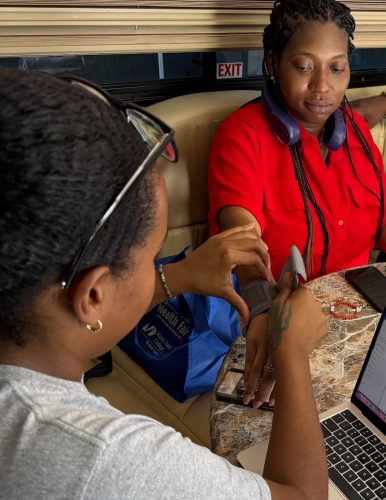
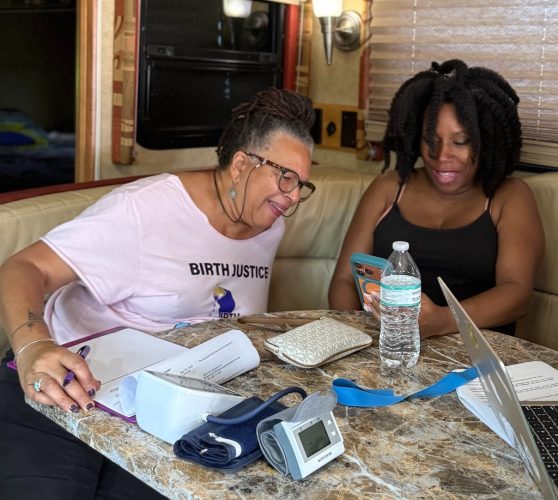
The mobile unit is designed to be a "responsive" model of care, one that prioritizes the comfort and cultural heritage of the patient. Appointments are unrushed, allowing midwives and doulas to delve into the nuances of a patient’s life, from their mental health and sleep patterns to their support systems at home. For patients like Me’Asia Taylor, who is pregnant with her first child and has a family history of pre-eclampsia, the clinic offers a level of attentiveness that is often missing in high-volume hospital settings. Taylor’s desire for a midwife-led birth stems from a common sentiment among women of color: a fear of being dismissed or marginalized during one of the most vulnerable moments of their lives.
The Crisis of Maternal Health and the Florida Landscape
The emergence of mobile midwifery is a direct response to a healthcare landscape that is increasingly failing expectant mothers, particularly those in the South. According to the Centers for Disease Control and Prevention (CDC), the United States maintains maternal mortality rates that are significantly higher than those of other high-income nations. These statistics are even more dire when disaggregated by race. Black women in the U.S. are three times more likely to die from pregnancy-related causes than white women, a disparity that persists regardless of income or education level. Similarly, American Indian and Alaska Native women face death rates twice as high as their white counterparts.
In Florida, the situation is compounded by a burgeoning shortage of OB-GYN providers and the closure of labor and delivery units. In 2023 alone, more than two dozen hospital maternity wards shuttered across the country, including several in South Florida. These closures create "maternity deserts," where patients must travel long distances for basic prenatal checkups or emergency care. For low-income families or those reliant on public transportation, these distances can be insurmountable, leading many to forgo care entirely until they are in active labor.
The SBJN mobile clinic addresses these inequities by operating on a "trust-first" basis. Approximately 70 percent of the clinic’s clients are uninsured or rely on Medicaid. Funded through federal grants, university partnerships, and private donations, the clinic offers its services free of charge, disrupting the perception of midwifery as a "luxury concierge" service and returning it to its roots as a community-centered practice.
A Chronology of Midwifery: From Ancestral Tradition to Institutional Erasure
To understand the mission of the Southern Birth Justice Network, one must look back at the historical trajectory of midwifery in the United States. For centuries, Black midwives, often referred to as "Grand Midwives," were the primary providers of maternal care in the South. Their practices were deeply rooted in West African traditions, combining botanical knowledge with spiritual and community support. During the era of enslavement and the subsequent Jim Crow period, these women were the backbone of healthcare for Black families who were systematically denied access to white hospitals.
The decline of traditional midwifery was not an accidental byproduct of medical progress but rather the result of a deliberate, 20th-century campaign by the emerging medical establishment. Professional medical organizations lobbied state legislatures to implement restrictive licensing laws, often using racist and sexist rhetoric to characterize midwives as "unhygienic" or "ignorant." This movement coincided with the rise of modern obstetrics, a field that, in its infancy, frequently utilized unethical experiments on enslaved Black women to develop surgical techniques.
By the mid-20th century, the "Grand Midwife" tradition had been largely suppressed, and birth was moved almost entirely into the hospital setting. This shift, while introducing life-saving interventions for high-risk cases, also institutionalized the biases that continue to plague the system today. The SBJN’s use of a small drum in their clinic—symbolizing the fetal heartbeat and ancestral reverence—serves as a poignant reminder that their work is a continuation of a long-standing legacy of resistance and healing.
Regulatory Battles and the Push for Independent Practice
While the benefits of midwifery are well-documented—including lower rates of C-sections, fewer preterm births, and higher patient satisfaction—the profession faces significant regulatory hurdles. In many Southern states, midwives are restricted from practicing independently, often required by law to maintain "collaborative agreements" with physicians. Advocates argue that these requirements create unnecessary bottlenecks, particularly in rural areas where physicians are scarce.
The legal landscape is currently shifting as maternal health organizations fight back against these restrictions. The American College of Nurse-Midwives (ACNM) recently filed a lawsuit against the state of Mississippi, challenging laws that limit the autonomy of nurse-midwives. Similarly, Jamarah Amani, the executive director of the Southern Birth Justice Network, has joined a lawsuit in Georgia to challenge similar barriers.
Dr. Jamila Perritt, an OB-GYN and President of Physicians for Reproductive Health, emphasizes that expanding access to midwifery is a clinical necessity. "Expanding collaborations between physicians and midwives only improves outcomes," Perritt noted, highlighting that the integration of midwives into the broader healthcare system could be the key to closing the racial mortality gap.

Cultivating Trust Through Community Engagement
The SBJN mobile clinic does more than provide medical exams; it serves as a hub for community resources and advocacy. On any given Saturday, the RV can be found parked at locations like the Freedom Lab, a community center in Miami that provides food and clothing distribution. Under a purple awning, doulas provide patients with fresh fruit, water, and educational pamphlets on their rights within the Florida healthcare system.
The clinic’s origin story is a testament to the power of mentorship. The mobile unit was originally founded in 2008 by the late midwife Ada "Becky" Sprouse, who used the vehicle to provide free care to migrant farmworkers in Homestead, an agricultural hub in Miami-Dade. Sprouse eventually passed the clinic to Amani, who expanded its scope to include a wider range of services, including telehealth, doula training, and referrals for mental health therapy.
For patients like Isis Daaga, a mental health therapist who is currently 35 weeks pregnant, the clinic is a refuge from previous birth trauma. Daaga recounted a harrowing experience during her first birth at a hospital, where staff reportedly held her knees together to prevent delivery because the attending physician had not yet arrived. The experience left her with physical injuries and a deep-seated distrust of hospital protocols. At the mobile clinic, she feels "seen" and supported, describing it as a safe space where her concerns are validated rather than dismissed.

Broader Implications and the Path Forward
The success of the Southern Birth Justice Network’s mobile model suggests a potential blueprint for addressing maternal health disparities nationwide. By decoupling prenatal care from the traditional hospital infrastructure, providers can reach populations that have been historically excluded. However, the sustainability of such programs depends on a shift in policy and funding.
Professor Ndidiamaka Amutah-Onukagha of Tufts University, a leading maternal health scholar, argues that mobile midwifery "reimagines care as something that should be responsive to the needs of patients." For this model to scale, advocates say that Medicaid reimbursement rates for midwives must be increased and that more states must grant midwives full practice authority.
Looking ahead, the Southern Birth Justice Network is planning a significant expansion. The organization recently acquired a building to open a freestanding birth center, intended to provide a permanent home for community-led births in Miami. They also aim to launch a larger, more advanced RV to reach even more neighborhoods. As the organization grows, its mission remains rooted in the concept of "birth justice"—the idea that every person has the right to a safe, dignified, and culturally centered birthing experience. In the face of a national crisis, the small RV traveling through the streets of Miami-Dade stands as a powerful symbol of what is possible when healthcare is returned to the hands of the community.
