

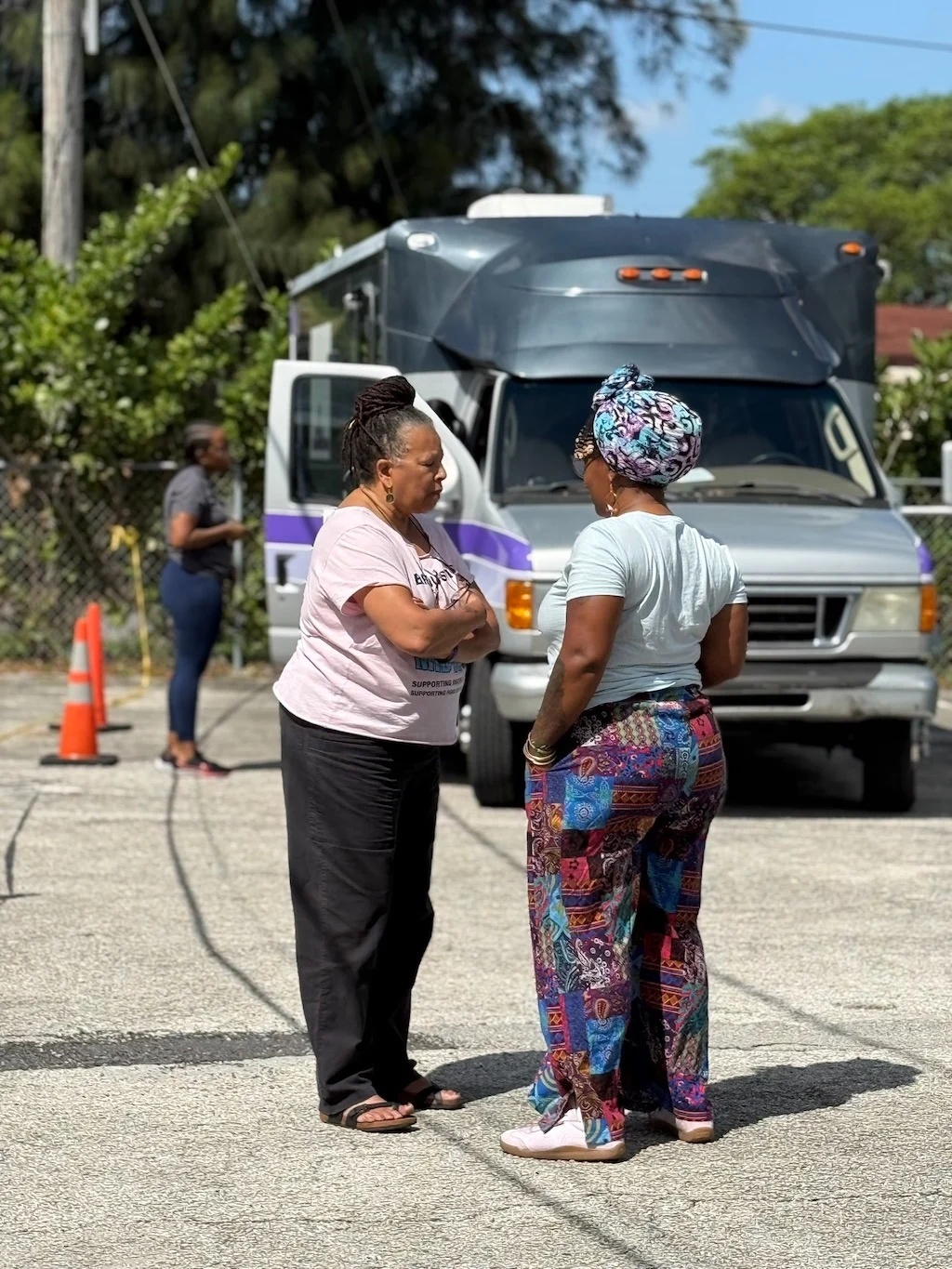
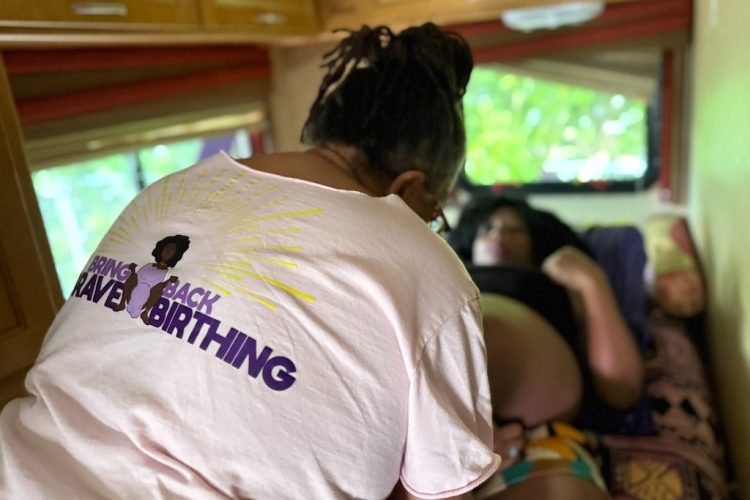
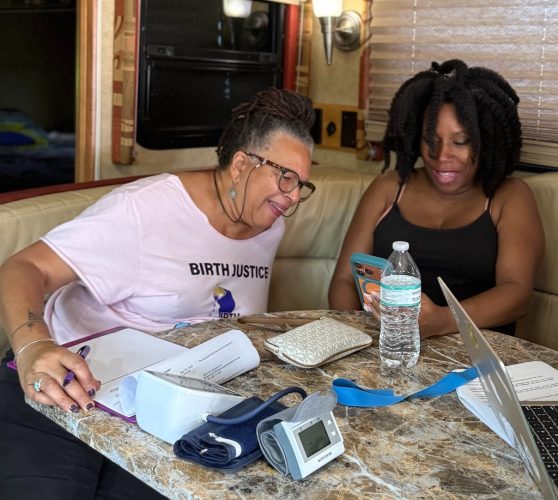
Inside a specially outfitted RV parked in the heart of Miami-Dade County, the clinical environment is replaced by the soft hum of meditation music and the comfort of tie-dyed purple sheets. This mobile unit, operated by the Southern Birth Justice Network (SBJN), represents a radical shift in maternal healthcare delivery, offering free prenatal and postpartum services to predominantly Black and Latino neighborhoods. As maternal mortality rates in the United States continue to climb, particularly among women of color, grassroots initiatives like this one are stepping in to fill the widening gaps left by hospital closures and systemic medical biases.
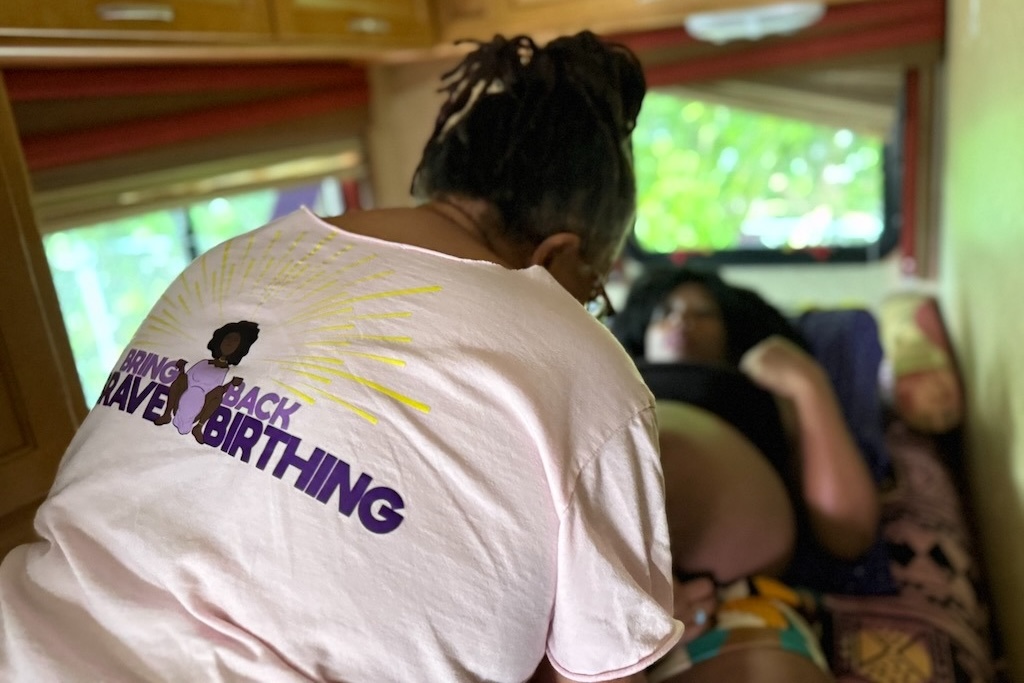
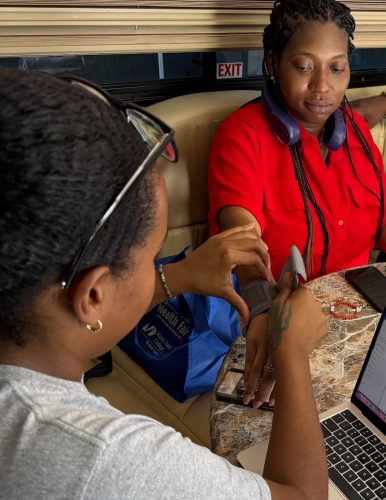
The clinic is led by practitioners like Sheila Simms Watson, known affectionately to her patients as "Mama Sheila." Unlike the often-rushed atmosphere of a traditional hospital setting, appointments here are characterized by a slow, attentive pace. Midwives and doulas take the time to not only monitor vitals like blood pressure and fetal heart rates but also to inquire about a patient’s mental health, domestic support systems, and cultural preferences for birth. For many residents in South Florida’s maternal health "deserts," this mobile clinic is not just a convenience; it is a vital lifeline.
The National Crisis: Maternal Mortality and Racial Disparity
The emergence of mobile midwifery in Florida arrives against a backdrop of a national public health crisis. The United States maintains the highest maternal mortality rate among high-income nations, a statistic that is compounded by stark racial inequities. According to data from the Centers for Disease Control and Prevention (CDC), Black women are three times more likely to die from pregnancy-related causes than white women. These disparities persist regardless of income or education level, leading researchers to point toward systemic issues such as implicit bias, unequal access to quality prenatal care, and the chronic stress of structural racism.
In Florida, the situation is particularly acute. The state has seen a significant decline in the number of hospital labor and delivery units. In 2023 alone, more than two dozen such units closed across the country, including several in South Florida. When a hospital closes its maternity ward, the surrounding community often becomes a maternal care desert, forcing pregnant patients to travel long distances for routine checkups. For those without reliable transportation or flexible work schedules, these barriers often lead to skipped appointments, increasing the risk of undiagnosed complications like pre-eclampsia or gestational diabetes.
The Southern Birth Justice Network’s mobile clinic aims to disrupt this cycle by removing the logistical hurdles of traditional care. By bringing the clinic to the patient, the organization addresses the "complex systems" that Ndidiamaka Amutah-Onukagha, a maternal health scholar at Tufts University, argues patients are too often forced to navigate alone.
A Chronology of Care: From Homestead to the Freedom Lab
The origins of this mobile clinic trace back to approximately 2008, when the late midwife Ada “Becky” Sprouse recognized a desperate need for maternal care among migrant farmworkers in Homestead, an agricultural hub in Miami-Dade County. Sprouse began driving an RV to the fields, providing free care to women who, due to their immigration status or lack of insurance, were largely excluded from the healthcare system.
Upon her passing, the mission was handed to Jamarah Amani, a midwife and the current executive director of the Southern Birth Justice Network. Amani relaunched the mobile unit with an expanded scope, targeting a broader range of underserved neighborhoods in Miami. Today, the clinic frequently stations itself at the Freedom Lab, a community center that serves as a hub for social services, including food distribution and urgent care.
The evolution of the clinic reflects a growing movement to return to community-centered birthing models. SBJN has grown from a local outreach program into a multifaceted advocacy group that trains doulas, offers telehealth services, and provides referrals for mental health therapy. The organization is currently in the process of expanding further, having recently purchased a building to open a freestanding birth center and planning the acquisition of a larger, more advanced RV.
The Historical Legacy of Black Midwifery
The work of the Southern Birth Justice Network is deeply rooted in the history of "Granny Midwives"—Black women who were the primary providers of maternal care in the rural South for centuries. Drawing on West African traditions, these midwives were often the only source of healthcare for both Black and white families during the Jim Crow era, when Black Americans were systematically denied entry to hospitals.
However, the early 20th century saw a concerted effort by the medical establishment to professionalize obstetrics by marginalizing and criminalizing midwifery. Racist and sexist campaigns often portrayed community midwives as unhygienic or "barbarous" to steer patients toward hospital births. This shift not only displaced Black women from leadership roles in community health but also coincided with a period where medical experimentation was frequently conducted on Black women without their consent—a history that the American College of Obstetricians and Gynecologists (ACOG) has only recently begun to formally acknowledge and address.
For Amani and Watson, the mobile clinic is a form of "ancestral reverence." The small drum kept at the clinic’s booth symbolizes the heartbeat and the cultural continuity of the profession. By reclaiming this space, they aim to restore the trust that was fractured by decades of institutionalized medical neglect.
Patient Perspectives: Trust as a Metric of Success
For many patients, the decision to seek care at the mobile clinic is driven by previous negative experiences within the traditional medical system. Isis Daaga, a 35-year-old mental health therapist and mother, sought out Amani’s team after a traumatic hospital birth. Daaga recalled a harrowing experience where hospital staff allegedly held her knees together to prevent delivery because the attending physician had not yet arrived.
"They were like, ‘the doctor’s not here yet,’ and the nurses were scared to deliver the baby," Daaga said. The resulting delay led to a severe perineal tear. In the mobile clinic, however, Daaga reports feeling a level of support that is absent in high-volume clinical settings. "It’s a safe space. You’re not judged here," she noted, adding that the midwives frequently check in on her via text and phone calls, ensuring she feels seen and heard throughout her pregnancy.
Similarly, Me’Asia Taylor, who is pregnant with her first child, turned to the mobile clinic to manage her concerns about pre-eclampsia, a condition that runs in her family. Taylor expressed a common sentiment among women of color: a fear of being dismissed by doctors. The unrushed nature of the RV appointments allows her the space to voice her anxieties and participate actively in her own care plan.

Regulatory Battles and the Future of Midwifery
While the benefits of midwifery are well-documented—including lower rates of C-sections and preterm births—the practice faces significant regulatory hurdles in the United States, particularly in the South. Many states require midwives to enter into "Collaborative Practice Agreements" with physicians, a rule that advocates argue gives doctors de facto veto power over a midwife’s ability to practice.
The American College of Nurse-Midwives recently filed a lawsuit against Mississippi over these restrictions, and Jamarah Amani has joined a similar legal challenge in Georgia. Supporters of these regulations argue they are necessary for patient safety and to ensure a seamless transition to a hospital if complications arise. However, maternal health advocates like Dr. Jamila Perritt, an OB-GYN and CEO of Physicians for Reproductive Health, argue that expanding access to midwifery care is essential for closing health equity gaps.
"Expanding access to midwifery care, and expanding collaborations between physicians and midwives, only improves outcomes," Perritt stated, emphasizing that the integration of these models is a key solution to the maternity care crisis.

Economic Sustainability and Community Impact
The Southern Birth Justice Network operates on a model designed for maximum accessibility. Approximately 70 percent of their clients are either on Medicaid or completely uninsured. To maintain this "luxury concierge-type of service" for free, the organization relies on a combination of federal and university grants, as well as private donations.
The impact of such a model extends beyond individual births. By providing culturally centered care, the clinic helps to mitigate the effects of "weathering"—a term coined by researcher Arline Geronimus to describe the premature biological aging of Black women due to the cumulative impact of social and economic adversity. When a patient feels safe and supported, their physiological stress levels decrease, which can lead to better birth outcomes and healthier infants.
As the Southern Birth Justice Network prepares to open its permanent birth center in the coming year, the mobile RV remains a symbol of the organization’s commitment to meeting the community where it is. In the face of a healthcare system that often feels impenetrable and indifferent, this small clinic on wheels offers a blueprint for a more equitable and compassionate future in maternal health.
