

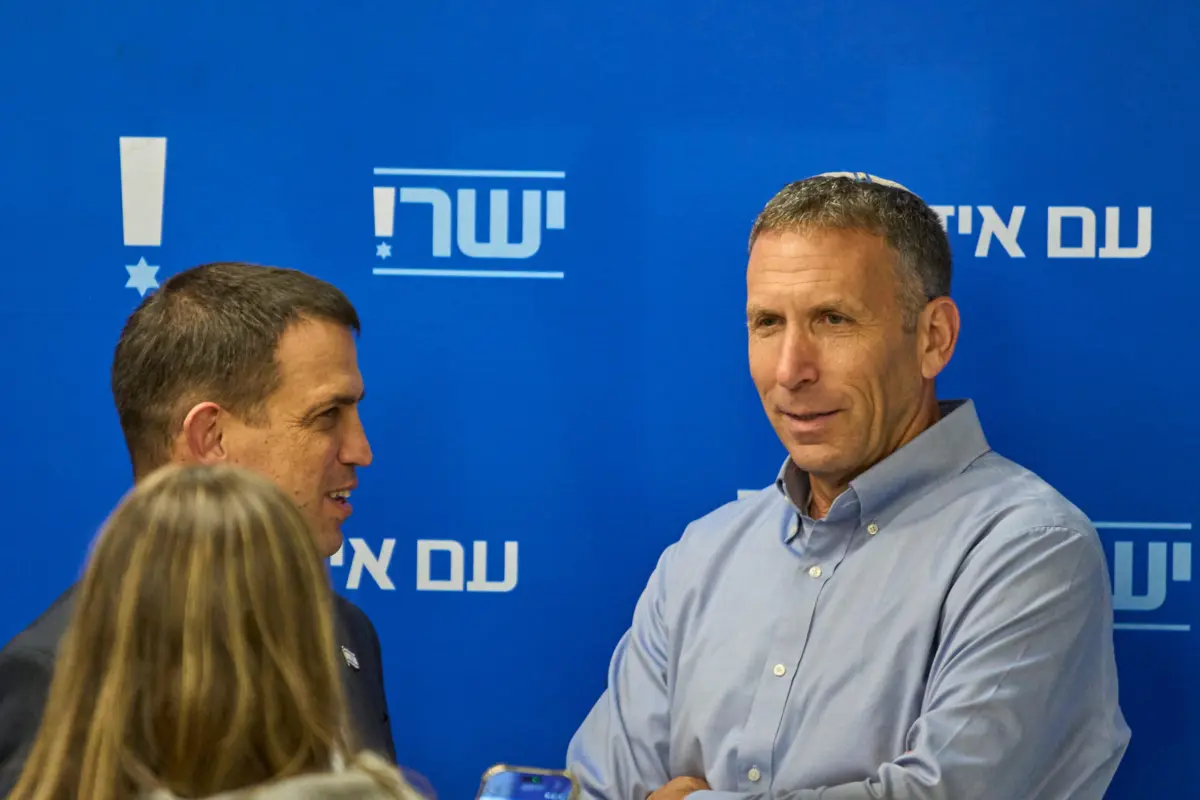
The Israeli Knesset underwent a seismic shift in its internal power structure on Tuesday as lawmakers elected Matan Kahana as the new Speaker of the Parliament. The move, which saw the 54-year-old former special forces officer and government minister secure 66 votes in the 120-member chamber, represents a critical first step for the political bloc led by Gadi Eisenkot. The election of Kahana is widely viewed as the opening salvo in an organized effort to systematically dismantle the contentious domestic policies and judicial overhauls implemented during the tenure of outgoing Prime Minister Benjamin Netanyahu.
Kahana’s victory followed a marathon seven-hour session characterized by heated exchanges and procedural maneuvering. Netanyahu’s Likud party had championed Ofir Katz for the position, but Katz’s candidacy faltered, garnering only 52 votes. The result underscores the shifting alliances within the Knesset following the October 27 parliamentary elections, where the traditional right-wing dominance was challenged by a diverse coalition of centrist, liberal, and Arab-majority parties.
The Strategic Importance of the Knesset Speaker
In the Israeli parliamentary system, the Speaker of the Knesset is far more than a ceremonial figurehead. The office holds significant gatekeeping authority, wielding the power to set the legislative agenda, determine the timing of floor debates, and influence the speed at which specific bills move through committees. By controlling the parliamentary timetable, the Speaker can effectively bury government-sponsored legislation or fast-track opposition bills.
For the Eisenkot-led bloc, securing the Speaker’s chair was a prerequisite for governance. Without this control, Netanyahu’s Likud and its remaining allies could have utilized procedural delays to obstruct the formation of a new government and prevent the reversal of previous laws. Kahana’s inauguration speech struck a tone of national reconciliation, though it was framed against a backdrop of deep political division. "I will be a Knesset speaker for everyone, irrespective of race, religion, or gender," Kahana stated, addressing a chamber that has been marred by three years of intense polarization.
Chronology of the Political Transition
The path to Kahana’s election began with the inconclusive results of the October 27 elections. While Netanyahu’s Likud remained the largest single party with 53 seats, he was unable to secure a governing majority. Gadi Eisenkot’s Yashar party and its immediate allies secured 48 seats. The deadlock was broken when two Arab-majority slates, which won an unprecedented 19 seats, signaled their willingness to support Eisenkot’s bloc to prevent another Netanyahu-led administration.
On November 7, the President of Israel officially tasked Gadi Eisenkot with the mandate to form a government, bypassing Netanyahu despite the Likud leader’s slightly higher seat count. The President’s decision was rooted in the assessment that Eisenkot had a more viable path to a 61-seat majority through a "government of national healing."
On November 15, representatives from Likud and Yashar met to discuss a potential unity government. However, the talks stalled almost immediately. Both Netanyahu and Eisenkot insisted on holding the Prime Minister’s office first in any rotation agreement, and their fundamental disagreements over the judiciary and security probes proved insurmountable. By Tuesday, the battle moved to the Knesset floor, where the election of the Speaker served as a proxy for a confidence vote in the emerging Eisenkot coalition.
Reversing the Judicial Overhaul and Restoring Independence
The primary objective of the new parliamentary leadership is the rescission of the judicial reforms passed under the Netanyahu government. These reforms, which sought to limit the "reasonableness" standard used by the Supreme Court and give the executive branch more control over judicial appointments, sparked the largest protest movement in Israel’s history.
Eisenkot and Kahana have argued that these changes undermined the checks and balances essential to Israeli democracy. Netanyahu’s critics have long alleged that the judicial overhaul was a personal project designed to shield him from ongoing corruption trials, which include charges of bribery, fraud, and breach of trust. By controlling the Knesset agenda, Kahana is expected to move quickly—potentially as early as Wednesday—to introduce legislation that would restore the Supreme Court’s previous authorities.
Supporting data suggests that the Israeli public remains deeply divided on this issue, but a slim majority in recent polling indicates a preference for a return to the judicial status quo to stabilize the national economy and social fabric.
The October 7 Inquiry and National Security
A second pillar of the Eisenkot-Kahana agenda is the establishment of a state commission of inquiry into the security and intelligence failures surrounding the Hamas attack on October 7, 2023. Since the attack, Netanyahu has resisted the formation of an independent commission, arguing that such an investigation should only take place after all military conflicts have concluded. Instead, he proposed a political committee whose members would be appointed by the government itself.
Eisenkot, a former Chief of Staff of the Israel Defense Forces (IDF), has made the inquiry a non-negotiable condition of his leadership. He argues that national security cannot be restored without a transparent, non-partisan accounting of the failures that led to the breach of the Gaza border. As Speaker, Kahana will have the authority to prioritize the legislation required to empower a commission led by a retired Supreme Court justice, a move that Netanyahu’s allies have vowed to fight.
The Role of the Arab-Israeli Blocs
One of the most significant developments in this legislative cycle is the "kingmaker" role played by the 19 members of the Arab-majority slates. Their decision to vote for Kahana was driven by a desire to oust a government they viewed as increasingly hostile to the interests of the Arab sector, particularly regarding housing rights, crime in Arab communities, and the controversial Nation-State Law.
While the Arab parties are not expected to formally join a coalition that includes right-wing religious elements, their support for Kahana indicates a pragmatic shift. By voting for a Speaker from the Eisenkot bloc, they have ensured that the Knesset will no longer be dominated by the hard-right agenda of Netanyahu’s previous partners, such as the Otzma Yehudit and Religious Zionist parties.
Matan Kahana’s Political Profile
Matan Kahana is a unique figure in the Yashar party. An observant Jew and a former F-16 navigator and commander in the elite Sayeret Matkal unit, he bridges the gap between the secular liberal base of Eisenkot and the religious-Zionist camp. During his previous tenure as Minister of Religious Services (2021–2022), Kahana gained a reputation as a reformer. He attempted to break the monopoly of the Chief Rabbinate on kosher certification and conversion processes, arguing that competition and transparency would strengthen the Jewish character of the state rather than weaken it.
His background makes him a formidable opponent for Netanyahu’s ultra-Orthodox allies. Because Kahana speaks the language of the religious right but advocates for a more pluralistic approach to state-and-religion issues, he is viewed as a threat to the traditional power structures that have supported Netanyahu for decades.
International and Geopolitical Implications
The change in Knesset leadership comes at a time of heightened regional tension. Netanyahu has recently focused his rhetoric on the threat from Iran, reportedly lobbying US President Donald Trump to take a more aggressive military stance against Tehran’s nuclear program. Netanyahu has used the Iranian threat as a domestic political tool, arguing that only he has the experience to lead Israel through a potential regional war.
The Eisenkot bloc, while equally hawkish on Iranian enrichment, advocates for a more coordinated approach with Western allies and a focus on restoring domestic stability first. The election of Kahana signals to the international community that the Israeli legislature may be moving toward a more predictable and less populist foreign policy. However, the transition remains fragile. If Eisenkot fails to finalize a government within his allotted timeframe, the country could face a sixth election in a few short years, further prolonging the political instability.
Future Outlook and Legislative Hurdles
While the election of Matan Kahana is a major victory for the opposition-turned-incipient-government, the path ahead is fraught with difficulty. The Likud party remains a potent force with 53 seats and has already signaled its intent to use every parliamentary tool available to obstruct Kahana’s agenda.
The "stormy debate" that preceded Tuesday’s vote is a precursor to the battles likely to occur over the national budget and the proposed judicial reversals. To succeed, Kahana will need to maintain the discipline of a highly diverse bloc that includes everyone from staunch secularists to religious conservatives and Arab nationalists.
As Kahana takes the gavel, the immediate focus shifts to the formation of the cabinet. With the Speakership secured, Eisenkot now has the legislative machinery necessary to protect a new government from immediate collapse. The coming weeks will determine whether this shift is a permanent realignment of Israeli politics or a brief intermission in the Netanyahu era. For now, the election of Matan Kahana stands as a definitive marker that the legislative tide in Israel has turned.
