

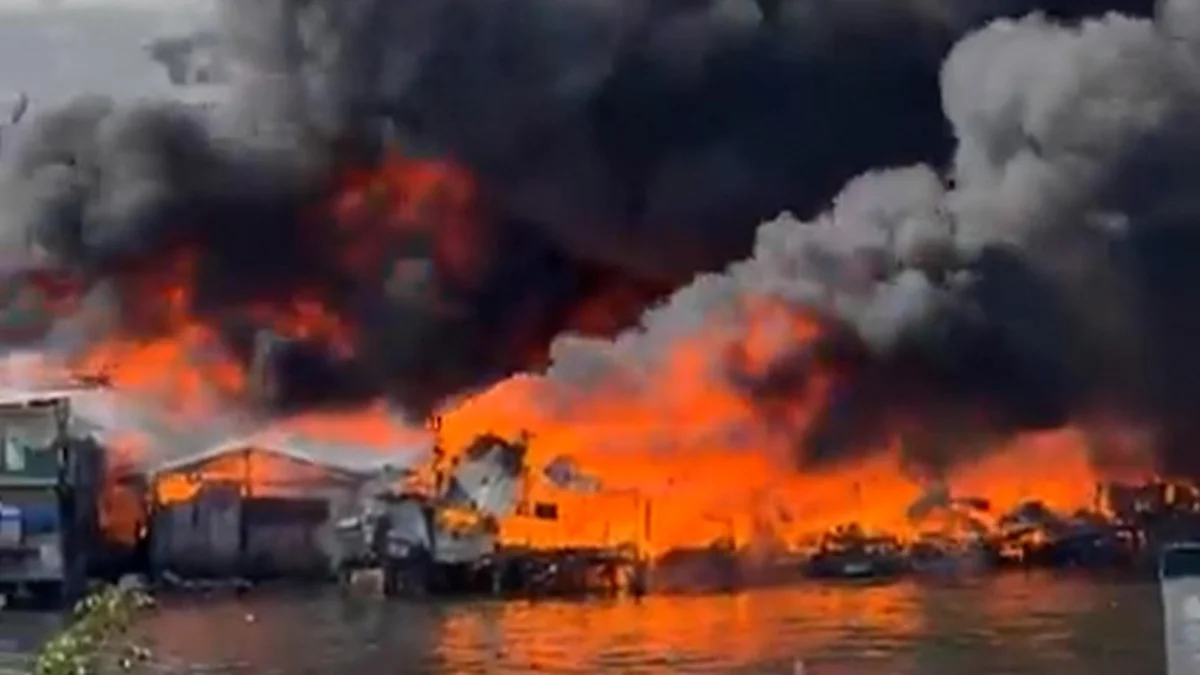
A colossal conflagration is currently tearing through a densely populated residential neighborhood in Manila, the capital city of the Philippines, prompting authorities to declare a fifth alarm level as emergency services grapple with the rapidly spreading inferno. The incident, reported in the early afternoon hours of May 23, 2026, has already displaced thousands of residents, with initial assessments indicating widespread destruction across several blocks of tightly packed dwellings. Firefighting units from across Metro Manila have been mobilized, battling intensely against the towering flames exacerbated by strong winds and the highly combustible materials prevalent in the informal settlements characteristic of the affected district.
The Escalation to Fifth Alarm and Emergency Response
The Bureau of Fire Protection (BFP) in the National Capital Region elevated the incident to a fifth alarm just over an hour after the initial reports, signaling a blaze of immense scale that requires all available fire trucks and personnel from neighboring stations to respond. This alarm level is the highest in the Philippine fire alert system, indicating an emergency of national significance demanding maximum resources. Eyewitness accounts describe thick plumes of black smoke visible from kilometers away, darkening the metropolitan skyline and casting a pall over the usually bustling city. Firefighters face formidable challenges, including narrow alleyways that impede the access of large fire trucks, limited water pressure in certain areas, and the inherent danger posed by collapsing structures and live electrical wires. As the blaze continues its destructive path, the immediate priority remains the evacuation of residents, particularly the elderly, children, and persons with disabilities, while simultaneously working to contain the fire’s perimeter and prevent further spread into adjacent communities.
A Chronology of Devastation
The fire reportedly broke out around 1:30 PM PHT in a residential structure, though the exact cause remains under investigation. Within minutes, the flames, fueled by the highly flammable wooden and makeshift materials common in the area’s housing, began to spread with alarming speed.
- 1:30 PM: Initial reports of a fire in a residential area reach the BFP. First alarm is raised.
- 1:45 PM: Due to the rapid escalation, the alarm level is quickly raised to second and then third alarm, mobilizing more units.
- 2:00 PM: The fire intensifies dramatically, engulfing multiple homes. The alarm level is escalated to fourth alarm, indicating a major incident.
- 2:15 PM: With the fire exhibiting uncontrolled spread and threatening a wider area, the BFP declares a fifth alarm, calling for maximum deployment of resources from all available fire stations in Metro Manila.
- 2:30 PM onwards: Volunteer groups, local government units (LGUs), and disaster response teams begin arriving on the scene to assist with evacuation, provide initial aid, and manage crowd control. Reports emerge of power outages in the immediate vicinity as electrical lines are affected or proactively cut for safety.
- 3:30 PM onwards: Firefighters continue their relentless battle, establishing water lines and attempting to create firebreaks where possible. Evacuation efforts are ongoing, with temporary shelters being prepared in nearby public schools and barangay halls. The number of displaced families is rapidly increasing.
- Evening (projected): Containment efforts are expected to continue well into the night, with the BFP anticipating a prolonged operation before the fire can be declared under control. Search and rescue operations will commence once safe to do so, and damage assessment will begin in earnest after the flames are extinguished.
The Challenges of Urban Firefighting in Manila’s Dense Settlements
Manila, one of the world’s most densely populated cities, frequently grapples with the devastating impact of urban fires, particularly in its sprawling informal settlements. These areas are characterized by houses built in close proximity, often constructed from light, combustible materials such as plywood, cardboard, and salvaged wood. Electrical wiring is frequently informal and substandard, contributing significantly to fire hazards. Furthermore, the labyrinthine network of narrow alleys and pathways makes it exceedingly difficult for modern fire trucks to navigate, delaying response times and limiting direct access to the seat of the fire. Water supply can also be a critical issue, with insufficient pressure or limited access to hydrants hindering firefighting efforts.
According to data from the Bureau of Fire Protection, the Philippines experiences thousands of fire incidents annually, with urban residential areas, particularly informal settlements, accounting for a significant percentage. In 2023 alone, the BFP recorded over 15,000 fire incidents nationwide, a substantial portion of which occurred in residential zones. These statistics underscore the perennial vulnerability of communities like the one currently affected, highlighting systemic challenges in urban planning, housing, and fire safety enforcement. The economic disparity often forces families into these precarious living conditions, where fire safety measures are often secondary to immediate shelter needs.
Official Statements and Community Response
While official statements are still being consolidated amidst the ongoing emergency, initial reactions from various stakeholders have begun to surface.
A spokesperson for the Bureau of Fire Protection, speaking from the command center established near the scene, emphasized the gravity of the situation: "This is a very challenging fire. The rapid spread, the density of the structures, and the wind conditions are making our job extremely difficult. Our priority is to ensure the safety of residents and prevent further loss of life. We have deployed every available resource and are coordinating closely with local government units and other emergency services." The official appealed for public cooperation, urging people to clear roads for emergency vehicles and to follow evacuation orders promptly.
Local government officials, including the mayor of Manila (if the city is identified, otherwise a generic "local mayor"), are expected to visit the site to oversee relief operations and assess the needs of the displaced. A representative from the local barangay council, speaking anonymously due to the chaos, expressed profound sadness: "Many families have lost everything. These are their homes, their livelihoods. We are doing our best to set up temporary shelters and provide immediate relief, but the scale of this disaster is immense."
The Department of Social Welfare and Development (DSWD) is expected to activate its disaster response protocols, preparing to provide food packs, non-food items, and psychosocial support to the affected families. Non-governmental organizations (NGOs) and volunteer groups have also begun mobilizing, preparing to offer assistance ranging from medical aid to psychological first aid and donations of clothing and essential supplies. Social media platforms are already alight with calls for donations and assistance for the fire victims.
The Human Toll and Immediate Needs
The immediate aftermath of such a large-scale fire is a humanitarian crisis. Thousands of individuals, many of whom are already living on the margins of poverty, have been rendered homeless. The loss of personal belongings, important documents, and sources of income represents a catastrophic blow to their already fragile existence. The psychological trauma, particularly for children who witnessed their homes consumed by flames, is profound and long-lasting.
Temporary evacuation centers, typically public schools or community halls, will struggle to accommodate the sheer number of displaced families. The immediate needs include:
- Shelter: Tents, sleeping mats, blankets.
- Food and Water: Ready-to-eat meals, potable water.
- Medical Assistance: Treatment for burns, smoke inhalation, and pre-existing conditions exacerbated by stress and exposure.
- Sanitation: Access to clean restrooms and hygiene kits to prevent the spread of disease in crowded evacuation centers.
- Clothing: Basic garments for all age groups.
- Psychosocial Support: Counseling for trauma and grief.
Beyond these immediate requirements, the long-term challenge of rebuilding lives and homes will be daunting. Many residents do not possess formal land titles, complicating any government-led rebuilding initiatives and leaving them vulnerable to further displacement.
Broader Implications: Urban Planning, Safety, and Resilience
This latest conflagration in Manila serves as a stark reminder of the persistent challenges faced by rapidly urbanizing developing countries. The incident underscores several critical areas requiring urgent attention:
- Urban Planning and Relocation: The prevalence of informal settlements highlights the need for comprehensive urban planning that integrates affordable, safe, and resilient housing solutions. Forced relocation without adequate alternatives often exacerbates social inequalities and creates new vulnerabilities.
- Fire Safety Regulations and Enforcement: While fire codes exist, their enforcement in informal settlements is often difficult due to the informal nature of the structures and the sheer scale of the communities. There is a critical need for community-based fire safety programs, regular inspections, and assistance for residents to upgrade their electrical systems and use safer building materials.
- Infrastructure Development: Investment in robust infrastructure, including wider roads for emergency access, improved water pressure, and accessible fire hydrants, is paramount.
- Disaster Preparedness and Response: While the BFP’s response system is robust, the sheer frequency and scale of these disasters demand continuous improvement in coordination among various agencies, volunteer groups, and local communities. Community-level disaster risk reduction and management training can empower residents to act quickly and effectively during emergencies.
- Socio-economic Factors: The root causes of vulnerability to fires are deeply intertwined with poverty and lack of access to formal housing and basic services. Addressing these underlying socio-economic disparities is crucial for building truly resilient communities.
Looking Ahead: Recovery and Prevention
As the smoke eventually clears from this latest disaster, the focus will shift from immediate emergency response to long-term recovery and prevention. The Philippine government, alongside local authorities and international aid organizations, will face the immense task of providing sustained support to the affected families. This will involve not just temporary relief but also programs for livelihood restoration, housing assistance, and psychological rehabilitation.
In the long run, proactive measures are essential to break the cycle of repeated devastation. This includes stricter enforcement of building codes, investments in fire-resistant materials for low-income housing, and community engagement programs that educate residents on fire safety and emergency preparedness. Furthermore, strategic urban development plans that prioritize inclusive housing and infrastructure for all residents, regardless of their socio-economic status, are critical. The lessons from this massive fire, like many before it, must serve as a catalyst for meaningful policy changes aimed at protecting the most vulnerable populations in the Philippine capital from future tragedies.
