

Dow Jones futures are poised to open Sunday evening, signaling the commencement of trading for the week ahead, with S&P 500 futures and Nasdaq futures following suit. This traditional Sunday evening opening offers an initial glimpse into market sentiment following a tumultuous prior week. Investors are closely monitoring a complex interplay of geopolitical developments, particularly President Donald Trump’s Saturday assertion regarding an imminent U.S.-Iran deal, alongside the anticipation surrounding the Federal Reserve’s first meeting under its new Chairman, Kevin Warsh, scheduled for June 16-17. These macro-level factors are set against a backdrop of ongoing, significant volatility within the stock market, largely driven by dynamic shifts in sentiment surrounding artificial intelligence (AI) stocks.
The financial markets concluded the previous week with notable swings, characterized by both robust gains in the technology sector, particularly among companies perceived as leaders in AI innovation, and broader market corrections influenced by economic data and geopolitical jitters. The interconnectedness of global markets means that developments across policy, international relations, and technological advancement are immediately reflected in futures trading, setting the tone for the full trading week.
Market Overview and Futures Outlook
The weekend’s developments, particularly the unconfirmed U.S.-Iran deal and the looming Federal Reserve meeting, are expected to heavily influence the opening trajectory of futures markets. Futures contracts, which are agreements to buy or sell an asset at a predetermined price on a specified future date, serve as critical barometers for investor sentiment before regular trading hours begin. Their movements often predict the direction of major indices when Wall Street opens.
The past week saw a "wild" period, as described by market analysts, largely due to the intense speculation and rapid re-evaluation of companies at the forefront of the artificial intelligence revolution. This volatility, marked by significant intraday price swings and sector rotations, underscores the current market’s sensitivity to both technological breakthroughs and broader economic signals. A strong performance in tech-heavy indices like the Nasdaq 100 has often masked underlying caution in other sectors, creating a bifurcated market environment. The upcoming futures open will reveal how investors are processing the latest information, particularly the geopolitical pronouncement from the White House, before the broader market can react.
Geopolitical Tensions: The U.S.-Iran Deal Narrative
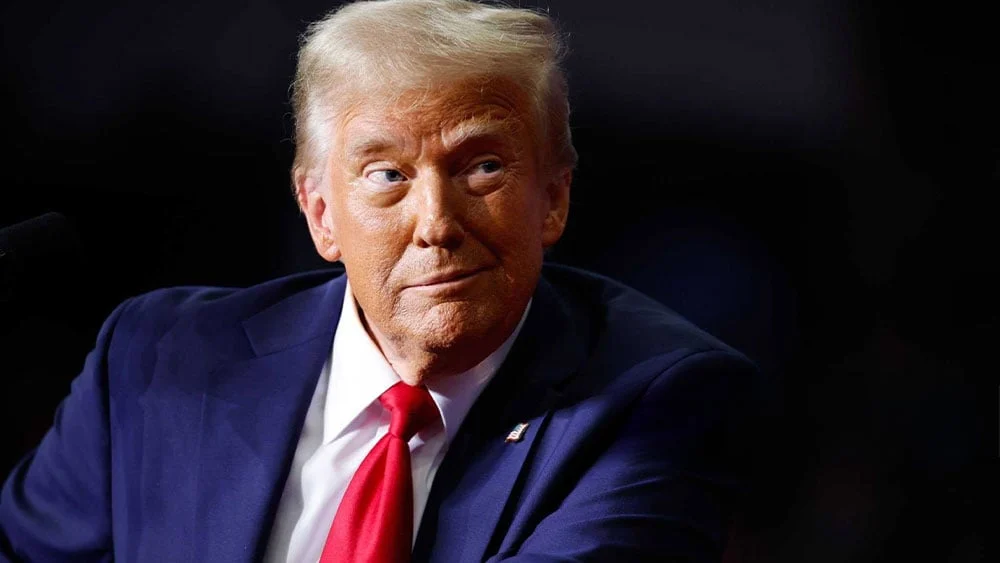
On Saturday, President Donald Trump made a striking statement, indicating that a U.S.-Iran deal "would get signed" on Sunday. This declaration immediately sent ripples through global capitals and financial markets, given the long-standing and often fraught relationship between the two nations. However, by Sunday evening, no official confirmation of such a signing had emerged, leaving the status of the alleged agreement ambiguous and adding a layer of uncertainty to the market open.
Background Context:
The history of U.S.-Iran relations has been marked by periods of intense hostility, particularly following the 1979 Iranian Revolution. Tensions escalated significantly after the Trump administration’s 2018 withdrawal from the Joint Comprehensive Plan of Action (JCPOA), commonly known as the Iran nuclear deal. This withdrawal led to the re-imposition of stringent U.S. sanctions targeting Iran’s oil exports, financial sector, and other key industries, aiming to pressure Tehran into negotiating a more comprehensive agreement addressing its nuclear program, ballistic missile development, and regional proxy activities. Iran, in response, gradually scaled back its commitments under the JCPOA, leading to concerns about its nuclear capabilities.

Throughout Trump’s presidency, his administration maintained a "maximum pressure" campaign, characterized by economic sanctions and occasional military posturing. This approach often led to brinkmanship, with moments of heightened tension in the Persian Gulf and broader Middle East. The prospect of a new deal, especially one described as imminent, would represent a significant diplomatic breakthrough, potentially altering the geopolitical landscape of the region.
Implications of a Potential Deal:
Should a deal materialize, its specifics would be paramount. A comprehensive agreement could entail significant economic relief for Iran in exchange for verifiable restrictions on its nuclear program and potentially a de-escalation of its regional activities.
- Oil Markets: A major implication would be for global oil markets. If sanctions are lifted or eased, Iran, a major oil producer, could significantly increase its crude exports. This influx of supply could exert downward pressure on global oil prices, impacting energy companies and potentially benefiting oil-importing nations and consumers. Conversely, if the deal fails to materialize or faces significant hurdles, oil prices could remain elevated or even rise due to continued supply concerns and geopolitical risk premiums.
- Regional Stability: A U.S.-Iran agreement could either usher in an era of reduced regional tensions or be met with skepticism and opposition from regional adversaries of Iran, such as Saudi Arabia and Israel, who might view it as a legitimization of Iran’s influence.
- Global Diplomacy: A successful deal would be a notable diplomatic achievement, potentially paving the way for broader engagement and reducing the risk of military confrontation in a critical global chokepoint. The lack of an immediate signing, however, suggests either a breakdown in last-minute negotiations or a strategic move to manage expectations, keeping investors on edge.
Market analysts and geopolitical experts will be scrutinizing every piece of information for clarity on the nature and status of any agreement. The absence of a Sunday signing after Trump’s confident assertion raises questions about the complexity of the negotiations and the potential for last-minute obstacles.
Monetary Policy Focus: The Federal Reserve Under New Leadership
The Federal Reserve is scheduled to hold its first Federal Open Market Committee (FOMC) meeting under the leadership of new Chairman Kevin Warsh on June 16-17. This meeting is highly anticipated, as it will offer the first concrete insights into the new chairman’s approach to monetary policy and the broader economic outlook.
The Federal Reserve’s Mandate and Tools:
The U.S. central bank operates under a dual mandate: to foster maximum employment and maintain price stability. To achieve these goals, the Fed utilizes several tools, primarily adjusting the federal funds rate, engaging in quantitative easing or tightening, and providing forward guidance on future policy intentions. The chairman plays a pivotal role in shaping the committee’s consensus and communicating its decisions to the public, significantly influencing market expectations and economic behavior.
Introducing Chairman Kevin Warsh:
Kevin Warsh, a former member of the Federal Reserve Board of Governors, brings a wealth of experience in both economics and financial markets to his new role. Known for his keen analytical mind and pragmatic approach, Warsh’s previous tenure at the Fed was marked by his involvement in navigating the aftermath of the 2008 financial crisis. His appointment as chairman signals a new chapter for the central bank, with market participants eager to discern his philosophy on inflation targeting, employment benchmarks, and the appropriate stance for monetary policy in the current economic climate. While specific policy leanings are yet to be fully articulated in his new capacity, his background suggests a deep understanding of financial stability issues and a commitment to data-driven decision-making.
The June 16-17 FOMC Meeting Agenda:
The upcoming FOMC meeting will cover a comprehensive review of economic conditions, including inflation trends, labor market data, and global economic developments. Key discussion points are expected to include:

- Interest Rate Policy: Whether the Fed will maintain, raise, or lower its benchmark interest rate, or signal future adjustments. This decision will be crucial for borrowing costs across the economy, impacting everything from mortgages to corporate loans.
- Economic Projections: The release of the Summary of Economic Projections (SEP), which includes forecasts for GDP growth, unemployment, and inflation from individual FOMC members, will provide critical insights into the committee’s collective outlook.
- Balance Sheet Management: Discussions might also touch upon the Fed’s balance sheet, specifically any plans for continued quantitative tightening or potential shifts in its asset holdings.
Implications for Markets and Economy:
The outcome of this meeting will have profound implications. A hawkish stance (favoring higher interest rates to combat inflation) could weigh on stock markets and increase borrowing costs, while a dovish approach (prioritizing economic growth, potentially through lower rates) could boost equities but raise inflation concerns. Investors will be particularly attentive to Chairman Warsh’s press conference following the meeting, seeking clarity on his vision for the Fed’s future direction and his assessment of prevailing economic risks and opportunities. His inaugural meeting sets the stage for how the Fed will navigate persistent inflation pressures, potential economic slowdowns, and geopolitical uncertainties in the coming years.
Technological Dynamics: AI Sentiment and Market Volatility
The stock market experienced a "wild week" primarily due to dynamic shifts in sentiment surrounding artificial intelligence (AI) stocks. The AI boom, which gained significant momentum in late 2022 and early 2023 with breakthroughs in generative AI, has continued to be a dominant theme in financial markets, driving massive valuations for companies perceived as leaders in the space.
The AI Revolution and Market Impact:
The promise of AI to transform industries, enhance productivity, and create entirely new markets has captivated investors. Companies like Nvidia, Microsoft, Google (Alphabet), Apple, and Amazon, among others, have seen their stock prices surge, fueled by expectations of robust growth in AI-driven hardware, software, and services. These tech giants are investing billions in AI research and development, forming partnerships, and integrating AI capabilities across their product ecosystems.
Factors Driving Sentiment Shifts:
The "wildness" of the past week reflects several underlying dynamics:
- Valuation Concerns: While the growth prospects for AI are undeniable, some analysts and investors are raising questions about the sustainability of current valuations. Price-to-earnings (P/E) ratios for leading AI stocks have reached historic highs, prompting debates about whether the market is entering a speculative bubble similar to the dot-com era.
- Earnings Reports and Guidance: Recent earnings reports from key tech players have been met with intense scrutiny. Strong performance and optimistic guidance related to AI investments have typically been rewarded, while any hint of slowing growth or increased competition has led to sharp corrections.
- Technological Advancements and Competition: The rapid pace of innovation in AI means that new models, capabilities, and competitive threats can emerge quickly. Announcements of new AI chips, large language models, or strategic partnerships can trigger significant market movements.
- Energy Consumption and Regulation: Growing concerns about the massive energy consumption required to power AI infrastructure, as well as potential regulatory scrutiny over AI ethics, data privacy, and market concentration, have also contributed to periods of caution and profit-taking.
The volatility highlights a market grappling with the challenge of accurately pricing a nascent, yet rapidly expanding, technological paradigm. Investors are torn between the long-term transformative potential of AI and the short-term risks associated with high valuations and a rapidly evolving competitive landscape.
Broader Economic and Investment Implications
The convergence of these major themes—geopolitical developments, monetary policy shifts, and technological revolutions—creates a complex environment for investors.
- For the broader economy: A U.S.-Iran deal, if realized, could stabilize oil prices and reduce geopolitical risk, potentially boosting global trade and investment. The Fed’s policy under Chairman Warsh will directly influence inflation, employment, and the cost of capital, shaping the trajectory of economic growth.
- For specific sectors: Technology, especially AI, will remain a focal point. However, the volatility suggests that differentiation within the sector, based on actual revenue generation and sustainable competitive advantages, will become increasingly critical. Energy markets will react sharply to any developments regarding Iranian oil supply.
- Investor Strategy: In such an environment, investors are likely to prioritize companies with strong fundamentals, clear growth pathways beyond mere AI hype, and robust balance sheets. Diversification and careful risk management will be paramount. The "wild week" serves as a reminder that even in periods of technological exuberance, market corrections and re-evaluations are an inherent part of the investment cycle.
Notable Investment Moves: Cathie Wood and SpaceX IPO
Adding to the week’s significant financial news, Cathie Wood’s ARK Invest made a substantial move by purchasing 3.3 million shares of Elon Musk’s SpaceX on its IPO day. This aggressive entry into SpaceX underscores ARK Invest’s continued strategy of identifying and investing in disruptive innovation.

Cathie Wood and ARK Invest:
Cathie Wood is a highly influential figure in the investment world, known for her focus on "disruptive innovation" through her ARK Invest exchange-traded funds (ETFs). Her firm targets companies at the forefront of technological breakthroughs, including artificial intelligence, robotics, genomics, energy storage, and space exploration. Her investment decisions are closely watched by retail and institutional investors alike, often signaling conviction in long-term technological trends.
SpaceX’s Market Debut:
SpaceX, founded by Elon Musk, has revolutionized the space industry with its reusable rocket technology, satellite internet constellation (Starlink), and ambitions for interplanetary travel. Its initial public offering (IPO) was one of the most anticipated market events, attracting immense interest from investors eager to gain exposure to the rapidly expanding commercial space sector. An IPO of this magnitude not only provides liquidity for early investors and employees but also opens up a new avenue for public investment into a cutting-edge industry previously dominated by government agencies and private ventures.
Implications of ARK’s Investment:
ARK Invest’s significant stake in SpaceX on its IPO day sends a strong signal of confidence in the company’s long-term growth trajectory and its potential to disrupt multiple industries. Wood’s investment philosophy often centers on companies that she believes will generate exponential returns over a five-year horizon. This move suggests that ARK views SpaceX as a foundational player in the future of space technology, satellite communications, and potentially advanced manufacturing and logistics. For the broader market, ARK’s investment could encourage other institutional investors to consider or increase their exposure to the commercial space sector, further validating the industry’s investment appeal. It also highlights the ongoing appetite for high-growth, innovative companies, even amidst broader market volatility.
As the new trading week commences, all eyes will be on the interplay of these critical factors – geopolitical stability, central bank policy, and the relentless march of technological innovation – shaping the contours of the global financial landscape.
