

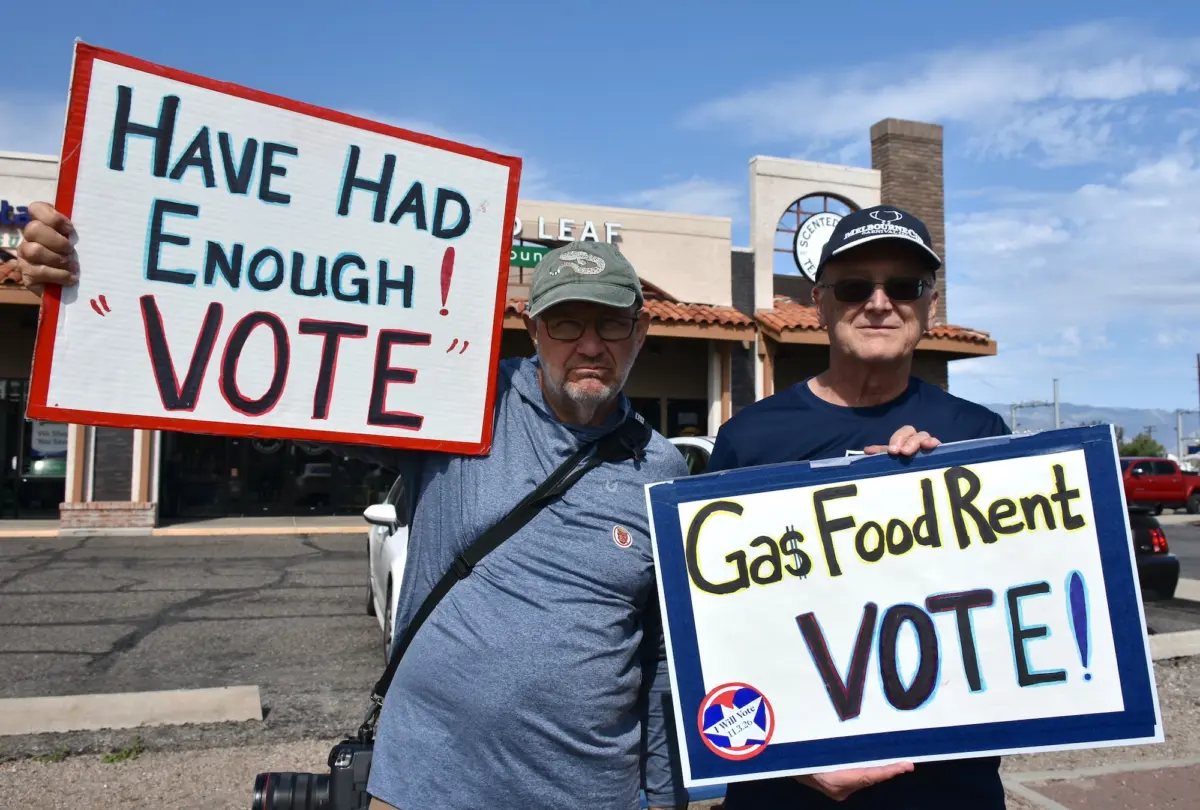
As the 2026 midterm elections progress, the American political landscape is witnessing a significant divergence between national polling narratives and the hyper-local realities driving voters to the polls. While macroeconomic indicators, inflation, and the cost of living remain the primary focus of national media outlets, a granular examination of battleground states reveals that specific local issues—ranging from agricultural public health crises to the industrialization of rural landscapes—are emerging as the true pivots of political power. These localized concerns are not merely peripheral; they are actively reshaping voter coalitions, challenging traditional partisan loyalties, and mobilizing demographic groups that have historically felt alienated by high-level federal policy debates.
The 2026 cycle is characterized by a "bottom-up" political energy. From the cornfields of Iowa to the tech corridors of Ohio and the university campuses of North Carolina, voters are signaling that their support is contingent upon addressing immediate, community-specific threats. This shift suggests that the eventual composition of the next Congress and various statehouses may be determined less by national party platforms and more by how effectively candidates navigate the "backyard issues" that directly impact the daily lives of their constituents.
Public Health and the Agricultural Crisis in the Midwest
In Iowa, a state long considered a Republican stronghold, a burgeoning public health crisis is scrambling traditional political calculus. For years, environmental advocates and health professionals have raised alarms regarding the state’s cancer rates, which are among the highest in the nation. According to reports from the Iowa Cancer Registry and the Iowa Environmental Council, the state ranks second in the U.S. for new cancer cases per capita and is the only state where the rate of new cancers is significantly increasing.
Research has increasingly pointed toward the intensive use of agricultural chemicals, including pesticides and nitrogen-based fertilizers, which leach into the groundwater. This issue has transcended partisan lines, giving rise to the "MAHA" (Make America Healthy Again) movement. While MAHA is often associated with MAGA-affiliated demographics, particularly women in rural areas, the demand for clean water and air has created an opening for Democratic challengers.
In the 2026 gubernatorial race, the Republican incumbency is facing unprecedented scrutiny over its "trifecta" control of the state government. Critics, including Democratic voters like Tracy Jones, argue that a decade of Republican dominance has prioritized corporate agricultural interests over public health. The emergence of clean water as a top-tier campaign issue illustrates a broader trend: rural voters are beginning to weigh environmental safety against traditional industry loyalty, a shift that could have profound implications for the state’s political identity.
The Industrialization of the Backyard: The Data Center Boom
Parallel to the agricultural concerns in the Midwest is the rapid expansion of data center infrastructure across the United States. As the global demand for artificial intelligence (AI) and cloud computing surges, massive industrial complexes are being constructed in suburban and rural communities. What began as a routine matter of zoning and economic development has transformed into a volatile political issue.
Residents in states like Kansas, Ohio, and Virginia are expressing concerns over the environmental footprint of these facilities, which require enormous amounts of water for cooling and place a significant strain on local electrical grids. Beyond environmental impact, the data center boom has tapped into deeper anxieties regarding mass surveillance, the displacement of human labor by AI, and the erosion of privacy.
The political fallout is already evident. In Kansas, citizen-led petitions have successfully placed data center limitations on the ballot in cities such as El Dorado, Emporia, and Ottawa. Similarly, 18 municipalities in Ohio are set to vote on measures that would restrict the expansion of these facilities. Nationally, voters in 13 states will decide on at least 50 local ballot measures related to data centers this year. The Trump administration’s move to shield these facilities from pollution lawsuits has further politicized the issue, turning local land-use disputes into a referendum on federal regulatory overreach and corporate accountability.
The Post-Roe Landscape: Reproductive Rights on the Ballot
Four years after the U.S. Supreme Court’s decision in Dobbs v. Jackson, which overturned the constitutional right to an abortion, reproductive rights remain a central driver of voter mobilization. The 2026 midterms feature critical ballot measures in four states—Idaho, Nevada, Virginia, and Missouri—that will test the durability of the pro-choice movement’s recent electoral successes.
The situation in Missouri is particularly illustrative of the ongoing legal and political tug-of-war. After a total ban was implemented in 2022, voters passed a 2024 measure to restore abortion access. In response, anti-abortion advocates have placed a new measure on the 2026 ballot in an attempt to reverse that decision. This "seesaw" legislative environment has kept reproductive health at the forefront of the political conversation.
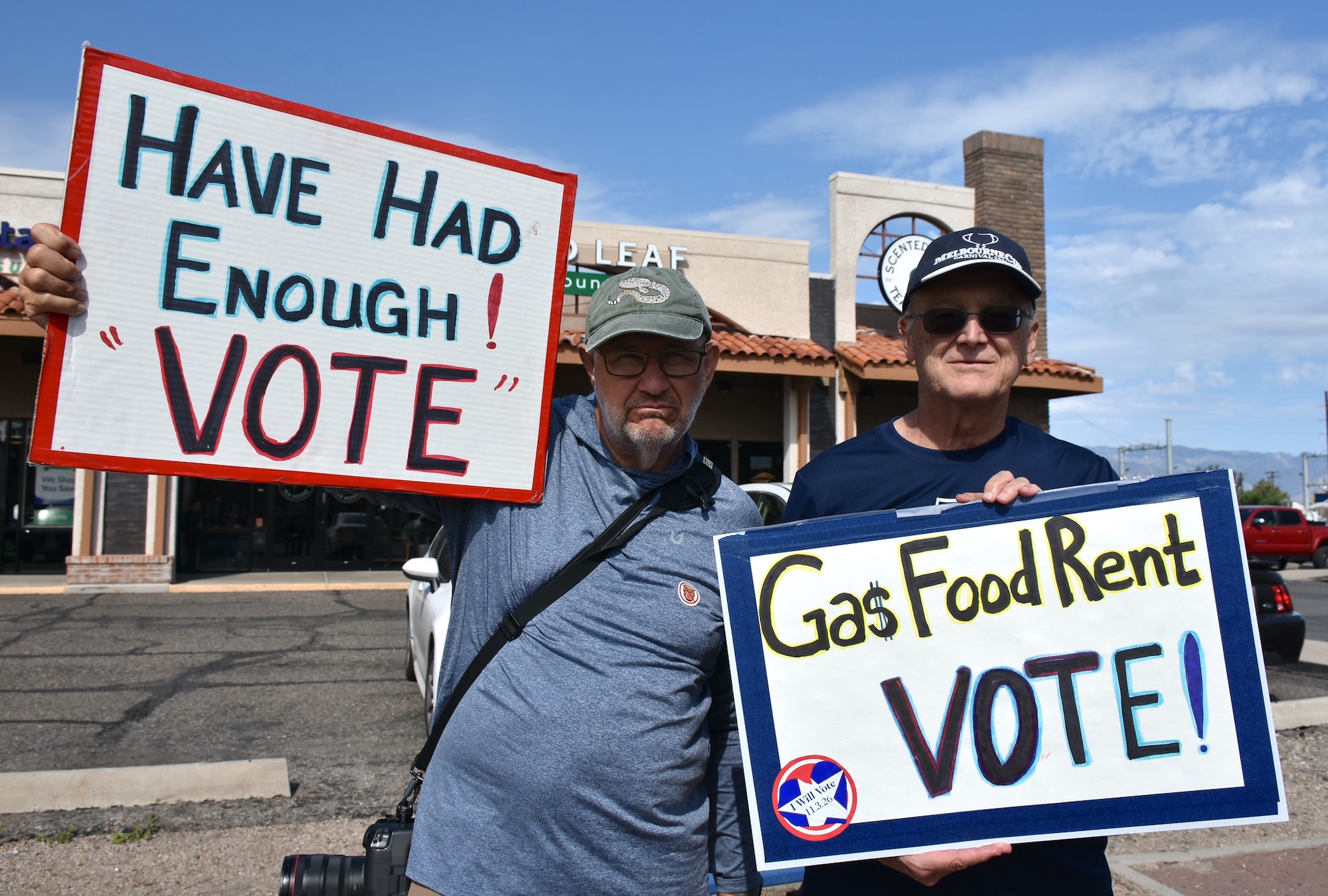
Data indicates that this issue is the primary motivator for younger voters. Polling from Gen Z research groups shows that 77% of young voters fear personal impacts from reproductive care restrictions. Among Gen Z women, 69% believe abortion should be legal in all or most cases. The high stakes of these state-level constitutional amendments are expected to drive record youth turnout, potentially offsetting traditional Republican advantages in conservative-leaning states.
Youth Mobilization and the Battle for Voting Access
The 2026 election cycle has also highlighted the persistent struggle over voting access, specifically for college students. Systematic efforts to limit on-campus polling locations have sparked a national backlash, led by initiatives such as Michelle Obama’s "When We All Vote."
In North Carolina, a critical swing state, the battle for student voting rights took center stage last week. Hundreds of students from North Carolina Agricultural and Technical State University (NC A&T), a historically Black university, marched off-campus to cast their ballots on the first day of early voting. This demonstration, joined by students from the University of North Carolina at Greensboro and Bennett College, served as both a practical effort to increase turnout and a protest against the lack of convenient polling locations for student populations.
The mobilization of the youth vote is a significant factor in 2026. By framing voting as a fundamental right under threat, organizers are successfully connecting national democratic principles to local administrative decisions. This strategy has the potential to alter the electoral outcome in states where razor-thin margins often decide federal and state representation.
The Resilience of Diversity, Equity, and Inclusion (DEI)
Despite a concerted legislative push by Republican leaders to dismantle Diversity, Equity, and Inclusion (DEI) programs, the "culture war" strategy is meeting significant resistance at the ballot box. In Texas, the U.S. Senate race between Democratic candidate James Talarico and Republican Bill Paxton has become a testing ground for the effectiveness of anti-DEI and anti-transgender messaging.
While Paxton’s campaign has heavily utilized attack ads targeting the LGBTQ+ community, Talarico has remained competitive, suggesting that voters may be growing weary of identity-based rhetoric in favor of substantive policy discussions. However, the battle remains intense in Arizona, where Proposition 142 seeks to ban DEI programming within city governments and publicly funded educational institutions.
The League of Women Voters of Arizona and other civic organizations have launched a vigorous defense of existing equity programs, arguing that Proposition 142 goes beyond preventing discrimination and instead restricts the ability of local governments to foster inclusive environments. The outcome of this measure will serve as a bellwether for the future of equity-based policy in the American West.
Climate Change: From "Hoax" to Pocketbook Priority
While climate change is often debated in abstract terms at the national level, 2026 voters are increasingly viewing it through the lens of economic and physical security. A September 2026 poll of likely voters in eight battleground states found that 70% of respondents are more likely to support candidates who prioritize a transition away from fossil fuels.
Interestingly, there is a disconnect between how candidates and voters discuss the environment. While many politicians focus on the "pocketbook" benefits of the green energy transition—such as job creation and lower utility costs—59% of voters expressed a desire for more direct conversations about climate change and pollution. This indicates that a significant portion of the electorate views environmental degradation as an existential threat that warrants a dedicated political response, rather than just an economic byproduct.
Implications for the Future of American Governance
The 2026 midterm elections represent a pivotal moment in the evolution of American democracy. The emergence of hyper-local issues as national drivers suggests that the electorate is becoming more sophisticated in its understanding of how state and local policies intersect with federal governance.
The convergence of public health concerns, technological expansion, reproductive rights, and voting access has created a volatile and unpredictable electoral environment. As the final ballots are cast and counted, the results will provide a definitive map of the new American political landscape—one where the "backyard" is no longer a secondary concern, but the very center of the fight for the country’s future. The historical significance of this election will likely be measured by how these local movements either solidify or disrupt the existing partisan divide for the decade to come.
