

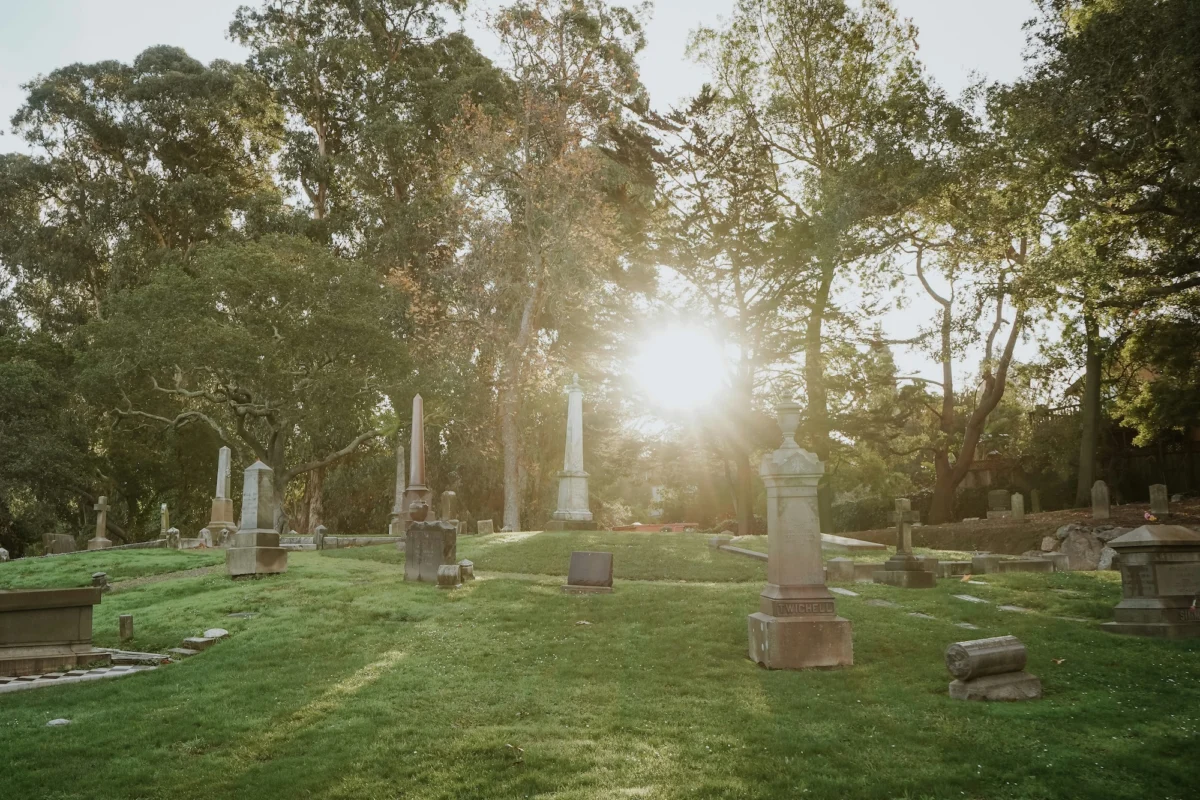
In the quiet, manicured expanse of East Lawn Cemetery in Ithaca, New York, a phenomenon is occurring that challenges the traditional perception of graveyards as stagnant places of mourning. While the headstones mark the history of the deceased, the soil beneath them is teeming with an extraordinary level of biological activity. Researchers from Cornell University have identified one of the largest and oldest known communities of ground-nesting bees in the world within this specific cemetery. This discovery is part of a burgeoning field of ecological study suggesting that cemeteries, often overlooked in urban planning, serve as vital "micro-reserves" for wildlife, particularly for the pollinators essential to global food security.
The primary inhabitant of this subterranean metropolis is Andrena regularis, commonly known as the regular miner bee. Unlike the well-known honey bee, which lives in massive social colonies and builds wax hives, the regular miner bee belongs to the 90 percent of bee species that are solitary. These bees do not produce honey for human consumption, nor do they follow a queen; instead, individual females dig intricate tunnels into the earth to lay their eggs. This black-and-tan fuzzy insect, which often carries bright yellow pollen on its hind legs, has found a sanctuary in the very place humans set aside for eternal rest.
The Cornell Study and the Scale of the Subterranean Colony
The research conducted at East Lawn Cemetery, led by community ecologist Jordan Kueneman and his colleagues at Cornell University, has revealed staggering population densities. By utilizing specialized collection methods and scaling their findings across the cemetery’s acreage, the team estimated that the grounds host between 3 million and 8 million bees. In certain high-density zones, researchers observed thousands of individual bees emerging from a single square meter of soil.
The sheer scale of this population indicates a long-term, stable environment. Ground-nesting bees are notoriously sensitive to soil disturbance, chemical runoff, and physical barriers like pavement. The longevity of the East Lawn colony suggests that the cemetery has provided a consistent, undisturbed habitat for decades, if not longer. This stability is increasingly rare in urban and suburban landscapes, where construction, tilling, and heavy pesticide use frequently destroy nesting sites.
The study, published in the journal Apidologie, highlights the "extraordinary density" of these insects. The presence of such a robust population is not merely a biological curiosity; it serves as a critical reservoir for the surrounding ecosystem. These bees are primary pollinators for New York’s apple orchards—a multi-million dollar industry—and various native flowering plants that maintain the region’s ecological health.
Why Cemeteries Function as Ideal Ecological Niches
To a ground-nesting bee, a cemetery offers a specific set of geographical and environmental advantages that are difficult to find elsewhere in a modern city. Jordan Kueneman notes that the criteria for a good human burial site—land that does not flood, soil that is easy to dig, and ground that does not collapse—are the exact same criteria required for a successful miner bee burrow.

Furthermore, the maintenance of cemetery lawns actually facilitates the bees’ life cycle. While environmentalists often criticize short-cropped lawns for lacking floral diversity, the "short-haircut" style of cemetery grass allows sunlight to hit the soil directly. This solar gain warms the ground more quickly in the spring, allowing the bees to become active earlier in the day and earlier in the season. The exposed soil between patches of grass provides easy entry and exit points for the bees’ tunnels, which can extend several inches underground.
The absence of certain urban stressors also contributes to the success of these habitats. Unlike public parks, cemeteries typically experience low foot traffic and an absence of off-leash dogs, both of which can compact soil and destroy delicate burrows. Additionally, cemeteries are usually free from the high-speed vehicle traffic that accounts for the deaths of hundreds of millions of insects and birds annually in the United States.
The Ecological Indicator: The Rise of the Cuckoo Bee
A key finding in the Cornell research that points to the health of the East Lawn colony is the presence of Nomada imbricata, or the cuckoo bee. In the natural world, the presence of specialized predators or parasites is a hallmark of a thriving ecosystem. The cuckoo bee is a "cleptoparasite," meaning it steals the resources of other bees. It does not build its own nest; instead, it waits for a miner bee to leave its burrow, then enters to lay its own eggs.
When the cuckoo bee larvae hatch, they often use large mandibles to eliminate the host larvae and consume the pollen stores provided by the miner bee mother. While this sounds gruesome, ecologists view the cuckoo bee as a vital sign of "biological wealth." A parasite cannot survive without a massive and stable host population. The fact that cuckoo bees are flourishing in East Lawn Cemetery confirms that the miner bee population is large enough to support a complex food web, including those species that live at the expense of others.
A Global Perspective on Cemeteries as Biodiversity Refuges
The findings in Ithaca are echoed by a growing body of international research. In Europe, where many cemeteries have been established for centuries, these sites are often the only places where ancient, undisturbed soil remains. A study published in Conservation Biology suggests that cemeteries often harbor rare plant species that have been extirpated from the surrounding landscape due to industrial agriculture and urban sprawl.
In urban centers like Chicago, Seth Magle of the Urban Wildlife Institute has documented a wide array of species utilizing cemeteries as "green stepping stones" through the city. These include:
- Mammals: Coyotes, foxes, and deer use the cover of cemetery trees and the lack of nighttime human activity to navigate urban corridors.
- Birds: Great horned owls and hawks find ideal nesting sites in the mature, ornamental trees often found in older "garden-style" cemeteries.
- Migratory Species: Cemeteries provide essential rest stops for migrating geese and songbirds, offering water features and insect-rich foraging grounds.
The lack of rodenticide use in some progressive cemetery management plans has also led to a resurgence in birds of prey. When rats and mice in cemeteries are not poisoned, they become a safe food source for owls and hawks, creating a self-sustaining pest control loop that benefits the cemetery management and the environment alike.

Implications for Urban Planning and Climate Adaptation
As the world faces the dual crises of climate change and rapid biodiversity loss, the role of "unconventional" green spaces like cemeteries is being re-evaluated. Pollinators are currently under significant threat; habitat loss, neonicotinoid pesticides, and rising temperatures have led to dramatic declines in bee populations globally. Given that nearly 75 percent of the world’s crops producing fruits and seeds for human consumption depend, at least in part, on pollinators, the protection of sites like East Lawn is a matter of food security.
Moreover, cemeteries contribute to the mitigation of the "urban heat island effect." Large, vegetated areas can reduce local temperatures by several degrees through evapotranspiration and shade. By fostering a diverse range of pollinators within these spaces, cities can ensure the health of the urban forest and the various "pocket gardens" that help keep metropolitan areas habitable during heatwaves.
Christopher Grinter, collection manager of entomology at the California Academy of Sciences, suggests that this discovery should serve as an "aha moment" for land managers. "It’s exciting to see that biodiversity is being discovered in unexpected places," Grinter noted. He emphasizes that once these habitats are identified, the next step is to move toward active management that "encourages and fosters" this life.
Recommendations for Future Management
For cemeteries to reach their full potential as wildlife sanctuaries, researchers suggest several low-cost adjustments to maintenance routines:
- Adjusted Mowing Schedules: Mowing early in the morning before bees emerge, or practicing "No Mow May," can protect adult bees and allow spring wildflowers to provide essential nectar.
- Native Plant Integration: Replacing ornamental, non-native flowers with native species provides better nutrition for local pollinators.
- Pesticide Reduction: Eliminating the use of insecticides and rodenticides prevents the bioaccumulation of toxins in the food chain.
- Public Education: Shifting the public perception of cemeteries from "manicured monuments" to "living landscapes" can build support for conservation efforts.
The irony of the situation—that places dedicated to the end of life are becoming the strongholds for the continuation of species—is not lost on the scientific community. As urban areas continue to expand, the preservation of these quiet, hallowed grounds may prove to be one of the most effective tools we have for maintaining the delicate balance of the natural world. By recognizing the million-strong "miners" of East Lawn and their counterparts across the globe, we can transform our final resting places into vibrant nurseries for the future of the planet.
