

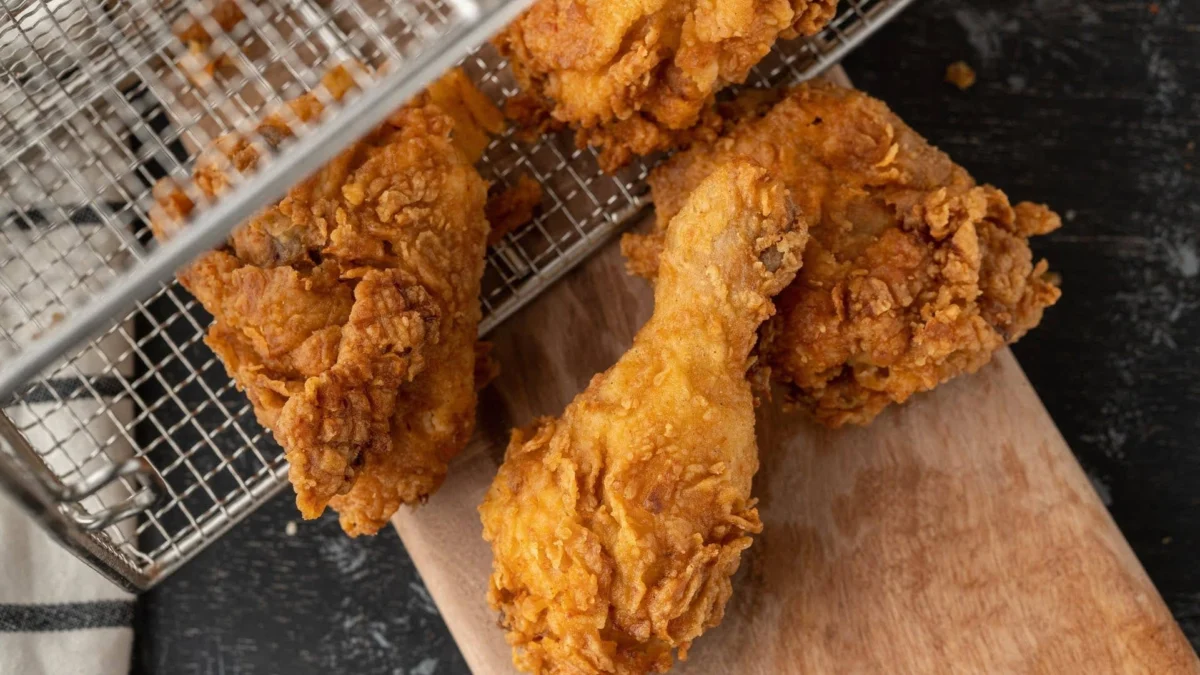
The fast-food fried chicken sector is experiencing a period of significant flux, marked by fierce competition and a palpable slowdown in overall market growth. Amidst this challenging landscape, Kentucky Fried Chicken (KFC), a long-standing titan of the industry, has undertaken a strategic contraction of its U.S. footprint, closing at least 312 restaurants in the past year. This significant reduction, representing a 7.64% decrease in its American store count, comes as the brand grapples with an evolving consumer base and aggressive rivalry from market leaders like Chick-fil-A, the once-viral Popeyes, and the rapidly expanding Raising Cane’s.
The competitive arena for fried chicken has become increasingly saturated, making product differentiation and sustained market leadership an arduous task. For decades, KFC held an almost unchallenged position, synonymous with fried chicken in America and globally. However, the rise of new contenders and the reinvention of existing ones have fragmented the market, forcing legacy brands to adapt or risk obsolescence. Chick-fil-A has consistently set a high bar for customer service, operational efficiency, and product quality, cultivating a fiercely loyal customer base that often transcends mere fast-food patronage. Popeyes Louisiana Kitchen, with its distinctive spicy flavor profile and the unprecedented success of its chicken sandwich in 2019, momentarily disrupted the entire quick-service restaurant (QSR) landscape, drawing immense attention and sales. Meanwhile, Raising Cane’s has carved out a substantial niche with its hyper-focused, simple menu centered around chicken fingers, garnering a cult-like following that fuels its rapid expansion.
Decelerating Market Growth Signals Maturation and Headwinds
The broader chicken category within the fast-food industry has shown clear signs of cooling after a period of robust expansion. According to Technomic data shared with Nation’s Restaurant News, the category’s growth rate slowed to 5.3% in 2025, a notable decline from 9.1% in 2024 and more than 12% in 2023. This deceleration suggests a maturing market facing various headwinds, including inflationary pressures impacting consumer discretionary spending, increased labor costs for operators, and a general tightening of economic conditions.
Even the most dominant players have felt the impact of this slowdown. Chick-fil-A, while still posting positive growth, saw its year-over-year sales increase by 5.2% in 2025, a slight dip from the 5.4% growth recorded in 2024. This indicates that even the industry’s perennial leader is not immune to the broader market dynamics. More significantly, two of the sector’s most recognizable names experienced outright sales declines. Popeyes’ sales fell by 0.5% in 2025, a stark contrast to the 3.9% growth it achieved in 2024, signaling a potential return to pre-sandwich-boom normalcy or a struggle to maintain momentum. KFC faced an even tougher year, with sales dropping by 4.6% in 2025, following a 5.2% decline in 2024. This consistent downward trend over a two-year period underscores the profound challenges facing the brand and provides crucial context for its recent strategic decisions regarding store closures.
KFC’s Strategic Retrenchment: Shedding Underperforming Assets
The decision to close hundreds of stores is a direct response to these financial pressures and a strategic move often employed by large chains to enhance overall brand health and profitability. While much public attention has previously focused on the struggles of KFC’s former sister brand, Pizza Hut, which Yum Brands divested in June, the chicken giant has also been undergoing a quiet but significant transformation.
An in-depth analysis conducted by Local Falcon, a local AI search visibility platform, revealed the extent of KFC’s store closures. By comparing KFC’s public store locator data from July 15, 2025, to July 6, 2026, Local Falcon identified at least 312 U.S. restaurants that had permanently ceased operations. Each removed listing that resulted in a 404 error was independently verified against Google Maps, confirming the closure. This 7.64% reduction in its American footprint is a substantial move, signaling a commitment to shedding underperforming locations that drag down system-wide profitability and divert resources from more viable units.
Such strategic closures are not merely a reaction to poor performance but often a proactive measure to improve average unit volumes, increase profitability per remaining store, and free up capital for reinvestment into modernization, marketing, and menu innovation for the stronger locations. It represents a pivot from prioritizing sheer store count to focusing on operational efficiency and a healthier overall portfolio.
Navigating the Turnaround: Yum Brands’ Vision for KFC
Despite the closures and sales declines, Yum Brands, KFC’s parent company, has articulated a vision for a significant turnaround, emphasizing renewed focus on growth and brand revitalization. During the chain’s second-quarter 2026 earnings call, Yum Brands CEO Christopher Turner outlined encouraging progress. He reported that "KFC delivered 6% system sales growth driven by 7% unit growth and 2% same-store sales growth." This indicates that while the U.S. market saw closures, the brand experienced net unit growth globally, and existing stores were, on average, performing better.
Turner further elaborated on the strategic framework guiding this resurgence: "Around the world, KFC teams are advancing our Raise the B.A.R. priorities, beginning with improving menu relevance." While the full acronym for "Raise the B.A.R." is often proprietary or varies, in a QSR context, it typically points to a multi-pronged strategy encompassing Brand perception, Accessibility, and Relevance. Improving menu relevance is critical in a dynamic market where consumer tastes and dietary preferences are constantly evolving. This could involve introducing new items, optimizing existing offerings, or enhancing value propositions to appeal to a broader demographic or specific meal occasions. The emphasis on menu relevance directly addresses a core challenge for legacy brands: staying fresh and exciting without alienating loyal customers.
The Quest for Brand Identity in a Crowded Market
A significant aspect of KFC’s struggles, as highlighted by Dominik Miserandino, CEO of RTM Nexus, stems from a perceived abandonment of a distinctive brand position. In today’s highly competitive QSR environment, successful brands like Chick-fil-A, Popeyes, and Raising Cane’s have meticulously cultivated unique identities that resonate with consumers. Chick-fil-A is renowned for its exceptional customer service, clean dining environments, and consistent product quality, often commanding a premium despite its fast-food classification. Popeyes differentiates itself with its Louisiana-inspired, bold flavors and a strong sense of cultural identity, especially after the viral sensation of its chicken sandwich. Raising Cane’s, on the other hand, embraces simplicity, focusing solely on chicken fingers, fries, Texas toast, and its signature Cane’s Sauce, which creates a streamlined operational model and a clear, unwavering brand promise.
KFC, in contrast, appears to be grappling with its identity. Once defined by Colonel Sanders’ secret recipe and a sense of homestyle comfort, the brand has experimented with various menu items, marketing campaigns, and store formats over the years, sometimes diluting its core message. The challenge for KFC is to re-establish a clear, compelling narrative that leverages its rich heritage while simultaneously appealing to modern consumers who seek both quality and convenience. This could involve re-emphasizing its core product, innovating within the fried chicken space, or creating a new brand experience that sets it apart from its increasingly specialized rivals.
Broader Economic and Industry Implications
The trends observed in the fast-food chicken sector are indicative of broader shifts within the quick-service restaurant industry. Economic pressures, including persistent inflation, have tightened household budgets, leading consumers to be more selective about their dining choices. This increased scrutiny means that QSR brands must offer compelling value propositions, whether through price, quality, experience, or a combination thereof. Labor shortages and rising minimum wages also put upward pressure on operating costs, forcing brands to explore automation, optimize staffing, and increase menu prices, which can further impact sales.
Moreover, evolving consumer preferences, such as a growing demand for healthier options, plant-based alternatives, and transparent sourcing, present a challenge for traditional fried chicken chains. While fried chicken remains a popular comfort food, brands that fail to acknowledge or adapt to these macro trends risk falling behind. The shift towards digital ordering, delivery services, and drive-thru convenience also necessitates significant investment in technology and infrastructure, which can be particularly burdensome for older, larger chains with extensive, often outdated, physical footprints. The strategic closures by KFC may also reflect a move towards optimizing for these new channels, potentially favoring locations with better drive-thru access or proximity to delivery hubs.
The Road Ahead for KFC and the Chicken Category
The strategic closure of over 300 U.S. stores by KFC is a significant event that reflects the intense competitive pressures and the decelerating growth within the fast-food fried chicken market. It is a calculated move aimed at rationalizing its asset base, improving per-unit profitability, and creating a stronger foundation for future growth. While the sales declines in 2024 and 2025 highlight the severity of the challenges, the reported system sales growth and unit expansion globally, coupled with a renewed focus on "Raise the B.A.R." priorities and menu relevance, suggest that Yum Brands is actively working to revitalize the brand.
The future success of KFC will hinge on its ability to effectively redefine its brand identity, innovate its menu to meet contemporary tastes, and optimize its operational model to navigate economic headwinds. The industry as a whole will continue to be a battleground, where differentiation, customer loyalty, and strategic adaptation will be paramount for survival and growth. The story of KFC’s retrenchment and turnaround efforts serves as a crucial case study in the dynamic and unforgiving landscape of modern fast food.
