

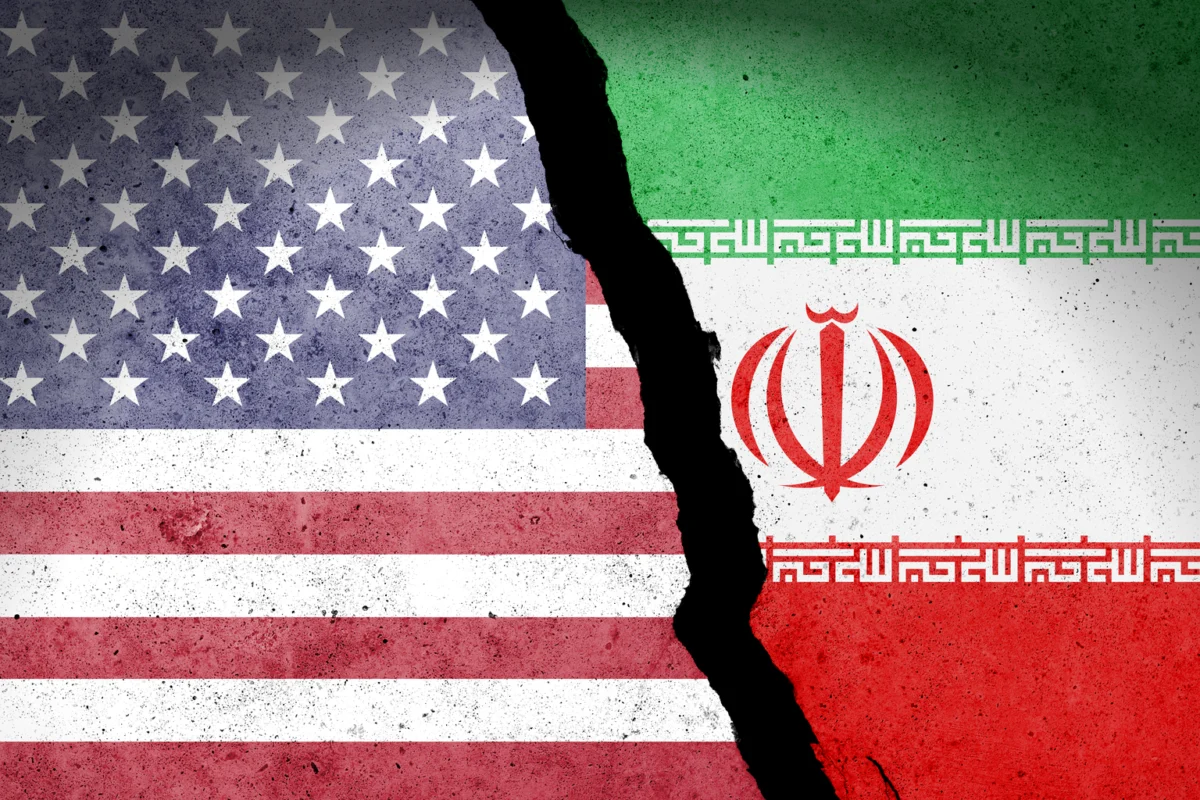
Tehran has announced the immediate suspension of all commitments reached with the United States under the clandestine Islamabad Memorandum of Understanding, accusing Washington of unilaterally violating the terms of the month-old agreement through a series of recent military strikes in the region. The decision, conveyed by a senior Iranian diplomatic official, marks a significant setback for nascent de-escalation efforts between the two geopolitical adversaries and threatens to further destabilize an already volatile Middle East. The official stated, "We were in negotiations. Unfortunately, it was the Americans themselves who chose to disregard the spirit and letter of our understandings, rendering continued adherence on our part untenable."
Iranian Accusations and Justification
The explicit condemnation from Tehran centers on what it describes as "provocative and unwarranted military actions" undertaken by the United States. While specific details of the alleged strikes were not immediately provided by Iranian authorities, official statements hinted at operations targeting what the U.S. designates as Iran-backed proxy groups within Iraq and Syria. Iran views these actions as direct affronts to the foundational premise of the Islamabad MoU, which was reportedly designed to foster confidence-building measures and prevent direct military confrontation in sensitive regional flashpoints.
According to sources within the Iranian Foreign Ministry, the MoU represented a fragile attempt to establish indirect communication channels and mutual restraint. "The agreement, however preliminary, sought to create a framework where both sides would exercise de-escalation in specific areas, thereby reducing the risk of miscalculation," explained a diplomatic source on condition of anonymity. "The recent military aggressions by the U.S. not only shattered this fragile trust but also demonstrated a clear unwillingness to commit to diplomatic solutions, forcing Iran to re-evaluate its position." The suspension, therefore, is portrayed by Tehran as a necessary response to perceived American bad faith and a measure to protect Iran’s national interests and regional security posture.
The Elusive Islamabad Memorandum of Understanding
The Islamabad Memorandum of Understanding, largely unpublicized until now, is understood to have been a discreet, non-binding agreement brokered through the good offices of a third party, likely Pakistan, given the titular city. Geopolitical analysts suggest that such an agreement, if it existed, would have been a testament to the persistent, albeit often concealed, back-channel diplomacy between Washington and Tehran. The purported aim was to establish a preliminary framework for managing regional tensions, particularly concerning maritime security in the Persian Gulf, proxy conflicts in Iraq and Syria, and potentially even humanitarian issues or prisoner exchanges.
Experts surmise that the MoU was not a comprehensive treaty but rather a series of understandings or a declaration of intent designed to prevent accidental escalation. Its secrecy would have allowed both sides to explore de-escalation without publicly committing to concessions that might face domestic political opposition. The timing, "a month ago," places its genesis in a period of heightened regional tension following several reported incidents involving maritime assets and proxy group activities, suggesting a concerted effort to dial back potential conflict. The agreement’s primary objective was likely to establish a ‘red line’ or a mutual understanding of permissible actions, preventing either side from crossing thresholds that could lead to broader military engagement.
Chronology of Events: From Tentative Agreement to Abrupt Suspension
The unfolding narrative of the Islamabad MoU begins approximately six weeks ago, amidst a backdrop of escalating rhetoric and sporadic clashes in the Middle East.
- Mid-to-Late Spring (approx. 6 weeks prior): Following a series of low-level skirmishes and cyber incidents, and with concerns mounting over regional stability, diplomatic efforts intensify. Pakistan, maintaining channels with both Washington and Tehran, reportedly facilitates indirect discussions.
- Early Summer (approx. 4 weeks prior – "a month ago"): The Islamabad Memorandum of Understanding is tentatively reached. While specifics remain guarded, it is believed to include provisions for mutual restraint, indirect communication protocols, and a commitment to avoid actions that could directly provoke military responses from the other party. The focus is reportedly on de-escalation in areas like Iraq and Syria, and maintaining freedom of navigation in critical waterways.
- Weeks Following MoU: A brief period of relative calm, albeit punctuated by continued underlying tensions, suggests the MoU might have initially had a limited positive impact on reducing immediate provocations.
- Recent Days (leading up to suspension): The U.S. conducts a series of targeted military strikes. While the Pentagon usually frames such actions as defensive, proportional responses to threats against U.S. personnel or interests, Iran views them as a direct breach of the Islamabad understandings. These strikes reportedly targeted facilities and personnel linked to Iran-backed militias in eastern Syria and western Iraq, which the U.S. identified as responsible for attacks on American forces.
- Current Day: Iran formally announces the suspension of its commitments under the Islamabad MoU, citing the U.S. military actions as a definitive violation.
U.S. Response and Justification
While the U.S. State Department has yet to officially acknowledge the existence or specifics of an "Islamabad Memorandum of Understanding," spokespersons have consistently reiterated Washington’s commitment to protecting its forces and interests in the Middle East. Following Iran’s announcement, unofficial comments from U.S. officials, speaking anonymously, indicated a stance of regret over Iran’s decision but firmly defended American military operations.
"Any actions taken by U.S. forces in the region are purely defensive and in response to credible threats against our personnel and partners," stated a Pentagon official. "We maintain the right to protect our interests and deter aggression, especially from malign actors seeking to destabilize the region." This suggests that even if an MoU existed, the U.S. likely interprets its terms differently, possibly viewing its strikes as justifiable self-defense rather than a violation of de-escalation commitments. U.S. military operations in Iraq and Syria are routinely presented as counter-terrorism measures or responses to attacks by Iran-aligned groups, often in retaliation for rocket attacks on U.S. bases or drone incursions. The U.S. position likely holds that the MoU did not grant impunity to these groups to attack American interests, and therefore, retaliatory strikes fall outside the scope of "violation."
International Reactions and Mediation Efforts
The abrupt suspension of the Islamabad MoU commitments has sent ripples through the international community, particularly among nations that have actively sought to mediate between the U.S. and Iran. Pakistan, presumed to be the primary facilitator, has expressed concern over the development, with its Ministry of Foreign Affairs reportedly urging both sides to "exercise maximum restraint and resolve differences through dialogue." Islamabad’s foreign policy has long advocated for regional peace and stability, and the failure of this discreet initiative represents a significant diplomatic setback.
European allies, deeply invested in preserving the Joint Comprehensive Plan of Action (JCPOA) and preventing a wider conflict, have also voiced apprehension. "Any action that further complicates diplomatic pathways between Washington and Tehran is regrettable," stated a spokesperson for the European Union’s External Action Service. "We call on all parties to de-escalate tensions and return to a path of dialogue." Regional powers, such as Saudi Arabia and the UAE, while not direct parties to the MoU, are closely monitoring the situation. Their reactions are expected to be mixed, with some potentially viewing increased U.S. firmness against Iran-backed groups favorably, while others may fear broader instability. The general consensus among international observers is that this development makes future mediation efforts significantly more challenging.
Broader Context: A History of Mistrust and Failed Diplomacy
The collapse of the Islamabad MoU commitments is not an isolated incident but rather another chapter in the long and fraught history of U.S.-Iran relations, characterized by profound mistrust, proxy conflicts, and failed diplomatic overtures. The U.S. withdrawal from the JCPOA in 2018 under the Trump administration, followed by a "maximum pressure" campaign of sanctions, severely eroded any residual trust between the two nations. Iran, in turn, has progressively reduced its own commitments under the nuclear deal, citing the U.S. abandonment and European inability to circumvent sanctions.
This historical context makes any attempt at de-escalation extraordinarily challenging. Both sides operate from positions of deep suspicion, viewing the other’s actions through a lens of hostility. Iran often perceives U.S. military presence and actions in the region as imperialistic and destabilizing, while the U.S. views Iran’s nuclear program, ballistic missile development, and support for regional proxies as grave threats to international security. The Islamabad MoU, therefore, likely emerged from a pragmatic recognition of the dangers of unchecked escalation, even if underlying ideological differences remained vast. Its swift unraveling underscores the immense difficulty of sustaining even informal agreements when core strategic interests clash.
Implications for Regional Stability and Future Diplomacy
The suspension of the Islamabad MoU commitments carries significant implications for regional stability and the future trajectory of U.S.-Iran relations.
- Increased Risk of Escalation: Without even a preliminary understanding, the channels for de-escalation are now further diminished. This raises the specter of miscalculation, where a localized incident could rapidly spiral into a wider conflict. Both sides may feel less constrained, leading to more aggressive posturing and actions in areas like Iraq, Syria, and the Persian Gulf.
- Setback for Diplomacy: The failure of this discreet initiative makes future diplomatic engagement even harder. It reinforces hardline narratives within both Washington and Tehran that the other side cannot be trusted, thereby empowering those who advocate for confrontation over negotiation. Any future attempts at dialogue will have to contend with the fresh memory of this broken understanding.
- Impact on Proxy Conflicts: Iran’s decision could lead to a resurgence of activity by its regional allies and proxies, potentially increasing attacks on U.S. interests or those of its partners. This would likely invite further retaliatory strikes from the U.S., perpetuating a dangerous cycle of violence.
- Economic Repercussions: Heightened tensions in the Middle East invariably affect global energy markets. Concerns over the security of oil shipping lanes in the Strait of Hormuz could resurface, leading to spikes in oil prices and increased insurance premiums for maritime traffic.
- Challenge for Mediators: The perceived failure of the Islamabad MoU will make it more difficult for third-party nations, like Pakistan, Oman, or Qatar, to facilitate future dialogue. Their credibility as neutral brokers might be questioned, at least in the short term.
- Uncertainty for Nuclear Talks: While the MoU was not directly related to the JCPOA, any deterioration in broader U.S.-Iran relations inevitably casts a shadow over prospects for reviving nuclear negotiations. With trust further eroded, the political will to re-engage on such a complex issue will likely diminish on both sides.
The Path Forward: A Diplomatic Quagmire
The immediate aftermath of Iran’s announcement suggests a return to a more confrontational posture between Washington and Tehran. The absence of even informal understandings means that direct and indirect communication channels, already tenuous, will likely become even more restricted. The burden now falls on both sides to demonstrate restraint and explore alternative avenues for de-escalation, even as they publicly trade accusations.
For Iran, the suspension is a clear signal that it will not tolerate what it perceives as unilateral aggression while simultaneously adhering to confidence-building measures. For the U.S., the challenge lies in defending its security interests without inadvertently triggering a broader conflict. The international community, particularly those nations with significant economic and strategic stakes in Middle Eastern stability, will be compelled to redouble their efforts to encourage dialogue and prevent further escalation. However, with the fragile framework of the Islamabad Memorandum of Understanding now dismantled, the path towards any meaningful rapprochement appears more arduous than ever, leaving the region on edge.
