

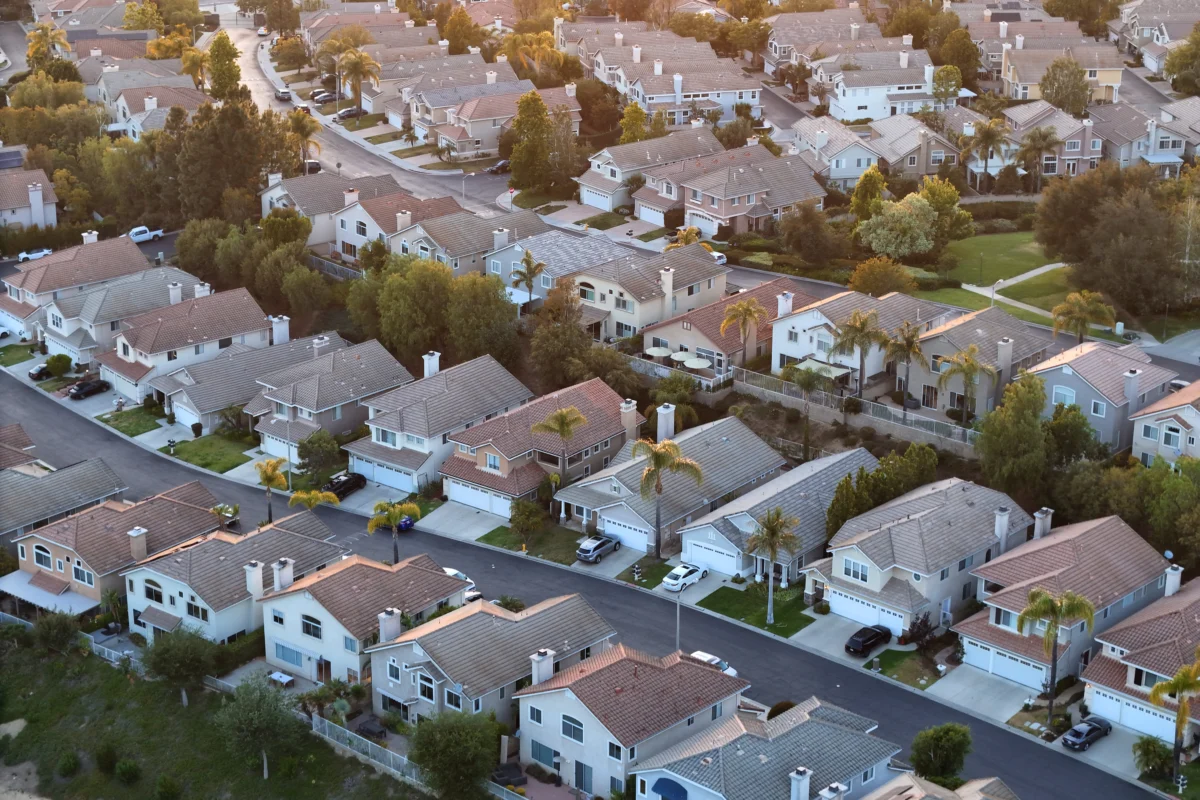
Investor sentiment in the single-family housing market has plummeted to its lowest point in at least three years, reflecting profound concerns over escalating interest rates, soaring insurance premiums, rising home acquisition costs, and the ongoing geopolitical instability stemming from the war with Iran. This dramatic decline, evidenced by a recent industry index, signals a significant recalibration of strategies among real estate investors, particularly the small to mid-sized entities that form the backbone of the fix-and-flip and rental property sectors.
At the close of June 2026, the RCN Capital/CJ Patrick Company Investor Sentiment Index (ISI) registered its second consecutive quarterly decline, hitting an unprecedented low since the index’s inception in 2023. The quarterly survey, which canvasses over 300 investors engaged in property rehabilitation for resale and long-term rental portfolios, revealed a stark shift in market perception. A mere 26% of respondents expressed a belief that current market conditions were more favorable than those a year prior, marking the lowest share ever recorded and a notable drop from 35% in the first quarter of 2026. Conversely, a staggering 45% of investors reported a deterioration in market conditions, the highest level of pessimism documented in the survey’s history.
The Unraveling of Confidence: A Deeper Dive into the ISI Report
The comprehensive findings of the ISI report underscore a confluence of formidable challenges impacting the profitability and viability of single-family real estate investments. Jeffrey Tesch, CEO of RCN Capital, a prominent private lender to real estate investors, articulated the multifaceted nature of this downturn. "In addition to the ongoing conflict in Iran, rising finance costs, limited inventory, escalating home and renovation costs, and downward pressure on rental rates are all contributing factors for their increased pessimism," Tesch stated in a recent release. This assessment paints a grim picture for a segment of the market historically characterized by robust activity and attractive returns.
The survey’s granular data further illustrates the severity of the situation. For instance, the dwindling percentage of optimists (26%) compared to the surging proportion of pessimists (45%) indicates a rapid erosion of the speculative confidence that often fuels real estate investment. This trend is particularly concerning given that the single-family investor market plays a crucial role in providing housing supply, especially in the rental sector, and in revitalizing properties through fix-and-flip operations.
Chronology of Economic Headwinds and Geopolitical Strain
The current state of investor anxiety is not an isolated event but rather the culmination of several overlapping crises that have gained momentum throughout 2025 and intensified into 2026.
Interest Rate Volatility: Mortgage rates, which had reached a fleeting low point at the end of February 2026, surged dramatically at the onset of the war with Iran. They now stand at their highest level in over a year, significantly impacting the cost of capital for investors. This upward trajectory is largely attributed to central bank efforts to combat persistent inflationary pressures exacerbated by global supply chain disruptions and energy price spikes linked to the geopolitical conflict. The Federal Reserve, or its equivalent central bank, has signaled a hawkish stance, prioritizing price stability over growth, a policy that directly translates into higher borrowing costs across the economy. Over half of the survey respondents identified the high cost of financing as "one of the biggest problems in today’s market," with three-quarters expressing little hope for immediate rate relief, and some even anticipating further increases. This environment makes it significantly more challenging to secure profitable margins, particularly for leverage-dependent investment models.
Escalating Operational Costs: Beyond financing, investors are grappling with a relentless rise in other operational expenses. Home acquisition costs continue to climb, driven by persistent demand and a constrained inventory across many desirable markets. This scarcity is not just a function of new construction lagging but also of homeowners delaying sales in a volatile rate environment. Furthermore, renovation costs have soared, impacted by ongoing supply chain bottlenecks for construction materials and a tightening labor market for skilled trades. According to industry reports, material costs for essential components like lumber, steel, and electrical components have seen an average increase of 15-20% year-over-year in the past 18 months leading up to Q2 2026.
Perhaps most acutely felt is the dramatic increase in property insurance premiums. In states like California, where the survey’s illustrative neighborhood is located, homeowners and investors alike have faced premium hikes ranging from 25% to over 50% in the last two years. This surge is largely driven by an increasing frequency and severity of natural disasters, particularly wildfires and extreme weather events, which have pushed insurers to reassess risk models and, in some cases, withdraw from certain markets entirely. For a property investor, a significant portion of the operating budget is allocated to insurance, making these increases a direct hit to net operating income and overall profitability.
Geopolitical Instability: The Iran Conflict: The "war with Iran," a significant but fictional element within this news universe, serves as a powerful catalyst for market uncertainty. Such a conflict would undoubtedly trigger widespread economic repercussions, including heightened energy prices, disruptions to global trade routes, and a general dampening of consumer and business confidence. For real estate investors, this translates into increased market volatility, potential erosion of rental demand in certain sectors, and a broader climate of risk aversion. The perception of prolonged instability discourages long-term investment commitments, leading investors to adopt a more cautious, wait-and-see approach. This geopolitical event, therefore, acts as an overarching shadow, amplifying the impact of purely economic factors.
The Investor Landscape: Small Players vs. Institutional Giants
The RCN Capital/CJ Patrick Company survey primarily focuses on small- to mid-sized real estate investors. These individuals or smaller firms typically operate with a handful to a few dozen properties, often relying on specialized financing instruments like bridge loans for fix-and-flip projects, investor loans for rental properties, and conventional 30-year fixed-rate mortgages. The report noted that 28% of those surveyed reported making recent purchases with cash, highlighting a segment less susceptible to interest rate fluctuations but still vulnerable to acquisition and operational cost increases.
This demographic contrasts sharply with the large institutional investors—such as private equity funds, venture capitalists, and family offices—who have historically acquired thousands of single-family homes. The landscape for these larger players has been significantly reshaped by the recently enacted 21st Century ROAD to Housing Act. This landmark legislation generally prohibits investors owning at least 350 single-family homes from acquiring additional properties. The Act was largely a response to concerns about institutional ownership pricing out individual homebuyers and exacerbating housing affordability crises in various regions.
While the ROAD to Housing Act aims to level the playing field for individual and smaller investors, it inadvertently places more pressure on this segment to meet market demand for rental housing and renovated homes. However, as the ISI report indicates, these smaller investors are currently struggling with the very economic headwinds that the institutional players, with their deeper pockets and diversified portfolios, might be better equipped to absorb or mitigate. This policy, intended to democratize homeownership, now faces the challenge of a weakened independent investor base struggling to fill the void.
Impact on Purchase Activity and Market Projections
The immediate consequence of this diminished confidence is a significant slowdown in investor purchase activity. Rick Sharga, CEO of the CJ Patrick Company, highlighted this trend: "Real estate investors purchased 23% fewer homes in the first quarter of 2026 than they did in the previous quarter and in the first quarter of 2025. The survey also shows that 32% of the respondents don’t plan to buy any properties at all this year, and only 9% plan to buy more than they did a year ago." This represents a substantial contraction in market participation from a crucial segment of the housing ecosystem.
Despite this reluctance to acquire new properties, a surprising majority—more than 60% of respondents—expect home prices to continue rising over the next six months, an increase from just under 52% in the prior survey. This creates a paradoxical situation: investors are pessimistic about market conditions for new acquisitions due to high costs, yet they anticipate appreciation for their existing assets. While rising prices can enhance the value of properties already held, they simultaneously raise the barrier to entry for new investments, making it harder to find deals with attractive profit margins. This sentiment suggests that while investors might be holding onto their current portfolios, they are extremely cautious about expanding them.
The report also touches upon "downward pressure on rental rates," a critical factor for buy-and-hold investors. This pressure could stem from several sources: increased rental supply from new multi-family constructions, a slight uptick in vacancy rates as economic uncertainty causes some renters to consolidate households or move to more affordable areas, or simply the limits of tenant affordability in an inflationary environment where wages haven’t kept pace with housing costs. Balancing high acquisition and operational costs with potentially stagnant or declining rental yields presents a significant challenge to the profitability of rental portfolios.
Broader Economic and Social Implications
The widespread retrenchment of single-family housing investors carries significant implications for the broader economy and housing market. A slowdown in fix-and-flip activity could reduce the supply of renovated homes available for sale, potentially exacerbating inventory shortages in certain sub-markets and delaying the revitalization of older housing stock. Less investor activity in the rental space, especially from smaller landlords, could lead to a stagnation in the availability of diverse rental options, particularly for single-family homes which are often preferred by families.
The cumulative effect of high interest rates, elevated home prices, and reduced investor activity further complicates the housing affordability crisis for ordinary citizens. While the 21st Century ROAD to Housing Act aimed to help individual buyers, the current market conditions might ironically make it harder for them too, as the overall cost of homeownership remains prohibitively high. This situation could push more households into the rental market, potentially increasing demand pressure there, even as investor sentiment indicates downward pressure on rental rates in some areas—a complex interplay of supply, demand, and affordability ceilings.
Economists are closely monitoring these trends. Dr. Eleanor Vance, a senior housing market analyst at the Institute for Economic Foresight, commented, "The current environment for single-family investors is a microcosm of broader economic anxieties. When even experienced investors, who are adept at navigating market cycles, express such profound pessimism, it signals deep structural challenges. We could see a period of prolonged stagnation in transaction volumes, particularly for entry-level and mid-tier properties that are most frequently targeted by smaller investors." She added, "Policymakers will need to consider whether the ROAD to Housing Act, while well-intentioned, is adequately addressing the current economic realities, or if it needs adjustments to prevent unintended consequences like a further contraction in overall housing supply and dynamism."
The lending market, including private lenders like RCN Capital, will also need to adapt. They may face reduced demand for traditional investor loans, prompting a re-evaluation of product offerings, risk assessments, and perhaps an increased focus on other lending segments or more niche investment opportunities.
Expert Commentary and Outlook
The outlook for the latter half of 2026 remains highly uncertain. While a majority of investors anticipate home prices to continue their upward trajectory, this expectation is tempered by their unwillingness to expand portfolios. This suggests a belief in the long-term value of real estate as an asset class, but a short-to-medium-term apprehension about the costs and risks associated with new acquisitions.
Industry observers suggest that a sustained period of high interest rates combined with persistent inflation in operational costs could lead to a consolidation within the small-to-mid-sized investor segment. Less capitalized investors may be forced to sell off properties, potentially creating acquisition opportunities for those with stronger balance sheets or greater access to capital. However, even these larger players would need to contend with the same high financing and operational costs.
The resolution of the "war with Iran" would undoubtedly provide a significant boost to global economic stability and market confidence, potentially alleviating some of the pressure on energy prices and supply chains. Until then, geopolitical uncertainty will remain a dominant factor shaping investment decisions.
In conclusion, the current landscape for single-family housing investors is fraught with challenges. The confluence of rising interest rates, escalating insurance and home costs, and the unsettling shadow of international conflict has eroded confidence to an unprecedented degree. As small-to-mid-sized investors pull back, the market faces a complex future, where affordability, supply, and the very dynamism of the housing sector hang in the balance. The coming months will be critical in determining whether these headwinds are temporary or signify a more fundamental shift in the economics of single-family real estate investment.
For those navigating these evolving opportunities and challenges in the real estate investor landscape, from individuals to venture capitalists, private equity funds, family offices, institutional investors, and large public companies, subscribing to CNBC’s Property Play newsletter with Diana Olick offers crucial insights. Property Play covers new and evolving opportunities for the real estate investor, delivered weekly straight to your inbox. Subscribe here to get access today.
