

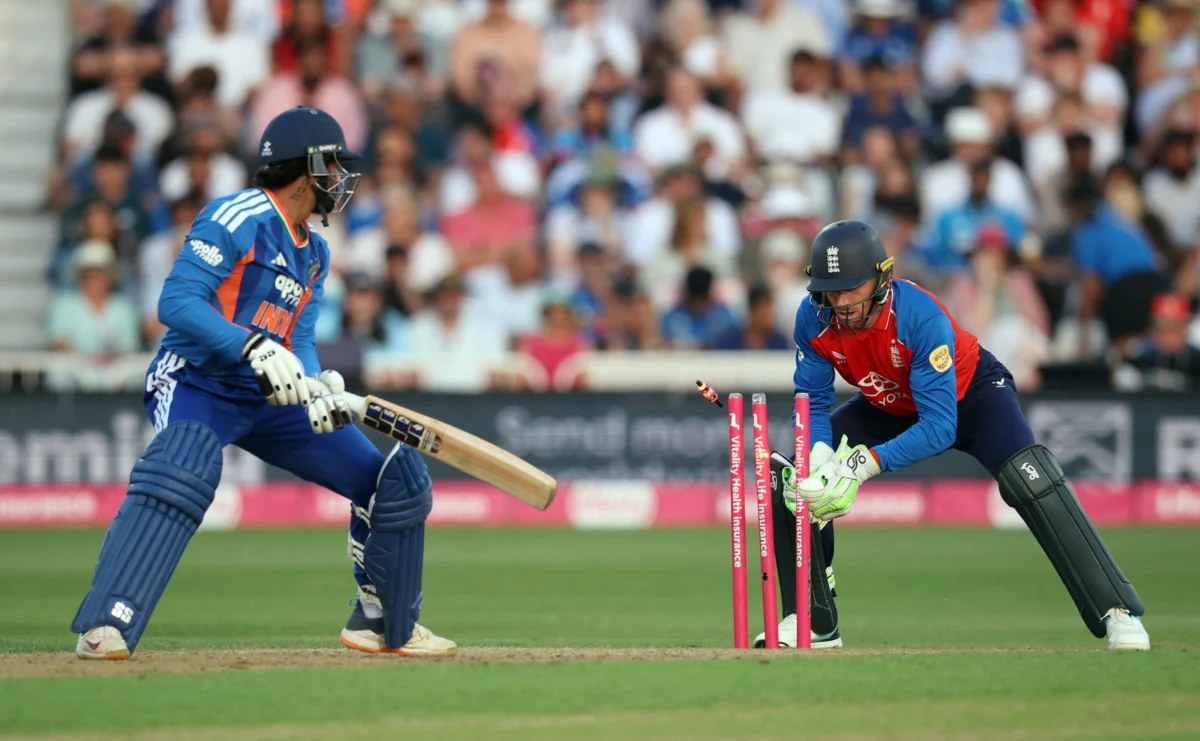
The Board of Control for Cricket in India (BCCI) has announced an imminent comprehensive review of the national T20 team’s performance following a dramatic slump in form that has seen the reigning T20 World Cup champions suffer back-to-back series defeats. This critical assessment comes on the heels of a crushing nine-wicket loss to England in the fourth T20 International, which handed the hosts an unassailable 3-0 lead in the five-match series, a result exacerbated by a preceding 2-0 series whitewash against Ireland last month. The unexpected downturn has triggered alarm within the cricketing establishment, prompting calls for immediate strategic intervention to address the team’s faltering trajectory.
The recent defeat in Bristol on Thursday epitomized India’s struggles, as England comfortably chased down India’s target of 158-7 with nine wickets in hand and more than six overs to spare. This result marked India’s fifth consecutive T20I loss, extending a disappointing run that began in Ireland. The series opener against England had been washed out, leaving India with a daunting task in the subsequent matches, a challenge they failed to meet convincingly. The profound dip in performance has been a stark contrast to the team’s triumphant campaign just months prior, when they lifted the T20 World Cup trophy in March, showcasing a brand of dominant, aggressive cricket.
The Precipitous Decline: A Chronology of Recent Form
India’s recent T20 journey has been a rollercoaster of emotions, transitioning from the euphoria of a World Cup victory to the current period of introspection.
- March 2026: T20 World Cup Triumph: India, under the captaincy that guided them through a spectacular tournament, defeated New Zealand by 96 runs in the final to claim their third T20 World Cup title. The victory was celebrated as a testament to India’s depth, strategic prowess, and aggressive batting philosophy. Key performances from established stars and emerging talents cemented their status as the world’s premier T20 side. This triumph set high expectations for future bilateral series and the defense of their title.
- June 2026: Ireland Tour Debacle: Following the World Cup high, India embarked on a two-match T20I series against Ireland. What was anticipated to be a routine affair turned into an unexpected nightmare. India suffered a 2-0 whitewash, with Ireland, often considered an underdog, outplaying them comprehensively. The losses, while not against a top-tier opponent, served as the first warning signs of potential underlying issues within the team’s current setup. The margins of defeat were concerning, signaling a lack of cohesion and execution.
- July 2026: England Series – A Detailed Breakdown: The tour of England was expected to be a stiffer challenge, pitting the World Champions against a strong cricketing nation known for its aggressive white-ball approach.
- First T20I (Venue Unspecified): The series began with a damp squib as the opening match was washed out due to adverse weather conditions, denying both teams an early opportunity to stamp their authority.
- Second T20I (Nottingham): India’s struggles became alarmingly evident in Nottingham, where they were dismissed for a paltry 76 runs, suffering their heaviest T20 International loss by a margin of 125 runs. This capitulation sent shockwaves through the cricketing world, raising serious questions about the team’s batting temperament and ability to adapt to challenging conditions. The performance was a significant departure from the confident batting displays seen during the World Cup.
- Third T20I (Venue Unspecified): While specific details of this match were not provided in the original brief, the overall series score of 3-0 to England implies another significant defeat for India, contributing to the unassailable lead. The pattern of losing matches convincingly was firmly established.
- Fourth T20I (Bristol, July 11): The nine-wicket defeat in Bristol, where England chased down 159 with considerable ease, sealed the series for the hosts. This loss not only confirmed England’s dominance but also underscored India’s inability to arrest their downward spiral. Despite setting a seemingly competitive total of 158-7, India’s bowlers found no answers to England’s aggressive batting, highlighting deficiencies in their bowling attack and fielding.
- July 12, 2026: BCCI Announces Review: Following the Bristol defeat, BCCI secretary Devajit Saikia confirmed that the board would hold a review meeting with the core members of the team after the England tour concludes on July 19. This official announcement formalizes the growing concerns within the board.
- July 13, 2026: Fifth T20I (Southampton): India will play the final T20I in Southampton, hoping to salvage some pride before transitioning to a three-match One Day International (ODI) series.
Statistical Underperformance: Unpacking the Numbers
The recent string of losses is not merely anecdotal; it is underpinned by stark statistical evidence of underperformance across key metrics. During the England series, India’s batting, a cornerstone of their T20 World Cup success, has appeared brittle.
- Batting Woes: The team’s average score has plummeted, and individual contributions have been inconsistent. In the T20 World Cup, India’s top order consistently provided blistering starts, often scoring at over 9-10 runs per over in the powerplay. In contrast, the current series has seen slower starts, frequent loss of early wickets, and an inability to build substantial partnerships. The collapse to 76 all out in Nottingham stands as a grim testament to this struggle, indicating a collective failure rather than isolated incidents. The overall team strike rate has noticeably decreased, and the boundary count per innings, a vital component of T20 success, has also seen a sharp decline compared to their World Cup form.
- Bowling Concerns: India’s bowling attack, usually potent and varied, has also struggled to contain opposition batsmen and pick up wickets at crucial junctures. While individual brilliance has been seen in flashes, the collective unit has lacked the incisiveness to dismantle strong batting line-ups. The economy rates of key bowlers have trended upwards, and the ability to bowl tight overs in the death, a hallmark of champion teams, has been conspicuously absent. The ease with which England chased down targets, particularly in Bristol, highlights a lack of penetration and strategic depth in the bowling department.
- Key Player Absences: The Jasprit Bumrah and Hardik Pandya Factor: A significant contributing factor to India’s struggles has been the absence of two of their most impactful multi-format players: pace spearhead Jasprit Bumrah and dynamic all-rounder Hardik Pandya. Bumrah, renowned for his death bowling prowess and ability to take wickets across all phases, is a generational talent whose absence leaves a massive void. His unique action and variations make him virtually irreplaceable. Hardik Pandya, with his explosive batting in the middle order and crucial medium-pace bowling, provides a rare balance to the team. His ability to accelerate scoring or provide vital breakthroughs with the ball is invaluable. The BCCI’s decision to manage their workload due to injury concerns, while prudent for long-term player welfare, has undoubtedly weakened the T20 squad’s immediate capabilities. Their absence disrupts the team’s equilibrium, impacting both batting depth and bowling options, forcing others to step into roles they may not be accustomed to, or are not yet ready for.
- The Sooryavanshi Conundrum: Pressure on a Prodigy: The debut of 15-year-old batting sensation Vaibhav Sooryavanshi, touted as a future star, has also added another layer to the team’s current challenges. Handed his long-awaited international debut, Sooryavanshi has struggled to make a significant impact, registering scores of 14, 13, and 15 in his three innings. While immense talent is evident, the intense pressure of international cricket, especially in a struggling team, appears to be a steep learning curve for the young prodigy. His struggles highlight the challenge of integrating raw talent into a high-pressure environment without the steadying influence of a winning momentum.
BCCI’s Stern Review: Official Response and Forward Path
The Board of Control for Cricket in India has wasted no time in addressing the escalating concerns. Devajit Saikia, BCCI secretary, confirmed the impending review, stating, "The BCCI is currently observing the performance of the Indian T20 team which has not been up to the mark in the ongoing series against England. We will have a review meeting with the core members of the team to discuss what went wrong in England." Saikia, who is currently in Edinburgh for the annual conference of the International Cricket Council, conveyed this sentiment to AFP, acknowledging the seriousness of the situation while maintaining a measured perspective. He described the slump as a "purely bad phase" and "not something abnormal," suggesting that such fluctuations can occur in international cricket.
However, the scope of this review is expected to be comprehensive, delving deeper than mere match results. It is anticipated to cover several critical areas:
- Player Fitness and Workload Management: A re-evaluation of the current workload management policies, particularly in light of Bumrah and Pandya’s absences, and its impact on player availability and performance.
- Selection Strategy: A critical look at the selection process, including the balance of the squad, the rationale behind specific player inclusions and exclusions, and the integration of young talent like Sooryavanshi. Questions may arise regarding the readiness of certain players for international cricket.
- Coaching and Support Staff: The effectiveness of the coaching staff, led by Gautam Gambhir, will likely come under scrutiny. While Gambhir is a respected figure with a winning mentality, the team’s current slump will inevitably place pressure on the strategic and motivational aspects of his role. The roles of various support staff, including batting, bowling, and fielding coaches, may also be assessed.
- Team Psychology and Morale: An examination of the team’s mental resilience, ability to perform under pressure, and overall morale, particularly after a series of heavy defeats.
- Future Tours Programme (FTP) and Preparation: How well the team is being prepared for upcoming challenges, considering the packed international schedule and the need to adapt to different conditions.
While Saikia framed the current situation as a temporary setback, sources within the board, speaking anonymously due to the sensitivity of the matter, indicate a deeper level of concern. There is an understanding that while a bad phase is normal, the extent of the recent losses, particularly the heavy margins, points to potential systemic issues that need immediate attention. The board is committed to ensuring India maintains its standing as a global cricketing powerhouse, and a thorough, objective review is seen as essential for future success. The review meeting, scheduled for after July 19, will involve key stakeholders, including selectors, captain (if applicable for T20s), coach, and top BCCI officials, to chart a clear path forward.
The Broader Implications: Questions for India’s T20 Future
The current crisis holds significant implications for India’s T20 cricket future, extending beyond the immediate series results.
- Impact on World Cup Defense: The most pressing concern is how this slump affects India’s preparations for defending their T20 World Cup title. While the next tournament is still some time away, a prolonged period of poor form can erode confidence, disrupt team combinations, and create doubts within the squad. The review must identify whether these are temporary blips or symptoms of deeper structural problems that could jeopardize their title defense.
- Player Pool and Bench Strength: The absence of key players like Bumrah and Pandya has highlighted a potential over-reliance on a few individuals. The review will likely assess the depth of India’s T20 talent pool and the readiness of the bench strength to step up in high-pressure situations. Are enough new talents emerging effectively, and are they being adequately prepared for international cricket? This series has exposed vulnerabilities that suggest a need to broaden the base of T20 specialists.
- Coaching and Support Staff Scrutiny: Coach Gautam Gambhir, a World Cup winner as a player, now faces his first major challenge in his coaching tenure. The pressure to turn the team’s fortunes around will be immense. The review might lead to changes in the coaching or support staff if strategic shortcomings are identified. A coach’s ability to instill confidence and adapt tactics is paramount, and the recent performances will undoubtedly test Gambhir’s leadership.
- Fan Sentiment and Media Scrutiny: Indian cricket fans are passionate and expect high standards from their national team, especially after a World Cup triumph. The successive losses have led to widespread disappointment and increased scrutiny from media and pundits. Calls for accountability and changes are already echoing across social media platforms and sports discussions. Managing public perception and rebuilding fan confidence will be crucial for the BCCI and the team.
- Upcoming Challenges: The ODI Series and Beyond: The immediate focus after the final T20I will shift to the three-match ODI series against England. The T20 slump could potentially impact the team’s morale and confidence going into the longer white-ball format, though the dynamics of ODI cricket are different. Beyond this tour, India has a packed international schedule, and addressing the T20 issues promptly will be vital to ensure overall cricketing success across formats. The board’s decisions post-review will shape India’s trajectory in white-ball cricket for the foreseeable future.
In conclusion, India’s T20 World Cup champions find themselves at a critical juncture. While BCCI secretary Devajit Saikia has characterized the current downturn as a "purely bad phase," the severity and consistency of the recent losses against Ireland and England demand more than a superficial assessment. The upcoming review promises to be a pivotal moment for Indian cricket, offering an opportunity to dissect the root causes of this slump and implement robust strategies for revival. The decisions made in the coming weeks will not only determine the immediate future of India’s T20 team but also lay the groundwork for their long-term success on the international stage, particularly as they look towards defending their coveted T20 World Cup title.
