

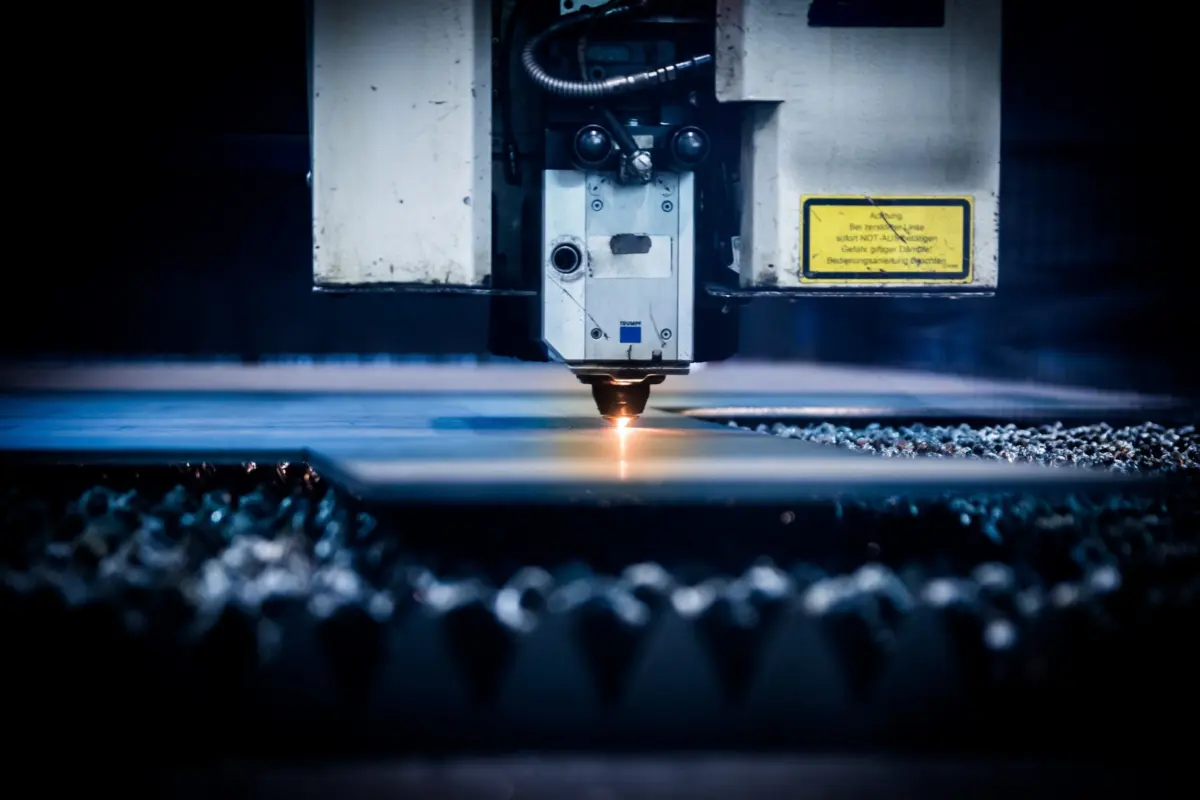
A significant financial milestone has been reached in the United States’ push to bolster its advanced manufacturing capabilities, with General Catalyst and JPMorgan Chase’s Strategic Investment Group spearheading a monumental $2.1 billion financing round. This substantial investment underscores a renewed national commitment to onshore critical manufacturing processes, reduce supply chain vulnerabilities exposed by recent global events, and foster innovation in high-tech sectors. While specific details of the recipient entity or the precise allocation of funds remain under wraps, the sheer scale of this financing signals a strategic pivot by major financial players towards the long-term growth and security of American manufacturing.
The impetus behind such a colossal investment is multi-faceted, drawing from a confluence of geopolitical shifts, technological advancements, and economic imperatives. The COVID-19 pandemic, in particular, served as a stark wake-up call, highlighting the fragility of globalized supply chains and the risks associated with over-reliance on foreign manufacturing for essential goods, from semiconductors to pharmaceuticals. This realization has prompted a bipartisan consensus in Washington to incentivize domestic production, recognizing it not only as an economic driver but also as a matter of national security.
This $2.1 billion injection of capital is poised to be a catalyst for transformative change within the US manufacturing landscape. It is anticipated that the funds will be channeled into a variety of strategic initiatives. These could include the establishment of new, state-of-the-art manufacturing facilities, the modernization of existing plants with cutting-edge automation and digital technologies, and significant investments in research and development to push the boundaries of what is currently possible in areas like artificial intelligence-driven production, advanced materials science, and sustainable manufacturing processes. Furthermore, a portion of the funding is likely to be dedicated to workforce development, addressing the critical skills gap that has long plagued the sector by supporting training programs and educational partnerships designed to equip the next generation of American manufacturers.
A Strategic Pivot Towards Domestic Production
The involvement of General Catalyst, a venture capital firm known for its significant investments in technology and disruptive innovation, alongside JPMorgan Chase’s Strategic Investment Group, which focuses on high-conviction, long-term opportunities, lends considerable weight to this initiative. Their combined expertise and financial firepower suggest a sophisticated and forward-thinking approach to revitalizing the US manufacturing base. This isn’t merely about funding individual companies; it appears to be a coordinated effort to build a robust ecosystem for advanced manufacturing, capable of competing on a global scale and ensuring greater resilience against future disruptions.
The timing of this announcement is particularly noteworthy. It follows a series of government-backed initiatives aimed at stimulating domestic production, such as the CHIPS and Science Act, which provides billions in subsidies for semiconductor manufacturing and research. This private sector investment complements and amplifies those governmental efforts, demonstrating a powerful synergy between public policy and private capital in achieving national economic and strategic goals. The $2.1 billion figure itself is a significant benchmark, surpassing many previous rounds of funding in the advanced manufacturing sector, indicating a profound shift in investor confidence and strategic priorities.
Background and Context: The Imperative for Reshoring
The concept of reshoring – bringing manufacturing back to the United States – has gained considerable traction over the past decade, but recent global events have amplified its urgency. Decades of globalization led many industries to move production overseas in search of lower labor costs and more favorable regulatory environments. While this brought about lower consumer prices for a period, it also created significant dependencies and vulnerabilities.
The early days of the COVID-19 pandemic vividly illustrated these risks. Supply chains for everything from personal protective equipment (PPE) to essential electronic components fractured, leading to widespread shortages and price hikes. The geopolitical tensions that have emerged in recent years, particularly between the United States and China, have further underscored the strategic imperative of reducing reliance on single-source or politically volatile manufacturing hubs.
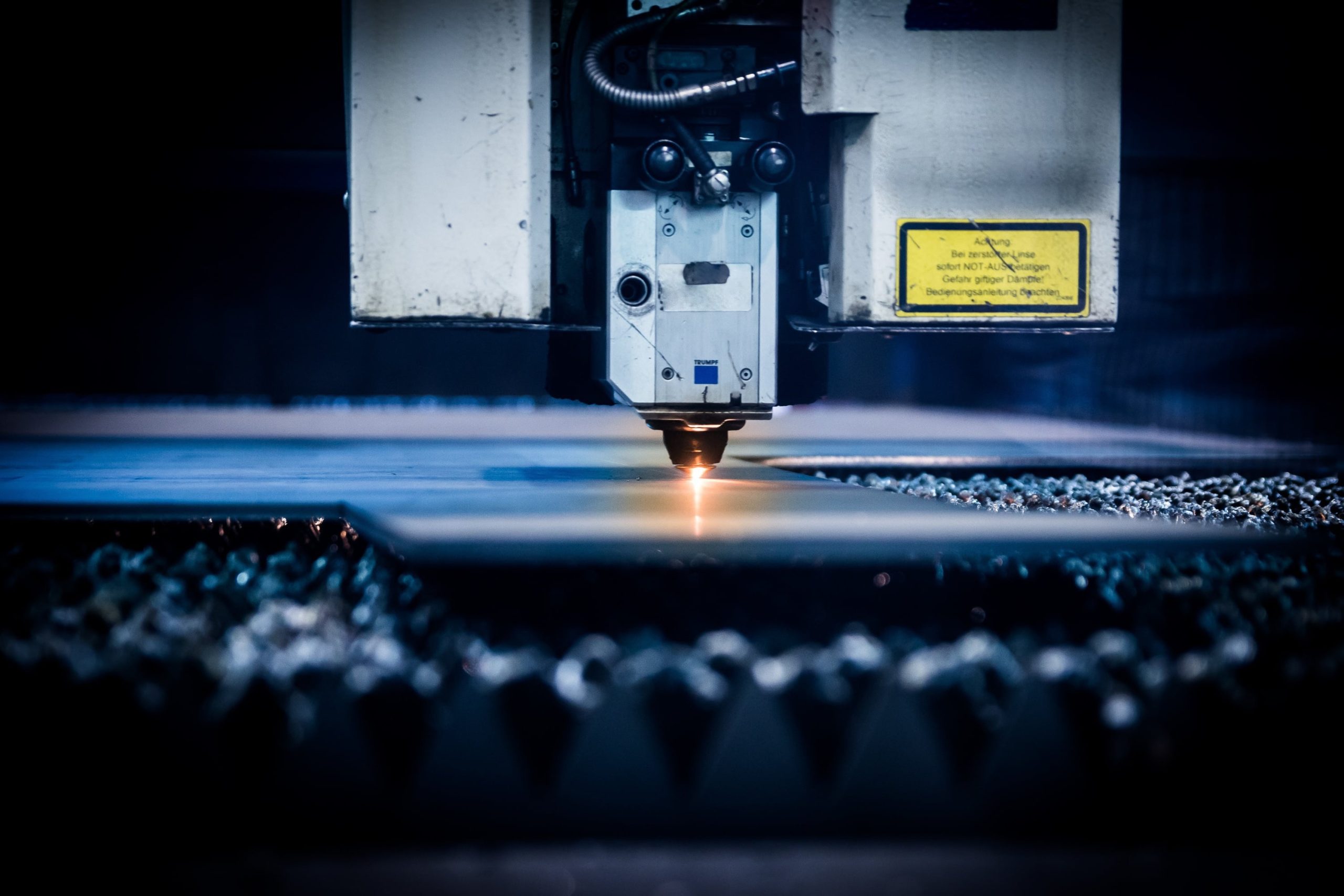
Advanced manufacturing, which encompasses a wide range of technologies including robotics, artificial intelligence, 3D printing, and advanced materials, is seen as the key to making domestic production competitive. Unlike traditional manufacturing, which often relies heavily on low-cost labor, advanced manufacturing leverages automation and intellectual capital, creating high-skilled, high-paying jobs and fostering innovation. The $2.1 billion investment is squarely aimed at accelerating the adoption and scaling of these advanced technologies within the US.
Potential Areas of Focus for the Investment
While the exact recipients and projects are not yet public, informed analysis suggests several key areas where this significant capital infusion is likely to be deployed:
- Semiconductor Manufacturing: Following the passage of the CHIPS Act, there is a concerted effort to rebuild US leadership in semiconductor design and fabrication. This investment could accelerate the construction of new foundries, support the development of advanced chip technologies, and bolster the talent pipeline for this critical industry.
- Biotechnology and Pharmaceuticals: The pandemic highlighted the need for a robust domestic pharmaceutical supply chain. Funding could support the expansion of manufacturing facilities for active pharmaceutical ingredients (APIs), vaccine production, and the development of novel drug manufacturing techniques.
- Electric Vehicle (EV) and Battery Production: The transition to electric vehicles is a major economic and environmental priority. This investment could fuel the expansion of EV assembly plants, the development of domestic battery gigafactories, and the sourcing of raw materials for battery production within the US.
- Aerospace and Defense: Maintaining a strong domestic defense industrial base is a national security imperative. Funding could be directed towards advanced manufacturing capabilities for next-generation aircraft, drones, and defense systems, incorporating cutting-edge materials and production techniques.
- Robotics and Automation: To enhance productivity and competitiveness, US manufacturers need to embrace automation. This investment could support companies developing and deploying advanced robotics, AI-powered manufacturing systems, and smart factory solutions.
- Advanced Materials: The development and production of novel materials, such as advanced composites, high-performance alloys, and sustainable polymers, are crucial for innovation across various sectors. Funding could accelerate research, development, and scaling of these materials.
Timeline and Chronology of a Reshoring Push
The current wave of focus on advanced manufacturing and reshoring has a discernible, albeit accelerating, timeline:
- Mid-2010s: Early discussions and pilot programs around "Industry 4.0" and smart manufacturing begin to gain traction, emphasizing the integration of digital technologies.
- Late 2010s: Geopolitical tensions and trade disputes begin to highlight the risks associated with extended global supply chains, prompting more serious consideration of domestic production.
- Early 2020s (COVID-19 Pandemic): The global health crisis acts as a major catalyst, exposing critical supply chain fragilities and leading to urgent calls for onshoring essential manufacturing. This period sees a surge in government-led initiatives and private sector interest.
- 2021-2022: The US government passes landmark legislation like the CHIPS and Science Act and the Inflation Reduction Act, providing significant incentives for domestic manufacturing in key sectors like semiconductors and clean energy.
- 2023-Present: The $2.1 billion financing round led by General Catalyst and JPMorgan Chase’s Strategic Investment Group represents a significant private sector response to these evolving dynamics, signaling a mature and substantial commitment to the advanced manufacturing agenda. This move suggests that the initial reactive phase is transitioning into a proactive, long-term strategic build-out.
Supporting Data and Market Trends
The rationale behind this substantial investment is supported by several key data points and market trends:
- Global Supply Chain Resilience Concerns: A recent survey by McKinsey & Company indicated that over 90% of supply chain managers reported disruptions in their supply chains in the past year, with many attributing these to geopolitical instability and pandemic-related issues. This highlights a clear and present need for diversified and localized sourcing.
- Growth in Advanced Manufacturing Technologies: The global market for industrial automation and robotics is projected to grow significantly in the coming years. Mordor Intelligence forecasts the industrial robotics market to reach $84.7 billion by 2028, growing at a CAGR of 12.7%. Similarly, the adoption of AI in manufacturing is expected to drive substantial efficiency gains.
- Governmental Support and Incentives: Beyond the CHIPS Act, various federal and state programs offer tax credits, grants, and other incentives to encourage domestic manufacturing investments. This creates a more favorable investment climate.
- Shifting Consumer Preferences: There is a growing consumer awareness and preference for products manufactured domestically, driven by concerns about quality, ethical production, and national economic support.
- Talent Gap in Skilled Trades: Despite the push for manufacturing, a significant skills gap exists. Investments in training and education are crucial to fill these roles, and this financing is expected to address this critical need.
Reactions and Implications
While official statements from General Catalyst and JPMorgan Chase are not yet available in this excerpt, the implications of their leadership in this financing round are profound.
- For the US Economy: This investment is expected to create thousands of high-skilled jobs, boost regional economies where new facilities are established, and enhance the nation’s technological competitiveness. It signals a commitment to a future where the US is not just a consumer of advanced goods but a leading producer.
- For Global Manufacturing: This move could signal a broader trend of rebalancing global manufacturing, potentially leading to increased competition and diversification of supply chains worldwide. It may encourage other nations to invest more heavily in their own domestic manufacturing capabilities.
- For Technology Innovation: By channeling funds into advanced manufacturing, this investment will likely accelerate the adoption and development of cutting-edge technologies, fostering a more dynamic and innovative industrial sector.
- For Supply Chain Stability: A strengthened domestic manufacturing base will contribute to greater supply chain resilience, reducing the impact of future global shocks and ensuring the availability of critical goods.
This $2.1 billion financing represents a pivotal moment for US advanced manufacturing. It signifies a robust commitment from leading financial institutions to rebuild and modernize the nation’s industrial backbone, aligning with governmental priorities and addressing the vulnerabilities exposed by recent global events. The scale and strategic nature of this investment suggest a long-term vision aimed at securing economic prosperity and national security through a revitalized and technologically advanced manufacturing sector. The coming years will reveal the specific projects and companies that will benefit from this landmark funding, but the direction of travel is clear: the United States is making a significant strategic investment in its manufacturing future.
