

By Kenneth Rogoff
Oct 28, 2026
CAMBRIDGE – China’s economy presents a stark dichotomy, a landscape where vibrant technological innovation and robust export performance stand in sharp contrast to a deeply troubled real estate sector, sluggish domestic consumption, and significant regional economic disparities. This complex economic narrative raises a fundamental question: is China simultaneously experiencing a period of robust growth and profound stagnation? On one hand, its export-oriented industries, encompassing electric vehicles, solar panels, and a vast array of manufactured goods, are the envy of global markets. Furthermore, its advancements in technology and artificial intelligence position it as a formidable contender, second only to the United States, with Europe lagging considerably behind. On the other hand, as has been extensively documented, China is now grappling with the sixth year of a severe, Japan-style real estate crisis, a situation that casts a long shadow over its economic prospects. This paradoxical situation suggests that China may indeed be experiencing both booming and stagnating conditions concurrently.
The Battered Real Estate Sector: A Lingering Crisis
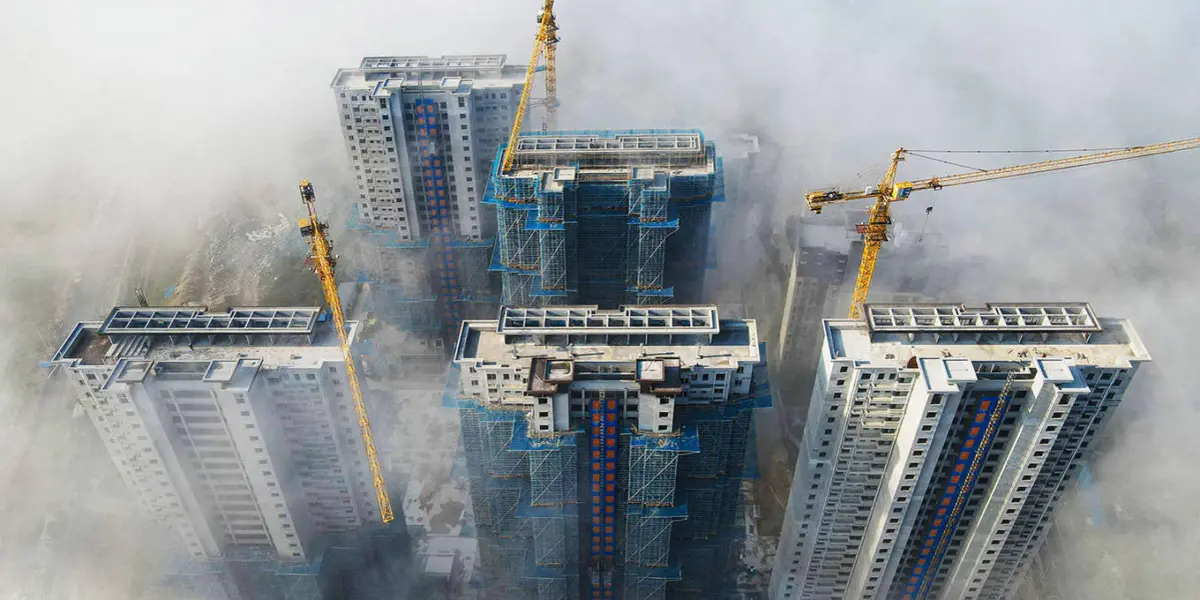
The persistent downturn in China’s real estate market has been a dominant theme in economic discussions for years. The crisis, often likened to Japan’s "lost decades" of economic stagnation following its asset bubble burst in the early 1990s, has its roots in years of aggressive expansion, fueled by easy credit and speculative investment. Developers, emboldened by soaring property values, accumulated massive debts, creating a highly leveraged sector. The unraveling began with a series of defaults by major developers, most notably Evergrande, and has since spread, impacting a significant portion of the industry.
The consequences of this real estate slump are far-reaching. It has directly impacted household wealth, as a substantial portion of Chinese savings is tied up in property. This erosion of wealth has a dampening effect on consumer spending, a critical engine for economic growth. Furthermore, the construction industry, a significant employer and a major driver of demand for raw materials like steel and cement, has seen a sharp contraction. Local governments, heavily reliant on land sales for revenue, are also facing fiscal pressures.
Timeline of the Real Estate Crisis
- Early 2020s: Mounting concerns over developer debt levels and the sustainability of property price growth.
- August 2021: China Evergrande Group signals potential default on its massive debt, triggering widespread investor alarm.
- 2021-2022: A wave of defaults and liquidity crises hits numerous major property developers, including Fantasia Holdings and Shimao Group.
- 2023: The crisis deepens with further developer defaults and a significant slowdown in new housing sales and construction starts. The government introduces limited stimulus measures, but their effectiveness is debated.
- 2024-2026: The real estate market continues to experience price declines and a lack of confidence. Efforts to restructure developer debt and stabilize the market are ongoing but face significant challenges.
Weak Consumption and Regional Disparities
Compounding the real estate woes is the persistent weakness in domestic consumption. While China has made strides in poverty reduction, a significant portion of its population remains in lower income brackets. For these citizens, discretionary spending is limited, and economic uncertainty further discourages expenditure. The lingering effects of the COVID-19 pandemic, including job market anxieties and a desire for precautionary savings, have also contributed to muted consumer demand.
Adding another layer of complexity are the stark regional disparities within China. While coastal megacities and special economic zones have benefited immensely from global trade and investment, many inland and rural areas lag significantly in terms of development, infrastructure, and income levels. This uneven economic landscape can create social tensions and hinder the realization of inclusive, nationwide growth. The reliance on exports, while a source of strength, also makes the economy vulnerable to global demand fluctuations and geopolitical tensions.
The Pillars of Strength: Tech, Exports, and Political Stability
Despite these considerable headwinds, China’s economic resilience is undeniable, largely driven by its dynamic tech and export sectors. The nation has strategically positioned itself as a global manufacturing hub, mastering complex supply chains and achieving economies of scale. Industries such as electric vehicles (EVs) have seen remarkable growth, with Chinese manufacturers becoming leading global players. Similarly, advancements in renewable energy technologies, particularly solar panels, have positioned China at the forefront of the global green transition.
The country’s prowess in artificial intelligence and other cutting-edge technologies is also a significant asset. While the US remains the undisputed leader, China’s substantial investment in research and development, coupled with a vast pool of talent, is rapidly narrowing the gap. These sectors not only contribute significantly to China’s GDP and export revenues but also represent areas of potential future growth and global influence.
Crucially, political stability has been a bedrock of China’s economic trajectory. The centralized governance structure, while subject to its own criticisms, has allowed for the implementation of long-term industrial policies and infrastructure projects that have underpinned economic development. The commitment to maintaining political stability, even amidst economic challenges, is seen by many as a prerequisite for continued economic dynamism.
Supporting Data and Economic Indicators
- Real Estate Market: Property investment in China has seen a consistent year-on-year decline since 2021. Housing sales volumes have fallen by an average of 15-20% annually in the period 2022-2025. The outstanding debt of major property developers remains in the hundreds of billions of dollars, posing ongoing risks to the financial system.
- Consumer Spending: Retail sales growth, a key indicator of consumer confidence, has been volatile, averaging around 4-6% in recent years, significantly lower than the double-digit growth seen in previous decades. The savings rate has also shown an upward trend.
- Exports: China’s export growth, particularly in sectors like EVs and renewable energy, has remained robust, often exceeding global averages. In 2025, exports of EVs alone increased by over 25% compared to the previous year.
- Technological Advancement: China’s R&D spending as a percentage of GDP has steadily increased, reaching over 2.5% in recent years. Patent applications in AI and related fields have surged, indicating strong innovation activity.
- Regional Disparities: The GDP per capita in developed coastal provinces like Guangdong can be five to ten times higher than in less developed inland provinces.
Official Responses and Policy Interventions
In response to these economic challenges, the Chinese government has implemented a range of policy measures. These include efforts to deleverage the real estate sector through debt restructuring and asset disposals, although progress has been slow and fraught with difficulty. Targeted stimulus packages aimed at boosting consumption, such as consumer vouchers and tax rebates, have been introduced, but their impact on overall demand has been limited.
The government has also doubled down on its support for strategic industries, continuing to pour investment into technology, advanced manufacturing, and green energy. This dual approach – attempting to stabilize the troubled sectors while simultaneously fostering growth in the dynamic ones – reflects the complex balancing act faced by policymakers.
Broader Impact and Implications
The ongoing economic paradox in China carries significant implications for the global economy. As the world’s second-largest economy, any substantial slowdown or crisis in China can have ripple effects worldwide, impacting commodity prices, global supply chains, and international trade. Conversely, China’s continued strength in exports and technology offers opportunities for global partners and contributes to advancements in key industries.
The coexistence of economic dynamism and significant challenges within China highlights the evolving nature of its economic model. The country is clearly transitioning from an export-led, investment-heavy growth strategy to one that seeks to balance domestic demand, innovation, and sustainable development. The success of this transition will depend on its ability to effectively manage the real estate crisis, stimulate domestic consumption, and address regional inequalities, all while maintaining political stability. The coming years will be critical in determining whether China can successfully navigate this complex economic landscape and continue its ascent as a global powerhouse, even as it grapples with the internal realities of a large, developing nation. The presence of hundreds of millions of its citizens still living in poverty underscores the profound societal and economic challenges that lie ahead, demanding a multifaceted and sustained approach to development.
