

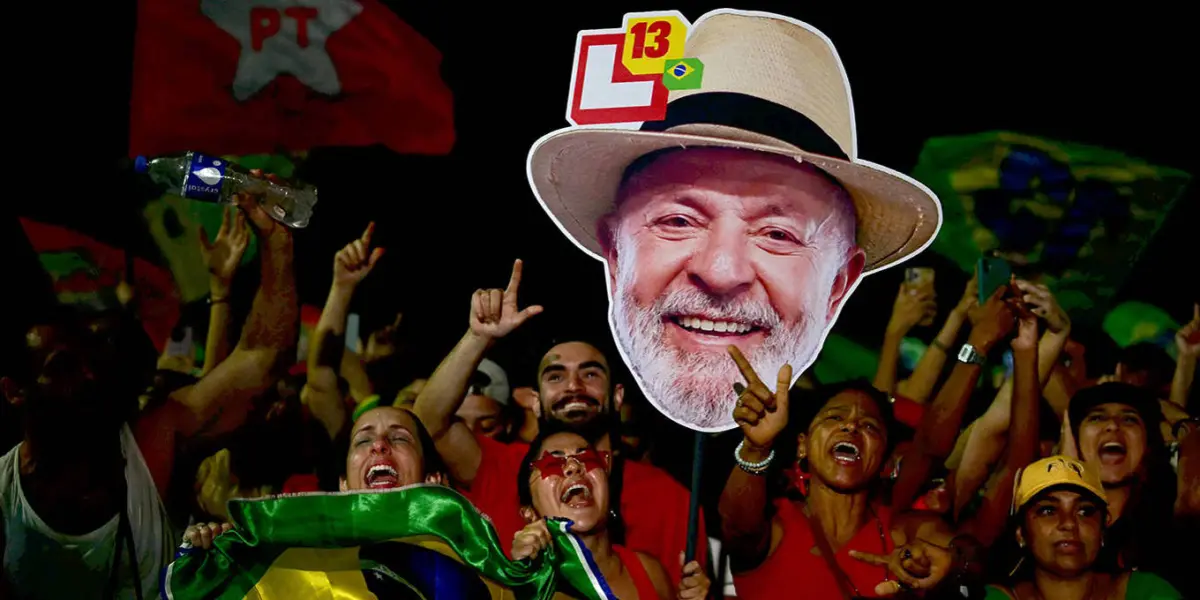
Brazil’s democratic confidence, demonstrably re-energized by the recent presidential election, now faces the crucial imperative of translating this electoral success into tangible institutional and structural reforms. The mandate secured by President Luiz Inácio Lula da Silva in a hard-fought runoff election necessitates a forward-looking strategy that extends beyond traditional political alignments, embracing a broader coalition-building approach. Examining recent democratic transitions in Hungary and Serbia offers valuable insights and potential blueprints for navigating these complex post-election dynamics.
The historic triumph of Luiz Inácio Lula da Silva in the 2026 presidential election marked a pivotal moment for Brazilian democracy. His remarkable comeback, overturning a first-round deficit to secure re-election with nearly 52% of the vote against Flávio Bolsonaro’s 48%, underscored a deep wellspring of popular support and a powerful rejection of a potentially authoritarian trajectory. The election saw an impressive turnout, with over 128 million Brazilians participating, representing an increase of nearly three million voters compared to the initial round. This surge in electoral engagement, particularly in the decisive runoff, signals a robust commitment to the democratic process among the electorate.
The Electoral Landscape: A Deeply Divided Nation
The 2026 Brazilian presidential election was characterized by its intensity and the stark ideological divide it exposed. The contest between Luiz Inácio Lula da Silva, representing a broad coalition of left-leaning parties, and the incumbent Flávio Bolsonaro, a populist conservative, captivated the nation and garnered significant international attention. The election unfolded against a backdrop of economic challenges, social polarization, and debates surrounding democratic institutions and environmental policies.
Timeline of Key Electoral Events:
- October 2, 2026 (First Round): Presidential and general elections are held. No candidate secures an outright majority, necessitating a runoff. Bolsonaro leads Lula da Silva by a narrow margin.
- October 25, 2026 (Second Round – Runoff): A highly anticipated runoff election takes place between Lula da Silva and Flávio Bolsonaro.
- October 27, 2026 (Official Results Announced): The Superior Electoral Court (TSE) officially declares Luiz Inácio Lula da Silva the winner, having secured 51.9% of the valid votes. Voter turnout exceeds expectations, with over 128 million ballots cast.
The narrow margin of victory in the runoff highlighted the deeply polarized nature of Brazilian society. The 48.1% of the vote garnered by Bolsonaro indicates a substantial segment of the population remains aligned with his political platform, presenting a significant challenge for President Lula da Silva’s administration in terms of national unity and governance. This division necessitates a concerted effort to bridge ideological gaps and foster a sense of shared national purpose.
The Significance of Lula’s Comeback: A Democratic Mandate
President Lula da Silva’s victory is historically significant. It marks the first time in Brazilian presidential history that a candidate trailing in the first round managed to overturn the deficit in a runoff. This feat is not merely a statistical anomaly; it represents a powerful endorsement of his political vision and a clear rejection of the direction offered by his opponent. The nearly 128 million votes cast in the second round, exceeding first-round participation by almost three million, demonstrate a heightened sense of urgency and engagement among the electorate, underscoring their commitment to shaping the nation’s future.
The high turnout can be attributed to several factors, including a highly mobilized electorate on both sides, intense media coverage, and a perceived high stake in the outcome for the future of Brazil’s democratic institutions, social policies, and international standing. The election’s outcome has been interpreted by many as a vote of confidence in Brazil’s democratic resilience and a desire to reaffirm established democratic norms and institutions.
Beyond the Ballot Box: The Imperative for Reform
While the electoral victory provides a strong democratic mandate, it is only the first step. The true test for President Lula da Silva’s administration lies in its ability to translate this renewed confidence into meaningful institutional and structural reforms. The challenges facing Brazil are multifaceted, encompassing economic development, social inequality, environmental protection, and the strengthening of democratic governance.
Key Areas for Reform:
- Institutional Strengthening: Reforming governmental institutions to enhance transparency, accountability, and efficiency is paramount. This includes bolstering the independence of judicial bodies, ensuring robust oversight mechanisms, and combating corruption at all levels.
- Economic Revitalization: Addressing economic stagnation, high unemployment, and persistent inflation will require targeted policies aimed at fostering sustainable growth, attracting investment, and reducing income disparities.
- Social Cohesion: Bridging the deep societal divisions exposed by the election will demand inclusive policies that address the concerns of all segments of the population, promoting dialogue and reconciliation.
- Environmental Stewardship: Reaffirming Brazil’s commitment to environmental protection, particularly the Amazon rainforest, is crucial for both domestic well-being and its standing on the global stage. This involves implementing effective conservation strategies and promoting sustainable development models.
Lessons from Eastern Europe: Navigating Coalition Building
The article suggests looking to Hungary and Serbia for insights into navigating post-election reform, particularly in the context of coalition building. While these countries have faced their own unique political trajectories, their experiences offer cautionary tales and potential strategies for managing diverse political landscapes.
Hungary’s Experience: Under Prime Minister Viktor Orbán, Hungary has seen a consolidation of power within the ruling Fidesz party. While Orbán has maintained popular support through nationalist rhetoric and social conservatism, his tenure has been marked by concerns regarding democratic backsliding, the erosion of checks and balances, and the weakening of independent media. For Brazil, Hungary’s experience serves as a reminder of the potential pitfalls of unchecked executive power and the importance of safeguarding democratic institutions, even when facing popular pressure. The emphasis in Brazil should be on strengthening, not undermining, the separation of powers and the rule of law.
Serbia’s Trajectory: Serbia has also undergone significant political transformations, with periods of democratic progress interspersed with challenges related to corruption, rule of law, and regional stability. The country’s experience highlights the complexities of democratic consolidation in a post-conflict or transitional environment. For Brazil, Serbia’s journey underscores the need for sustained commitment to democratic reforms, even in the face of political headwinds. It also points to the importance of addressing issues of corruption and strengthening judicial independence as foundational elements for long-term stability and development.
The key takeaway from these Eastern European examples for Brazil is the critical need for a proactive and inclusive approach to governance. While President Lula da Silva has the mandate to lead, building lasting political stability and achieving substantive reforms will require reaching out beyond his immediate political base. This means engaging with opposition parties, civil society organizations, and various economic and social stakeholders to forge common ground and build broad-based consensus.
Broader Implications: Global Standing and Democratic Norms
The outcome of Brazil’s election has significant implications not only for the nation itself but also for the broader international community. As the largest economy in Latin America and a major global player, Brazil’s political stability and democratic trajectory are closely watched.
International Reactions:
- United Nations Secretary-General António Guterres likely issued a statement commending Brazil for its high voter turnout and reaffirming the importance of democratic processes.
- Leaders of other Latin American nations, particularly those with left-leaning governments, would have congratulated President Lula da Silva, signaling a potential strengthening of regional cooperation.
- The United States and European Union would have welcomed the peaceful resolution of the election and expressed a desire to work with the new administration on shared priorities, such as climate change and economic cooperation.
- International financial institutions, such as the International Monetary Fund (IMF) and the World Bank, would have closely monitored the election results for signals regarding economic policy, which could influence investment and development aid.
President Lula da Silva’s return to power is expected to signal a renewed emphasis on multilateralism, international cooperation, and a stronger stance on climate change. His administration’s success in navigating the post-election landscape will serve as a vital case study for other nations grappling with similar challenges of democratic renewal and inclusive governance. The ability of Brazil to leverage its renewed democratic confidence into concrete policy actions and broad coalition-building will be a defining factor in its future prosperity and its role on the global stage. The path ahead is complex, but the electoral mandate provides a powerful foundation upon which to build a more resilient and prosperous Brazil.
