

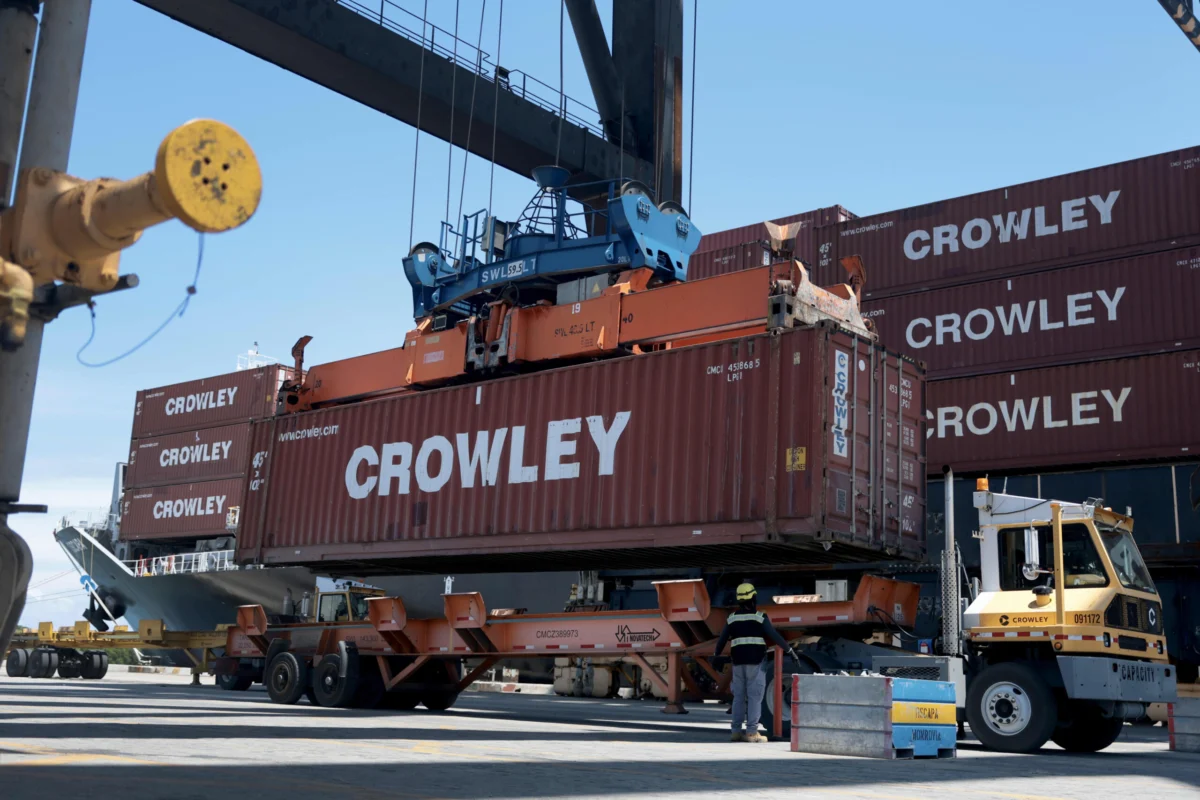
The cost of goods imported into the United States experienced an unexpected and significant increase in June, defying economists’ forecasts and highlighting a concerning trend of broadening inflationary pressures beyond the energy sector. The Bureau of Labor Statistics (BLS) reported Friday that overall import prices rose by 0.3% for the month, a figure that masked even steeper gains in key categories, particularly from China. This unexpected uptick contributed to an annual increase of 7.1%, the most substantial year-over-year jump recorded since August 2022, signaling a potential shift in the inflation landscape that Federal Reserve policymakers are closely monitoring. Economists surveyed by Dow Jones had anticipated a decline of 0.8% for June, underscoring the surprise nature of the BLS report.
Key Drivers of the Import Price Surge
Several factors contributed to the unexpected rise in import prices. While a decline in energy prices offered a slight offset, it was more than compensated for by increases in other goods. Notably, the escalating costs associated with the build-out of artificial intelligence infrastructure appear to be filtering into the price of components. The BLS report indicated a rise in costs for computers, peripherals, and semiconductors, suggesting that the surging demand for AI-related hardware is beginning to impact import prices.
Beyond the technology sector, industrial and service machinery also played a significant role in driving up costs. These increases more than offset a 0.4% decrease in prices for fuels and lubricants, a category that had seen a substantial 12.6% jump in May. This diversification of price increases across different sectors is a key concern for economists and policymakers, as it suggests that inflationary pressures are no longer solely concentrated in volatile energy markets.
China’s Growing Influence on Import Costs
A particularly striking aspect of the June report was the significant rise in prices for goods imported from China. Import prices from China surged by 0.9% in June, marking the largest monthly increase since January 2008. This substantial jump could be a reflection of various factors, including potential tariff impacts and shifts in global supply chain dynamics. The 12-month increase in import prices from China stood at 1.3%, the largest yearly gain observed since the period between November 2021 and November 2022.
While import prices from China saw a notable increase, the trend for U.S. exports to China presented a different picture. Export prices to China actually fell by 0.2% in June. However, on an annual basis, export prices to China experienced a significant increase of 7.4%, representing the largest monthly increase dating back to August 2022. This complex dynamic highlights the intricate trade relationship between the two economic giants and the potential for price fluctuations to be influenced by a multitude of factors, including trade policies and global demand.
A Broadening Inflationary Picture
The BLS report painted a broader picture of inflation that is increasingly showing signs of spreading beyond the energy sector. While a decline in oil costs did contribute to moderating prices in June, the overall trend suggests that businesses are facing a variety of rising costs that are being passed on to consumers.
Export prices, which can serve as an indicator of global demand and production costs, broadly decreased by 0.6% in June. This marked the first monthly drop in export prices since May 2025. However, despite this monthly decline, export prices remained elevated on an annual basis, rising by 10.2%. This suggests that while there may be some short-term easing in global demand or production cost pressures, the underlying trend of higher export prices persists.
Context: The Fed’s Inflation Battle and Geopolitical Influences
The unexpected rise in import prices comes at a critical juncture for the Federal Reserve, which has been actively working to bring inflation back to its 2% target. Earlier in the week, the BLS had reported declines in both consumer and wholesale prices, largely attributed to a temporary softening of tensions between the U.S. and Iran that had led to a brief dip in energy costs. This period of apparent disinflation, however, appears to have been short-lived.
Federal Reserve officials have been grappling with the persistent inflation challenge since prices initially surged following heightened geopolitical tensions in late February, particularly concerning attacks on Iran. The recent import price data complicates the narrative of cooling inflation and presents a renewed challenge for the central bank.
Fed Officials Weigh In on Inflation Outlook
In congressional hearings earlier this week, Federal Reserve Chairman Kevin Warsh expressed caution regarding the recent softer inflation reports. He stated that he did not view the June inflation data as an indication that the central bank’s work on returning inflation to the 2% goal was complete. His assessment was echoed by the ongoing data, which showed consumer prices up 3.5% from a year ago and wholesale costs rising 5.5%, even with their respective monthly declines in June.
Further underscoring the concerns within the Federal Reserve, Dallas Fed President Lorie Logan indicated on Thursday that benchmark interest rates should be "modestly higher" to effectively combat the ongoing inflation problem. Her sentiment was echoed by Cleveland Fed President Beth Hammack on Friday, who also suggested that monetary policy needs to be tightened.
In a LinkedIn post, Hammack articulated the growing sentiment among businesses and consumers. "For the first time in my tenure, I’m hearing from businesses who say they think we need to take action to curb inflation, and from consumers who can’t make ends meet about a growing sense of despair," she stated. This sentiment highlights the real-world impact of persistent inflation on both economic actors and the broader population.
Broader Implications and Future Outlook
The unexpected surge in import prices has several significant implications for the U.S. economy. Firstly, it signals that the fight against inflation is far from over and may require sustained efforts from the Federal Reserve. The broadening of price increases across various sectors suggests that inflationary pressures are becoming more entrenched, potentially making them more difficult to dislodge.
Secondly, the continued reliance on imports, particularly from China, means that the U.S. economy remains susceptible to global supply chain disruptions, trade policies, and international economic shifts. The significant rise in import prices from China specifically raises questions about the effectiveness of current trade strategies and the potential for future cost increases to impact American businesses and consumers.
The data also suggests that the "AI boom," while driving innovation and economic activity, could have an inflationary component. As demand for advanced computing power and related hardware continues to soar, the cost of these essential components may continue to rise, impacting a wide range of industries that rely on AI technology.
Looking ahead, the Federal Reserve will likely face increased pressure to maintain a hawkish stance on monetary policy. The recent import price data, coupled with persistent underlying inflation in consumer and wholesale prices, suggests that interest rate cuts may be further delayed. The central bank’s decisions will be closely watched by markets and economists as they navigate the complex challenge of taming inflation without triggering a significant economic slowdown. The interplay of global economic factors, geopolitical developments, and domestic policy decisions will continue to shape the inflation narrative in the coming months, with this latest BLS report serving as a stark reminder of the ongoing battle to achieve price stability.
