

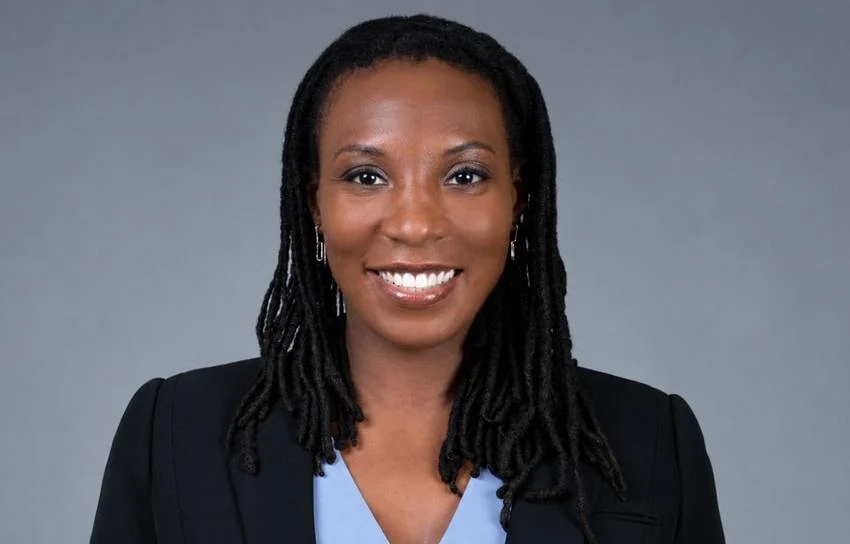
The global banking giant HSBC has officially designated Nneka Chike-Obi as the new Head of Sustainability within its Global Investment Research division, signaling a major strategic realignment in how the institution integrates environmental, social, and governance (ESG) factors into its primary market analysis. Based in Hong Kong, Chike-Obi will oversee a specialized team of sustainability analysts worldwide, tasked with providing institutional clients with data-driven insights into the rapidly evolving landscape of sustainable finance.
This appointment follows Chike-Obi’s initial move to HSBC in December 2025, where she served as Director of Sustainability for Global Investment Research. Her elevation to the leadership role marks a pivotal moment for the bank as it seeks to consolidate its reputation as a leader in transition finance and macro-level sustainability intelligence. The move comes at a time when institutional investors are increasingly demanding that ESG considerations be treated not as a niche specialty, but as a fundamental component of macroeconomic and asset class strategy.
A Strategic Integration into Macro Strategy
The appointment of Chike-Obi is the centerpiece of a broader organizational restructuring at HSBC. David May, the Global Head of Investment Research at HSBC, confirmed that the firm is transitioning its sustainability coverage into its "Macro Strategy" pillar. This structural shift is designed to dismantle the silos that traditionally separated ESG analysis from core financial forecasting. By embedding sustainability analysts within the macro strategy framework, HSBC aims to create a more cohesive narrative that links climate transition, social governance, and regulatory shifts directly to interest rates, currency fluctuations, and equity valuations.
In a statement regarding the new leadership and structural change, David May emphasized the client-centric nature of the move. "With clients at the heart of everything we do, we’re evolving our sustainability offering to deliver more integrated and actionable insights across macro, asset class strategy, and sustainability," May stated. This integration reflects a growing consensus in the financial world that "E," "S," and "G" factors are no longer externalities but are intrinsic to the long-term health of global economies and the performance of diversified portfolios.
Professional Background and Expertise
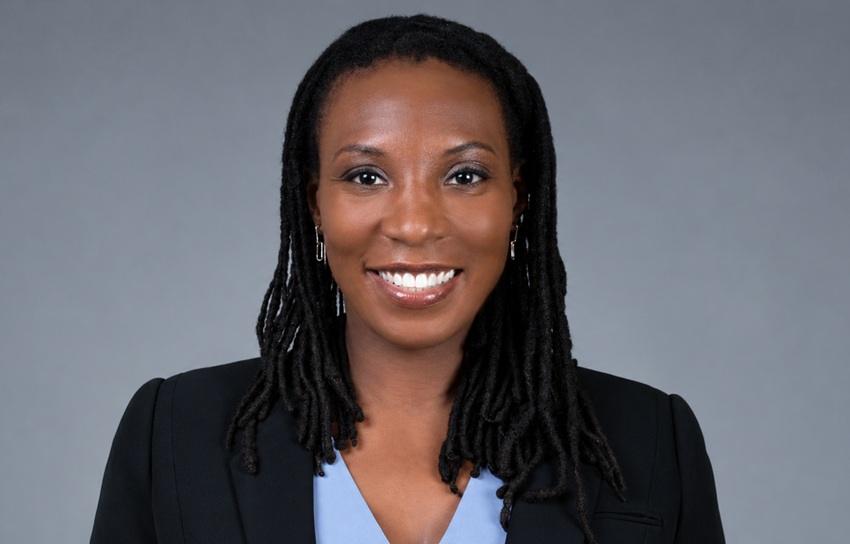
Nneka Chike-Obi brings a wealth of specialized experience to the role, having spent a significant portion of her career at the intersection of credit ratings and sustainable finance. Prior to joining HSBC in late 2025, she held the position of Head of APAC ESG Research, Ratings & Opinions at Sustainable Fitch. During her tenure there, she was instrumental in developing frameworks for assessing the ESG credentials of various debt instruments and corporate entities across the Asia-Pacific region.
Her resume also includes a tenure as Director of Sustainable Finance at Fitch Ratings, where she focused on the intersection of credit risk and climate transition. This background in credit and ratings is particularly valuable in the current market environment, where the "greenwashing" of financial products remains a significant concern for regulators and investors alike. Chike-Obi’s expertise in rigorous, ratings-based analysis is expected to bring a higher level of scrutiny and standardization to HSBC’s sustainability research products.
The Chronology of HSBC’s Sustainability Evolution
To understand the significance of Chike-Obi’s appointment, it is necessary to view it within the timeline of HSBC’s broader institutional journey toward sustainability:
- 2020: HSBC announced its ambition to become a net-zero bank by 2050 or sooner, aligning its financed emissions with the goals of the Paris Agreement.
- 2021–2023: The bank significantly expanded its Sustainable Finance and Advisory teams, focusing on helping carbon-intensive clients transition to lower-carbon business models.
- December 2025: Nneka Chike-Obi joined the Global Investment Research team as a Director, beginning the process of streamlining the bank’s ESG research output.
- September 2026: Chike-Obi is promoted to Head of Sustainability for Global Investment Research, coinciding with the merger of sustainability research into the Macro Strategy pillar.
This timeline illustrates a clear trajectory from high-level corporate pledges to the granular integration of sustainability into the bank’s intellectual capital and research engine.
Supporting Data: The Growing Demand for ESG Research
The restructuring at HSBC is supported by broader market trends. According to recent industry reports, the global market for ESG data and research has seen an annual growth rate of approximately 15% to 20% over the last five years. Institutional investors, including pension funds and sovereign wealth funds, now manage over $40 trillion in assets with some form of ESG mandate.

Furthermore, the regulatory environment in the Asia-Pacific region has intensified. The Hong Kong Monetary Authority (HKMA) and the Securities and Futures Commission (SFC) have introduced mandatory climate-related disclosures for listed companies and fund managers. In this context, Chike-Obi’s presence in Hong Kong is a strategic necessity. By positioning its sustainability research lead in one of the world’s most dynamic financial hubs, HSBC is better equipped to navigate the complex regulatory landscape of mainland China and the broader ASEAN region.
Research from the International Sustainability Standards Board (ISSB) suggests that by 2027, global reporting standards will reach a level of maturity that requires banks to have highly sophisticated internal research teams to interpret corporate disclosures. HSBC’s move to elevate Chike-Obi a year ahead of this projected milestone suggests a proactive approach to maintaining a competitive edge in information arbitrage.
Broader Implications for the Banking Sector
The decision to house sustainability under the Macro Strategy pillar is likely to be scrutinized by competitors and could set a new industry standard. Historically, many investment banks treated ESG as a thematic "add-on"—a series of reports produced by a separate team that investors might read alongside, but not as part of, core financial analysis.
By integrating these teams, HSBC is acknowledging that climate change is a macroeconomic variable on par with inflation or geopolitical risk. For instance, a carbon tax implemented in the European Union (such as the Carbon Border Adjustment Mechanism) is not just an environmental policy; it is a trade and macro-fiscal event that impacts currency values and corporate earnings across the globe. Chike-Obi’s team will be responsible for quantifying these impacts in real-time.
Official Responses and Market Reactions
While official reactions from outside the bank have been measured, industry analysts suggest that the move will be well-received by the institutional investment community. Asset managers have long complained about the "fragmentation" of ESG data. Having a single point of contact for sustainability that speaks the language of macro strategy simplifies the decision-making process for portfolio managers.

Internal sources suggest that the global team of sustainability analysts under Chike-Obi will work more closely with the bank’s economists and sector analysts. This cross-pollination is expected to result in "holistic" research reports where, for example, a forecast for the automotive sector automatically includes a deep dive into battery supply chain ethics and the regulatory trajectory of internal combustion engine bans.
Future Outlook: Transition Finance as the Next Frontier
Looking ahead, the primary challenge for Chike-Obi and her team will be the analysis of "transition finance." As the world moves toward a low-carbon economy, the focus is shifting from simply "green" assets (like wind farms) to the "greening" of traditional industries (like steel, shipping, and cement).
Transition finance is notoriously difficult to analyze because it requires a nuanced understanding of technological roadmaps and long-term capital expenditure plans. Chike-Obi’s background in credit ratings will be vital here, as the creditworthiness of many industrial firms will increasingly depend on their ability to successfully execute these multi-decade transitions.
As of late 2026, the financial sector is under intense pressure to move beyond "ESG scores" toward "impact and transition analysis." With Nneka Chike-Obi at the helm of its sustainability research, HSBC is positioning itself to lead this next wave of financial intelligence, providing the clarity and depth of analysis required to navigate an increasingly complex global economy. The integration of sustainability into the Macro Strategy pillar is not merely a change in the organizational chart; it is a fundamental shift in the philosophy of investment research, recognizing that the future of finance is inextricably linked to the future of the planet.
