

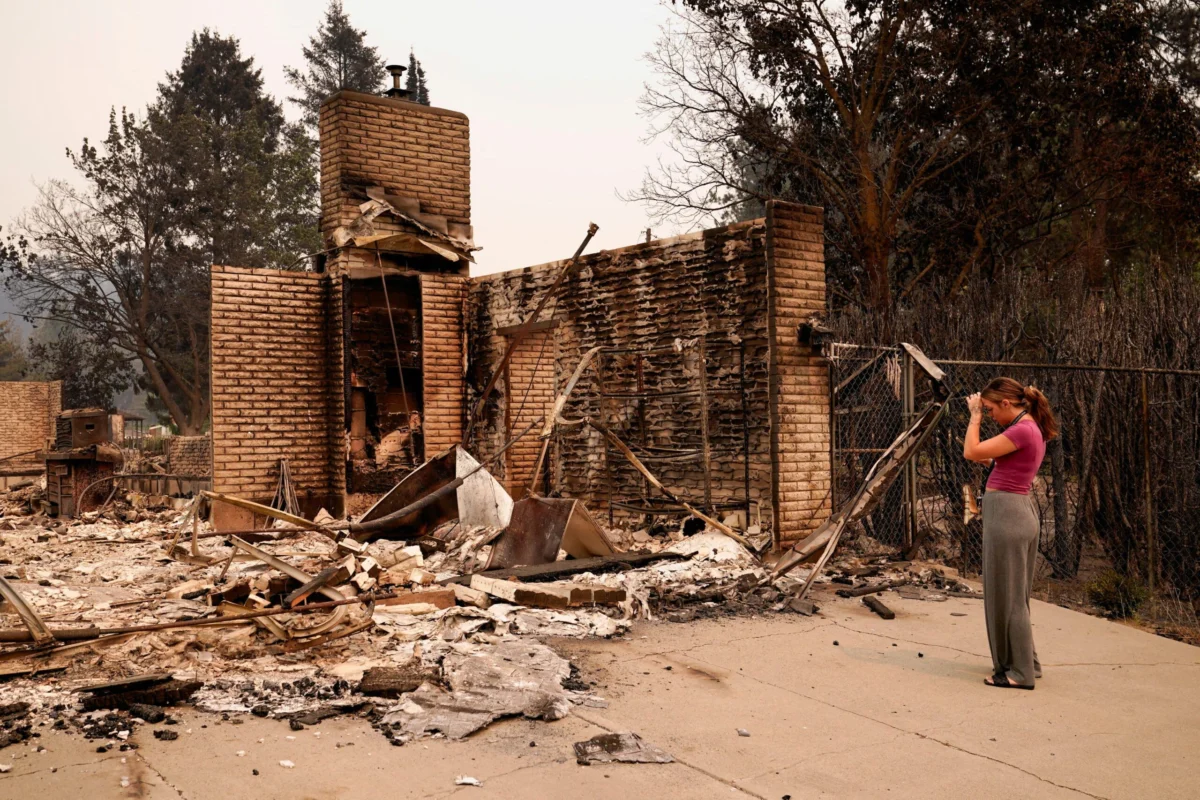
The financial stability of homeowners across the United States is increasingly threatened as insurance premiums escalate at an unprecedented rate, a trend exacerbated by a significant rise in policy non-renewals by insurers. A comprehensive new report from the National Association of Insurance Commissioners (NAIC), a pivotal organization representing state insurance regulators, reveals a market under severe strain, with average premiums outstripping inflation across all major U.S. regions between 2018 and 2024. This alarming situation leaves many homeowners, like Ash Sollie, whose grandparents’ Spokane, Washington home was tragically lost to a wildfire in August 2026, grappling with the dual burden of natural disaster and an increasingly inaccessible safety net.
A Market Under Strain: Record Increases and Non-Renewals
The NAIC’s report, the first detailed market analysis in several years, paints a stark picture of a rapidly evolving and challenging insurance landscape. Over the seven-year period from 2018 to 2024, consumers witnessed substantial real-term increases in their average homeowners insurance premiums, even after adjusting for inflation. The Northeast saw an 18% surge, the Midwest 25%, the Southeast a significant 27%, and the West experienced the most dramatic spike at 43%.
In 2024, the Southeast registered the highest average annual premiums at $1,818, reflecting the heightened risk of hurricanes and severe weather events prevalent in the region. Conversely, the Northeast recorded the lowest average at $1,396, though still experiencing a notable increase. The upward trajectory has not abated; data from the Bureau of Labor Statistics’ producer price index indicates an additional 7% rise since the beginning of 2025, serving as a proxy for the ongoing upward movement of out-of-pocket costs for consumers.
Beyond just the cost, homeowners are facing the daunting prospect of losing their coverage altogether. The NAIC analysis highlighted a significant increase in non-renewal rates, where insurers opt not to extend policies upon expiration. This trend has seen non-renewal rates per 1,000 in-force policies climb dramatically since 2018, ranging from a 96% increase in the Southeast to a staggering 216% in the West. This phenomenon typically occurs when insurers perceive the risk associated with a property to outweigh its profit potential, leaving homeowners scrambling for new, often more expensive, coverage. As of 2024, the U.S. had 103 million homeowners insurance policies in force, underscoring the vast scale of this market shift.
Jeffrey Czajkowski and Paula Harms, co-authors of the NAIC report, articulated the findings succinctly: "The data tells the story of a homeowners insurance market that is overall operationally robust but nonetheless under pressure and exhibiting signs of stress." They added, "These trends support consumer sentiment that coverage is becoming more expensive and harder to find or keep in some places."
The Unfolding Crisis: A Timeline of Escalating Costs
The recent NAIC report is not an isolated finding but rather reinforces a growing body of evidence pointing to a deepening crisis in the homeowners insurance market. Concerns about rising premiums have been mounting for several years, with various analyses echoing the NAIC’s conclusions.

- 2018-2024: The core period of the NAIC study, showing widespread, inflation-adjusted premium increases across all U.S. regions.
- 2018-2022: A U.S. Treasury Department report released in 2025 indicated that average premiums per policy surged 8.7% faster than the rate of inflation during this specific four-year span. This report underscored the accelerating pace of cost increases even prior to the full scope of recent inflationary pressures.
- 2020-2023: The Treasury Department also noted a 45% average increase in replacement costs for property and casualty-related losses, a critical factor influencing insurance payouts and, consequently, premiums.
- 22025-Present: The Bureau of Labor Statistics reported an additional 7% rise in producer price index for homeowners insurance since the beginning of 2025, signaling continued upward pressure on consumer costs.
- Early 2026: A Pew Research Center poll conducted this year found that a substantial 42% of U.S. homeowners reported their insurance costs had gone up "a lot" in recent years, reflecting widespread public awareness and concern over the issue.
This chronology highlights a consistent pattern of escalating costs, moving from initial concerns to a broadly acknowledged crisis. Homeowners insurance, often a mandatory component for securing a mortgage, serves as a crucial financial safeguard against physical damage. However, its increasing unaffordability threatens not only individual households but also the broader housing market and economic stability. The National Association of Realtors (NAR) estimates that people’s ability to afford a home is now approximately 10% lower than it would have been if insurance costs had remained stable since the late 1990s, illustrating the significant erosion of purchasing power.
Drivers of Disruption: Climate Change at the Forefront
Insurance experts widely agree that the primary catalyst behind the escalating premiums and non-renewals is the accelerating impact of climate change. The increasing frequency and intensity of severe weather events across the globe, and particularly within the United States, have fundamentally altered the risk landscape for insurers.
The data is unequivocal: the number of weather and climate disasters causing over $1 billion in damage has increased more than fivefold from 2018 through 2022 compared to the 1980s, even after adjusting for inflation, according to the Treasury Department. These catastrophic events include:
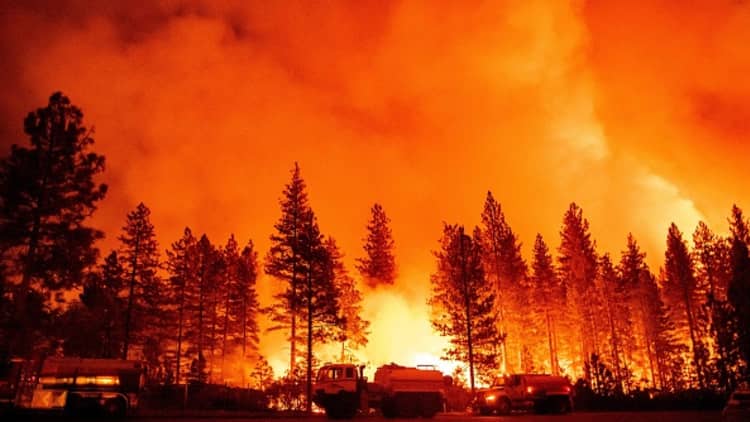
- Wildfires: Predominantly impacting the Western U.S., states like California, Oregon, and Washington have experienced devastating wildfire seasons, destroying thousands of homes and vast tracts of land. The image of Ash Sollie standing before the ruins of her grandparents’ home in Spokane after a wildfire serves as a poignant reminder of this escalating threat.
- Hurricanes and Tropical Storms: The Southeast and Gulf Coast regions, including states like Florida, Louisiana, and Texas, face an increasing barrage of powerful hurricanes, leading to widespread wind damage, storm surge, and inland flooding. Hurricane Melissa, making landfall in St. Elizabeth, Jamaica in October 2025, illustrates the regional intensity of such events, with impacts often extending to the U.S. coastline.
- Severe Convective Storms: These include events like tornadoes, hailstorms, and severe thunderstorms, which are becoming more frequent and intense across the Midwest and Southern Plains. Peter Kochenburger, an insurance expert and visiting professor of law at Southern University Law Center, highlights that "Hail is a significant source of property damage, and that occurs in a number of states that don’t have much coastal exposure," demonstrating the broad geographic reach of climate-related risks.
- Droughts and Floods: While seemingly opposite, these phenomena often correlate with climate change. Prolonged droughts increase wildfire risk, while intense rainfall events lead to flash flooding in areas not traditionally prone to such disasters.
Jeffrey Czajkowski, director of the NAIC Center for Insurance Policy and Research, emphasized this point in an interview: "Catastrophic risk — these hurricanes, wildfire, severe convective storms, winter storms — these are events that are happening more and more frequently. And they’re impacting consumers."
The heightened frequency and severity of these events directly translate into a higher likelihood of policyholders filing claims and, crucially, for those claims to be for larger amounts. This increased financial exposure forces insurers to re-evaluate their risk models, leading to higher premiums to offset potential payouts. In some high-risk areas, insurers have even withdrawn from markets entirely, citing untenable levels of risk and insufficient profitability, further limiting options for homeowners. This retreat from high-risk areas is particularly acute in states like Florida and California, where state-backed "insurers of last resort" have seen their policy counts explode.
Adding another layer of complexity, the broader political climate has done little to alleviate these pressures. The Trump administration, for example, has previously moved to dismantle federal government efforts to combat climate change and reduce greenhouse gas emissions. Such actions, or lack thereof, can be seen by some as potentially exacerbating the long-term climate risks that directly impact the insurance industry and, by extension, homeowners.
Economic Headwinds: Inflation’s Grip on Rebuilding Costs
While climate change stands as the primary driver, economic factors, particularly inflation, have significantly compounded the challenge of rising insurance costs. The cost of repairing and rebuilding homes has surged dramatically, directly impacting the amount insurers must pay out when policyholders file claims.
Between 2020 and 2023, replacement costs for property and casualty-related losses—a category that includes homeowners insurance—increased by an average of 45%, according to the U.S. Treasury Department. This sharp rise can be attributed to several interconnected factors:
- Material Costs: The post-pandemic era has seen persistent supply chain disruptions and increased demand for construction materials, driving up prices for lumber, steel, concrete, and other essential components.
- Labor Shortages: A shortage of skilled construction labor has pushed wages higher, further increasing the overall cost of repairs and rebuilding.
- Inflationary Pressures: Broader inflationary trends across the U.S. economy, which have seen the inflation rate remain above policymakers’ targets for over five years, have permeated every aspect of the construction industry.
These elevated rebuilding costs mean that for every claim, insurers face significantly higher expenses. To maintain solvency and profitability, they must adjust premiums accordingly. This is further complicated by the reinsurance market, where primary insurers purchase coverage for their own catastrophic risks. As global climate risks intensify, reinsurers are also raising their prices, passing those increased costs onto the primary insurers, who then, in turn, pass them onto consumers. This cascading effect creates a cycle of rising costs throughout the entire insurance value chain.
The NAIC report acknowledges that its data, while comprehensive, may even undersell the full scope of the issue. The regional breakdown, for instance, likely masks "smaller, local areas where premiums have risen much faster than a particular region." Furthermore, some policyholders may have reduced their coverage or opted for higher deductibles to mitigate rising premiums, which could artificially depress reported premium increases but leaves them more exposed to financial risk. Insurers have also subtly made policies less comprehensive over time, perhaps by excluding certain risks or reducing dollar limits for specific coverages, effectively shifting more risk back to the homeowner.
The Human Cost: Affordability Crisis and Vulnerability
The confluence of climate-driven risks and economic inflation has placed an immense financial burden on American homeowners, particularly those already struggling with a broader affordability crisis marked by rising grocery prices and stagnant real wages. The ability to afford and maintain a home, often the largest financial asset for most families, is increasingly being challenged.
Peter Kochenburger highlights the disproportionate impact on vulnerable populations: "It’s a big problem," he states, pointing out that low-income households are more likely to drop their coverage altogether. This decision, often born out of financial necessity, leaves them catastrophically exposed if disaster strikes, potentially wiping out their life savings and their primary asset. The moral and social implications of such widespread vulnerability are profound, raising questions about equitable access to essential financial protection.
For many, homeowners insurance is not merely an optional expense but a mandatory requirement. Mortgage lenders typically insist on an active insurance policy to protect their investment in the property. If premiums become prohibitively expensive, it could restrict access to homeownership for many, particularly first-time buyers or those in high-risk areas. This creates a vicious cycle: increasing risk drives up costs, which makes insurance less accessible, potentially leading to more uninsured losses and greater societal fragility.
The emotional toll on homeowners is also significant. The constant threat of non-renewal, the uncertainty of escalating costs, and the fear of unforeseen disasters can contribute to heightened stress and anxiety. For individuals like Ash Sollie, who lost a cherished family home, the emotional and financial recovery is a long and arduous journey, made even more challenging by a precarious insurance market.

Broader Economic Implications: A Ripple Effect on the Housing Market
The rising cost and decreasing availability of homeowners insurance carry significant implications for the broader U.S. economy, particularly the housing market. Kochenburger warns of a "cascading or domino effect" if insurance becomes too pricey, potentially deterring prospective homebuyers and slowing down real estate transactions.
- Reduced Homeownership: As insurance costs become a larger component of monthly housing expenses, overall affordability declines. This could push homeownership out of reach for a segment of the population, impacting wealth accumulation and social mobility.
- Mortgage Market Instability: Lenders rely on insurance to mitigate risk. If insurance is unavailable or unaffordable, it could complicate mortgage approvals, potentially leading to fewer loans being issued in high-risk areas or an increase in uninsured properties within lenders’ portfolios.
- Depressed Property Values: In regions most susceptible to climate disasters and prohibitive insurance costs, property values could stagnate or even decline. Buyers may be unwilling to pay high prices for homes where the ongoing cost of insurance is unpredictable and exorbitant, creating regional housing market disparities and potential "climate ghettos."
- Economic Downturns in Affected Regions: Local economies heavily reliant on real estate transactions and construction could suffer if the insurance crisis slows down housing activity. Furthermore, without adequate insurance, communities struck by disaster face longer and more difficult recoveries, impacting local businesses and livelihoods.
- Increased Demand for Public Sector Solutions: As private insurers retreat, there’s growing pressure on state governments to create or expand "insurers of last resort" programs. While these provide essential coverage, they often carry financial risks for taxpayers and may not be sustainable long-term solutions without broader policy changes.
The challenges are not uniform. While the West faces wildfires and the Southeast battles hurricanes, the Midwest grapples with intense hailstorms and tornadoes. Each region presents a unique set of risks that insurers must price, leading to localized crises even within the broader national trend. The NAIC’s regional data, while informative, likely understates the severity of these hyper-local market pressures.
Navigating the Future: Potential Solutions and Policy Debates
Addressing the multifaceted crisis in homeowners insurance will require a coordinated effort involving policymakers, the insurance industry, and homeowners themselves. There is no single, simple solution, but rather a combination of strategies that could mitigate the risks and stabilize the market.
- Climate Change Mitigation and Adaptation: Fundamentally, reducing greenhouse gas emissions remains critical to stemming the long-term increase in severe weather events. Simultaneously, investing in climate adaptation and resilience measures at the community and individual level is paramount. This includes improved building codes to withstand extreme weather, wildfire-resistant construction, flood barriers, and managed retreat programs in the most vulnerable areas.
- Government Intervention and Support: State and federal governments may need to play a more active role. This could involve strengthening state-backed insurance programs, developing federal reinsurance mechanisms for catastrophic risks, or offering subsidies to low-income households to maintain coverage. Enhanced federal disaster aid could also alleviate some financial pressure on insurers by covering a larger share of post-disaster costs.
- Regulatory Reforms: State insurance regulators could explore reforms that balance insurer solvency with consumer protection. This might include allowing insurers more flexibility in pricing while also ensuring fair practices and transparent communication about risk. Incentivizing mitigation efforts through premium discounts could also be a key strategy.
- Innovation in Insurance Products: The industry could develop more dynamic and granular insurance products that better reflect individual property-level risks and mitigation efforts. Parametric insurance, which pays out based on specific event parameters (e.g., wind speed, flood depth) rather than actual damage, could offer faster payouts and greater certainty.
- Data and Risk Assessment: Continued investment in advanced data analytics and climate modeling is essential for accurately assessing risks and pricing policies. This allows for more precise underwriting, potentially avoiding broad, region-wide premium hikes that punish lower-risk properties.
- Consumer Education and Empowerment: Educating homeowners about their specific risks, available mitigation strategies, and the nuances of their policies can empower them to make informed decisions and potentially reduce their premiums through proactive measures.
The current trajectory is unsustainable for many. As homes become increasingly exposed to environmental threats and the costs of protection soar, the very foundation of the American dream of homeownership is at risk.
Conclusion: An Evolving Landscape Demanding Urgent Attention
The NAIC’s comprehensive report, coupled with corroborating data from various sources, unequivocally signals a critical juncture for the U.S. homeowners insurance market. Rapidly escalating premiums, driven by the dual forces of climate change and inflation, are placing immense financial strain on households nationwide, pushing many to the brink of unaffordability or even into the perilous position of being uninsured. The dramatic increase in policy non-renewals further compounds the crisis, creating a climate of uncertainty and vulnerability for millions of homeowners.
The implications extend far beyond individual household budgets, threatening to ripple through the broader housing market, impact mortgage lending, and exacerbate socio-economic disparities. While the challenges are profound and complex, demanding a concerted, multi-pronged approach, the imperative for action is clear. Without significant shifts in policy, investment in resilience, and innovative solutions from the insurance industry, the dream of secure homeownership for many Americans will remain increasingly out of reach, leaving communities exposed to the escalating realities of a changing climate and a volatile economy.
