

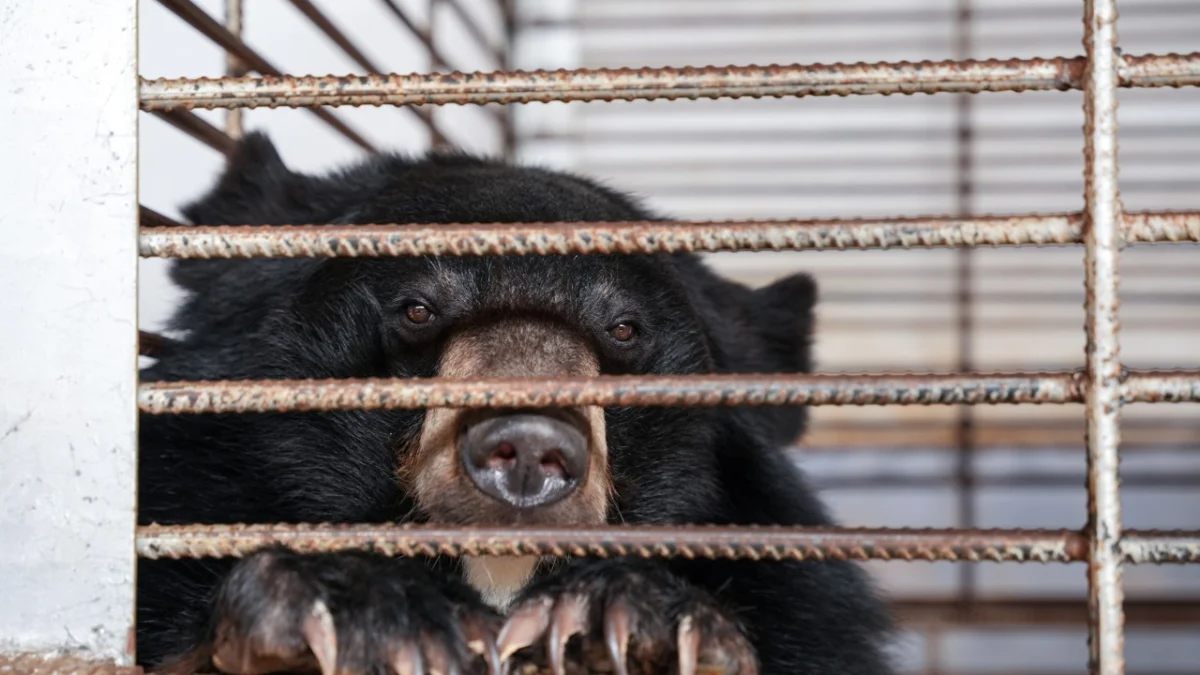
For some of the twenty-seven Asiatic black bears rescued this week in northern Laos, the sensation of solid earth beneath their paws was an entirely foreign experience. For years, these animals—highly intelligent and physically active by nature—were confined to cramped wire cages, suspended above the ground to facilitate the collection of waste and the extraction of their bile. This week, an unprecedented multi-day operation led by the international conservation organization Free the Bears, in close coordination with the Laotian government, successfully shuttered a major illegal bile farming operation, marking a significant milestone in the fight against wildlife exploitation in the Mekong region.
The rescue, which concluded this week, is being hailed by conservationists as the largest single bear bile farm closure in the history of Southeast Asia. The scale of the operation underscores both the magnitude of the illegal wildlife trade in the region and the growing resolve of Laotian authorities to dismantle the infrastructure that supports it. For the 27 bears, also known as moon bears due to the distinctive cream-colored crescent markings on their chests, the rescue represents the end of a grueling existence defined by medical trauma and extreme confinement.
The Facade of Legitimacy: A Zoo in Name Only
The facility targeted in the rescue was located in a remote sector of northern Laos. Owned and operated by a Chinese national, the farm had managed to evade regulatory interference for years by registering itself as a commercial zoo. This tactic is a well-documented phenomenon within the illegal wildlife trade, where facilities use "zoo" or "breeding center" designations as a legal shield to mask commercial extraction and trafficking activities.
Under the guise of a public-facing animal park, the facility functioned as a high-volume extraction operation. The Asiatic black bears (Ursus thibetanus) were kept in rows of small, rusted cages. Investigators found that many of these animals were destined for a life of repeated invasive procedures. In the bear bile industry, animals are typically "milked" for their digestive fluids using syringes, or in more permanent setups, via surgically implanted metal catheters or "taps" that leave open wounds prone to infection.
The rescue team reported that several of the bears had been held in these conditions for at least two years, never once touching the ground or having the opportunity to engage in natural foraging or climbing behaviors. Upon their release, the immediate focus was on providing clean hydration and stabilizing their nutritional needs, as many showed signs of severe dehydration and malnutrition.
The Science and Cruelty of the Bear Bile Industry
The demand for bear bile is rooted in Traditional Chinese Medicine (TCM), where it has been used for over a thousand years to treat various ailments, including liver disease, gallstones, and inflammation. The active therapeutic ingredient in the bile is ursodeoxycholic acid (UDCA). While UDCA is a legitimate medical compound, it has been synthetically produced and available in a safe, lab-grown form for decades, rendering the farming of live bears medically unnecessary.
Despite the availability of synthetic alternatives, a niche market for "wild-sourced" or "farmed" bile persists, driven by cultural beliefs and the perceived potency of the natural product. This demand fuels a brutal industry. In captivity, moon bears often suffer from a range of physical and psychological pathologies. Physical ailments include gallstones, internal abscesses, and liver cancer caused by the constant irritation of extraction sites. Psychologically, the confinement leads to "stereotypic behavior," such as constant head-swaying or self-mutilation, as the bears struggle to cope with the lack of environmental stimulation.
Chronology of the Rescue Operation
The closure of the northern Laos farm was the culmination of months of intelligence gathering and logistical planning. The operation required the coordination of veterinary experts, logistics teams, and law enforcement officials.
- Intelligence Phase: Following reports of illegal extraction activities, the Laotian Department of Forest Inspection (DOFI) began monitoring the facility. Evidence suggested that the "zoo" was not open to the public and was instead functioning as a private commercial enterprise.
- Mobilization: Free the Bears, an organization that has worked in Laos for over two decades, was invited by the government to facilitate the rescue. A convoy of specialized wildlife transport vehicles was prepared, and a temporary veterinary field hospital was established.
- The Raid and Extraction: Upon entering the facility, teams found 27 bears in various states of health. Each bear had to be individually assessed, sedated for safe transport, and loaded into specialized crates. This process took several days due to the remote location and the volume of animals.
- Transport: The bears were transported across difficult terrain to the Free the Bears sanctuary facilities, located near Luang Prabang.
- Initial Rehabilitation: As of this week, the bears have begun their "quarantine" phase, where they receive comprehensive medical checkups, including ultrasounds to check for internal damage from bile extraction.
Supporting Data and the Scope of the Trade
The rescue of 27 bears in a single operation is statistically significant. Conservation groups estimate that there are still hundreds of bears held in illegal or "grey-market" farms across Laos and Vietnam, though numbers have been steadily declining due to increased enforcement. In China, the industry is much larger, with an estimated 10,000 bears held in legal commercial farms.
The Asiatic black bear is currently listed as "Vulnerable" on the IUCN Red List of Threatened Species. Beyond the cruelty of the farming industry, the trade poses a direct threat to wild populations. Many bears found on farms were originally poached from the wild as cubs. The removal of these individuals from the ecosystem disrupts breeding cycles and accelerates the decline of the species in the wild.
In Laos, the government has made public commitments to ending bear bile farming. In 2018, the Prime Minister’s Order No. 5 significantly strengthened wildlife protection laws, making it illegal to trade in moon bears or their parts. However, the transition from legislation to enforcement has been a gradual process, hampered by the remote nature of many farms and the complex networks of international ownership.
Official Responses and Conservation Impact
While official government statements are often measured, the cooperation between the Ministry of Agriculture and Forestry and international NGOs signals a shift in policy. Representatives from Free the Bears noted that the success of this mission was entirely dependent on the political will of the Laotian authorities.
"This is a momentous day for wildlife conservation in Laos," said a spokesperson for the rescue team. "To see 27 bears liberated at once is a clear message that the era of bear bile farming is coming to an end. These animals are finally getting the chance to be bears again."
Veterinary teams on the ground reported that while many of the bears are young and likely to make a full recovery, older individuals show signs of chronic health issues. "Some of these bears have spent their entire lives in a box," a lead veterinarian noted. "The rehabilitation process will be long. We have to teach them how to climb, how to forage, and how to interact with other bears."
Analysis: Implications for the Future of Wildlife in Laos
The closure of this facility is more than just a humanitarian success; it is a strategic victory in the broader context of regional wildlife trafficking. Northern Laos has long been identified as a transit hub for the illegal trade of tigers, pangolins, and bears, often destined for markets in China and Vietnam. By dismantling a large-scale farm owned by a foreign national, the Laotian government is demonstrating a willingness to challenge the powerful commercial interests that drive the trade.
However, the rescue also highlights a significant challenge: the long-term care of confiscated wildlife. Asiatic black bears can live for up to 30 years in captivity. The influx of 27 bears puts an enormous logistical and financial strain on sanctuary resources. Each bear requires food, medical care, and enriched enclosures for the remainder of its life, as they cannot be released back into the wild due to their lack of survival skills and potential health issues.
This rescue may serve as a catalyst for further closures. As the "zoo" loophole is tightened, other facilities operating under similar pretenses may find themselves under increased scrutiny. The international community has also been applying pressure; CITES (the Convention on International Trade in Endangered Species of Wild Fauna and Flora) has previously threatened Laos with trade sanctions if it does not do more to curb the illegal wildlife trade.
A New Chapter for the Rescued 27
As the rescued bears settle into their new environment at the Luang Prabang Wildlife Sanctuary, the focus shifts from extraction to enrichment. The sanctuary provides large, forested enclosures where the bears can roam, climb trees, and swim in pools—activities that were impossible in their previous lives.
The closure of the northern Laos farm marks the end of a dark chapter for these 27 individuals and a significant step forward for the species. While the bear bile trade persists in the shadows of the Mekong, the scale and success of this week’s operation provide a blueprint for future interventions. For the first time in years, the silence of the wire cages has been replaced by the sounds of the forest, and for 27 moon bears, the earth is finally beneath their feet.
