

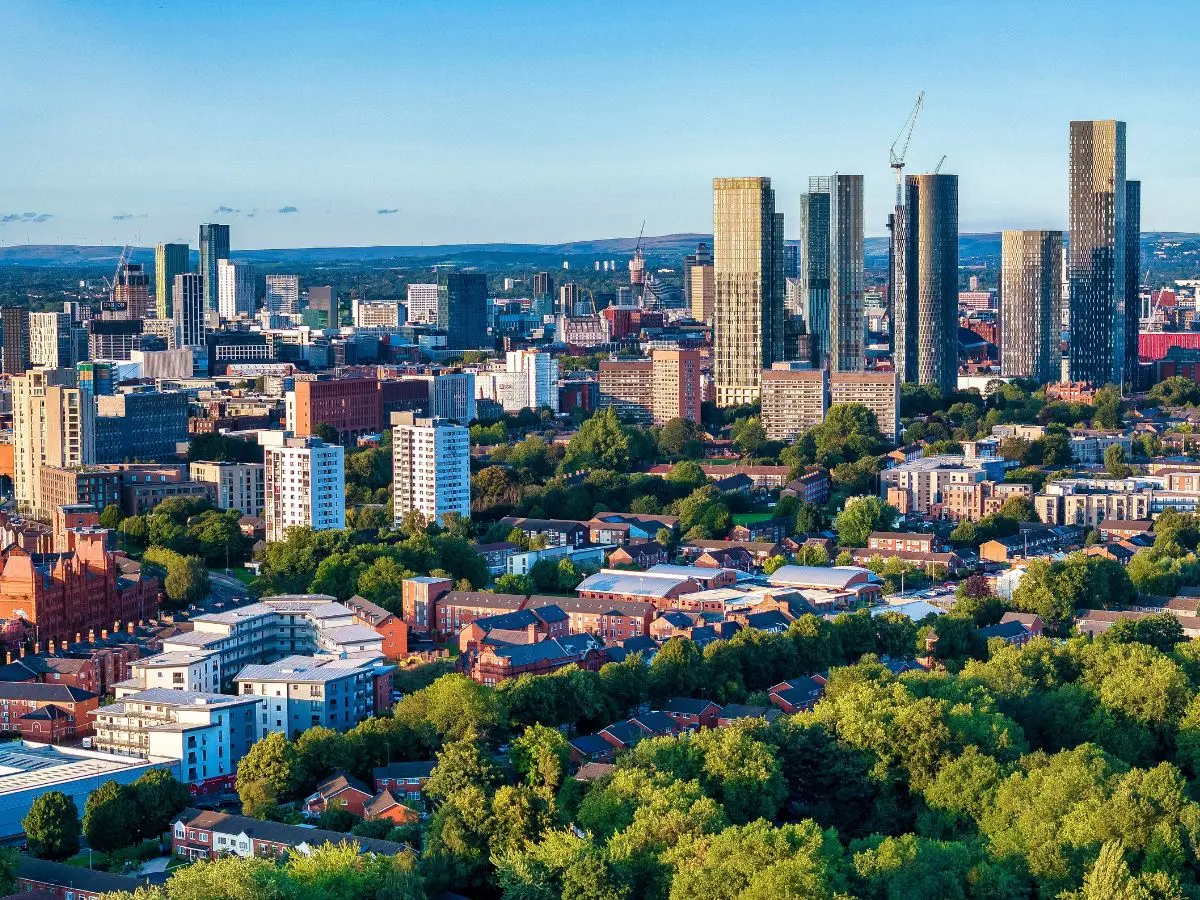
Wealthy investors from the Gulf Cooperation Council (GCC) are increasingly broadening their horizons when it comes to UK property investment, shifting their focus beyond the traditional allure of prime central London to explore burgeoning opportunities in major regional cities. A recent report by AlRayan Bank, a Qatar-based Islamic bank with a significant presence in the UK, highlights a discernible trend towards cities like Manchester, Birmingham, and Liverpool, indicating a pragmatic shift driven by the pursuit of income generation and long-term capital appreciation.
The Evolving Investment Landscape
For years, London has been the undisputed prime destination for GCC high-net-worth individuals (HNWIs) seeking UK real estate. The city’s status as a global financial hub, its established legal framework, and the prestige associated with its prime properties have historically made it the primary target. However, AlRayan Bank’s findings suggest this paradigm is evolving. Maisam Fazal, AlRayan’s UK Chief Commercial Officer, noted in the report, "The London trophy asset or home is no longer the sole objective. Our clients are pragmatically looking for income and long-term value as part of a considered portfolio, and that is drawing them beyond prime central London into Manchester, Birmingham, Liverpool, and the well-connected towns around them."
This strategic recalibration by GCC investors is not merely anecdotal. The AlRayan Bank report, based on surveys from 150 HNW respondents each possessing a minimum of £10 million in wealth, reveals a significant commitment to the UK property market. On average, these Gulf investors anticipate investing a substantial £78.3 million into UK property over the next five years. For those with a net worth exceeding £500 million, this figure escalates dramatically to an average of £147.3 million, underscoring the considerable capital poised for deployment. The survey respondents were evenly distributed across Saudi Arabia, Qatar, and the United Arab Emirates, with 50 participants from each nation.

Regional Cities Emerge as Key Investment Destinations
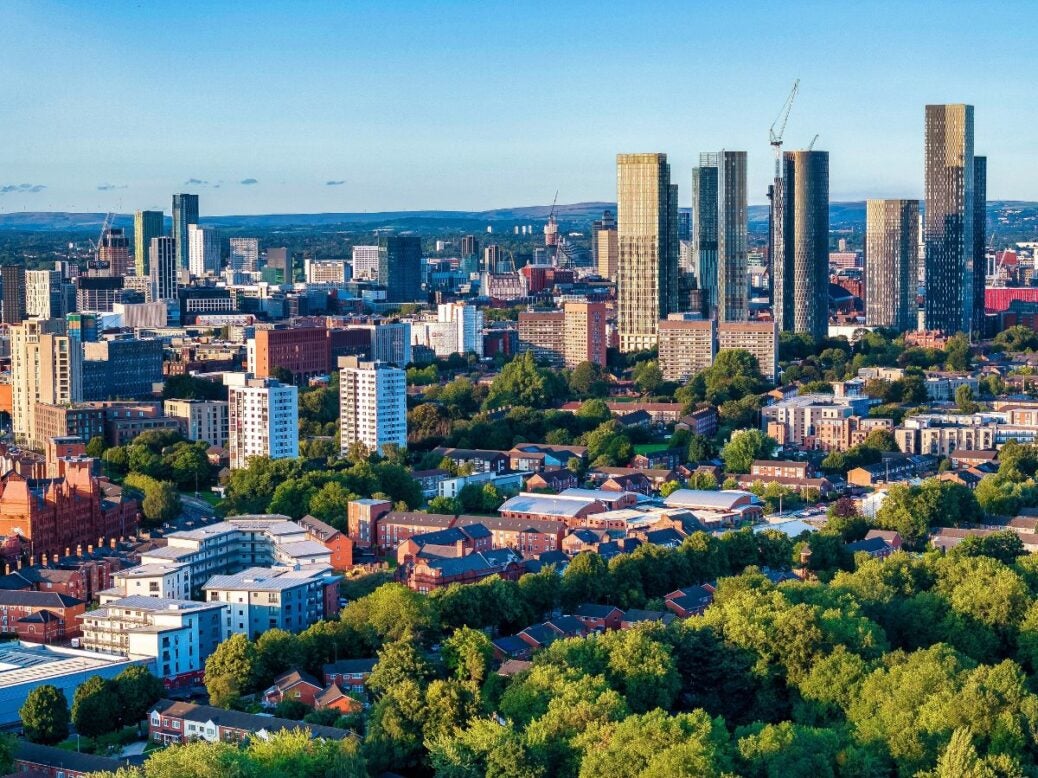
While a majority of respondents, just over 50%, indicated plans for new or increased investment in London property, the research prominently features other UK cities. Liverpool emerged as a significant contender, with 34% of respondents considering property investments in the city. Birmingham followed closely at 27%, with Manchester at 25%. Other cities also capturing investor attention include Bristol (22%) and Cardiff (18%), demonstrating a widening geographical spread of interest across the UK.
The appeal of these regional cities can be attributed to several factors. Firstly, the concept of "affordability" is becoming increasingly relevant. As prime London real estate prices continue to command a premium, investors are finding more attractive entry points and potentially higher rental yields in cities offering comparable amenities and growth potential at a lower cost base. Secondly, improved transport links and infrastructure development across the UK are enhancing the connectivity and accessibility of these regional hubs, making them more attractive for both domestic and international investors. Lastly, the presence of established communities and a strong local economy in these cities provides a solid foundation for sustained property value growth.
The Enduring Appeal of London and Emerging Challenges
Despite the growing interest in regional markets, London’s position as a premier global city and investment destination remains significant. The report acknowledges that prime central London "continues to see interest." The primary driver for this sustained interest, according to the survey, is the high quality of London’s professional services sector. This includes world-class legal, financial, and property management services that are crucial for managing complex international property portfolios.
However, London is facing increasing competition, not only from other UK cities but also from global metropolises. Fazal highlighted this competitive landscape, stating, "Investors now compare the capital directly against New York, Singapore, Monaco and Dubai, and they are willing to look elsewhere when the numbers work better." This intensified global competition underscores the need for the UK to remain attractive and competitive on multiple fronts.
Policy and Economic Imperatives for the UK
Fazal also pointed out that the UK "has work to do at a policy level" to maintain its leading status among GCC investors. He emphasized that to attract capital for housing, regeneration, and economic growth, investment and development must remain commercially viable. "Planning, tax, build, and financing costs all affect delivery," he stated, underscoring the intricate interplay of regulatory, fiscal, and logistical factors that influence investor confidence and decision-making.
This sentiment is echoed by recent market data. In June of the current year, data from Savills indicated that sales of super-prime properties in London had fallen to their lowest levels since before the pandemic. Lucian Cook, Director of Residential Research at Savills, commented on the situation, noting, "Renewed caution has swept back into the super-prime London market following the start of the conflict in Iran," adding another layer of geopolitical and economic uncertainty to the market dynamics. This cautious sentiment, coupled with broader economic headwinds, further encourages investors to seek diversification and potentially more stable returns in other regions.
A Deeper Dive into Investor Motivations
The shift in investment strategy among GCC HNWIs is a multifaceted phenomenon driven by a confluence of economic, social, and geopolitical factors. The pursuit of rental income is a significant motivator, as investors look to secure steady cash flow from their property assets. This contrasts with a purely capital appreciation strategy, which can be more susceptible to market volatility. The desire for long-term value is also paramount, with investors seeking assets that are likely to appreciate in value over an extended period, offering a hedge against inflation and a reliable store of wealth.
The concept of a "considered portfolio" implies a more sophisticated approach to wealth management. Rather than concentrating all assets in a single, high-value location, these investors are adopting a diversified strategy, spreading risk across different geographical markets and property types. This approach is typical of institutional investors and is now being increasingly adopted by ultra-high-net-worth individuals.

Furthermore, the report’s findings on the attraction of regional cities are supported by broader trends in urban development and economic regeneration across the UK. Cities like Manchester and Birmingham have undergone significant transformations in recent years, with substantial investments in infrastructure, technology, and the creative industries. These developments have led to job creation, population growth, and an increased demand for both residential and commercial property, making them attractive propositions for investors seeking growth markets.
Historical Context and Future Outlook
The relationship between the GCC and the UK property market dates back several decades. Following periods of oil wealth accumulation in the Middle East, investors from the region have consistently sought safe havens for their capital, with the UK, and particularly London, being a favoured destination. However, the nature of these investments has evolved. Initially, the focus was often on acquiring prime residential assets, sometimes as holiday homes or for family members. More recently, there has been a growing interest in commercial real estate, including office buildings, retail spaces, and hotels, reflecting a more diversified investment strategy.
The AlRayan Bank report signifies a new chapter in this long-standing relationship. It indicates a maturation of the GCC investor’s approach to the UK market, moving from a concentrated focus on London to a broader, more strategic allocation of capital. This trend is likely to continue as regional cities further develop their economic infrastructure and appeal.
The implications of this diversification are significant for the UK property market. Increased investment in regional cities can stimulate local economies, create jobs, and contribute to urban regeneration. It can also help to rebalance the property market, reducing some of the pressure on London and potentially making housing more accessible in other parts of the country. However, it also necessitates careful planning and policy-making to ensure that development is sustainable and benefits local communities.

For GCC investors, this diversification strategy offers enhanced risk management and the potential for greater returns. By tapping into the growth potential of various UK cities, they can build more robust and resilient property portfolios. The continued engagement of these investors is crucial for the UK’s property sector, and their evolving preferences provide valuable insights into the future direction of international real estate investment.
Conclusion
The findings from AlRayan Bank offer a compelling snapshot of the evolving UK property investment landscape, as viewed through the lens of GCC HNWIs. The discernible shift away from an exclusive focus on London towards a more geographically diverse investment strategy underscores a pragmatic pursuit of income and long-term value. As regional cities continue to mature and offer compelling investment propositions, it is clear that the UK property market’s appeal is broadening, presenting both opportunities and challenges for investors and policymakers alike. The sustained engagement of GCC capital will likely depend on the UK’s ability to maintain a competitive and commercially viable investment environment across its diverse urban centers.
