

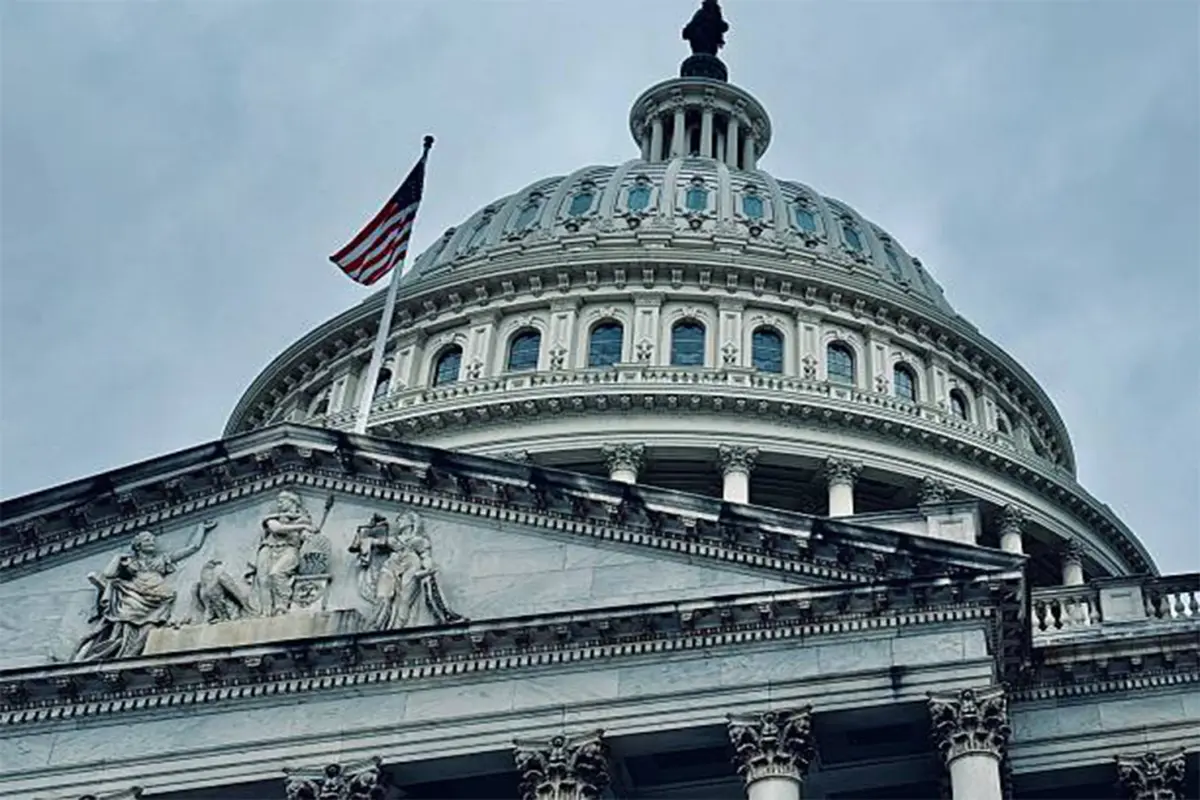
The recent mid-term election results are poised to usher in a period of significant recalibration for estate planning professionals and wealth advisors across the nation. As the political landscape shifts, so too do the legislative and regulatory environments that govern wealth transfer, taxation, and fiduciary responsibilities. Understanding the implications of these electoral outcomes is not merely an academic exercise; it is a critical imperative for practitioners seeking to effectively guide their clients through an evolving financial and legal terrain. This analysis delves into the potential ramifications of the mid-term elections on estate planning, exploring the anticipated shifts in policy, the challenges and opportunities for advisors, and the proactive measures necessary to adapt.
Understanding the Shifting Political Tides
Mid-term elections, historically, serve as a referendum on the incumbent administration and can signal a change in the legislative agenda. The composition of Congress following these elections directly influences the likelihood of certain tax policies being enacted or repealed. For estate planning, key areas of focus include estate and gift tax laws, generation-skipping transfer (GST) taxes, capital gains tax rates, and the potential for new legislation concerning trusts, charitable giving, and retirement accounts.
The outcome of the mid-term elections can lead to divided government, where different parties control the executive and legislative branches, or a unified government, where one party holds sway over both. Each scenario presents distinct challenges and opportunities for policy-making. A divided government often leads to legislative gridlock, making sweeping changes less likely but potentially creating opportunities for bipartisan consensus on specific issues. Conversely, a unified government can expedite the passage of a party’s agenda, leading to more immediate and potentially dramatic shifts in policy.
Pre-Election Landscape and Anticipated Policy Debates
Leading up to the mid-term elections, discussions surrounding potential changes to estate tax laws were already prominent. Concerns about the sunsetting provisions of the Tax Cuts and Jobs Act of 2017 (TCJA) loomed large. The TCJA significantly increased the federal estate tax exemption amount. Without further legislative action, these exemptions are scheduled to revert to pre-2018 levels at the end of 2025. This impending cliff has been a primary driver of estate planning activity, encouraging individuals with substantial assets to consider strategies for utilizing the current, higher exemptions.
The mid-term election results will undoubtedly shape the trajectory of these discussions. Depending on the party in control of key legislative committees and the overall balance of power, there could be renewed efforts to either preserve the current exemption levels, further reduce them, or even eliminate the federal estate tax altogether. Similarly, discussions around capital gains tax rates, which have direct implications for the valuation of assets within estates, will be influenced by the electoral outcome. Increases in capital gains taxes could incentivize different asset management and gifting strategies.
Impact on Estate Tax Exemptions and Rates
The most direct impact of the mid-term elections on estate planning will likely be felt in the realm of estate and gift tax exemptions. If parties advocating for lower exemptions gain significant ground, individuals and families will face a shrinking window to transfer wealth tax-efficiently. This could lead to a surge in estate planning activity as clients rush to utilize higher exemptions before they are potentially reduced. Conversely, if parties supporting higher or maintained exemptions achieve electoral success, the urgency might diminish, allowing for more deliberate and strategic planning.
Data from the IRS indicates that a relatively small percentage of estates are subject to federal estate tax. However, for those estates that do exceed the exemption threshold, the tax burden can be substantial. The Congressional Budget Office (CBO) and the Joint Committee on Taxation (JCT) provide projections on the revenue generated by estate and gift taxes. Shifts in policy as a result of the mid-term elections could significantly alter these projections, impacting federal revenue and the perceived fairness of the tax system. For instance, analyses from organizations like the Tax Foundation have often highlighted the economic impact of estate taxes, including potential disincentives for investment and entrepreneurship.
Generation-Skipping Transfer (GST) Tax Implications
The GST tax, which applies to transfers made to beneficiaries two or more generations younger than the donor, is closely tied to estate and gift tax provisions. Changes in estate tax law often carry over to GST tax exemptions and rates. Therefore, the mid-term election results will also influence the planning strategies for multi-generational wealth transfer. Advisors will need to assess how potential changes to GST tax exemptions might affect the long-term viability of dynasty trusts and other vehicles designed to preserve wealth across multiple generations.
Capital Gains Tax and Investment Strategies
Beyond direct estate and gift taxes, the mid-term elections can influence capital gains tax rates. If the newly constituted Congress favors higher income or capital gains taxes, it could prompt a reassessment of investment portfolios and asset allocation. For estate planning purposes, this might mean advising clients to consider strategies that allow for stepped-up basis at death, which can effectively eliminate capital gains tax liability for heirs on appreciated assets. Alternatively, advisors might explore strategies for realizing capital gains during the grantor’s lifetime if tax rates are anticipated to rise significantly in the future.
The economic performance of the nation, often influenced by the political climate, also plays a role. A stable or growing economy generally leads to asset appreciation, increasing the value of estates. Conversely, economic downturns can reduce estate values. The policies enacted or contemplated by the new political leadership can have a bearing on economic growth, interest rates, and inflation, all of which are critical factors in long-term financial and estate planning.
Opportunities and Challenges for Estate Planning Practitioners
The post-election environment presents both significant challenges and emerging opportunities for estate planning practitioners and wealth advisors.
Challenges:
- Increased Client Uncertainty: Clients may experience heightened anxiety and uncertainty regarding the future of tax laws and their potential impact on their financial security and legacy plans. This necessitates clear and consistent communication from advisors.
- Rapidly Evolving Landscape: The legislative process can be unpredictable. Advisors must remain agile and continuously monitor developments to provide timely and accurate advice.
- Complexity of New Legislation: Any new tax legislation enacted following the elections will likely introduce new complexities and require a deep understanding of its nuances to properly advise clients.
- Compliance Burden: Changes in regulations can increase the administrative and compliance burden for advisors and their clients.
Opportunities:
- Increased Demand for Services: Periods of legislative uncertainty often drive demand for expert advice. Clients will seek out advisors who can navigate these changes and help them adjust their plans.
- Specialization and Niche Expertise: Advisors who develop deep expertise in specific areas affected by the new political climate, such as international estate planning, charitable giving vehicles, or complex trust structures, can differentiate themselves.
- Proactive Planning and Education: Advisors have an opportunity to proactively educate their clients about potential changes and encourage them to review and update their estate plans. This can lead to stronger client relationships built on trust and foresight.
- Technological Adoption: The need for efficient data management, scenario modeling, and client communication can spur the adoption of new technologies by advisory firms.
Strategic Planning for the New Political Era
To effectively navigate the post-election landscape, estate planning professionals should consider the following strategic steps:
1. Comprehensive Client Review and Education:
- Proactive Outreach: Initiate conversations with clients to discuss the potential implications of the election results on their existing estate plans.
- Scenario Planning: Develop and present various planning scenarios based on different potential legislative outcomes. This helps clients understand the range of possibilities and make informed decisions.
- Risk Assessment: Help clients identify their specific exposure to potential changes in estate and gift taxes, capital gains taxes, and other relevant areas.
2. Staying Abreast of Legislative Developments:
- Continuous Learning: Dedicate time to ongoing professional development, focusing on tax law updates, legislative proposals, and regulatory changes.
- Industry Engagement: Participate in professional organizations and industry forums that provide analysis and insights into policy shifts.
- Monitoring Key Indicators: Track the legislative priorities of the new Congress, the activities of relevant committees, and pronouncements from government agencies.
3. Adapting Planning Techniques:
- Flexibility in Trust Structures: Emphasize the use of flexible trust provisions that can adapt to changing tax laws, such as decanting provisions or powers to amend trusts.
- Gifting Strategies: Re-evaluate the timing and form of lifetime gifts, considering potential changes to exemption amounts and tax rates.
- Business Succession Planning: For business owners, review succession plans to ensure they remain tax-efficient and aligned with potential changes in tax policy.
- Charitable Giving: Explore advanced charitable giving strategies, such as donor-advised funds or charitable remainder trusts, which can offer tax benefits irrespective of certain estate tax changes.
4. Collaboration and Network Building:
- Interdisciplinary Approach: Foster strong relationships with tax attorneys, CPAs, and financial planners to provide holistic advice to clients.
- Peer-to-Peer Learning: Engage with peers to share insights and best practices for navigating the evolving estate planning landscape.
The T&E Inner Circle Expert Sessions: A Resource for Practitioners
In recognition of the critical need for informed guidance in the estate planning field, The T&E Inner Circle Expert Sessions are designed to equip subscribers with the knowledge and strategies necessary to address timely and complex issues. This subscriber-exclusive webinar series features discussions led by recognized subject matter experts with extensive experience in estate planning. These sessions provide a platform for deep dives into critical topics, offering valuable insights and actionable strategies.
The format of these expert sessions, typically a 30-minute presentation followed by a question-and-answer period, allows for focused learning and direct engagement with leading professionals. Such sessions are invaluable for practitioners seeking to understand the nuances of legislative changes, interpret their impact on client portfolios, and refine their advisory approaches. The opportunity to engage directly with speakers during the Q&A segment allows for clarification of specific concerns and the exploration of practical applications of the presented material.
The T&E Inner Circle itself is positioned as a comprehensive resource for estate and trust professionals, offering a suite of benefits beyond these expert sessions. These benefits are curated to support practitioners in their ongoing professional development and in their ability to serve their clients effectively. By subscribing to The T&E Inner Circle, professionals gain access to a wealth of information and a community of peers and experts, all aimed at enhancing their knowledge and practice.
Conclusion: Navigating a Dynamic Future
The results of the mid-term elections represent a pivotal moment for estate planning. The anticipated shifts in legislative priorities and the potential for changes in tax policy necessitate a proactive and informed approach from practitioners and wealth advisors. By understanding the underlying political dynamics, anticipating potential policy changes, and adapting their strategies accordingly, advisors can not only mitigate risks for their clients but also seize new opportunities to provide invaluable guidance. The continuous pursuit of knowledge, coupled with strategic client engagement, will be paramount in navigating the dynamic future of estate planning in the wake of these electoral outcomes. The availability of resources like The T&E Inner Circle Expert Sessions underscores the industry’s commitment to empowering professionals to meet these evolving challenges head-on, ensuring that clients can achieve their long-term financial and legacy objectives.
