

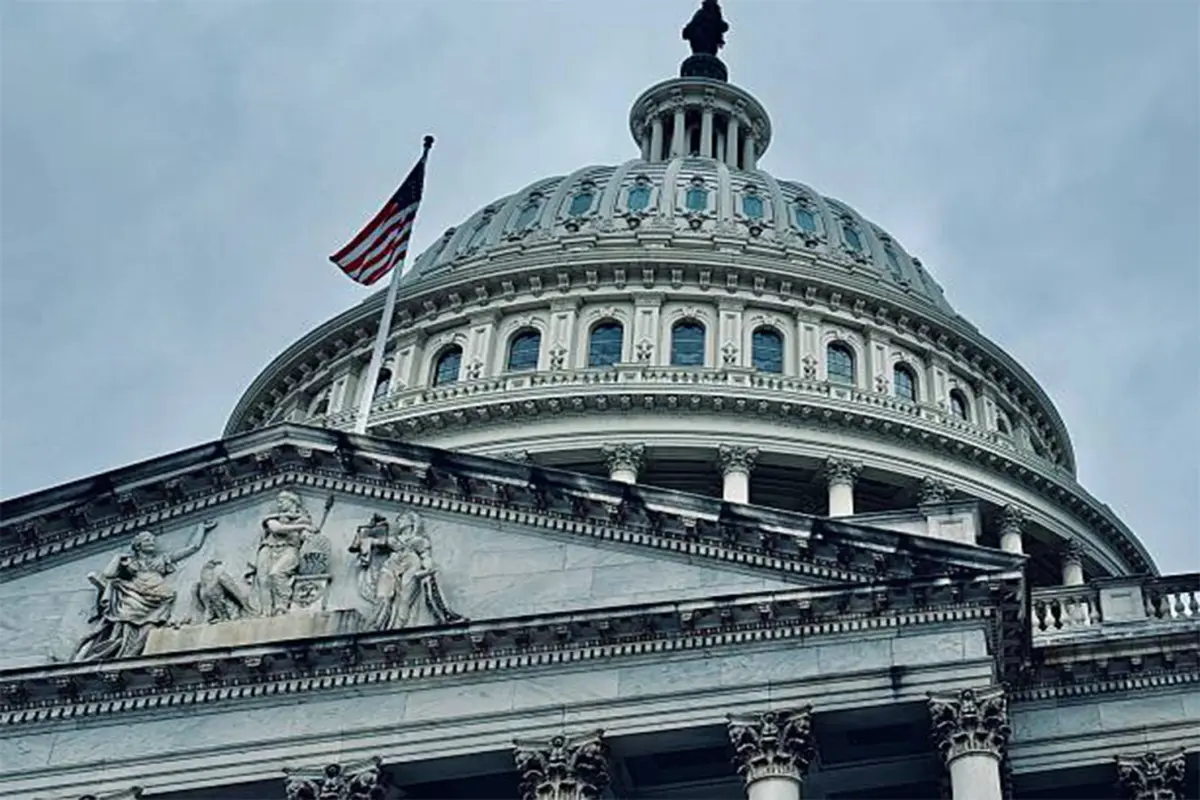
The recent midterm election results have cast a significant shadow over the landscape of estate planning and wealth advisory, prompting crucial discussions about potential policy shifts and their implications for practitioners and their clients. A forthcoming 30-minute expert session, followed by a question-and-answer period, will delve into these complex dynamics, offering insights into how legislative changes, driven by election outcomes, could reshape estate tax laws, gift tax regulations, and trust strategies. This specialized webinar is part of The T&E Inner Circle Expert Sessions, a series designed exclusively for subscribers to provide in-depth analysis of timely and critical topics within the estate and trust planning domain.
The T&E Inner Circle, a subscriber-exclusive platform, aims to equip professionals with the knowledge and strategies necessary to navigate an ever-evolving regulatory and economic environment. These expert-led sessions feature distinguished speakers with extensive experience and recognized subject matter expertise in estate planning. Attendees gain a unique opportunity to benefit from their profound understanding and to engage directly with these thought leaders during dedicated Q&A segments, fostering a dynamic learning experience. This particular session underscores the crucial intersection of political outcomes and financial planning, a theme that resonates deeply with advisors and clients alike.
Understanding the Stakes: Why Election Results Matter for Estate Planning
The outcome of midterm elections, while often perceived as a barometer of public sentiment on national issues, can have profound and direct consequences for financial planning, particularly for individuals with significant wealth. Estate planning, by its very nature, is heavily influenced by federal and state legislation concerning taxation, asset transfer, and inheritance. Changes in the composition of legislative bodies, such as the House of Representatives and the Senate, can lead to shifts in policy priorities, including the potential for amendments or complete overhauls of existing tax codes.
Historically, estate tax rates and exemption levels have been subject to considerable fluctuation, often becoming focal points during periods of legislative debate. For instance, the Tax Cuts and Jobs Act of 2017 significantly increased the federal estate tax exemption, a move that was the product of a particular political climate. However, provisions like these are not immutable and can be revisited, especially when there are changes in the legislative majority or shifts in the national economic discourse.
The discussion in the upcoming webinar is expected to address several key areas where election results could precipitate changes:
- Estate and Gift Tax Rates: The possibility of adjustments to the current estate and gift tax rates, either an increase or a decrease, is a primary concern. Any alteration in these rates directly impacts the net amount passed to heirs and beneficiaries.
- Exemption Levels: The federal estate and gift tax exemption, which dictates the amount of wealth that can be transferred tax-free, is another critical variable. Significant changes to this exemption could bring a larger segment of the population into the purview of estate taxation, necessitating adjustments in planning strategies.
- Generation-Skipping Transfer (GST) Tax: Similar to estate and gift taxes, the GST tax, which applies to transfers to beneficiaries two or more generations younger than the donor, is also susceptible to legislative review.
- Trust and Fiduciary Laws: Beyond direct taxation, election outcomes can influence broader legislative agendas that may impact trust administration, fiduciary duties, and the legal framework governing wealth transfer.
- Capital Gains Tax Implications: While not directly an estate tax, changes in capital gains tax rates could indirectly affect estate planning by influencing investment strategies and the valuation of assets within an estate.
Background and Context of The T&E Inner Circle Expert Sessions
The T&E Inner Circle Expert Sessions are a testament to the commitment of WealthManagement.com (the presumed publisher or organizer) to providing high-value content to its subscriber base. The "T&E" likely refers to Trusts & Estates, a field that demands continuous professional development due to its intricate legal and financial dimensions. By offering these exclusive webinars, the organization aims to foster a community of informed and proactive professionals.
The series typically convenes leading figures in estate planning, tax law, financial advising, and related disciplines. These experts are selected for their proven track records, academic contributions, and practical experience. Their insights are crucial for practitioners who are tasked with guiding clients through complex financial decisions, particularly those involving the transfer of wealth across generations. The interactive nature of the sessions, with a dedicated Q&A, allows for direct engagement and clarification of specific concerns, enhancing the practical applicability of the information shared.
The 30-minute duration, followed by a Q&A, is a format designed for efficient knowledge transfer. In the fast-paced world of financial services, time is a valuable commodity. This structure allows busy professionals to gain critical updates and actionable advice without a significant commitment of their workday.
Potential Implications of Midterm Election Outcomes: A Deeper Dive
The specific implications of the midterm election results will hinge on the precise balance of power in Congress and the policy platforms championed by the winning parties. For instance, if there is a significant shift in the majority that favors policies aimed at increasing government revenue, estate and gift tax rates could be a target for revision. Conversely, a push for tax cuts might see exemptions broadened or rates lowered.
Scenario 1: Increased Focus on Revenue Generation
In a scenario where the legislative agenda prioritizes increasing federal revenue, estate and gift tax provisions are often considered. Historically, higher exemption levels have been implemented during periods of fiscal conservatism or tax reduction initiatives. If the political winds shift towards a greater emphasis on revenue generation, it is plausible that:
- Estate Tax Exemption Reduction: The current high federal estate tax exemption, which is set to sunset in 2025 under current law without further legislative action, could be reduced. This would mean that a larger number of estates would be subject to taxation, potentially requiring more aggressive tax planning strategies. Data from the IRS indicates that in 2022, only about 1,100 estates, or approximately 0.1% of all deaths, were subject to federal estate tax. A reduction in the exemption could significantly increase this number.
- Increased Estate and Gift Tax Rates: Alongside a reduced exemption, tax rates themselves could be adjusted upwards. While significant increases are often politically challenging, incremental adjustments are more probable.
- Limitations on Trust Strategies: Certain trust structures that are currently utilized for estate tax avoidance or minimization might face new limitations or be subject to different tax treatments. This could include changes to the taxation of grantor trusts or specific types of irrevocable trusts.
Scenario 2: Continued Emphasis on Tax Reduction
If the midterm results empower a political faction that advocates for further tax reductions and economic stimulus through lower tax burdens, the implications for estate planning might be different:
- Maintenance or Further Increase of Exemptions: The existing high estate tax exemption might be preserved, or in some scenarios, further increased. This would continue to shield a vast majority of estates from federal estate tax.
- Potential for Rate Reductions: While less likely given current economic pressures, any further moves toward broader tax cuts could, in theory, include estate tax rates.
- Focus on Economic Growth Incentives: The legislative focus might shift towards policies that stimulate investment and business growth, which indirectly benefits wealth accumulation and thus the context for estate planning.
Timeline and Chronology of Policy Impact
The impact of election results on estate planning is rarely immediate. Legislation typically undergoes a lengthy process involving committee reviews, public hearings, debate, and voting. Therefore, any significant policy changes resulting from the midterms would likely unfold over the course of the following year or two.
- Immediate Post-Election: Initial reactions and analyses from political commentators and policy experts. Advisors begin to anticipate potential legislative directions.
- Legislative Drafting and Debate: Proposals for tax reform or specific amendments are introduced, debated, and potentially modified. This phase can be protracted and subject to considerable political negotiation.
- Enactment of Legislation: If passed, new laws would be signed into effect. The effective dates of these changes are crucial and can vary. Some provisions might take effect immediately, while others might have delayed implementation.
- Regulatory Guidance: Federal agencies, such as the Treasury Department and the IRS, would then issue regulations and guidance to clarify the implementation of new laws. This process can also take time.
- Adaptation by Practitioners and Clients: Estate planning attorneys, financial advisors, and accountants would need to thoroughly understand the new rules and adapt their strategies accordingly. Clients would be advised on how these changes affect their existing plans and what new strategies might be beneficial.
Supporting Data and Expert Analysis
While specific data points relevant to the immediate aftermath of an election are prospective, historical trends provide valuable context. For instance, during periods when estate tax rates were significantly higher and exemptions lower, estate planning often involved more complex strategies such as irrevocable life insurance trusts (ILITs), charitable remainder trusts (CRTs), and gifting programs. The substantial increase in the federal estate tax exemption post-2017 led many practitioners to re-evaluate the necessity of such aggressive strategies for a broader client base, shifting focus towards portability of exemptions and more straightforward wealth transfer mechanisms.
The upcoming webinar is poised to offer expert analysis on how the current political climate, informed by the midterm results, might necessitate a return to or modification of these more intricate planning techniques. The discussion will likely draw upon economic forecasts, demographic trends, and the stated policy objectives of various political factions to project the most probable legislative pathways.
Statements or Reactions from Related Parties (Inferred)
While direct quotes from specific individuals are not provided in the source material, one can infer the likely sentiment and concerns of key stakeholders:
- Estate Planning Attorneys: Would be keenly interested in how new legislation might affect their practice, the types of advice they offer, and the complexity of the plans they design. They would be concerned with clarity in the law and the ability to provide sound counsel to their clients.
- Wealth Advisors and Financial Planners: Would focus on how changes in estate tax laws might influence investment strategies, retirement planning, and overall wealth management for their clients, particularly those with significant assets.
- High-Net-Worth Individuals and Families: Would be directly impacted by potential changes in taxation and would seek guidance to ensure their wealth is transferred efficiently to future generations while minimizing tax liabilities.
- Legislators and Policy Makers: Would frame any proposed changes within broader economic and social policy goals, such as fiscal responsibility, economic growth, or social equity.
Broader Impact and Implications for the Industry
The outcome of this election and its subsequent legislative ripple effects will have broader implications for the estate planning and wealth advisory industry. A significant overhaul of estate tax laws could lead to a surge in demand for specialized planning services. Conversely, a period of stability might allow for a more routine application of existing strategies.
Furthermore, the discussion highlights the interconnectedness of policy, economics, and personal finance. It underscores the importance of continuous education and adaptation for professionals in the financial services sector. The T&E Inner Circle Expert Sessions serve as a vital platform for such professional development, enabling practitioners to stay ahead of regulatory changes and to provide the most effective counsel to their clients.
The opportunity to subscribe to The T&E Inner Circle and gain access to this and other subscriber-only benefits, including automatic registration for the webinar upon subscription, emphasizes the value proposition of such exclusive content. The assurance of a calendar invite prior to the event further streamlines the process for busy professionals. This initiative reflects a commitment to fostering expertise and ensuring that the estate planning community is well-equipped to navigate the evolving legal and financial landscape.
In conclusion, the midterm election results are not merely political events; they are potent catalysts for significant shifts in financial planning and wealth management. The upcoming webinar promises to demystify these changes, offering practitioners and advisors the clarity and foresight needed to effectively guide their clients through the complexities of estate planning in a dynamic regulatory environment.
