

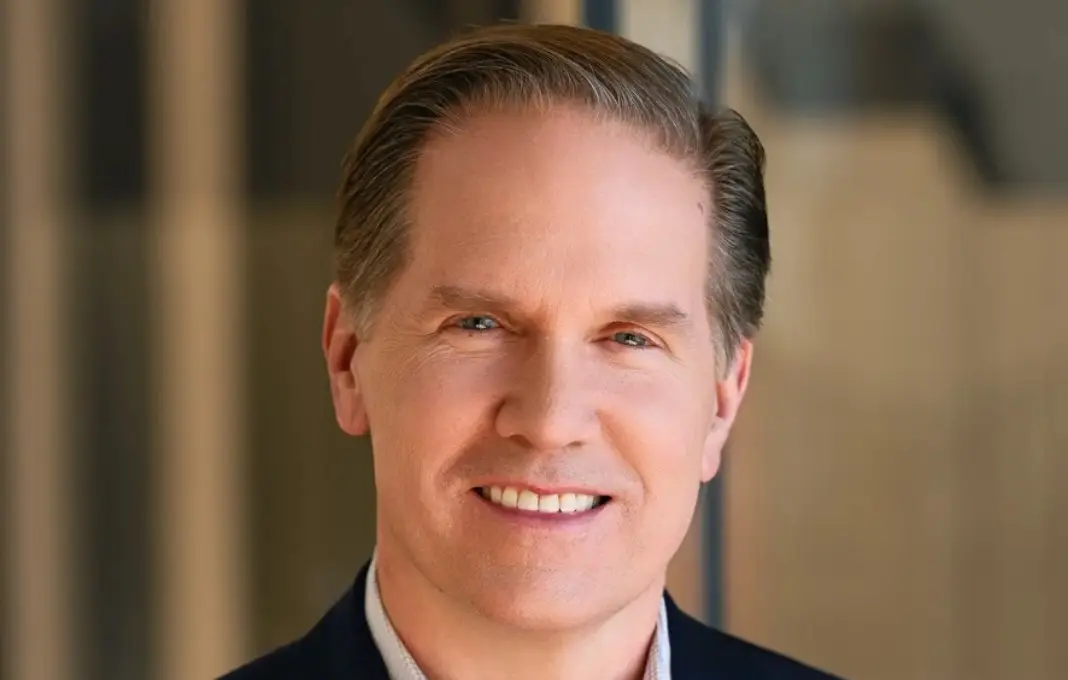
Mike Perry, Head of Client Solutions and Wealth Management at Guardian Life Insurance, recently embarked on a formidable 207-mile, single-day cycle ride, an endeavor he admits he undertook before fully grasping its immense demands. His decision to press forward, even when faced with the daunting reality of the challenge, exemplifies a core philosophy that success is not merely about individual prowess but about embracing risk and leveraging the power of collective effort. Perry’s experience, detailed in a recent episode of the Corporate Competitor Podcast, offers profound insights into leadership, resilience, and the often-overlooked strength found in a strong "peloton," both on the road and in the professional arena.
Perry’s journey began with a commitment to a physical challenge that tested the limits of endurance. The 207-mile distance, to be covered within a single day, represents a significant feat of athleticism. For context, the average recreational cyclist might cover 50-100 miles in a day, with professional cyclists in races like the Tour de France covering stages that can exceed 120 miles, often with significant elevation gain. Perry’s decision to tackle this without full comprehension of the physical and mental toll underscores a proactive approach to challenges, a characteristic he believes is crucial for professional growth.
"I just felt like it would be good to take on whatever risk came with that," Perry shared on the podcast, highlighting a willingness to confront uncertainty rather than be paralyzed by it. This sentiment resonates deeply within the competitive landscape of wealth management, an industry that demands foresight, calculated risk-taking, and the ability to adapt to rapidly evolving market conditions. Perry’s role at Guardian Life Insurance, a company with a long-standing reputation for financial security and client-focused solutions, places him at the forefront of advising individuals and institutions on navigating complex financial landscapes. His personal philosophy, therefore, carries significant weight in how he approaches his professional responsibilities.
The Unforeseen Challenges of the Long Ride
As the grueling 207-mile cycling event progressed, Perry found himself confronting a profound low point. The sheer physical exertion, coupled with the mental fatigue, threatened to derail his efforts. It was at this critical juncture, when the temptation to quit might have been strongest, that Perry discovered a powerful solution: the concept of the "peloton."
A peloton, in cycling parlance, is a large group of riders. Riding within a peloton offers significant aerodynamic advantages, as riders can draft behind each other, reducing wind resistance and conserving energy. Perry realized that by latching onto a group of fellow cyclists, he could not only find relief but also regain speed and a renewed sense of purpose. This unplanned discovery during his personal challenge served as a potent metaphor for professional collaboration.
"Instead of throwing in the towel, though, he found relief, speed and a renewed focus once he locked onto a group of riders," the original report states. This moment encapsulates a critical leadership lesson: even the most meticulously planned journeys can present unexpected obstacles, and the ability to adapt and seek support is paramount. The collective effort within a cycling peloton allows for shared exertion, making the difficult and uncomfortable trek significantly easier. Perry’s experience demonstrated that the road toward success, whether on a bicycle or in the corporate world, does not have to be a solitary endeavor.
Translating Cycling Dynamics to the Workplace
Perry’s reflection on his cycling experience extended beyond the immediate physical benefits. He observed how the principles of teamwork and mutual support he experienced in the peloton directly translated to the professional world. "Being part of a team," Perry remarked, "I saw the benefit of that and that translated [to] the work world." This highlights a key differentiator for successful organizations: fostering an environment where individuals feel connected, supported, and empowered to contribute to a common goal.
In the context of wealth management and client solutions, this means more than just individual advisors achieving their targets. It implies a cohesive team that shares knowledge, collaborates on strategies, and supports each other through market volatility and client challenges. Guardian Life Insurance, as a major player in the financial services sector, is inherently focused on building strong client relationships, which often requires a unified approach from its teams.
Key Principles for Success, According to Perry
Perry elaborated on several key principles derived from his experience, offering actionable advice for both personal and professional development:
1. The Indispensable Role of a Coach
Perry emphasized that the value of a coach extends far beyond the novice stages of any endeavor. "Coaches aren’t just for beginners," he stated. Instead, coaches serve as accelerators of learning and growth. They possess the unique ability to help individuals identify and overcome limitations that might otherwise go unnoticed. By providing objective feedback, specialized guidance, and tailored strategies, coaches can help individuals "break through the ceiling faster than they could on their own."
The implication for the professional world is clear: investing in coaching and mentorship programs can significantly enhance employee development and team performance. In an industry as dynamic as financial services, where regulatory changes and market shifts are constant, having access to expert guidance can be a critical competitive advantage. Coaches help individuals see "things you’re not seeing," offering a fresh perspective that can unlock new avenues for innovation and problem-solving.
2. Cultivating Clarity Amidst Crisis
A particularly dramatic moment during Perry’s 207-mile ride occurred when one of his bike’s brakes actually detached. This is a critical equipment failure that could easily lead to panic and a complete cessation of progress. However, Perry’s reaction was one of focused problem-solving. Instead of succumbing to chaos, he "narrowed the problem to its essential question and focused on the next move to keep going." This ability to maintain composure and strategize under extreme pressure is a hallmark of effective leadership.
This principle is directly applicable to crisis management in any professional setting. Whether it’s a market downturn, a major client issue, or an internal operational challenge, the ability to remain calm, analyze the situation objectively, and devise a clear path forward is essential. Perry’s experience suggests that clarity, when cultivated deliberately, can indeed "prevail over chaos." This requires a mindset that prioritizes problem-solving over emotional reactions, a skill that can be honed through practice and a commitment to structured decision-making processes.
3. Building a Vibrational Unity: Beyond Proximity
Perhaps Perry’s most profound insight revolves around the concept of "building a vibe." He argues that a group of people should transcend mere proximity; they need to foster a deeper sense of connection. "A group of people should be more than just a collection of employees," he asserted. "People need more than numbers. They need trust, shared exertion and a sense that they are moving as one." This concept of unity, he explained, is "more than proximity. It’s a closeness people can feel."
This intangible yet powerful sense of unity is the bedrock of high-performing teams. In the context of Guardian Life Insurance, it suggests that fostering a culture of trust, open communication, and shared purpose is crucial for client success. When team members feel a genuine connection to their colleagues and to the organization’s mission, they are more likely to go the extra mile, innovate, and collaborate effectively. This "vibrational unity" can manifest in various ways: shared celebrations of success, supportive responses to setbacks, and a collective commitment to the client’s well-being. It’s about creating an environment where individuals feel valued, understood, and part of something larger than themselves.
Broader Implications and Industry Context
Perry’s narrative arrives at a time when the financial services industry is undergoing significant transformation. Technological advancements, evolving client expectations, and a dynamic regulatory environment necessitate adaptable and resilient leadership. The emphasis on teamwork, coaching, and cultivating a strong team culture, as highlighted by Perry, are not merely soft skills but critical strategic imperatives for organizations like Guardian Life Insurance.
Supporting Data: Research consistently shows a strong correlation between employee engagement and organizational performance. A 2023 report by Gallup found that highly engaged teams exhibit 23% higher profitability and 21% higher productivity. This underscores the tangible benefits of fostering the kind of "vibrational unity" Perry describes. Furthermore, studies on leadership development highlight the efficacy of coaching; according to the International Coach Federation, 86% of clients reported that coaching helped them improve their job performance.
Background Context: The nature of wealth management often involves long-term client relationships built on trust and personalized advice. This inherently requires teams that can offer consistent support and expertise. Events like Perry’s 207-mile ride, while personal challenges, serve as powerful case studies for the principles that drive success in client-facing roles. The ability to endure, adapt, and collaborate under pressure are qualities that translate directly to navigating the complexities of financial markets and client needs.
Timeline/Chronology: While the exact date of Perry’s 207-mile ride is not specified, the podcast episode was recently released, bringing these insights to the forefront. The narrative unfolds chronologically: the initial commitment to the challenge, the mid-ride low point, the discovery of the peloton’s advantage, and the subsequent reflection on the transferable lessons.
Statements/Reactions (Inferred): While direct quotes from colleagues or superiors at Guardian Life Insurance are not provided, it is reasonable to infer that Perry’s emphasis on teamwork and resilience would be viewed favorably within an organization that values long-term client relationships and robust financial advisory services. His leadership approach, grounded in practical experience and a philosophy of collective success, aligns with best practices in modern management.
Analysis of Implications: Perry’s experience provides a compelling framework for understanding how individual resilience and team synergy are intertwined. His journey from personal challenge to professional insight suggests that embracing risk, seeking guidance, and fostering a deep sense of unity are not just beneficial but essential for navigating the complexities of the modern business world. For Guardian Life Insurance and the broader financial services sector, adopting these principles can lead to enhanced client satisfaction, improved employee retention, and ultimately, sustained organizational success. The metaphor of the peloton serves as a powerful reminder that even the most arduous journeys are more manageable and rewarding when undertaken together, driven by a shared purpose and a palpable sense of connection.
