

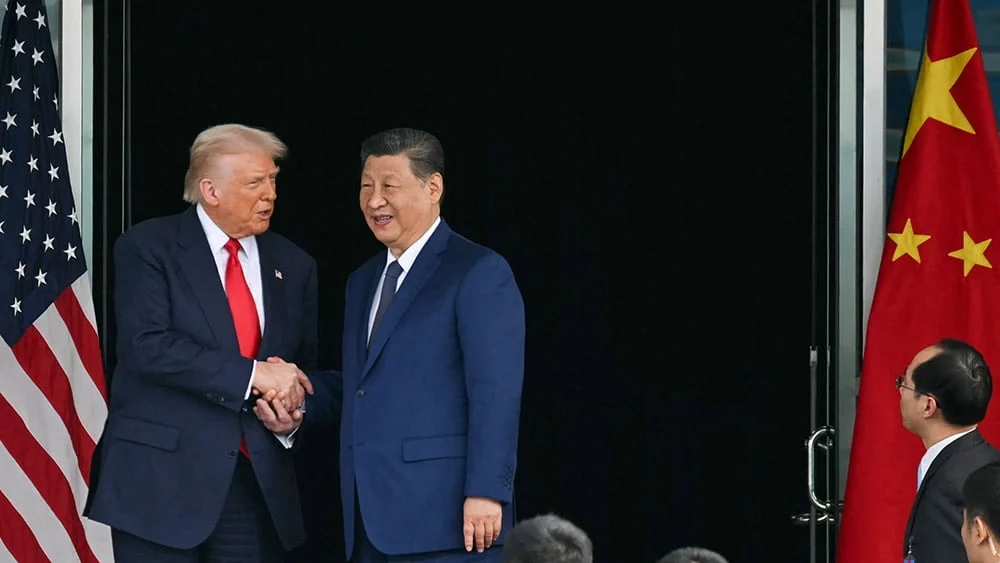
Dow Jones futures are poised to open Sunday evening, signaling the commencement of a new trading week, alongside S&P 500 futures and Nasdaq futures. Market participants will be keenly focused on the ramifications of weekend U.S.-Iran news, which has the potential to introduce volatility across energy markets and broader geopolitical sentiment. Simultaneously, investors are looking ahead to a highly anticipated summit between former President Donald Trump and Chinese President Xi Jinping, an event expected to shape future trade relations and technological competition. Further influencing market direction will be a series of critical inflation reports scheduled for release throughout the week, offering fresh insights into the trajectory of monetary policy. The preceding week saw a robust performance from the stock market rally, largely buoyed by a notable decline in global oil prices and sustained optimism surrounding artificial intelligence (AI), fueled by strategic deals and a generally positive corporate earnings season.
Weekend Geopolitical Developments: U.S.-Iran Tensions under the Microscope
The ongoing geopolitical landscape in the Middle East remains a significant source of uncertainty for global markets, with recent U.S.-Iran developments dominating weekend headlines. While specific details of the latest news remain fluid, any escalation or de-escalation of tensions between Washington and Tehran typically has immediate and profound effects, particularly on crude oil prices and investor risk appetite. Historically, the Strait of Hormuz, a critical chokepoint for global oil shipments, has been a focal point of these tensions. Approximately 20% of the world’s total petroleum consumption, or about 21 million barrels per day, passes through this waterway, making any threat to its stability a direct concern for energy supply chains.
The broader context of U.S.-Iran relations involves decades of animosity, punctuated by periods of intense sanctions, nuclear program disputes, and proxy conflicts across the region. Investors are particularly sensitive to any rhetoric or actions that could disrupt oil production or transit, fearing a surge in energy costs that could dampen economic growth and fuel inflationary pressures. Conversely, signs of diplomatic progress or a de-escalation of hostilities often lead to a calming effect on oil markets and a boost in broader market confidence. Analysts will be scrutinizing official statements from both Washington and Tehran, as well as reactions from international bodies, to gauge the potential impact on global stability and commodity markets as trading resumes. The implications extend beyond oil, potentially affecting shipping insurance costs, defense sector stocks, and even diplomatic relations with other major powers.
Anticipating the Trump-Xi Summit: Trade and Technology at the Forefront
Another pivotal event looming on the horizon is the upcoming summit between former President Donald Trump and Chinese President Xi Jinping. While details regarding the exact agenda and location remain under wraps, such high-level meetings between the leaders of the world’s two largest economies invariably carry immense weight for global trade, technology, and economic policy. The legacy of the previous Trump administration’s trade war with China, characterized by significant tariffs on billions of dollars worth of goods, intellectual property disputes, and restrictions on technology transfers, continues to cast a long shadow.
The primary focus of this summit is expected to revolve around resolving persistent trade imbalances, addressing concerns over fair trade practices, and potentially negotiating new agreements on intellectual property protection and market access for foreign companies in China. Furthermore, the technology rivalry, particularly in strategic sectors like semiconductors, artificial intelligence, and 5G infrastructure, is anticipated to be a major talking point. Any outcomes from the summit, whether a breakthrough in negotiations, a reaffirmation of existing tensions, or the announcement of new policy directives, will send ripples across global supply chains, affecting multinational corporations, technology giants, and commodity markets. For instance, a positive outcome could lead to a reduction in tariffs, boosting profitability for companies reliant on U.S.-China trade and potentially stimulating global economic growth. Conversely, a re-escalation of trade hostilities could trigger renewed market uncertainty and disrupt investor sentiment, particularly impacting sectors like manufacturing, electronics, and agriculture. Market participants will be closely watching for any joint statements or policy pronouncements that emerge from these high-stakes discussions.

The Crucial Inflation Reports: Guiding Monetary Policy
This week’s schedule includes the release of several critical inflation reports, which will be instrumental in shaping expectations for future monetary policy decisions by central banks, most notably the U.S. Federal Reserve. Key reports such as the Consumer Price Index (CPI) and Producer Price Index (PPI) will provide fresh data on price pressures at both the consumer and wholesale levels. Economists are particularly interested in "core" inflation figures, which exclude volatile food and energy components, to better understand underlying inflationary trends.
For months, central banks globally have been grappling with persistent inflation, leading to aggressive interest rate hikes aimed at cooling economies. While there have been signs of inflation moderating in certain sectors, overall price stability remains a key objective. A hotter-than-expected inflation reading could signal to the market that central banks may need to maintain higher interest rates for longer, or even consider additional hikes, which could weigh on equity valuations, particularly for growth stocks. Conversely, a cooler inflation report could bolster hopes for a potential easing of monetary policy in the future, providing a tailwind for risk assets. Bond markets will be especially sensitive to these reports, with yields reacting swiftly to any shifts in interest rate expectations. Higher yields typically make equities less attractive, while lower yields can make them more appealing. The Fed’s dual mandate of maximizing employment and maintaining price stability means these inflation reports are paramount for their policy deliberations and forward guidance.
Market Momentum: Drivers of Last Week’s Rally
The stock market concluded the previous week with significant gains, extending a rally that has been characterized by resilient investor sentiment despite ongoing economic and geopolitical uncertainties. The S&P 500 advanced by approximately 1.8%, the Dow Jones Industrial Average rose by 1.5%, and the technology-heavy Nasdaq Composite surged by an impressive 2.5%. Two primary factors underpinned this bullish performance: a noticeable decline in crude oil prices and a sustained wave of optimism surrounding advancements in artificial intelligence.
The drop in oil prices, with West Texas Intermediate (WTI) crude futures falling by over 3% to settle around $75 per barrel, provided a significant boost. Lower energy costs translate directly into reduced input costs for businesses across various sectors, from manufacturing and transportation to retail. This alleviates pressure on corporate profit margins, which can positively impact earnings outlooks. Moreover, cheaper gasoline at the pump frees up disposable income for consumers, potentially stimulating spending in discretionary sectors. This effect was evident in the performance of consumer-facing stocks, which often benefit from increased purchasing power.
Simultaneously, the relentless enthusiasm for artificial intelligence continued to fuel market gains, particularly within the technology sector. This optimism was not merely speculative but was concretely driven by a series of strategic deals and generally positive earnings reports from key players in the AI ecosystem. These developments underscored the rapid commercialization and adoption of AI technologies across industries, promising enhanced productivity and new revenue streams.
The AI Revolution: Deals, Earnings, and Investor Enthusiasm
The artificial intelligence sector has unequivocally emerged as a dominant theme in global markets, attracting colossal investment and driving significant valuation growth. Last week’s market performance vividly illustrated this trend, with numerous companies announcing pivotal AI-related deals and delivering robust earnings that exceeded analyst expectations. For instance, several semiconductor manufacturers, critical enablers of AI computing, reported strong demand for their specialized chips used in data centers and AI training models. Companies developing large language models (LLMs) and generative AI applications also showcased impressive user growth and monetization strategies.

The market’s enthusiasm is rooted in the transformative potential of AI to revolutionize industries ranging from healthcare and finance to manufacturing and entertainment. Investors are betting on AI’s ability to drive efficiency, innovate product development, and create entirely new markets. This has led to a significant reallocation of capital towards companies perceived as leaders or key beneficiaries of the AI revolution. Venture capital funding for AI startups has also remained exceptionally strong, indicating a broad belief in the long-term growth trajectory of the technology. While some analysts caution about potential overvaluation in certain segments, the underlying technological advancements and their practical applications continue to provide a compelling narrative for sustained investor interest. The deals reported last week often involved partnerships between established tech giants and emerging AI innovators, signaling a collaborative approach to accelerating AI deployment and market penetration. This dynamic is expected to continue shaping sector performance for the foreseeable future, as companies vie for market share and technological supremacy.
Oil Market Dynamics: Geopolitics and Global Demand
The trajectory of oil prices remains a complex interplay of geopolitical events, global supply-demand dynamics, and policy decisions by major oil-producing nations. Last week’s decline in crude oil prices, which partially fueled the broader market rally, can be attributed to a confluence of factors beyond just U.S.-Iran news. While the Middle East remains a perennial risk factor, concerns over global economic growth, particularly in major consuming nations like China and Europe, have also influenced demand forecasts. Slower economic expansion typically translates to reduced industrial activity and transportation needs, thereby lowering oil consumption.
Additionally, decisions by OPEC+ (Organization of the Petroleum Exporting Countries and its allies) regarding production quotas play a crucial role. Any indications of increased supply or a failure to adhere to agreed-upon cuts can put downward pressure on prices. Conversely, unexpected supply disruptions, whether due to natural disasters, technical issues, or geopolitical conflicts, can swiftly send prices soaring. The U.S. strategic petroleum reserves (SPR) and ongoing shale oil production also contribute significantly to global supply, providing a buffer against some market shocks. Investors monitor weekly inventory reports from the U.S. Energy Information Administration (EIA) for clues on domestic supply levels and demand trends, which often influence short-term price movements. The upcoming week will see continued scrutiny of these factors, with any fresh news from the Middle East capable of rapidly reversing last week’s price declines.
Analyst Outlook and Forward Implications
As global markets prepare for the week ahead, analysts widely anticipate continued volatility driven by the aforementioned geopolitical tensions, high-stakes trade negotiations, and crucial economic data releases. "The confluence of macro and micro factors this week presents a complex tapestry for investors," noted Sarah Jenkins, a senior market strategist at Global Equities Group. "While AI optimism provides a strong underlying current, any negative surprises from the Middle East or the Trump-Xi summit could quickly shift market sentiment towards risk aversion."
The consensus among economists is that inflation reports will be paramount in guiding the Federal Reserve’s next steps. If inflation proves stickier than anticipated, the prospect of delayed interest rate cuts or even further tightening could weigh heavily on equities, particularly sectors sensitive to borrowing costs like real estate and consumer discretionary. Conversely, a clear deceleration in price growth could pave the way for a more accommodative monetary policy, which typically supports higher stock valuations.
From a sectoral perspective, technology stocks, especially those deeply embedded in the AI ecosystem, are expected to remain robust. However, any significant escalation in U.S.-China trade tensions could introduce headwinds for multinational tech firms with extensive supply chains in both regions. Energy sector performance will be directly tied to geopolitical developments and crude oil price movements, while industrial and materials sectors will be sensitive to global trade outlooks.

Sectoral Spotlight: Technology, Energy, and Consumer Discretionary
Technology Sector: The technology sector, particularly companies involved in artificial intelligence, semiconductors, and cloud computing, is expected to maintain its leading role. The robust earnings and strategic deals announced last week underscore a sustained period of innovation and demand. Companies like Nvidia, a major chipmaker, and other firms specializing in AI infrastructure are poised for continued growth. However, this sector remains highly sensitive to interest rate expectations and any potential regulatory or trade hurdles, particularly those stemming from U.S.-China relations. Valuations in some segments are already elevated, prompting careful consideration from investors.
Energy Sector: The energy sector’s performance will largely hinge on developments in the Middle East and global oil demand forecasts. Geopolitical flare-ups can send crude oil prices soaring, benefiting oil and gas producers. Conversely, signs of de-escalation or significant global economic slowdowns could pressure prices. Last week’s dip in oil prices provided a breather, but the underlying volatility remains high. Investors will also be watching the transition to renewable energy sources, which represents a long-term shift for the sector.
Consumer Discretionary: This sector stands to benefit significantly from lower oil prices, which effectively act as a tax cut for consumers, increasing their disposable income. Retailers, automotive companies, and leisure industries could see improved sales figures if this trend continues. However, the sector is also highly sensitive to inflation and interest rates. Persistent inflation erodes purchasing power, while higher interest rates can dampen consumer borrowing for big-ticket items. Employment figures and wage growth will also be crucial indicators for the health of the consumer discretionary segment.
Looking Ahead: Key Economic Indicators and Corporate Calendar
Beyond the immediate geopolitical and trade headlines, the week’s economic calendar is packed with data releases that will offer further clarity on the global economic landscape. In addition to the CPI and PPI reports, investors will be monitoring retail sales figures, manufacturing indices (such as the ISM Manufacturing PMI), and weekly unemployment claims. These indicators provide a comprehensive picture of consumer spending, industrial activity, and labor market health, all critical components for assessing economic momentum.
The corporate earnings season, while past its peak, will also feature a handful of important reports from companies that could provide additional insights into sector-specific trends and overall corporate health. Any surprises, positive or negative, from these earnings calls could trigger significant stock movements. Furthermore, speeches and public appearances by central bank officials will be closely scrutinized for any hints regarding future monetary policy direction.
In summary, the trading week commencing Sunday evening is poised to be dynamic, with investors navigating a complex environment characterized by simmering geopolitical tensions, a pivotal U.S.-China summit, and crucial inflation data, all against a backdrop of ongoing enthusiasm for artificial intelligence and a more favorable oil price environment. Prudent risk management and a keen eye on breaking news will be essential for market participants.
