

The global banking industry provided $906 billion in financing to oil, gas, and coal companies in 2025, marking a significant 8% increase over the previous year and representing the second consecutive year of growth in financial support for the fossil-fuel sector. According to the 17th annual Banking on Climate Chaos (BOCC) report, published on June 9, this surge in funding comes despite a decade of international pledges to transition toward renewable energy. The report, which serves as the most comprehensive assessment of publicly available data on bank financing for fossil fuels, reveals that 65 of the world’s largest banks are continuing to underwrite and lend to the carbon-intensive industries that are the primary drivers of global climate change.
Since the adoption of the Paris Agreement in late 2015, the world’s leading financial institutions have funneled an estimated $8.7 trillion into fossil fuel ventures. The authors of the BOCC report argue that if even a fraction of these trillions had been redirected toward the renewable energy sector over the past decade, the global energy system would today be more affordable, more resilient, and more secure against the supply shocks that have characterized the mid-2020s. Instead, the continued reliance on legacy energy sources has created a feedback loop of debt, volatility, and environmental risk that now threatens the stability of the global economy.
The Infrastructure Boom: Data Centers and LNG Expansion
A defining characteristic of the 2025 financing landscape was the massive allocation of capital toward expansion projects rather than the maintenance of existing operations. More than half of the total financing—approximately $508 billion—was earmarked for new infrastructure, representing a 27% increase in expansion-specific funding compared to 2024. This growth was largely concentrated in the United States, where a confluence of domestic energy policy and technological demand has spurred a construction frenzy.
Two primary drivers have emerged for this expansion: the global demand for liquefied natural gas (LNG) and the exponential growth of energy-intensive data centers. In the wake of ongoing energy security concerns in Europe and Asia, U.S. banks have heavily financed new LNG export terminals and pipeline networks. Simultaneously, the global "flood" of new data centers, required to support the rapid advancement of artificial intelligence and cloud computing, has led to a resurgence in gas-fired power plant construction. While many tech firms have made individual "net-zero" pledges, the immediate demand for reliable, 24/7 "baseload" power for their server farms has incentivized the banking sector to back natural gas as the primary solution.
The expansion was not limited to gas. In China, despite significant gains in renewable capacity, coal-fired power infrastructure saw continued investment, often supported by regional and global financial players. This dual-track expansion—gas in the West and coal in the East—indicates that the global transition is moving slower than the rate of new carbon-intensive development.
The New Oligopoly: Concentration of Fossil Fuel Financing
While dozens of banks remain active in the fossil fuel sector, the BOCC report highlights an increasing concentration of financing within a small group of elite institutions. The top 12 banks alone provided $474.3 billion to the sector in 2025, accounting for nearly 40% of the global total. This "new oligopoly," as described by analysts, is dominated by American and Japanese institutions that have remained steadfast in their support for traditional energy markets.
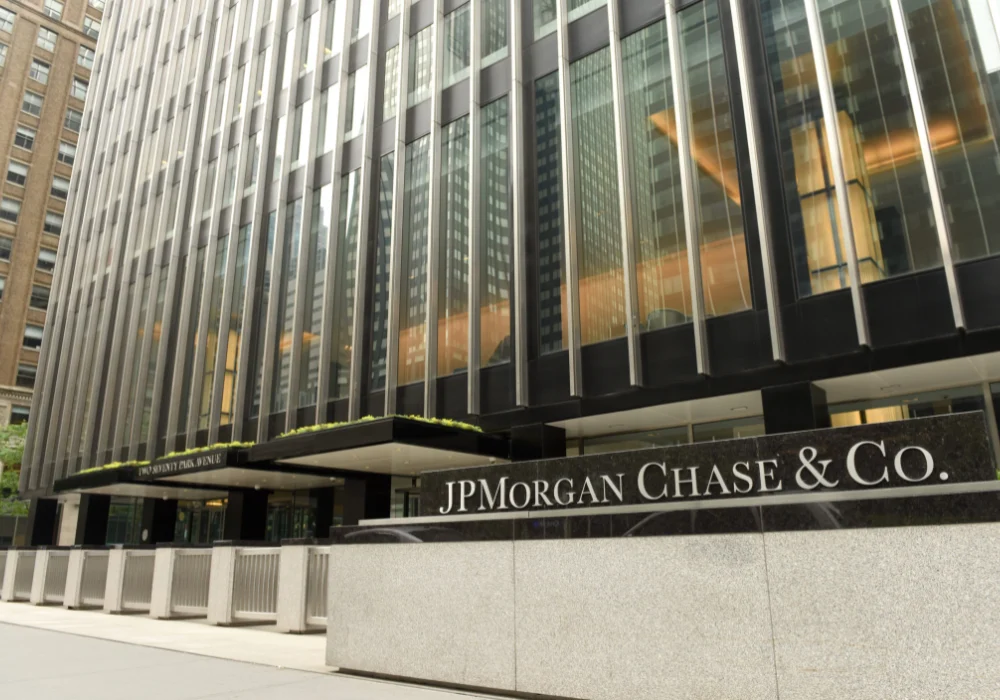
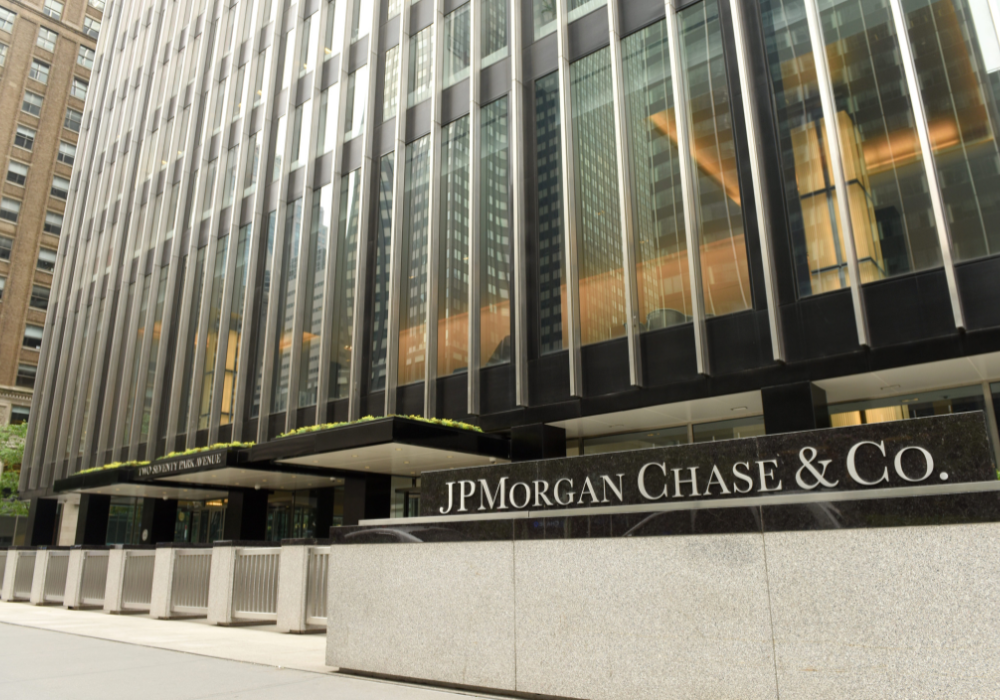
JPMorganChase retained its position as the world’s top fossil-fuel lender and underwriter. The New York-based giant extended $58.2 billion in financing in 2025, a 12.5% increase from its 2024 levels. According to the report, JPMorganChase was responsible for approximately 4.7% of all global fossil-fuel bank financing last year. Other major players in this top tier include Bank of America ($47.3 billion), Citigroup ($45.3 billion), and Wells Fargo ($42.5 billion). In Asia, Japanese banks Mitsubishi UFJ Financial ($47.0 billion) and Mizuho Financial ($46.5 billion) took the third and fourth spots globally, while the Royal Bank of Canada (RBC) remained a significant contributor at $36.6 billion.
Niko Lusiani, climate and energy research director for Rainforest Action Network and the lead organizer of the report, noted that this concentration of financing within a few hands leads to "group think." When a small circle of executives controls the capital flow for global energy, they are more likely to perpetuate outdated business models that have surpassed their social and environmental usefulness.
Geopolitical Turmoil and the Return to Peak Financing
The 2025 figure of $906 billion represents a return to the peak financing levels seen in 2021, which were driven by the post-COVID-19 economic recovery. Between 2022 and 2023, financing had dipped to a low of $727 billion, leading some analysts to believe a permanent downward trend had begun. However, the rebound has been swift and aggressive.
The International Energy Agency (IEA) points to a "new reality" shaped by unprecedented geopolitical instability. The ongoing conflicts in Ukraine and the Middle East, combined with the recent invasion of Iran and the subsequent closure of the Strait of Hormuz, have created the largest energy supply disruption in history. These "oil bottlenecks" have driven prices to multi-year highs, prompting banks to double down on fossil fuel production under the guise of energy security.
However, Lusiani argues that this logic is flawed. "Relying on fossil fuels for our primary energy source globally is no longer reliable, it’s no longer affordable, and it’s no longer actually secure," he stated. The volatility of the 2020s has shown that fossil fuel dependence leaves nations vulnerable to the actions of adversarial regimes and the physical limitations of maritime chokepoints.
The Transatlantic Divide: European Banks Pivot
While American and Japanese banks increased their exposure, 26 out of the 65 banks tracked in the BOCC report reduced their fossil-fuel financing in 2025. This group is dominated by European institutions, which are operating under stricter regulatory frameworks and greater public pressure to align with the Paris Agreement.
Leading the retreat from fossil fuels were banks such as La Caixa Group, Commerzbank, Groupe BPCE, UBS, and BNP Paribas. Notably, La Banque Postale of France reported zero fossil-fuel financing for the year, setting a benchmark for the industry. In North America, some shifts were also visible; Canadian banks CIBC, Bank of Montreal (BMO), and Toronto-Dominion Bank (TD) all reduced their oil and gas financing compared to the previous year, though they remain significant players in the sector.
The IEA estimates that overall clean-energy investment will reach $2.2 trillion in 2026—nearly double the $1.2 trillion forecast for oil, gas, and coal. This suggests that while a core group of banks is doubling down on fossil fuels, the broader market is increasingly betting on renewables, storage, and electrification.
Corporate Defense and the "Supply Ratio"
In response to the BOCC report, JPMorganChase defended its strategy, emphasizing the need for a "balanced" approach to the energy transition. A spokesperson for the bank stated that fossil fuels remain a necessary component of the global energy mix for reliability and affordability. The bank pointed to its commitment to finance $1 trillion in climate initiatives by 2030, having already deployed $309 billion toward that goal between 2021 and 2024.
Under pressure from shareholders, JPMorganChase has also begun publishing its energy-supply financing ratio. In 2025, this ratio stood at 1.13:1, meaning that for every dollar provided to fossil fuels, the bank provided $1.13 to clean energy projects. While climate advocates acknowledge this as a step toward transparency, they argue that the absolute volume of fossil fuel funding—nearly $60 billion—is still incompatible with limiting global warming to 1.5 degrees Celsius.
The Collapse of Voluntary Alliances and the Risk of Stranded Assets
The expansion of financing in 2025 coincided with the effective dissolution of the Net-Zero Banking Alliance (NZBA). The global coalition, which was intended to guide the industry toward a net-zero transition, "closed its doors" last year after failing to enforce meaningful standards on its members. The collapse of the NZBA is cited by the BOCC report as proof that voluntary commitments are insufficient to drive systemic change.
The report’s authors are now calling for a shift from voluntary "green" pledges to mandatory regulation. Proposed measures include:
- Comprehensive Disclosures: Requiring banks to report the full carbon footprint of their lending and underwriting portfolios.
- Capital Requirements: Increasing the amount of capital banks must hold against high-carbon loans to account for the increased risk of those assets.
- Mandatory Transition Plans: Forcing banks to demonstrate how their financing activities will align with international climate targets.
A growing concern among economists is the risk of "stranded assets." As renewable energy becomes cheaper and carbon regulations tighten, the multi-billion-dollar pipelines, LNG terminals, and coal plants being financed today may become economically unviable before they are paid off. If these companies, which are currently "over their skis" in debt, cannot meet their obligations, the risk could shift from the private sector to the public.
"The question is going to be: Where are all these massively indebted LNG and pipeline companies going to go, and how are they going to pay back that debt?" Lusiani warned. "I worry about public bailouts of some of these companies."
The 2025 BOCC report serves as a stark reminder that despite the rhetoric of a "green transition," the financial foundations of the fossil fuel industry remain robust. As the global economy grapples with the dual pressures of energy security and climate change, the role of the world’s largest banks remains the most critical—and contentious—factor in determining the planet’s atmospheric and economic future.
