

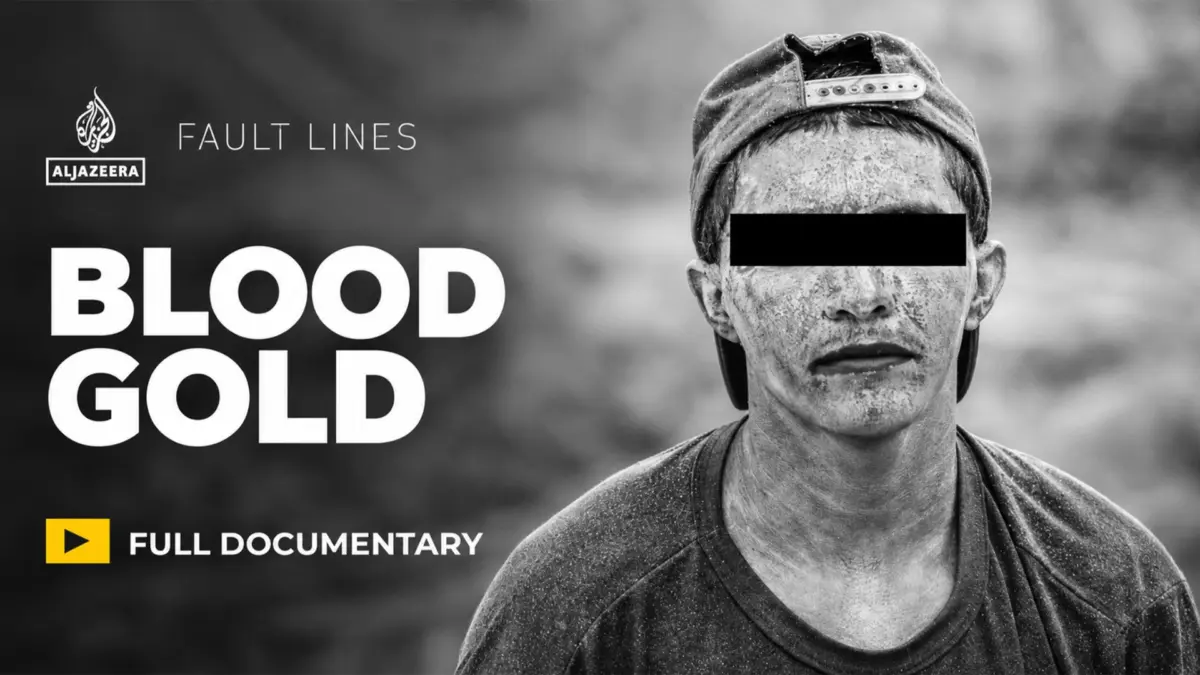
The lifeblood of the Brazilian Amazon, its vast network of rivers, is increasingly tainted by a silent, insidious poison: mercury. As global gold prices surge, driving an unprecedented rush for the precious metal, illegal mining operations are encroaching deeper into the rainforest, leaving a trail of environmental devastation and severe health crises for Indigenous communities. Among the most profoundly affected are the Munduruku people, whose very survival hinges on the purity of the fish and waters now contaminated by mercury used in gold extraction. This escalating crisis, extensively documented by programs like Fault Lines, exposes the tragic intersection of global demand, illicit economies, and the vulnerability of traditional ways of life.
The Munduruku’s Silent Struggle: Mercury’s Toxic Embrace
For generations, the Munduruku, one of Brazil’s largest Indigenous groups inhabiting the Tapajós River basin in the states of Pará and Amazonas, have lived in harmony with the forest and its rivers. Their diet, culture, and spiritual beliefs are inextricably linked to the aquatic ecosystems. However, this ancient symbiosis is being brutally severed. Fish, once their primary food source and a symbol of abundance, have become carriers of a potent neurotoxin. Studies have revealed alarmingly high levels of mercury in Munduruku communities, often exceeding the World Health Organization’s (WHO) safety limits. For instance, research published in 2020 by Fiocruz and WWF-Brazil found that nearly 90% of Munduruku villagers tested had mercury levels above safe limits, with some individuals showing concentrations more than double the acceptable threshold.
The immediate consequences are devastating: neurological damage, developmental issues in children, tremors, memory loss, and a host of other debilitating health problems are becoming increasingly prevalent. Elders struggle with coordination, mothers worry about the cognitive development of their infants, and the entire community faces an existential threat to its well-being and future. The vibrant cultural heritage, passed down through oral traditions and communal activities often centered around the river, is now overshadowed by fear and chronic illness.
The Mechanism of Contamination: How Gold Mining Poisons
Illegal gold mining, or garimpo, in the Amazon relies heavily on mercury (Hg) to amalgamate fine gold particles from river sediments and excavated earth. Miners mix liquid mercury with gold-bearing soil and gravel, forming an amalgam that can be easily separated. The mixture is then heated, often in rudimentary open-air kilns, to vaporize the mercury, leaving behind pure gold. This process, while seemingly efficient for the miners, releases vast quantities of mercury vapor directly into the atmosphere and liquid mercury into rivers and soil.
Once in the environment, mercury undergoes a sinister transformation. In aquatic systems, anaerobic bacteria convert inorganic mercury into methylmercury, an organic and highly toxic form that readily bioaccumulates in organisms. Small fish ingest methylmercury, and as they are eaten by larger fish, the toxin biomagnifies up the food chain. Top predators, including the large fish species that are staples of the Munduruku diet, accumulate the highest concentrations. When humans consume these contaminated fish, methylmercury is absorbed into the bloodstream, crossing the blood-brain barrier and the placental barrier, posing severe risks to adults and unborn fetuses alike. The effects are insidious, often manifesting years after exposure, making direct attribution challenging but no less devastating.
A Chronology of Escalation: The Rise of Illegal Garimpo
The Amazon has a long history of resource extraction, but the scale and intensity of illegal gold mining have dramatically increased in recent decades.
- 1970s-1980s: The first major gold rushes in the Amazon, notably the Serra Pelada mine, attracted hundreds of thousands of prospectors, leading to widespread environmental damage and social upheaval. While often legal, these operations laid the groundwork for future illicit activities.
- Late 20th Century: As formal mining operations became more regulated, informal and illegal garimpo continued in remote areas, often with limited oversight.
- 2000s: A steady increase in global gold prices began to make illegal mining increasingly lucrative. Advances in technology, though rudimentary, also made it easier for small-scale operations to extract gold.
- 2010s: Gold prices soared following the 2008 financial crisis, reaching peaks around $1,900 per ounce. This acted as a massive incentive for illegal operations, drawing in thousands of new garimpeiros into Indigenous territories and protected areas. Satellite imagery began to reveal a rapid expansion of mining fronts.
- Late 2010s – Early 2020s: Political shifts in Brazil, particularly during the Bolsonaro administration, saw a significant weakening of environmental enforcement agencies like IBAMA and FUNAI. Rhetoric favoring resource exploitation over environmental protection emboldened illegal miners. Reports from organizations like IMAZON showed a dramatic spike in deforestation linked to mining, with some estimates indicating a 300% increase in mining activity within Indigenous lands between 2018 and 2021. The COVID-19 pandemic further exacerbated the situation, as enforcement operations were scaled back, and Indigenous communities, already vulnerable, faced an onslaught of incursions and disease transmission risks.
This timeline illustrates a clear correlation between global economic factors, domestic political climates, and the unchecked proliferation of illegal mining, directly leading to the current crisis faced by the Munduruku and other Indigenous groups.
The Broader Ecological Catastrophe
Beyond mercury contamination, illegal gold mining inflicts a myriad of other severe environmental damages. The process requires extensive deforestation to clear land for pits, roads, and camps. Heavy machinery, such as excavators and dredges, tears through the forest floor, destroying critical habitats and disrupting delicate ecosystems. The exposed soil then erodes into rivers, causing massive siltation that smothers aquatic life, alters riverbeds, and reduces water clarity. This turbidity impacts fish migration, breeding patterns, and the overall health of riverine species.
Furthermore, the chemicals used in some operations, such as cyanide (though less common in small-scale garimpo than mercury), also pose significant risks. The sheer scale of land disturbance contributes to biodiversity loss, impacting countless species of plants and animals unique to the Amazon. The destruction of carbon-absorbing forests also exacerbates climate change, turning vital carbon sinks into sources of emissions. The Amazon rainforest, often dubbed the "lungs of the planet," is being systematically degraded by an industry driven by short-term profit.
The Front Lines of Enforcement: Challenges and Setbacks
Despite the clear illegality of these operations within Indigenous territories and protected areas, enforcement remains a monumental challenge. Federal agencies such as IBAMA (Brazilian Institute of Environment and Renewable Natural Resources), FUNAI (National Indian Foundation), and the Federal Police are tasked with combating illegal mining. However, they face numerous hurdles:
- Vastness of the Amazon: The sheer size and remoteness of the mining sites make surveillance and interdiction extremely difficult. Miners often operate in areas accessible only by river or air, deep within the jungle.
- Logistical Constraints: Enforcement agencies are often underfunded and understaffed, lacking the resources (boats, helicopters, personnel) to conduct sustained operations over such a vast territory.
- Corruption: The lucrative nature of illegal gold mining makes it susceptible to corruption, potentially compromising enforcement efforts.
- Political Interference: Recent administrations have been criticized for actively dismantling environmental protection policies and weakening enforcement bodies, thereby emboldening illegal miners. Budget cuts and dismissals of experienced agents have severely hampered operations.
- Violence and Intimidation: Miners, often armed and organized, frequently confront enforcement agents and Indigenous communities, sometimes resorting to violence. Indigenous leaders and environmental activists face constant threats to their lives.
Senior correspondent Josh Rushing, in his rare access to an illegal mine for Fault Lines, witnessed firsthand the rudimentary yet effective methods employed by garimpeiros, highlighting the low barrier to entry and the difficulty of detection. His encounter underscored the stark reality of how mercury is handled without any safety protocols, directly contributing to the environmental catastrophe.
Federal prosecutors, like the one featured in Blood Gold, play a crucial role in the legal battle against illegal mining by targeting the supply chains of mercury and the financiers behind the operations. By tracing the origin and distribution of mercury, they aim to cut off a vital input for illegal miners. However, the black market for mercury is vast and often crosses international borders, making it an uphill battle requiring sophisticated intelligence and international cooperation.
Global Demand, Local Devastation: The World’s Appetite for Gold
The persistence of illegal mining is fundamentally linked to the insatiable global demand for gold. Gold is prized for its aesthetic appeal in jewelry, its conductivity in electronics (smartphones, computers), and its role as a safe-haven investment. This multifaceted demand creates a powerful economic incentive that fuels illegal extraction, particularly in regions rich in mineral deposits like the Amazon.
Consumers, often unknowingly, contribute to this destructive cycle. Much of the gold in the global market is untraceable to its origin, allowing illegally mined gold, often dubbed "blood gold," to enter legitimate supply chains. The lack of robust "due diligence" and certification schemes for gold sourcing means that retailers and manufacturers may inadvertently be profiting from environmental destruction and human rights abuses. This raises critical ethical questions for consumers and corporations alike: who pays the true price for the world’s appetite for gold? The answer, unequivocally, is the Indigenous communities and the irreplaceable ecosystems of the Amazon.
Indigenous Resistance and International Advocacy
Despite the overwhelming odds, Indigenous communities like the Munduruku are not passive victims. They are actively organizing, mobilizing, and fighting to protect their ancestral lands and way of life. They have formed their own surveillance teams, documented invasions, and appealed to national and international bodies for intervention. Munduruku leaders have traveled to Brazil’s capital, Brasília, and even to international forums, to denounce the inaction of the government and demand justice.
Their struggle is supported by a growing network of environmental NGOs, human rights organizations, and scientific institutions. These allies provide legal assistance, scientific research (like the mercury studies), logistical support for monitoring, and amplify Indigenous voices on the global stage. International pressure from organizations and concerned governments can play a vital role in pushing the Brazilian government to uphold its constitutional obligations to protect Indigenous territories and enforce environmental laws. However, such advocacy often faces political pushback and accusations of interference in national sovereignty.
A Multifaceted Crisis: Broader Implications
The crisis of illegal gold mining in the Amazon carries far-reaching implications that extend beyond the immediate devastation:
- Public Health Emergency: The mercury contamination represents a long-term public health crisis for Indigenous communities, with intergenerational consequences that will require sustained medical intervention and support.
- Socio-Cultural Erosion: The destruction of traditional livelihoods, the health crises, and the constant threat of violence lead to the erosion of Indigenous cultures, languages, and social structures.
- Biodiversity Loss and Climate Change: The Amazon is a global biodiversity hotspot and a critical regulator of global climate. Its degradation through mining and deforestation has planetary implications.
- Rule of Law and Governance: The rampant illegality undermines the rule of law, breeds corruption, and challenges the sovereignty of the state over its own territory. It creates a parallel illicit economy that fuels other criminal activities.
- National and International Reputation: Brazil’s failure to curb illegal mining and protect its Indigenous populations damages its international reputation and can lead to economic consequences, such as trade sanctions or divestment.
- Security Risks: The presence of armed illegal miners and criminal syndicates creates zones of lawlessness, posing significant security risks to local populations, enforcement agents, and even regional stability.
The film’s examination of why illegal mining persists despite government crackdowns underscores the complex interplay of economic desperation, political will, and the immense profits involved. The price is paid not by those who profit from the global gold trade, but by the most vulnerable communities at the front lines of environmental destruction.
Towards a Sustainable Future: Addressing the Root Causes
Addressing this multifaceted crisis requires a comprehensive and sustained approach:
- Strengthened Enforcement: Robust, well-funded, and politically supported enforcement operations by federal agencies are crucial to dismantle illegal mining infrastructure, seize equipment, and prosecute offenders.
- Alternative Livelihoods: Providing sustainable economic alternatives for communities currently reliant on garimpo can help reduce the incentive for illegal mining. This includes supporting sustainable agriculture, ecotourism, and other forest-friendly economies.
- Mercury Control: Implementing stricter controls on the trade and use of mercury, coupled with efforts to introduce mercury-free gold extraction technologies, can significantly reduce contamination.
- Indigenous Land Rights: Full recognition, demarcation, and protection of Indigenous territories are fundamental. Empowering Indigenous communities to manage and protect their lands is the most effective defense against invaders.
- Consumer Awareness and Responsible Sourcing: Educating consumers about the origins of gold and promoting demand for ethically sourced, certified gold can create market pressure for responsible mining practices. Companies must implement rigorous due diligence throughout their supply chains.
- International Cooperation: Collaborative efforts between Brazil and international partners are vital for intelligence sharing, financial tracking of illicit gold, and supporting enforcement and sustainable development initiatives.
The struggle of the Munduruku people is a microcosm of a larger battle for the soul of the Amazon. It is a stark reminder that the world’s pursuit of precious metals comes at an immeasurable cost to the environment, human health, and the survival of cultures that have coexisted with the rainforest for millennia. The question remains whether the world will heed their cry before the silence of a poisoned river becomes the only sound echoing through the ravaged forest.
