

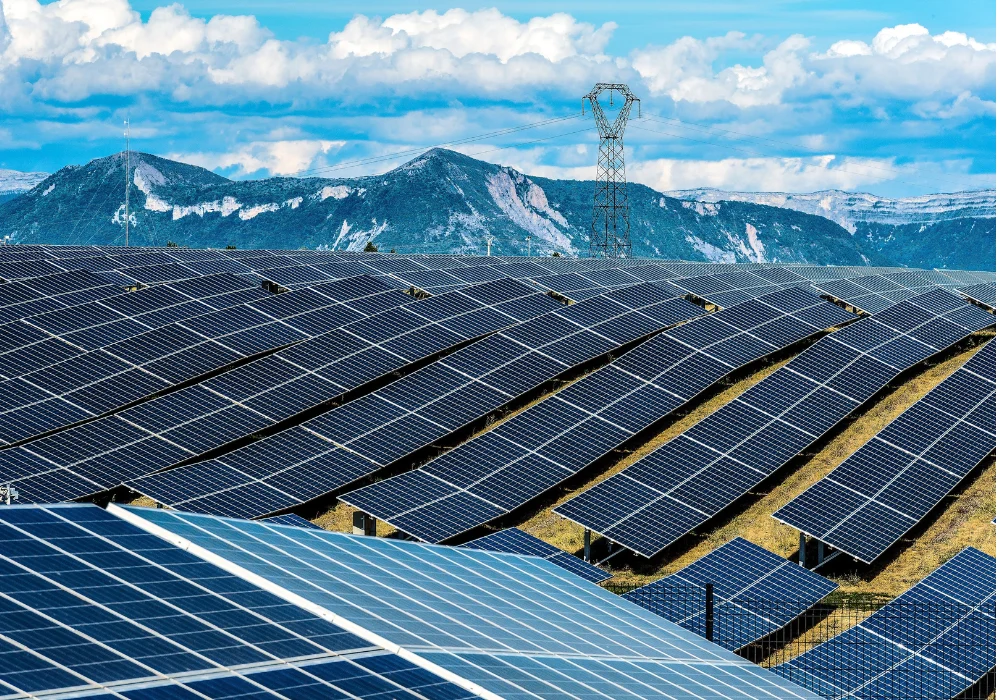
The European continent endured a transformative summer characterized by a relentless series of record-breaking heat waves and a concurrent drought that reshaped the region’s energy landscape. While traditional power sources—including nuclear, hydroelectric, and natural gas—stumbled under the weight of soaring temperatures and receding water levels, solar energy emerged as the primary bulwark against widespread grid instability. This summer of extremes, which delivered the hottest June on record for Western Europe, has served as a stark preview of the challenges facing the European Union’s energy transition and the urgent necessity of integrating large-scale storage solutions to manage a warming climate.
The Convergence of Heat and Drought: A Systemic Shock
The summer was defined by a meteorological "double whammy." First, a series of high-pressure "heat domes" settled over the continent, pushing temperatures into uncharted territory. According to data from the Copernicus Climate Change Service, June was the warmest ever recorded in Europe, with temperatures significantly above the 1991–2020 average. This atmospheric stagnation did more than just drive up thermometer readings; it created a "wind drought." The lack of pressure gradients meant that wind speeds plummeted, causing wind turbine output to drop significantly across Northern and Western Europe. In the United Kingdom, wind generation in June was nearly halved compared to seasonal norms, removing a critical pillar of the country’s renewable energy mix at a time of rising demand.
Simultaneously, a prolonged lack of precipitation led to a "creeping drought" that shriveled Europe’s arterial waterways. Major rivers, including the Rhine, the Danube, and the Po, reached record-low levels. In Central and Eastern Europe, the receding waters of the Danube became a grim historical archive, exposing the rusted hulls of Second World War warships and prehistoric relics. This hydrological crisis had immediate and severe consequences for the energy sector. Hydroelectric reservoirs, particularly in the Alps and the Iberian Peninsula, saw their levels plummet. By July, Europe’s total hydropower production had fallen to its lowest level in a decade, removing a flexible and traditionally reliable source of baseload power from the market.
The Vulnerability of Thermal Power
The crisis exposed a critical vulnerability in "thermal" power plants—facilities that rely on water for cooling, including nuclear, coal, and natural gas plants. As river temperatures rose and water volumes decreased, these plants were forced to choose between environmental degradation and reduced output.
France, which relies on nuclear energy for roughly 70% of its electricity, was particularly hard-hit. French nuclear reactors often draw water from rivers to cool their systems, discharging it back at a higher temperature. National environmental regulations strictly cap the temperature of this discharged water to protect aquatic ecosystems. When intake water is already warm due to a heat wave, the "thermal margin" disappears. In mid-July, the energy think tank Ember reported that France lost approximately 18% of its nuclear capacity due to these environmental factors. This was not an isolated incident but rather the latest in a trend of summertime outages that have plagued the French nuclear fleet as the climate warms.
The United Kingdom faced similar struggles with its gas-fired fleet. Five major natural gas plants were forced to curtail their output by a combined 2.5 gigawatts because the ambient heat reduced the efficiency of their cooling systems. In essence, the very conditions that drove up the demand for electricity—the need for cooling—simultaneously degraded the ability of the grid’s most traditional workhorses to provide it.
Solar Energy: The Outperformer in the Heat
Against this backdrop of systemic failure, solar power proved to be the most resilient and productive energy source. Typically, solar panels experience a slight decrease in efficiency at extremely high temperatures; however, the clear, cloudless skies that accompany European heat waves more than compensated for this minor technical drawback.
According to Ember, Europe’s solar installations produced 17% more electricity during the summer’s peak heat events than they do under average summer conditions. In countries like Italy and Spain, solar generation provided a critical buffer during the mid-afternoon, precisely when air conditioning demand reached its daily zenith. On the hottest days in June, Italy saw its power demand jump by 28% compared to the previous week, while France experienced a 14% increase. Without the record-breaking contribution of solar power, grid operators would have likely been forced to implement rolling blackouts or rely even more heavily on expensive, carbon-intensive "peaker" gas plants.
The success of solar this summer was bolstered by a massive acceleration in capacity. In 2025 alone, the continent installed 36 gigawatt-hours of battery storage, representing a 48% increase over the previous year. This expansion has been vital in addressing the "duck curve"—the phenomenon where solar production drops off just as evening demand peaks.
The Evening Challenge and the Role of Storage
While solar thrived during the day, the grid faced its most precarious moments after sunset. Heat waves are increasingly characterized by high nighttime temperatures, which prevent buildings from cooling down naturally and keep air conditioning units running throughout the night.
"The next challenge is the evening period," noted Walburga Hemetsberger, CEO of SolarPower Europe. "Temperatures often remain high after sunset and AC demand can stay elevated, even as solar production declines. This is why battery storage is becoming such an important part of the energy transition."
During the summer of 2025, battery systems played a pivotal role in shifting the midday solar surplus into the evening hours. This helped mitigate the price spikes that have become a hallmark of European energy markets. In the evening hours of late June, electricity and natural gas prices spiked to their highest levels since the 2022/2023 energy crisis, driven by the absence of solar power and the high cost of gas-fired generation. The presence of battery storage acted as a price dampener, providing a cheaper, stored alternative to the volatile spot market.
Regional Disparities and the Air Conditioning Boom
The summer’s events also highlighted a looming shift in European consumption patterns. Historically, air conditioning has been less common in Europe than in North America. Currently, only about 23% of European households have access to air conditioning, compared to 90% in the United States. However, this is changing rapidly. In Mediterranean countries like Spain and Italy, penetration is now closer to 50%, while in France, it has reached 25%.
The political discourse surrounding cooling is also shifting. Marine Tondelier, national secretary of France’s Ecologist Party, acknowledged this summer that air conditioning has become a necessity for public health. "There are places where we just can’t do without it now," she stated, reflecting a reluctant pivot from the party’s traditional stance that air conditioning was an avoidable luxury that contributed to greenhouse gas emissions.
This surge in demand poses a long-term challenge for grid planners. As more Europeans install cooling systems, the summer peak demand is expected to eventually rival or exceed the winter peak in several countries. This shift requires not only more generation but a more flexible grid capable of handling rapid swings in demand and supply.
Economic and Policy Implications
The financial toll of adapting to this new reality is substantial. EDF, France’s state-owned utility, has announced plans to invest more than $10 billion over the next 15 years to "climate-proof" its nuclear and hydropower assets. These investments will include advanced cooling technologies, such as "dry cooling" systems that use less water, and equipment to cool discharge water before it enters river systems.
However, analysts argue that infrastructure investment alone is insufficient. Beatrice Petrovich, a senior energy analyst at Ember, emphasized that the summer’s price volatility should serve as a wake-up call for regulators. "Extreme price spikes during heat waves are a blaring signal for regulatory changes that increase power system flexibility," she said. "Treating this summer as a turning point for energy storage would be an opportunity to remove existing barriers."
Current regulatory hurdles in several EU member states—including "double charging" for batteries (where they are taxed both when they draw from and feed into the grid) and slow permitting processes—continue to hamper the rollout of storage. Addressing these issues is seen as critical for maintaining energy security as the continent moves away from fossil fuels.
A Timeline of the Summer of Extremes
To understand the scale of the crisis, one must look at the chronology of the season:
- Early June: A record-breaking heat wave hits Western Europe. Temperatures in parts of France and Spain exceed 40°C (104°F). Solar production hits new daily records across the EU.
- Late June: High-pressure systems lead to "stagnant air" conditions. Wind power generation in the UK and Germany drops to 20% of its typical June output.
- Early July: Drought conditions intensify. The Rhine River falls to levels that restrict commercial shipping, impacting coal deliveries to power plants in Germany.
- Mid-July: France’s EDF issues formal warnings regarding nuclear curtailments due to high river temperatures. Hydropower output in Italy falls to 40% below the five-year average.
- August: Battery storage systems across Europe record their highest utilization rates in history, successfully bridging the gap between solar peaks and evening demand surges.
Conclusion: The Path Forward
The summer of 2025 has demonstrated that the "old" energy system—built on the assumption of stable water cycles and predictable temperatures—is no longer fit for purpose in a climate-changed world. The vulnerability of nuclear and gas plants to heat, combined with the volatility of wind and hydro during droughts, leaves a gap that only a combination of solar and storage seems currently equipped to fill.
As Europe continues to decarbonize, the lessons of this summer will likely dictate the next phase of policy. The transition is no longer just about adding "green" electrons to the grid; it is about building a system resilient enough to withstand the very climate impacts it is trying to mitigate. The success of solar power in the face of record heat provides a roadmap, but the mission remains incomplete without a massive, sustained investment in the storage and flexibility required to keep the lights—and the air conditioners—on when the sun goes down.
