

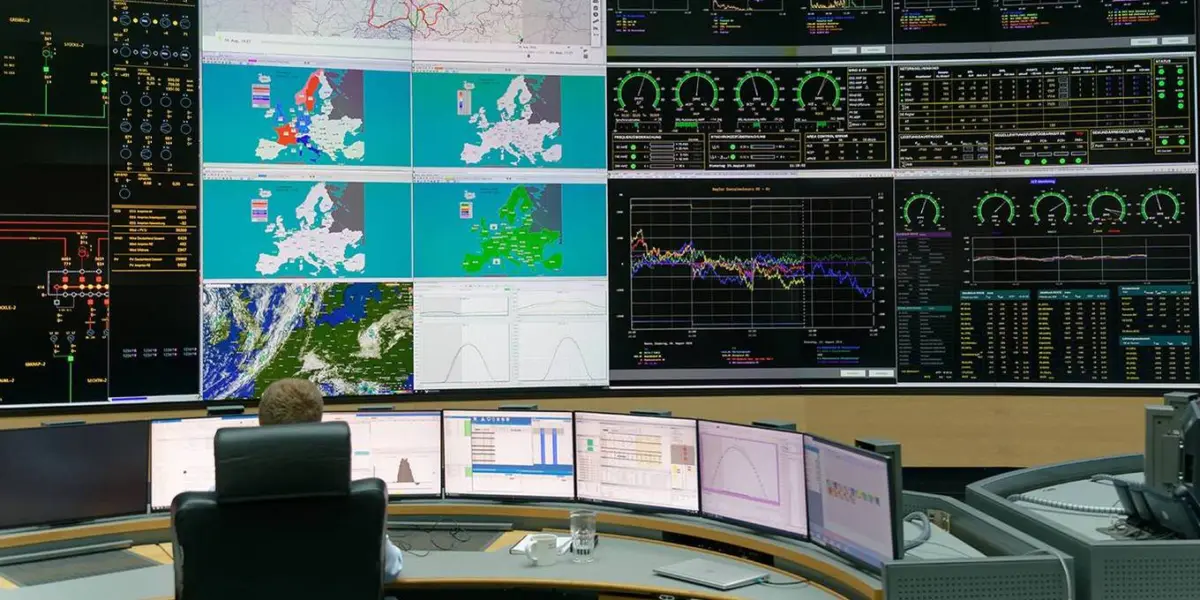
Europe is hallucinating a grand future of AI sovereignty and digital independence. But its power grids are structurally incapable of supporting it. The continent’s ambitious drive to become a global leader in artificial intelligence, a sector heavily reliant on massive data processing centers, is encountering a fundamental and growing impediment: an aging and overburdened electricity infrastructure. While the political discourse often focuses on technological prowess and strategic autonomy, the foundational reality of insufficient power generation and distribution capacity, coupled with escalating local resistance to new construction, threatens to derail these aspirations. Achieving true technological sovereignty will necessitate a pragmatic shift away from rhetorical grandstanding towards concrete, resource-efficient solutions.
The burgeoning demand for AI and digital services translates directly into an insatiable appetite for electricity. Data centers, the physical backbone of these operations, are notoriously energy-intensive. A single large-scale data center can consume as much electricity as a small town, and with the projected exponential growth of AI applications, the cumulative energy requirement is staggering. Europe, eager to compete with North America and Asia in the AI race, is witnessing a surge in plans for new data center developments across member states. However, this expansion is colliding head-on with the limitations of existing power grids, many of which were designed for a different era and are struggling to cope with the increased load.
The Growing Energy Demand of the Digital Age
The International Energy Agency (IEA) has highlighted the significant and growing energy footprint of data centers and AI. According to its reports, global data center electricity demand could more than double by 2026, reaching over 1,000 terawatt-hours (TWh) annually, equivalent to the total electricity consumption of countries like Germany, Japan, and India combined. This surge is driven not only by the proliferation of data centers but also by the energy demands of AI model training and inference. Training a single large language model can consume hundreds of megawatt-hours of electricity, comparable to the annual energy consumption of several households.
Europe’s commitment to digital transformation, underscored by initiatives like the Digital Decade targets, aims to increase the number of AI specialists, deploy AI in critical sectors, and foster the development of AI technologies. This ambition, however, requires substantial investment in the digital infrastructure, with data centers at its core. For instance, countries like the Netherlands, Ireland, and Germany have been popular destinations for hyperscale data center investments due to their connectivity and stable regulatory environments. Yet, these nations are also grappling with the immense energy demands these facilities place on their national grids.
Strained Grids and the Specter of Blackouts
Europe’s power grids are already facing significant challenges. The ongoing transition to renewable energy sources, while crucial for climate goals, introduces intermittency issues that require sophisticated grid management and substantial investment in energy storage and transmission infrastructure. Furthermore, many national grids are aging, with a considerable portion of their infrastructure in need of modernization or replacement. The sudden influx of high-demand data centers exacerbates these existing vulnerabilities, pushing grids to their operational limits.
In several European countries, the strain on the electricity network has become acutely apparent. Grid operators are increasingly reporting that the capacity to absorb new, large energy consumers like data centers is limited, particularly in certain regions. This has led to situations where new data center projects face significant delays or outright rejection due to grid constraints. For example, reports from the Netherlands have indicated that the capacity of the national grid to accommodate new data centers has been exhausted in some areas, forcing companies to seek alternative locations or scale back their plans. Similar concerns have been raised in other countries, where the pace of data center development has outstripped the ability of grid operators to upgrade and expand the network.
The implications of this mismatch are far-reaching. Without adequate grid capacity, the expansion of AI infrastructure could be severely curtailed, impacting Europe’s ability to achieve its digital ambitions. Moreover, an overloaded grid increases the risk of localized blackouts and system instability, which could have devastating economic and social consequences. The very digital services that AI promises to enhance could be jeopardized by the inability to power the underlying infrastructure.
Rising Local Opposition: The NIMBY Effect
Beyond the technical challenges of grid capacity, Europe is also witnessing a growing wave of public and local opposition to the construction of new data centers. This phenomenon, often referred to as "Not In My Backyard" (NIMBY), is fueled by a range of concerns, including the significant energy consumption, water usage for cooling, noise pollution, and the visual impact of these large industrial facilities on local communities.
As data centers are increasingly being proposed in or near residential areas, or in environmentally sensitive locations, local residents and environmental groups are mobilizing to voice their objections. These concerns are often amplified by the perception that the economic benefits of data centers do not always outweigh the local environmental and social costs. For instance, in Belgium, a proposed hyperscale data center faced strong opposition from local authorities and environmental organizations due to its projected high energy and water consumption, leading to a lengthy approval process and significant public debate. Similarly, in Ireland, the rapid proliferation of data centers has drawn criticism for their disproportionate impact on national electricity demand, potentially diverting power away from other essential services and hindering the country’s renewable energy targets.
The public backlash presents a significant hurdle for developers and policymakers. Obtaining permits and licenses for data center construction, which often requires navigating complex local planning regulations and environmental impact assessments, is becoming increasingly difficult. The lack of transparency regarding the full environmental footprint of these facilities and the perceived inequity in the distribution of benefits and burdens further fuels this opposition.
A Call for Pragmatism and Resourcefulness
The current trajectory suggests a critical juncture for Europe’s AI ambitions. The grand vision of technological sovereignty is being undermined by the harsh realities of aging infrastructure and local resistance. To overcome these obstacles, a fundamental shift in approach is required. Less emphasis should be placed on aspirational rhetoric and more on practical, actionable solutions that address the core issues of energy supply and community acceptance.
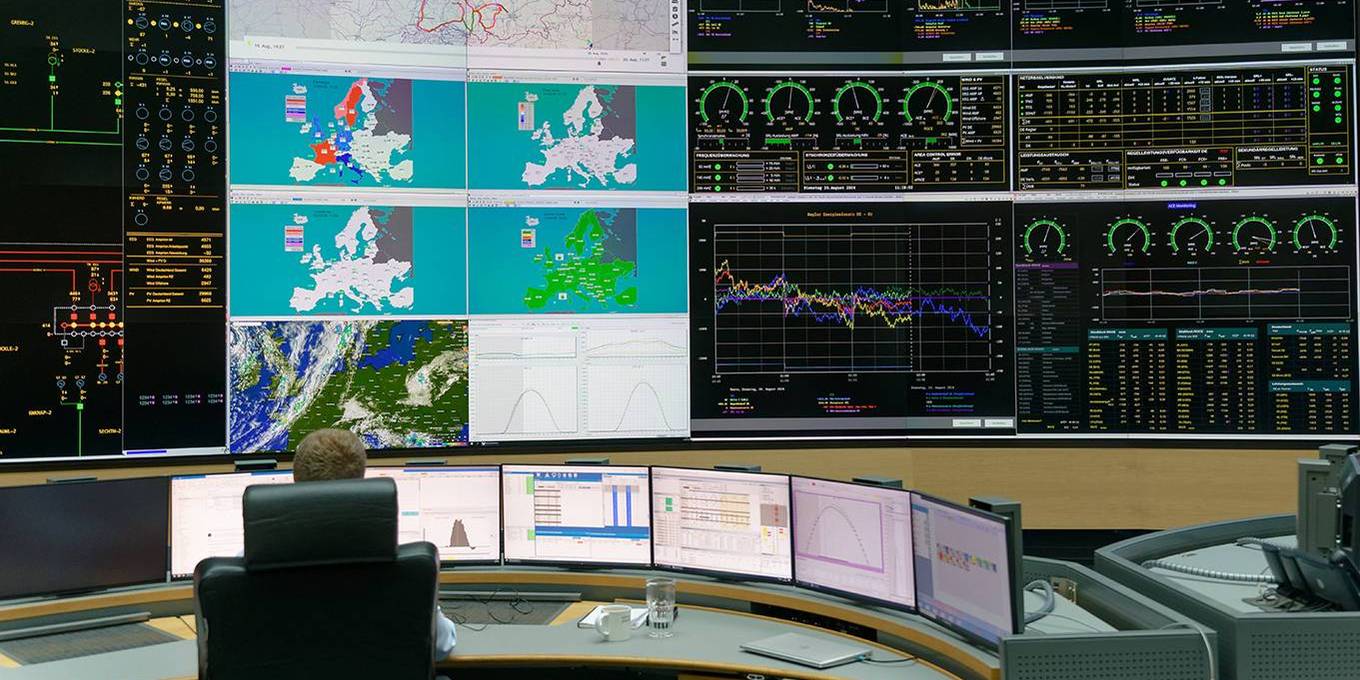
1. Strategic Grid Modernization and Expansion: The most immediate and critical need is a substantial and accelerated investment in upgrading and expanding Europe’s electricity grids. This includes not only increasing transmission capacity but also modernizing distribution networks to handle the decentralized nature of renewable energy sources and the concentrated demand of data centers. Governments and energy providers must prioritize grid resilience, incorporating smart grid technologies that can optimize energy flow and manage demand more effectively. This might involve the construction of new high-voltage power lines, substations, and the integration of advanced energy storage solutions to buffer the intermittency of renewables and meet peak demand.
2. Promoting Energy Efficiency and Innovation in Data Centers: While data centers are inherently energy-intensive, there is significant scope for improving their energy efficiency. This includes encouraging the adoption of advanced cooling technologies that reduce water consumption, optimizing server utilization, and exploring waste heat recovery systems that can be integrated into local district heating networks. Incentivizing data center operators to invest in on-site renewable energy generation, such as solar or wind power, can also help alleviate the strain on the public grid. Furthermore, fostering research and development into more energy-efficient AI algorithms and hardware is crucial for long-term sustainability.
3. Fostering Genuine Community Engagement and Benefit Sharing: The current approach to community engagement often falls short, leading to mistrust and opposition. A more proactive and inclusive strategy is needed. This involves early and transparent communication with local communities about the proposed data center projects, including their environmental impact, energy requirements, and economic benefits. Developers and local authorities should actively explore mechanisms for benefit sharing, such as investing in local infrastructure improvements, creating local employment opportunities, and contributing to community development projects. Demonstrating a clear commitment to addressing local concerns and ensuring that communities benefit from these developments is paramount to gaining social license.
4. Regional Planning and Resource Optimization: A more coordinated, pan-European approach to data center development and grid planning is essential. Instead of fragmented national strategies, a regional perspective can help identify areas with sufficient energy capacity and suitable infrastructure, while also considering environmental sensitivities. This could involve designating specific "digital zones" or "energy hubs" where data center development is concentrated, allowing for more efficient infrastructure planning and resource allocation. Such an approach could also facilitate shared investments in grid upgrades and renewable energy projects across regions.
5. Rethinking Technological Sovereignty: Europe’s pursuit of AI sovereignty should not be narrowly defined by the sheer volume of data centers. True sovereignty lies in the ability to innovate, develop, and deploy AI technologies responsibly and sustainably. This requires a balanced approach that considers the environmental and social costs alongside the economic and strategic benefits. It may also involve exploring alternative approaches to data processing and storage, such as edge computing, which distributes processing power closer to the source of data, potentially reducing the reliance on massive centralized data centers.
A Timeline of Challenges and Opportunities
The challenges facing Europe’s data center expansion and grid capacity are not new, but they are intensifying. The timeline of recent developments illustrates this growing tension:
- Early 2010s: Initial wave of hyperscale data center investments in Europe, driven by cloud computing growth, with less immediate concern for grid limitations in many regions.
- Mid-to-Late 2010s: Increasing awareness of the energy footprint of digital infrastructure. Renewable energy targets become more ambitious, creating a complex energy landscape.
- Late 2010s – Early 2020s: Surge in AI development and investment globally. Europe expresses strong ambitions for AI leadership. Data center construction accelerates, but grid connection queues begin to lengthen in some areas.
- 2022-2023: Heightened geopolitical and energy security concerns due to the war in Ukraine amplify the focus on energy independence and grid stability. Reports of grid operators in countries like the Netherlands and Germany issuing moratoriums or strict limits on new data center connections become more frequent. Public opposition to large infrastructure projects, including data centers, gains momentum across several European nations, often citing environmental and energy concerns.
- 2024 and Beyond: The challenge is expected to escalate. Projections for AI growth suggest a dramatic increase in data center energy demand. European governments and regulatory bodies are under increasing pressure to devise concrete strategies for grid modernization and to address public concerns. The success of Europe’s AI ambitions will likely hinge on its ability to forge a pragmatic path that balances technological advancement with sustainable infrastructure development and community well-being.
Data and Projections: The Stark Reality
The numbers paint a stark picture:
- Projected Data Center Energy Demand: As mentioned, global data center electricity demand could exceed 1,000 TWh by 2026, with AI contributing significantly to this growth.
- Grid Capacity Bottlenecks: In some European countries, the available grid capacity for new large industrial consumers is already fully allocated, leading to waiting lists for grid connections that can span several years.
- Water Consumption: Large data centers require significant amounts of water for cooling. Some estimates suggest that a single large data center can consume millions of liters of water per day, raising concerns in water-scarce regions.
- Investment Needs: The European Union estimates that trillions of euros will be needed to modernize its energy infrastructure to meet climate targets and the demands of digitalization.
- Public Opinion: Surveys and local election results in some areas indicate growing public concern about the environmental impact of large industrial facilities, including data centers.
Official Responses and Industry Perspectives
European Union officials have acknowledged the challenges. The European Commission has called for greater coordination in energy infrastructure planning and has emphasized the need to balance digital ambitions with climate goals. Discussions are ongoing regarding potential EU-level initiatives to streamline permitting processes for critical digital infrastructure while ensuring environmental safeguards.
The data center industry, while acknowledging the energy demands, often highlights its commitment to sustainability. Leading data center operators are investing in renewable energy procurement, energy-efficient technologies, and exploring circular economy principles, such as waste heat utilization. However, critics argue that these efforts, while commendable, are not yet sufficient to offset the sheer scale of projected demand. Industry bodies frequently advocate for more streamlined regulatory processes and greater certainty in grid connection timelines to facilitate necessary investments.
Broader Impact and Implications
The struggle to reconcile AI ambitions with power grid limitations and public sentiment has profound implications for Europe’s future.
- Economic Competitiveness: If Europe cannot provide the necessary power infrastructure, it risks losing out on significant investments in the AI sector, impacting its economic competitiveness on the global stage. This could lead to a concentration of AI innovation and data processing in regions with more robust energy systems.
- Technological Sovereignty: The notion of "technological sovereignty" becomes increasingly hollow if Europe is reliant on external infrastructure or cannot develop its own advanced digital capabilities due to fundamental resource constraints. True sovereignty requires control over the entire value chain, including the energy that powers it.
- Energy Transition: The tension between data center energy demand and renewable energy goals could create difficult trade-offs. Policymakers must ensure that the growth of digital infrastructure does not undermine progress towards decarbonization and energy independence.
- Social Equity: The NIMBY phenomenon raises questions about who bears the burden of technological progress. Ensuring that local communities are not disproportionately affected by the environmental and social costs of data center development is crucial for social cohesion.
Ultimately, Europe’s quest for AI leadership hinges on its ability to move beyond aspirational rhetoric and engage in the hard, practical work of infrastructure development and stakeholder engagement. A future of digital independence and AI prowess can only be built on a foundation of reliable, sustainable, and socially accepted energy systems. Failure to address these foundational issues will relegate Europe’s AI dreams to the realm of hallucination, while its competitors forge ahead. The time for grand pronouncements is over; the era of pragmatic action and substantial investment in the backbone of the digital age has arrived.
