

The first week of November 2026 has marked a pivotal moment in the global transition toward a sustainable economy, characterized by significant advancements in renewable energy infrastructure, a deepening of corporate disclosure mandates, and a shift in the financial sector’s approach to biodiversity and natural capital. As the international community prepares for the upcoming COP31 summit, the developments of the past seven days underscore the maturation of Environmental, Social, and Governance (ESG) principles from peripheral considerations to core drivers of global industrial policy and capital allocation. This review analyzes the critical events that shaped the ESG landscape during the week ending November 8, 2026, providing a comprehensive overview of regulatory shifts, technological milestones, and the evolving role of institutional investors.
Expanding Renewable Capacity: Central Europe’s Strategic Pivot
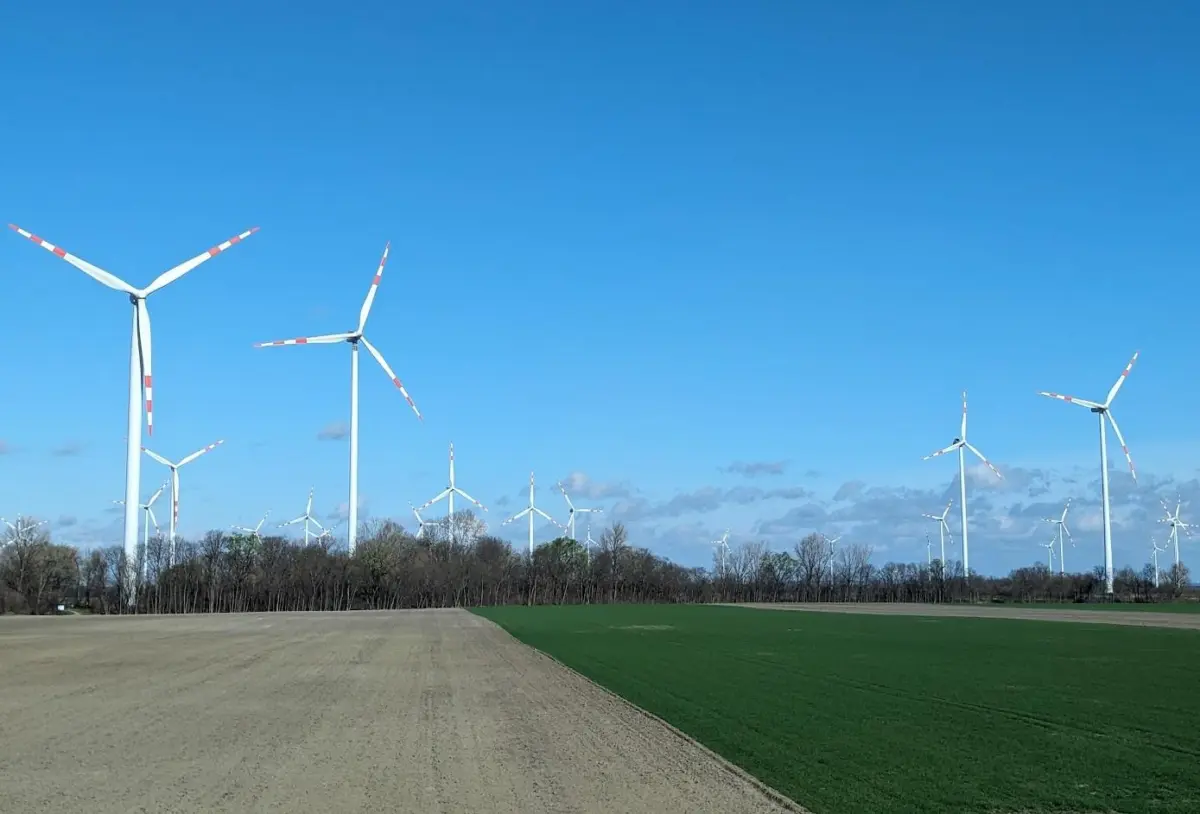
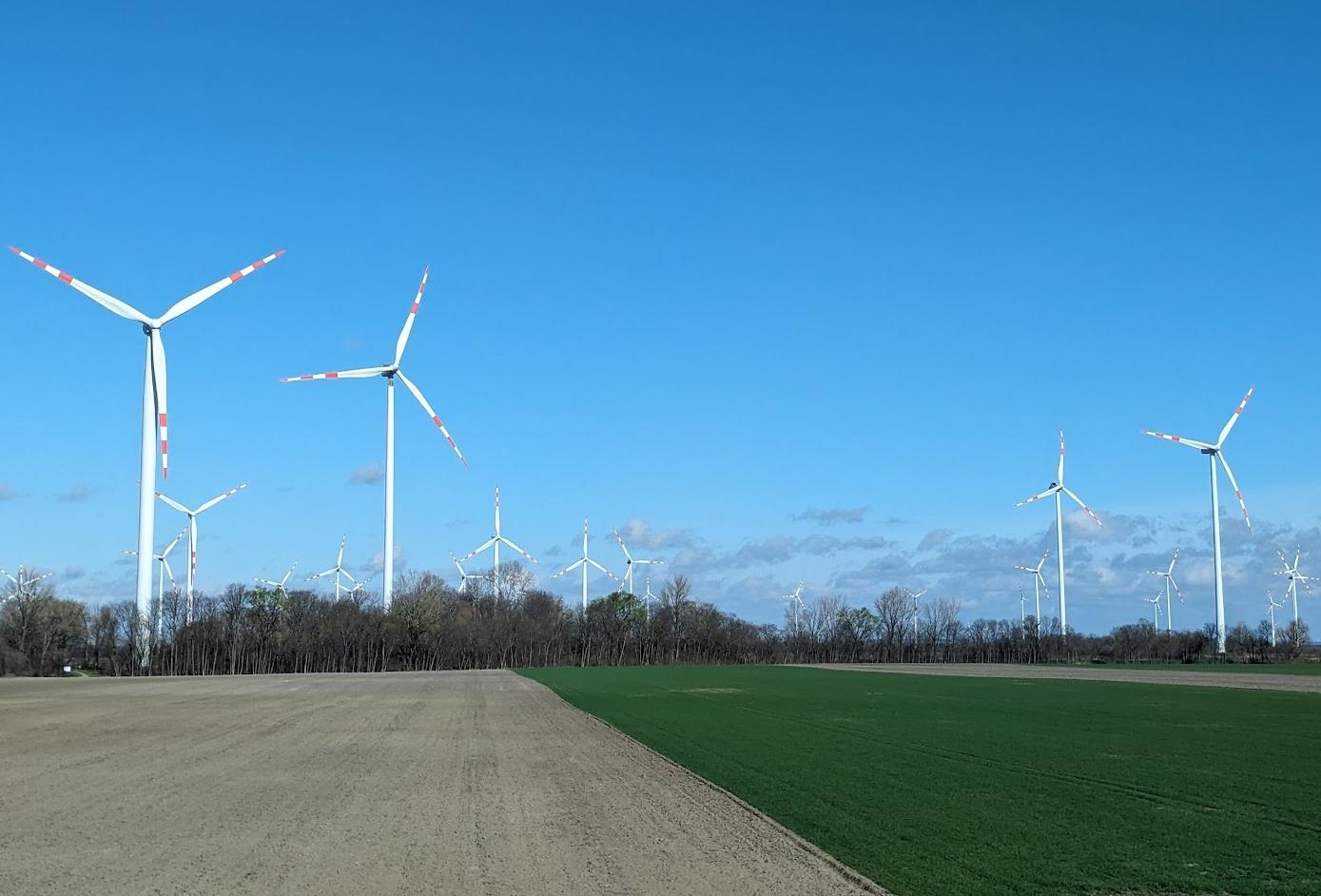
A primary focus of this week’s news was the inauguration of several large-scale onshore wind projects across Central Europe, most notably in Austria. These projects represent a significant step in the European Union’s broader "Energy Sovereignty" initiative, which was accelerated following the geopolitical shifts of the mid-2020s. The Austrian projects, located primarily in the Lower Austria and Burgenland regions, have collectively added 1.2 gigawatts (GW) to the national grid. This expansion is part of a larger trend where landlocked European nations are utilizing advanced turbine technology designed for medium-wind environments to decrease their reliance on imported natural gas.
Supporting data indicates that as of November 2026, the European Union has reached a milestone where 48% of its total electricity consumption is derived from renewable sources. This is a marked increase from 2023 levels, driven by streamlined permitting processes and the "RepowerEU" framework. Analysts suggest that the success of these Austrian projects serves as a blueprint for other land-locked nations, proving that regional energy independence is attainable through a combination of technological innovation and political will.
The Evolution of Corporate Disclosure: CSRD Phase Two Implementation
On the regulatory front, the week saw the European Financial Reporting Advisory Group (EFRAG) issue its first comprehensive progress report on the second phase of the Corporate Sustainability Reporting Directive (CSRD). This phase, which now encompasses large non-EU companies with significant operations within the Eurozone, has fundamentally altered how multinational corporations approach transparency.
The report highlights that over 85% of targeted firms have successfully integrated "double materiality" assessments into their annual filings. This concept, which requires companies to report not only on how climate change affects their business but also on how their business affects the environment and society, has become the global gold standard. In the United States, despite ongoing legislative debates following the 2026 midterm elections, the influence of the CSRD remains profound. U.S.-based multinationals are increasingly aligning their domestic reporting with EU standards to ensure seamless access to European capital markets, creating a de facto global regulation.
Financial Markets and the Surge in Nature-Positive Assets
One of the most significant shifts observed this week is the transition of institutional investment strategies from "Net Zero" focused portfolios to "Nature Positive" frameworks. During the 2026 Sustainable Finance Forum held in London on November 5, major asset managers, representing over $40 trillion in assets under management (AUM), announced the first standardized metrics for biodiversity credits.
Unlike carbon credits, which focus solely on emissions, these new nature-based assets provide a mechanism for companies to fund the restoration of ecosystems while earning measurable "biodiversity units." Data presented at the forum suggests that the market for biodiversity credits could reach $50 billion by 2030. Mark Segal, founder of ESG Today and a former head of U.S. equities with 20 years of investment experience, noted during a panel discussion that the integration of natural capital into equity valuation is no longer an "extra-financial" exercise but a fundamental component of risk management. The consensus among analysts is that companies failing to account for their dependency on natural ecosystems face increasing "stranded asset" risks, particularly in the agriculture and pharmaceutical sectors.
Technological Milestones in Hard-to-Abate Sectors
The week also brought news of a technological breakthrough in the maritime industry. On November 4, the world’s first ammonia-powered ultra-large container vessel (ULCV) completed its maiden trans-Pacific voyage, docking in Los Angeles. This event is viewed as a "proof of concept" for the decarbonization of global shipping, a sector that has historically been one of the most difficult to transition away from fossil fuels.
Simultaneously, in the aviation sector, the International Air Transport Association (IATA) released a report showing that Sustainable Aviation Fuel (SAF) production has tripled in the last 18 months. While SAF still accounts for less than 10% of total global aviation fuel, the rapid scaling of production facilities in Singapore and the United States suggests that the industry is on track to meet its 2030 interim targets. These technological milestones are being supported by "green premiums" where consumers and corporate travelers are increasingly willing to pay higher rates for low-carbon logistics, further incentivizing investment in these technologies.
Chronology of Key ESG Developments: November 1–8, 2026
- November 1: The Austrian government announces the completion of the "Alps-Wind" initiative, adding 1.2 GW of capacity to the regional grid.
- November 2: The U.S. Securities and Exchange Commission (SEC) issues a clarifying memorandum on climate risk disclosures, signaling continued enforcement despite political shifts.
- November 3: A coalition of Nordic banks announces a $15 billion fund dedicated exclusively to "Blue Economy" projects, focusing on sustainable aquaculture and ocean-based carbon sequestration.
- November 4: The first ammonia-powered container ship arrives in California, marking a milestone for zero-emission maritime trade.
- November 5: The Sustainable Finance Forum in London introduces the "Global Biodiversity Metric 1.0," standardizing how nature-related risks are reported in financial statements.
- November 6: The Japanese Ministry of Economy, Trade and Industry (METI) reveals a new roadmap for hydrogen-ready industrial hubs, aiming to convert 30% of the country’s steel production to green hydrogen by 2035.
- November 7: European energy markets report a record low in carbon intensity for the first week of November, attributed to high wind output and the phase-out of several coal-fired plants in Germany.
- November 8: ESG Today publishes its "Week in Review," synthesizing these events and highlighting the increasing convergence of climate policy and industrial strategy.
Supporting Data and Statistical Trends
To understand the magnitude of this week’s developments, it is essential to look at the broader statistical trends of 2026. Global investment in the energy transition is projected to hit a record $3.8 trillion by the end of this year. Of this, nearly 25% is being directed toward "emerging climate technologies" such as long-duration energy storage (LDES) and direct air capture (DAC), which were considered niche only five years ago.
Furthermore, the "social" pillar of ESG has seen a resurgence in data-driven reporting. New labor standards enacted in the EU and North America have forced companies to provide granular data on supply chain ethics. This week, a report from the International Labour Organization (ILO) noted a 12% improvement in supply chain transparency among Fortune 500 companies compared to 2024, largely due to the implementation of blockchain-based tracking systems that verify fair wages and safe working conditions in real-time.
Official Responses and Stakeholder Reactions
The reactions to this week’s developments have been largely positive from the private sector, though some industry groups have called for more time to adapt to the new biodiversity metrics. A spokesperson for the Global Financial Alliance for Net Zero (GFANZ) stated, "The introduction of standardized biodiversity units is the missing piece of the puzzle. We can now value the environment with the same rigor we use for carbon."
In contrast, some manufacturing trade groups in North America have expressed concern over the "regulatory density" of the current environment. In a statement released on November 6, a representative for the Industrial Manufacturers Association noted, "While we support the transition, the overlapping requirements of the CSRD, the SEC, and regional mandates are creating a significant administrative burden for mid-sized firms." This tension highlights the ongoing challenge of balancing the need for rapid environmental progress with the practicalities of corporate operations.
Broader Impact and Long-Term Implications
The events of this week suggest that the "ESG backlash" observed in some political circles during the 2023-2025 period has largely subsided in favor of a pragmatic, results-oriented approach. Investors and policymakers are no longer debating whether ESG is relevant; instead, they are focused on the technicalities of implementation and the maximization of "impact alpha."
The long-term implications of these shifts are profound. As renewable energy becomes the cheapest source of power globally, the geopolitical influence of fossil-fuel-exporting nations continues to wane, replaced by a new "electro-politics" centered on the control of critical minerals and green technology patents. The maturation of the biodiversity market also suggests that we are entering an era of "Natural Capitalism," where the preservation of the biosphere is recognized as the ultimate foundation of economic stability.
As we look toward the remainder of 2026, the focus will likely remain on the integration of artificial intelligence in ESG data processing. With the sheer volume of data now required for compliance, AI-driven auditing and predictive modeling are becoming indispensable tools for sustainability officers. The week in review confirms that while the road to a sustainable future remains complex, the momentum is now irreversible, driven by a combination of technological breakthroughs, regulatory clarity, and a fundamental realignment of global capital.
