

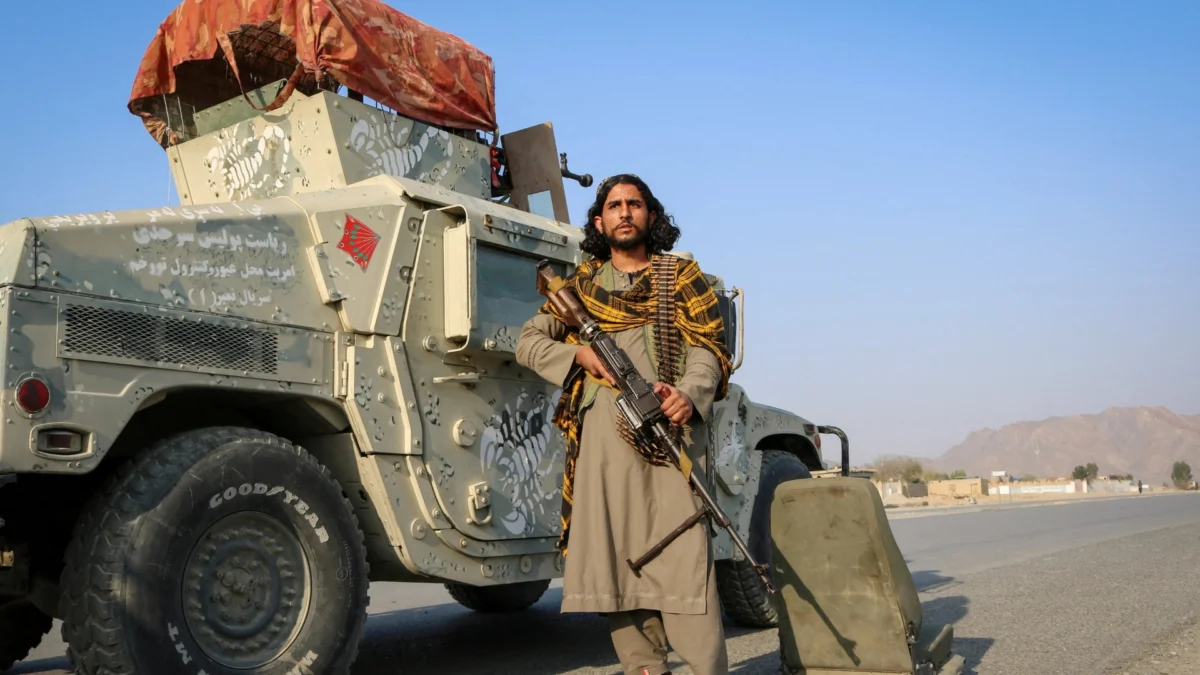
The diplomatic relationship between Pakistan and the Taliban-led administration in Afghanistan has reached a precarious tipping point as cross-border hostilities intensify despite recent high-level mediation efforts. On Monday, the Pakistani Ministry of Foreign Affairs took the formal step of summoning a senior Afghan diplomat in Islamabad to register a strong protest following a lethal attack claimed by the Tehrik-i-Taliban Pakistan (TTP). This diplomatic maneuver follows a series of violent incidents that have shattered the fragile peace brokered in March, casting doubt on the efficacy of regional diplomacy and the possibility of a long-term resolution to the security crisis. The TTP, an umbrella organization of various militant groups, has claimed responsibility for at least two additional attacks targeting Pakistani security installations in the days following the summons, signaling a significant escalation in their campaign against the state.
The current friction is rooted in a fundamental disagreement over the presence of militant sanctuaries. Islamabad has repeatedly accused the Afghan Taliban of providing safe haven to TTP fighters, who use Afghan soil as a launchpad for operations inside Pakistan. Conversely, Kabul has consistently denied these allegations, asserting that it does not allow its territory to be used against any neighbor and suggesting that Pakistan’s security failures are internal in nature. This cycle of accusation and denial has been punctuated by military kinetic actions, including a controversial Pakistani strike on a drug rehabilitation center in Afghanistan that reportedly resulted in the deaths of more than 250 people, an event that has further inflamed public and political sentiment in Kabul.
A Chronology of Deteriorating Relations
The trajectory of Pakistan-Afghanistan relations has been marked by a sharp decline since the Taliban’s return to power in August 2021. While Islamabad initially hoped that a friendly government in Kabul would help secure its western border and neutralize the TTP, the reality has been the opposite.
In February 2024, the situation escalated from rhetorical sparring to direct military confrontation. A major border skirmish broke out at several key crossing points, involving heavy artillery and small arms fire. The clashes led to the temporary closure of the Torkham border, a vital artery for trade and transit between the two nations. The violence prompted immediate concern from regional powers who feared a full-scale conventional conflict between the two neighbors.
Recognizing the potential for regional destabilization, a quartet of mediators—Saudi Arabia, Qatar, Turkiye, and China—intervened in March 2024. These nations, all of whom maintain significant economic or religious ties to both parties, facilitated a series of "pause in fighting" agreements. The mediation aimed to create a cooling-off period during which technical committees could address border management and security concerns. However, this pause proved to be superficial. By April and May, the frequency of TTP-led incursions into Pakistan’s Khyber Pakhtunkhwa province began to rise again, leading to the current state of heightened alert and renewed diplomatic friction.
The TTP Factor and Security Data
The Tehrik-i-Taliban Pakistan remains the central point of contention. According to data compiled by security think tanks and regional monitors, Pakistan has witnessed a nearly 70% increase in militant attacks since the Afghan Taliban took control of Kabul. In 2023 alone, Pakistan recorded over 600 terror-related incidents, many of which were traced back to groups operating from across the Durand Line.
The TTP’s tactical shift has been notable. Previously focused on tribal areas, the group has expanded its reach into urban centers and specifically targeted high-profile security targets. The use of advanced weaponry, allegedly left behind by departing NATO forces in Afghanistan, has increased the lethality of these strikes. Islamabad views the TTP not merely as a domestic insurgent group but as a proxy that enjoys the ideological and logistical support of elements within the Afghan Taliban hierarchy.
The economic cost of this insecurity is also mounting. The frequent closure of border crossings like Torkham and Chaman results in millions of dollars in losses for traders on both sides. For Pakistan, which is currently grappling with a severe balance-of-payments crisis and high inflation, the added burden of increased military spending and disrupted trade is a significant strategic challenge.
The Strike on the Drug Rehabilitation Center
One of the most flashpoint-inducing events in the recent timeline was the Pakistani aerial strike on what was identified as a drug rehabilitation center in Afghanistan. The strike, which Pakistani officials claimed targeted a high-value militant meeting point, resulted in a massive loss of life, with Afghan sources reporting over 250 fatalities.
This incident served to galvanize the Afghan Taliban’s stance against Islamabad. Kabul characterized the strike as a blatant violation of its sovereignty and a "crime against humanity," arguing that the facility was housing vulnerable civilians recovering from addiction. The strike has become a centerpiece of the Afghan Taliban’s narrative that Pakistan is an aggressor that disregards international law. For Pakistan, the strike was presented as a necessary act of pre-emptive self-defense, though the high civilian toll has made it difficult for Islamabad to garner international support for such measures.
Official Responses and Diplomatic Stalemate
The official rhetoric from both capitals remains uncompromising. Following the summons of the Afghan diplomat, the Pakistani Ministry of Foreign Affairs issued a statement emphasizing that "the persistent use of Afghan soil by the TTP is a threat to Pakistan’s national security and regional peace." Islamabad has demanded that the Taliban administration take "verifiable and irreversible" action against militant hideouts.
In Kabul, the response has been one of defiance. Zabihullah Mujahid, the central spokesperson for the Taliban, stated that Pakistan should look for the causes of its insecurity within its own borders rather than blaming others. The Taliban leadership maintains that the TTP is a "Pakistan-specific problem" and that Kabul’s role is limited to ensuring that its territory is not used for international terrorism—a definition they argue does not necessarily include the internal cross-border issues claimed by Pakistan.
International observers, including Michael Kugelman of the Atlantic Council, suggest that the disconnect between the two sides is fundamental. While Pakistan views the Afghan Taliban as a client that has turned rogue, the Taliban view themselves as a sovereign entity that no longer needs to take directives from Islamabad. This shift in the power dynamic has left traditional diplomatic channels strained and ineffective.
Analysis of Regional Implications
The breakdown of the March mediation efforts carries heavy implications for the broader region. The involvement of China is particularly significant. As a major investor in Pakistan through the China-Pakistan Economic Corridor (CPEC) and a country looking to tap into Afghanistan’s mineral wealth, Beijing views stability as a prerequisite for its strategic goals. The continued volatility threatens the security of Chinese personnel in Pakistan, who have also been targeted by militant groups in the past.
Furthermore, the tension complicates the humanitarian situation. Pakistan remains home to millions of Afghan refugees, and the government has recently initiated a mass deportation drive of undocumented Afghans, citing security concerns. This policy has been criticized by human rights organizations and has added another layer of animosity to the bilateral relationship.
The possibility of a resumption of full-scale hostilities remains high if a new diplomatic framework is not established. If the TTP continues its spring offensive with perceived impunity, the Pakistani military may feel compelled to conduct further cross-border strikes, which could lead to a conventional military response from the Afghan Taliban. Such a scenario would create a vacuum of power that groups like ISIS-K (Islamic State Khorasan) could exploit, further destabilizing an already volatile region.
Prospects for Lasting Peace
Is lasting peace possible between these two neighbors? Experts like Masood Khan and Obaidullah Baheer argue that peace requires a paradigm shift. For Pakistan, it may involve reconsidering its long-term Afghan policy and finding ways to engage the Taliban that do not rely solely on security demands. For the Afghan Taliban, it requires transitioning from a revolutionary movement to a responsible state actor that recognizes the security concerns of its neighbors as legitimate.
However, the current climate of mistrust suggests that any future peace will be transactional and fragile. The role of the mediators—Saudi Arabia, Qatar, and China—will be crucial in the coming months. They must move beyond temporary pauses in fighting and address the core issues of border demarcation (the Durand Line dispute) and the status of militant groups. Without a comprehensive regional security agreement, the cycle of attacks and retaliations is likely to continue, leaving the people on both sides of the border to bear the brunt of the conflict.
As the TTP ramps up its operations and diplomatic channels remain clogged with grievances, the "Inside Story" of Pakistan-Afghanistan relations is one of a deteriorating brotherhood, where shared history and religion are being overshadowed by the harsh realities of modern geopolitics and asymmetric warfare. The international community watches closely, aware that the stability of South Asia hinges on whether these two neighbors can find a way to coexist without resorting to the language of violence.
