

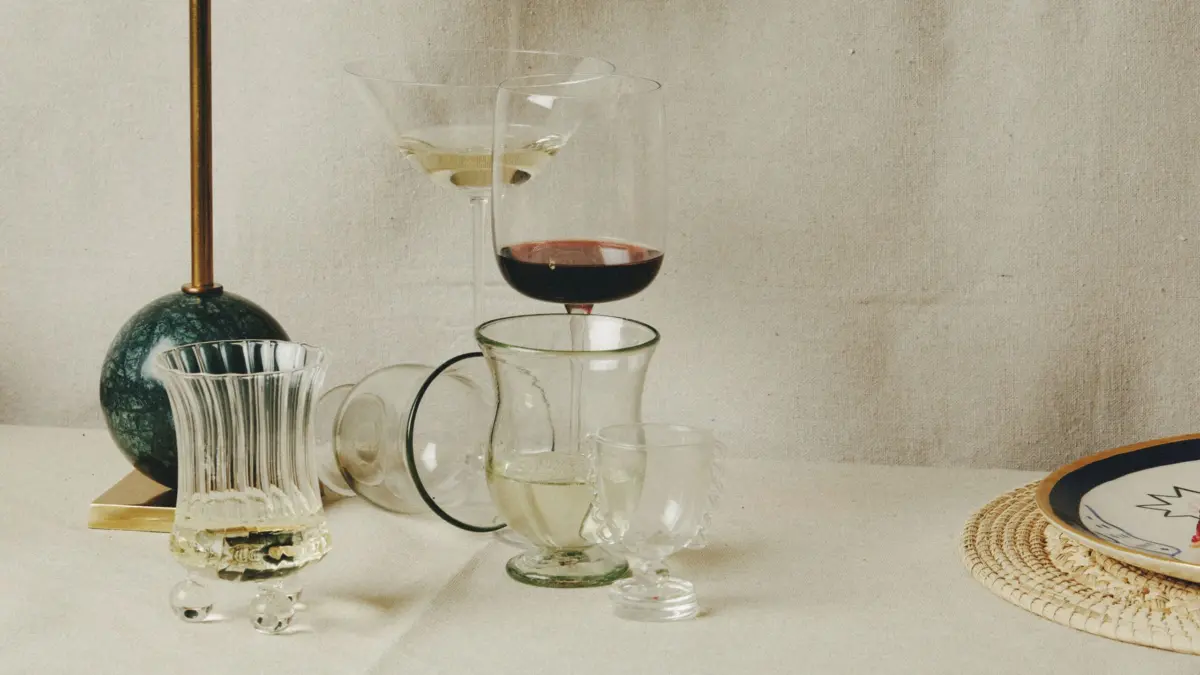
The modern domestic landscape is undergoing a significant shift as consumers increasingly prioritize the "elevated everyday," a philosophy where utilitarian objects are replaced by pieces that provide both aesthetic pleasure and functional excellence. This trend is perhaps most visible in the evolution of home glassware, where the distinction between "everyday use" and "special occasion" is rapidly dissolving. Industry analysts suggest that the psychological impact of using high-quality vessels for simple tasks, such as drinking water or a weeknight glass of wine, contributes to a heightened sense of well-being and domestic satisfaction. Choosing the right glassware has become a deeply personal endeavor, influenced by factors ranging from the weight and "heft" of a tumbler to the precision of a laser-cut rim. As the market for premium home goods continues to expand, a new generation of designers is offering products that blend artisanal craftsmanship with modern durability.
The Market Evolution of Premium Glassware
The global glassware market has seen a steady upward trajectory, with a projected compound annual growth rate (CAGR) of approximately 4.5% through 2030. This growth is driven largely by the "premiumization" of home dining. Following the global pandemic, which forced a re-evaluation of the home environment, consumers have shown a marked preference for investment pieces over disposable or low-quality alternatives.

Data from retail sector reports indicate that "tabletop" categories—including dinnerware and glassware—have become key indicators of personal style, much like fashion or interior furniture. This shift is supported by the rise of social media platforms where "tablescaping" has become a popular form of digital expression. Consequently, designers are now focusing on specific tactile experiences: the thinness of a wine glass rim, the thermal properties of borosilicate glass, and the ergonomic "sit" of a glass in the palm.
Engineering the Perfect Sip: The Technical Side of Design
The functionality of glassware is rooted in material science. Traditional soda-lime glass is being supplemented or replaced in high-end collections by crystalline and borosilicate options. Crystalline glass, often used by brands like LSA International, provides the clarity and resonance of lead crystal without the environmental and health concerns associated with lead content. It is often reinforced to be dishwasher-safe, addressing the modern consumer’s need for convenience without sacrificing elegance.
Borosilicate glass, famously utilized by designers like Sophie Lou Jacobsen, offers extreme thermal resistance. Originally used in laboratory settings, its adoption in the kitchen allows for glasses that can transition from icy water to hot tea without the risk of thermal shock. This material is also lighter than traditional glass, allowing for the creation of whimsical, thin-walled shapes that remain surprisingly durable.

A Survey of Leading Glassware Innovations
The Versatility of Crystalline: LSA International
The LSA International Borough Wine Glass represents a bridge between professional sommelier requirements and household practicality. With generously sized bowls, these glasses are engineered to facilitate the aeration of wine, allowing volatile compounds to escape and enhancing the bouquet. The use of crystalline glass ensures a high refractive index, making the liquid inside appear more vibrant. Crucially, the Borough collection is marketed as dishwasher-safe, a response to data showing that 70% of modern luxury consumers prioritize ease of maintenance alongside design.
The Return of Color: Estelle Colored Glass
Founded by Stephanie Hall and named after her grandmother, Estelle Colored Glass has spearheaded a resurgence in vintage-inspired colored stemware. The brand’s Champagne coupes, available in a "Technicolor" mixed set, tap into the "dopamine decor" trend—using bright, varied colors to elicit positive emotional responses. Beyond aesthetics, colored glassware serves a functional purpose in social settings, acting as a built-in drink marker for guests. This artisanal approach, where each piece is handblown by glass artisans in Poland, highlights a move away from mass-produced uniformity.
The Artisan and the Imperfect: il Buco Vita
In contrast to the precision of machine-made glass, the La Riccia Simple Glass from il Buco Vita celebrates the "perfectly imperfect." These glasses are handblown from recycled materials without the use of molds. This process ensures that each piece possesses a unique character, with subtle variations in thickness and color undertones that shift between gray, blue, and green. This artisanal movement aligns with broader consumer trends favoring sustainability and the "slow design" movement, where the history and origin of an object are as important as its function.

Oenophilic Precision: Glasvin
For the dedicated wine enthusiast, the Glasvin Obsession Glass offers a featherlight alternative to traditional heavy stemware. The tulip-shaped bowl is a deliberate design choice intended to concentrate aromas toward the nose while providing ample surface area for aeration. Despite their delicate, handblown appearance, these glasses are engineered for the rigors of frequent use. Industry feedback from sommeliers suggests that the "barely-there" feel of such glasses removes the physical barrier between the taster and the wine, leading to a more immersive sensory experience.
Pattern and Texture: Rebecca Udall and Sophie Lou Jacobsen
Texture plays a vital role in the tactile enjoyment of a beverage. The Elisa Tumblers by Rebecca Udall utilize subtle, translucent patterns like dots and stripes to catch the light without overwhelming a table setting. Similarly, Sophie Lou Jacobsen’s Verre glasses take inspiration from the organic forms of wildflowers. Her use of fanned, flared rims provides a romantic silhouette while maintaining the stackability and durability required for daily water glasses. Jacobsen’s work often explores the "poetry of the everyday," turning a routine hydration break into a moment of artistic appreciation.
Ergonomics and the Social Component of Glassware
The design of a glass significantly influences the social dynamics of dining. A heavy, weighted tumbler conveys a sense of permanence and formality, often preferred for spirits or "short" drinks. Conversely, a tall, slender stem encourages a more delicate grip, often associated with celebratory toasts.

The Noon & Moon Spiral Stem Martini Glass is a prime example of how sculptural elements can redefine a classic silhouette. The spiral stem is not merely decorative; it provides a unique grip and changes the center of gravity of the glass, making it a conversation piece. Designers are increasingly aware that in an era of digital connectivity, "Instagrammable" moments are often centered around the dinner table, and unique glassware provides the necessary visual interest to capture those moments.
Expert Reactions and Industry Implications
Interior designers and hospitality experts agree that glassware is one of the most cost-effective ways to "refresh" a home’s aesthetic. "You don’t need to renovate your kitchen to change the way you feel in it," says one New York-based interior stylist. "Changing your glassware is a low-stakes investment that pays dividends in your daily routine."
From a sommelier’s perspective, the right glass is an essential tool. The consensus among professionals is that while a poor glass won’t ruin a great wine, a great glass can certainly elevate a mediocre one by optimizing the delivery of the liquid to the palate. The trend toward thinner rims is particularly praised, as it minimizes the interference of the vessel with the tasting process.

Sustainability and the Future of the Industry
As the glassware industry moves forward, sustainability is becoming a non-negotiable factor for many consumers. The use of recycled glass, as seen in the il Buco Vita collections, reduces energy consumption during the manufacturing process and prevents waste from entering landfills. Furthermore, the longevity of high-quality glass—pieces that are designed to be used for decades rather than discarded—is a core tenet of the "buy less, buy better" movement.
Looking ahead, we can expect to see further integration of smart materials and even more daring geometric shapes. However, the fundamental appeal of glassware remains unchanged: it is a vessel for life’s most basic necessity—water—and its most celebrated pleasures. By choosing pieces that reflect personal style and provide tactile joy, homeowners are reclaiming the "ordinary pour" and transforming it into a repeatable, daily occasion.
Conclusion: The Lasting Impact of Fine Glassware
The transition of designer glassware from the china cabinet to the kitchen counter marks a broader cultural shift toward mindfulness in the home. Whether it is the artisanal charm of handblown recycled glass or the scientific precision of aerating wine stems, these objects serve as reminders to slow down and appreciate the sensory details of life. As the lines between utility and art continue to blur, the glasses we reach for several times a day are becoming more than just tools; they are essential components of a well-lived life. Clearing cabinet space for these pieces is not just an act of organization, but an investment in the quality of one’s daily environment.
