

The launch, announced on October 2, 2026, reflects a broader industry trend where the "S" in ESG—Social—is taking center stage. For years, environmental metrics dominated the conversation, but the focus has now expanded to include the human element of production. Diginex’s new platform is specifically engineered to address these concerns, offering a mechanism for companies to not only identify risks such as forced labor and unsafe working conditions but to actively manage and mitigate them through a documented, traceable process.
The Regulatory Imperative: Driving the Demand for Transparency
The timing of Diginex’s platform launch is no coincidence. It occurs against the backdrop of a seismic shift in global trade law, particularly within the European Union. The European Union Corporate Sustainability Due Diligence Directive (CSDDD) has moved from a theoretical framework to an enforceable reality, mandating that large companies operating within the EU market conduct thorough due diligence on their own operations and those of their subsidiaries and business partners.
The CSDDD requires firms to identify, prevent, mitigate, and account for negative human rights and environmental impacts. Non-compliance is no longer just a matter of reputational risk; it now carries the threat of significant financial penalties and civil liability. Furthermore, the EU Forced Labour Regulation has introduced a ban on products made with forced labor from entering the EU market, placing the burden of proof squarely on the shoulders of the importers and manufacturers.
Beyond Europe, the United States has continued to tighten its enforcement of the Uyghur Forced Labor Prevention Act (UFLPA), which assumes that all goods manufactured in certain regions are made with forced labor unless proven otherwise. These converging regulations have created a "compliance crunch," where traditional methods of supply chain oversight—such as sporadic third-party audits and self-reported spreadsheets—are no longer sufficient to satisfy regulators or border customs authorities.
Technical Capabilities: Moving Beyond Tier 1 Visibility
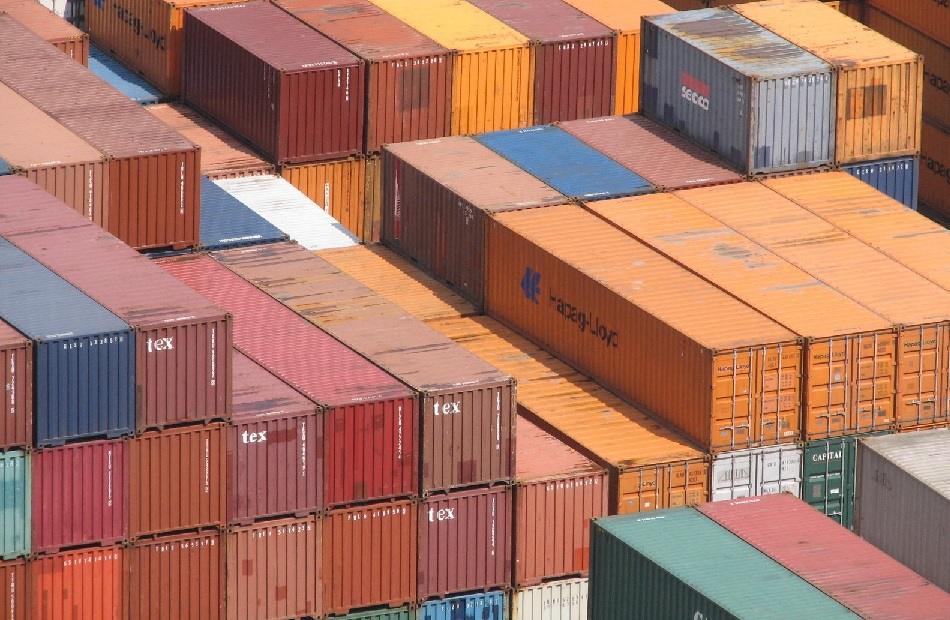
One of the primary challenges in supply chain management is the "visibility gap." While most multinational corporations have a relatively clear understanding of their Tier 1 suppliers (those they contract with directly), visibility drops off significantly at Tier 2 and Tier 3 levels. These deeper tiers are often where the most egregious human rights violations and environmental damages occur, hidden behind layers of sub-contracting and opaque sourcing.
The Diginex platform addresses this by enabling multi-tier mapping. This feature allows companies to trace the lineage of their products back to the raw material level. By visualizing these connections, businesses can identify geographic "hotspots" where systemic risks are more prevalent.
Key features of the platform include:
- Integrated Risk Identification: The platform utilizes a "triangulation" method for data validation. It compares data reported by the company with reports provided directly by workers and verified third-party data. This three-pronged approach significantly reduces the likelihood of "social washing" or the falsification of audit results.
- Worker-Voice Technology: A standout feature of the Diginex solution is its ability to capture worker-reported data. By providing a safe and often anonymous channel for employees within the supply chain to report on their conditions, the platform offers a real-time pulse of the workforce that traditional annual audits cannot match.
- Corrective Action Plan (CAP) Management: Identifying a problem is only the first step. The platform provides a workflow for managing corrective actions. When a risk is identified—such as excessive overtime or inadequate safety equipment—the platform tracks the supplier’s progress in resolving the issue, ensuring that "actionable data" leads to "measurable outcomes."
- Immutable Record Keeping: To satisfy the stringent requirements of the CSDDD and other regulations, the platform maintains a traceable record of every action taken. This digital audit trail is essential for demonstrating "good faith" efforts to regulators and stakeholders.
Market Context and Economic Supporting Data
The launch of this platform coincides with an explosive growth period for the supply chain sustainability software market. Industry analysts estimate that the global ESG software market is projected to grow at a Compound Annual Growth Rate (CAGR) of over 15% through 2030, with the supply chain segment being the fastest-growing sub-sector.
Recent data suggests that supply chain disruptions linked to social and environmental non-compliance cost the global economy billions of dollars annually. A 2025 study on global trade risks indicated that companies with low supply chain visibility were 50% more likely to experience significant disruptions due to regulatory interventions compared to those with high visibility. Furthermore, institutional investors are increasingly incorporating "supply chain resilience" into their valuation models. According to recent surveys of asset managers, nearly 80% now consider a company’s ability to map its deep-tier supply chain as a "material factor" in their investment decisions.

The cost of inaction is also rising. Under the new EU frameworks, fines for non-compliance can reach up to 5% of a company’s net global turnover. For a multi-billion dollar corporation, this represents a financial risk that necessitates specialized software solutions like the one provided by Diginex.
Leadership Perspectives and Industry Reaction
Archana Kotecha, the Interim Chief Executive Officer of Diginex, emphasized that the platform is designed to move the needle from passive observation to active management. "Regulation increasingly requires businesses to build a more complete picture of risk across their supply chains," Kotecha stated. "That requires more than visibility; it requires actionable data that helps companies understand where risks sit, determine where to act, and measure the outcomes. Our solution is designed to connect those dots, helping businesses move from risk identification to action and measurable outcomes."
Industry reactions to the launch have been largely positive, with trade organizations noting that such tools are essential for the survival of Small and Medium Enterprises (SMEs) that act as suppliers to larger firms. These SMEs often lack the resources to build their own compliance infrastructure and rely on platforms like Diginex to maintain their "license to operate" within global value chains.
Human rights advocates have also weighed in, cautiously optimistic that the shift toward "worker-reported data" will empower those at the bottom of the supply chain. However, they note that the effectiveness of these tools depends on the willingness of corporations to actually terminate contracts with non-compliant suppliers or invest in helping them improve.
Timeline of Development and Future Roadmaps
The October 2026 launch is the culmination of several years of development and pilot testing. Diginex has previously focused on niche blockchain-based solutions for tracking specific commodities; however, this new platform represents a move toward a more holistic, SaaS-based (Software as a Service) model that can be applied across various industries, from textiles and electronics to agriculture and pharmaceuticals.
Looking ahead, Diginex has signaled that it plans to integrate more advanced Artificial Intelligence (AI) and Machine Learning (ML) capabilities into the platform. These updates, expected in late 2027, will likely include predictive analytics to forecast potential labor unrest or environmental hazards based on historical data and geopolitical trends. The company has stated that future iterations will be heavily influenced by ongoing customer research and the evolving requirements of international law.
Broader Implications for Global Trade
The introduction of the Diginex platform is a symptom of a larger transformation in global commerce. We are entering an era of "Radical Transparency." For decades, the complexity of global supply chains served as a shield, allowing companies to plead ignorance regarding the conditions under which their products were made. That shield is being dismantled by technology and legislation.
The implications are profound. As more companies adopt these platforms, the "floor" for acceptable business practices will rise. Suppliers who refuse to provide data or fail to improve their conditions will find themselves increasingly marginalized, unable to access the lucrative markets of the West. Conversely, those who embrace transparency may find themselves with a competitive advantage, enjoying lower insurance premiums, better financing terms, and stronger brand loyalty.
Ultimately, the Diginex Supply Chain Due Diligence Platform is more than just a compliance tool; it is a vital component of a new digital infrastructure for ethical trade. By bridging the gap between corporate headquarters and the factory floor, it provides the data-driven foundation necessary for a more sustainable and equitable global economy. As October 2026 marks the beginning of this platform’s journey, the real measure of its success will be seen in the coming years through the tangible improvements in the lives of workers and the integrity of the products we consume every day.
