

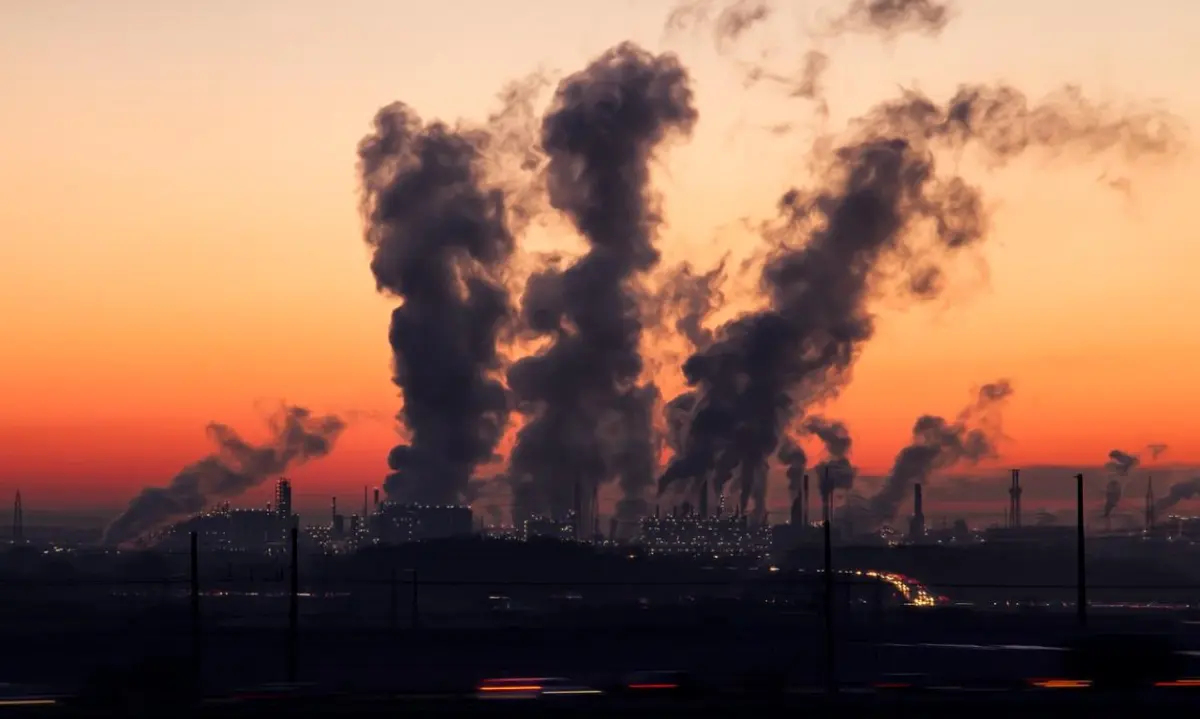
A coalition of 21 state Attorneys General, led by New York Attorney General Letitia James, has officially launched a comprehensive legal challenge aimed at overturning the Trump administration’s recent repeal of stringent environmental regulations. These regulations, originally established during the Biden administration, were designed to significantly curtail greenhouse gas (GHG) emissions from the nation’s fossil fuel-based power plants. The coalition argues that the repeal constitutes a dangerous retreat from federal climate responsibilities and will lead to an unprecedented increase in atmospheric pollutants, exacerbating the global climate crisis and endangering public health.
The legal action follows a series of aggressive moves by the U.S. Environmental Protection Agency (EPA) under the leadership of Administrator Lee Zeldin. In September, the EPA finalized the repeal of several key rules that targeted carbon dioxide emissions from both new and existing coal and natural gas-fired power plants—facilities that represent one of the largest sources of carbon pollution in the United States. Furthermore, the EPA announced a proposal to rescind the 2015 Greenhouse Gas Findings for Fossil Fuel-Fired Power Plants. This move is viewed by legal experts as a strategic effort to dismantle the foundational legal justifications for regulating the sector, making it substantially more difficult for any future administration to reintroduce carbon limits under the Clean Air Act.
The Legal and Environmental Basis of the Challenge
The petition for review, filed in the U.S. Court of Appeals, asserts that the EPA’s decision to dismantle these climate protections was "arbitrary and capricious." Under the Administrative Procedure Act (APA), federal agencies are required to provide a reasoned explanation for changing long-standing policies and must consider the costs and benefits of their actions. The coalition of Attorneys General argues that the EPA failed to adequately account for the staggering health and environmental costs associated with increased greenhouse gas emissions, including the heightened risks of extreme heat, catastrophic flooding, and more frequent wildfires.
Attorney General Letitia James, in a statement accompanying the filing, characterized the administration’s actions as a "betrayal of American families." James emphasized that the repeal provides a "free pass" to the country’s largest polluters, effectively prioritizing industrial profits over the safety and well-being of the citizenry. "Dismantling these protections is a move that will set our country back decades in the fight against climate change," James stated. "The stakes are simply too high to allow this administration to ignore the science and the law."
The coalition includes a broad geographic and political range of participants, representing millions of Americans. Joining New York in the lawsuit are the Attorneys General of Arizona, California, Colorado, Connecticut, Delaware, Hawaii, Illinois, Maine, Maryland, Massachusetts, Michigan, Minnesota, New Jersey, New Mexico, North Carolina, Oregon, Rhode Island, Vermont, Washington, and Wisconsin, along with the District of Columbia. The challenge is further supported by the Governor of Pennsylvania, the Mayors of New York City and Chicago, and the City and County of Denver.
A Decade of Regulatory Volatility: The Path to the Repeal
The current legal battle is the latest chapter in a decade-long struggle over the federal government’s authority to regulate the power sector’s carbon footprint. The conflict began in earnest in 2015 when the Obama administration introduced the Clean Power Plan (CPP). The CPP was a landmark initiative that sought to shift the nation’s energy mix away from coal and toward cleaner sources like natural gas and renewables. It utilized Section 111(d) of the Clean Air Act to set state-specific goals for carbon reduction.
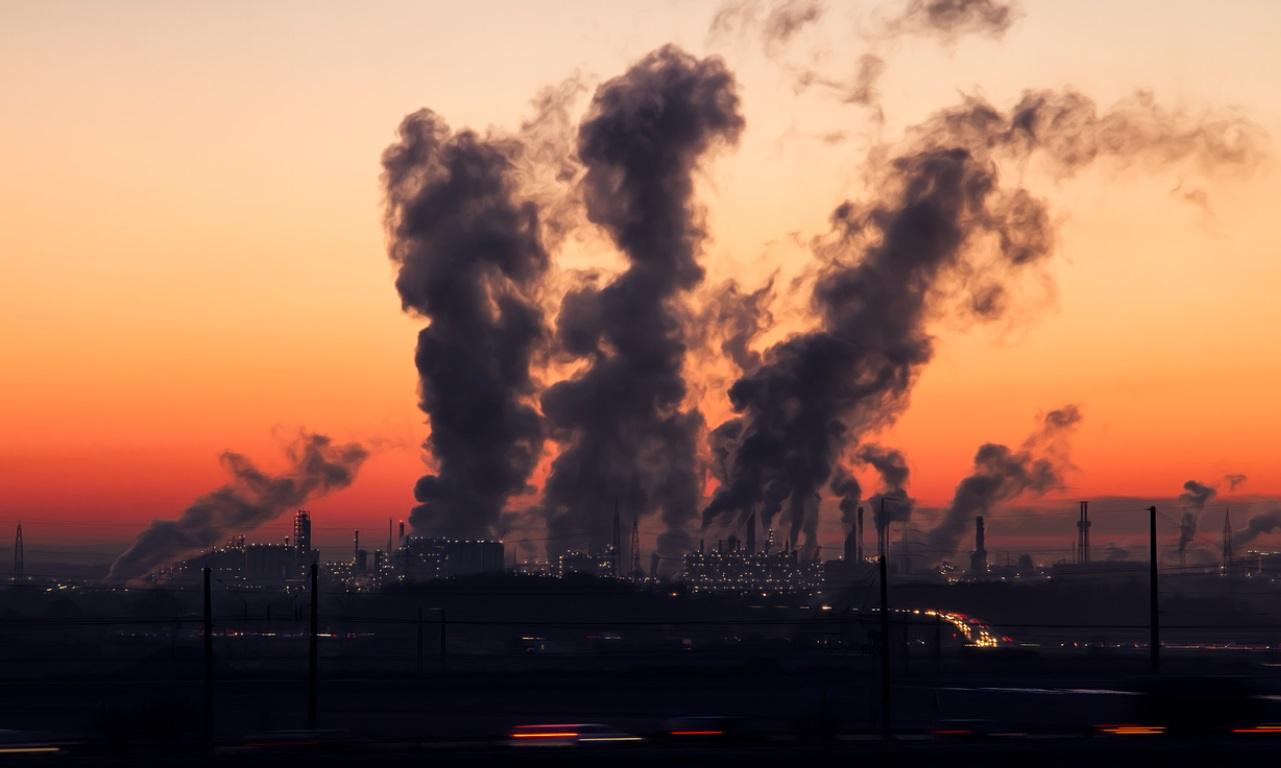
However, the CPP faced immediate legal challenges from Republican-led states and coal industry advocates. The Supreme Court eventually stayed the rule in 2016, and it was later replaced during the first Trump administration with the Affordable Clean Energy (ACE) rule. The ACE rule significantly narrowed the EPA’s authority, focusing only on "inside the fence-line" efficiency improvements at individual plants rather than systemic shifts in energy production.
Following the transition to the Biden administration, the EPA sought to re-establish robust standards. However, their efforts were complicated by the 2022 Supreme Court decision in West Virginia v. EPA. In that ruling, the Court invoked the "Major Questions Doctrine," asserting that the EPA did not have the authority to force a nationwide shift in energy generation without explicit Congressional authorization.
In response to this judicial constraint, the Biden-era EPA introduced a new set of standards in 2024. These rules were carefully crafted to comply with the Supreme Court’s ruling by focusing on highly effective technical controls at the plant level. Most notably, the 2024 rules mandated that heavy-use coal and gas plants adopt carbon capture and storage (CCS) technologies or transition to cleaner fuels. It is these 2024 standards that the current Trump administration has moved to repeal, arguing that the requirements were economically unfeasible and exceeded the agency’s statutory limits.
The Role of Lee Zeldin and the New EPA Mandate
The repeal was spearheaded by EPA Administrator Lee Zeldin, who has consistently argued that the previous administration’s climate agenda overreached and threatened the reliability of the American power grid. Zeldin’s philosophy represents a fundamental shift in the interpretation of the Clean Air Act. He has argued that greenhouse gas emissions from power plants "do not contribute significantly to dangerous air pollution" within the specific legal scope of the regulations used to justify the 2024 rules.
Industry groups have largely lauded the repeal, suggesting that the Biden-era mandates for CCS technology were a "de facto" ban on fossil fuel power because the technology has not yet reached the scale or cost-effectiveness required for universal implementation. Critics of the 2024 rules argued that the requirements would lead to premature plant retirements, increasing the risk of blackouts and raising electricity costs for consumers.
Conversely, the state coalition argues that by rescinding the 2015 Greenhouse Gas Findings, the EPA is attempting to "neuter" itself. By questioning the very premise that power plant GHGs are a threat to public welfare, the administration is attempting to create a legal vacuum that would prevent future regulators from taking any meaningful action against the sector.
Data and Implications: The Cost of Deregulation
The environmental and economic implications of the repeal are vast. According to data from the U.S. Energy Information Administration (EIA), the electric power sector was responsible for approximately 31% of total U.S. energy-related carbon dioxide emissions in recent years. While the transition to natural gas and renewables has led to a gradual decline in emissions since 2005, the 2024 rules were projected to accelerate this trend significantly.

The Biden administration had estimated that the 2024 standards would have prevented up to 1.38 billion metric tons of carbon dioxide emissions through 2047. The health benefits were also projected to be substantial, with the EPA previously estimating that the rules would prevent thousands of premature deaths and tens of thousands of asthma attacks by reducing concurrent pollutants like sulfur dioxide and nitrogen oxides.
The 21-state coalition contends that the repeal ignores these benefits. In their filing, the Attorneys General argue that the EPA failed to perform a legitimate cost-benefit analysis. By ignoring the "Social Cost of Carbon"—a metric used to estimate the economic damages caused by each additional ton of CO2—the coalition claims the EPA is undercounting the true price of the repeal. These damages include lost agricultural productivity, increased healthcare spending due to heat-related illnesses, and the astronomical costs of disaster recovery from climate-linked storms.
Chronology of Federal Power Plant Regulation
- August 2015: The Obama administration finalizes the Clean Power Plan, the first-ever federal limit on carbon pollution from existing power plants.
- February 2016: The U.S. Supreme Court issues an unprecedented stay on the Clean Power Plan while litigation continues.
- June 2019: The Trump administration replaces the Clean Power Plan with the Affordable Clean Energy (ACE) rule, significantly weakening emission standards.
- January 2021: The D.C. Circuit Court of Appeals vacates the ACE rule, stating it was based on a "mistaken reading" of the Clean Air Act.
- June 2022: The Supreme Court rules in West Virginia v. EPA, limiting the EPA’s ability to regulate emissions by shifting the energy mix of the entire grid.
- April 2024: The Biden administration EPA finalizes new, more stringent standards for coal and natural gas plants, focusing on Carbon Capture and Storage (CCS).
- September 2025/2026: Under the second Trump administration, EPA Administrator Lee Zeldin repeals the 2024 standards and moves to rescind the 2015 GHG Findings.
- Present: A coalition of 21 states and several major cities file a petition for review to strike down the repeal and a notice of intent to sue for failure to regulate existing gas plants.
Broader Impact and Future Outlook
The outcome of this lawsuit will have profound consequences for the United States’ ability to meet its international climate commitments under the Paris Agreement. Without federal limits on power plant emissions, the U.S. is unlikely to achieve its goal of reducing net greenhouse gas emissions by 50-52% below 2005 levels by 2030.
Furthermore, the legal battle highlights a growing divide in the American energy landscape. While the federal government is moving toward deregulation, many of the states involved in the lawsuit—such as California and New York—have passed their own aggressive climate laws. This creates a patchwork of regulations that can be difficult for utility companies to navigate.
The coalition’s notice of intent to sue the EPA for failing to regulate pollution from existing gas-fired power plants adds another layer to the litigation. Even under the Biden administration, existing gas plants were largely exempt from the strictest portions of the 2024 rules. The Attorneys General are now signaling that they will no longer accept federal inaction on this specific subset of emitters, which continues to grow as coal plants are retired.
As the case moves through the federal courts, it is expected to eventually reach the Supreme Court. The conservative majority on the high court has shown a consistent skepticism toward "agency overreach," but the state coalition is betting that the EPA’s total abdication of its duty to regulate a known pollutant will be seen as a violation of the Clean Air Act’s core mandate. For now, the future of American energy policy remains caught in a cycle of litigation, with the climate hanging in the balance.
