

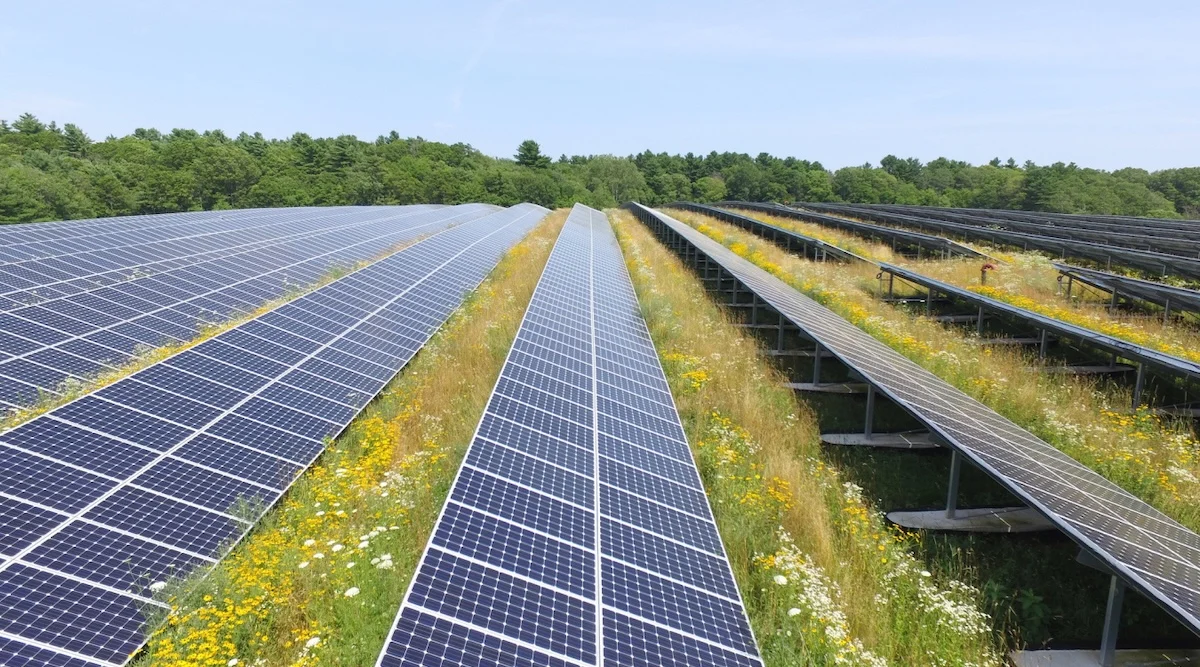
A comprehensive study conducted by researchers from the University of Oxford and University College London (UCL) has revealed a significant and previously underestimated conflict between fossil fuel infrastructure and renewable energy performance. According to the research, published in the journal Nature Sustainability, emissions from coal-fired power plants are actively degrading the efficiency of solar photovoltaic (PV) systems worldwide. By obstructing sunlight through the release of aerosols and contributing to the accumulation of particulate matter on solar panels, coal combustion is creating a physical barrier to the very energy transition intended to replace it.
The findings come at a critical juncture for global energy policy. While international climate agreements emphasize a rapid shift toward renewables, the study highlights how the continued operation of aging coal fleets—particularly in regions where coal and solar infrastructure are co-located—results in a measurable loss of clean energy output. The researchers found that in 2023 alone, atmospheric aerosols reduced global solar electricity generation by approximately 5.8%, a figure that represents a substantial economic and environmental setback.
The Mechanics of Solar Interference: Aerosols and Dust
The interference caused by coal power plants manifests in two primary ways: atmospheric attenuation and surface soiling. Atmospheric aerosols—tiny liquid or solid particles suspended in the air—act as a filter between the sun and the earth. These particles, which include sulfur dioxide, nitrogen oxides, and soot emitted during coal combustion, scatter and absorb incoming solar radiation. This reduces the "direct beam" of sunlight that reaches solar panels, thereby lowering their electricity conversion efficiency.
Beyond the air itself, the physical accumulation of coal dust and fly ash on the surface of PV modules presents a secondary challenge. Even thin layers of dust can significantly diminish a panel’s ability to capture light. While natural precipitation can wash away some of the debris, in arid or heavily industrial regions, manual or mechanical cleaning becomes necessary. However, as the study notes, cleaning is not a panacea.
Washing systems often require significant amounts of water, which places additional strain on local ecosystems, particularly in water-stressed areas. Furthermore, advanced solutions such as the waterless electrostatic induction systems proposed by researchers at the Massachusetts Institute of Technology (MIT) or robotic cleaning fleets require their own energy input. This "parasitic load" means that a portion of the solar energy generated must be diverted to maintain the system, reducing the net power delivered to the grid.
Quantifying the Global Energy Loss
To reach their conclusions, the Oxford and UCL team utilized satellite data to map more than 140,000 solar installations across the globe. By cross-referencing these locations with atmospheric data and coal plant proximity, they were able to calculate the cumulative impact of pollutants on energy generation.
The 5.8% global reduction in solar output identified in the study equates to approximately 111 terawatt-hours (TWh) of lost clean energy in a single year. To put this figure in perspective, the researchers noted that 111 TWh is equivalent to the total annual energy production of 18 medium-sized coal-fired power plants. Essentially, the pollution from fossil fuels is "canceling out" the output of a significant portion of the world’s solar capacity.
The impact is most pronounced in China, where the rapid expansion of solar power has often occurred in the same industrial corridors as the nation’s massive coal fleet. The study estimates that China’s total solar output loss from all aerosols reached 7.7% in 2023, with coal-fired emissions accounting for roughly 29% of that degradation. Because China is the world’s largest producer of solar energy, these percentage losses translate into massive amounts of wasted potential.
In contrast, the United States saw a lower rate of interference, with aerosol-induced losses estimated at 3.1%. This disparity is largely attributed to the geographical separation of coal and solar facilities in the U.S., as well as stricter historical emissions controls. However, the researchers warn that as coal plants age and maintenance of emissions-scrubbing technology fluctuates with changing political landscapes, these losses could increase.
The U.S. Policy Context and the "Coal-to-X" Roadmap
The study’s release coincides with a period of significant transition and debate regarding federal energy policy in the United States. In early 2025, the U.S. Department of Energy (DOE), through the Pacific Northwest National Laboratory (PNNL), released a series of "Coal-to-X" roadmaps. These documents were designed to provide a blueprint for repurposing retired coal plant sites into clean energy hubs.
The "Coal-to-X" strategy focuses on leveraging existing infrastructure at coal sites—such as grid interconnection points, administrative buildings, and cooling water access—to host new technologies. Potential replacements include utility-scale solar arrays, wind farms, battery energy storage systems, and even small modular nuclear reactors. By transitioning these sites, the DOE aimed to preserve local tax bases and jobs while eliminating the very pollutants that hinder renewable efficiency.
However, the implementation of these roadmaps has faced headwinds due to shifts in administrative priorities. The current administration has expressed a renewed commitment to revitalizing the coal industry, proposing measures to extend the life of aging plants and roll back emissions standards for mercury and sulfur dioxide. Critics of these policies argue that prioritizing coal not only ignores the public health costs associated with respiratory and cardiovascular diseases but also actively undermines the economic viability of the American solar industry.
Chronology of Coal and Solar Interaction Research
The understanding of how industrial activity affects solar performance has evolved over the last two decades:
- 2009-2014: Early studies began identifying "soiling" as a major maintenance cost for solar operators in desert regions and heavily polluted cities in India and China.
- 2015-2020: Research shifted toward the impact of aerosols. Atmospheric scientists noted that "global dimming"—a reduction in sunlight reaching the earth due to pollution—was masking the full extent of global warming while simultaneously hindering solar PV.
- 2022-2023: Technological advancements in satellite monitoring allowed for the first global, high-resolution mapping of solar arrays and their proximity to pollution sources.
- 2024-2025: The Oxford/UCL study provided the most definitive link to date between specific coal-fired emissions and the degradation of renewable energy assets, quantifying the loss in terawatt-hours.
Broader Economic and Environmental Implications
The implications of this research extend beyond the energy sector. The study highlights a "negative feedback loop" where the persistence of fossil fuels makes the transition to clean energy more expensive and less efficient. When solar panels underperform, grid operators may be forced to rely on backup fossil fuel generation to meet demand, further increasing emissions and exacerbating the aerosol problem.
From an economic perspective, a 3.1% to 5.8% loss in efficiency represents billions of dollars in lost revenue for solar developers and higher costs for consumers. In a market where profit margins for renewable energy projects are often thin, such losses can deter investment and slow the pace of decarbonization.
Furthermore, the environmental toll of maintaining coal plants remains high. Beyond the aerosol interference with solar, coal combustion remains a leading source of airborne mercury, sulfur dioxide, and nitrogen oxides. These pollutants contribute to acid rain, the eutrophication of water bodies, and significant healthcare expenditures. A 2026 report from the Sierra Club highlighted that coal-related pollution continues to be responsible for thousands of premature deaths annually in the U.S., even as the total number of plants declines.
Future Outlook and Technological Mitigation
As the global energy transition progresses, the physical interaction between coal aerosols and solar performance is expected to become an increasingly critical constraint. The researchers suggest that if coal plants are to remain operational, they must be equipped with the most stringent emissions-control technologies to minimize their impact on nearby renewable assets.
Technological innovation may provide some relief. New hydrophobic and anti-reflective coatings for solar panels are being developed to prevent dust from adhering to surfaces. Additionally, the move toward "bifacial" solar panels—which capture light on both sides—may help mitigate some of the losses from atmospheric dimming by utilizing reflected light more effectively.
Ultimately, however, the Oxford study concludes that the most effective way to boost solar efficiency is the total retirement of coal-fired generation. By replacing coal with "clean" alternatives as outlined in the PNNL roadmaps, the energy system can achieve a dual benefit: the elimination of harmful greenhouse gases and the immediate improvement of renewable energy yields.
The findings serve as a data-driven reminder for policymakers that energy systems do not operate in isolation. The choices made regarding the longevity of fossil fuel infrastructure have direct, quantifiable consequences for the performance and profitability of the clean energy future. As the world strives to meet ambitious climate targets, the "invisible" barrier of coal pollution may prove to be one of the most significant hurdles to overcome.
