

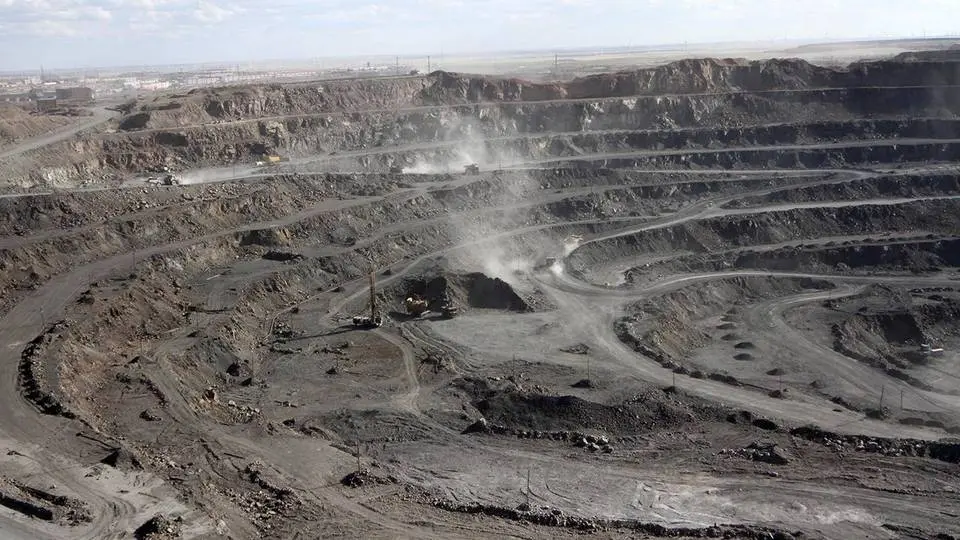
Economic security has ascended to the zenith of governmental priorities globally, with major economies, particularly the European Union and the United States, spearheading concrete initiatives to fortify their positions. These strategies encompass compelling economic partners to adjust their conduct and diligently exploring alternative supply chains. For smaller economies, however, the paramount strategy for mitigating vulnerability to coercion and undue influence remains diversification. This geopolitical and economic dance plays out starkly in the realm of rare-earth elements, critical components for a vast array of modern technologies, from smartphones and electric vehicles to advanced defense systems. While China currently dominates the global supply, the specter of an embargo, though perhaps unlikely to be fully enacted, looms large, prompting significant strategic adjustments from Western nations.
The Strategic Importance of Rare-Earth Elements
Rare-earth elements (REEs) are a group of 17 chemical elements with unique properties that make them indispensable for numerous high-tech applications. Despite their name, most REEs are not particularly rare in the Earth’s crust, but their extraction and processing are complex, environmentally challenging, and concentrated in very few locations globally. China has strategically developed its rare-earth industry over decades, leveraging lower production costs and less stringent environmental regulations to become the dominant player in both mining and processing. As of recent estimates, China controls approximately 60% of global rare-earth mining and a staggering 85% of global rare-earth processing capacity. This near-monopoly gives Beijing significant leverage in international trade and geopolitical affairs.
The implications of this dominance are profound. Any disruption to the supply of rare earths could cripple industries reliant on these materials, leading to significant economic repercussions and impacting national security. This has spurred a concerted effort by Western nations to reduce their dependence on Chinese supply.
China’s Calculated Leverage: The Specter of an Embargo
While China has the capacity to impose a rare-earth embargo, the economic and political ramifications of such a move would be substantial. A complete halt to exports would likely trigger retaliatory measures from affected nations, potentially leading to trade wars and a broader decoupling of global supply chains. Furthermore, it could accelerate the very diversification efforts that China seeks to prevent, ultimately diminishing its long-term dominance. Therefore, Beijing’s strategy appears to be one of calculated leverage, maintaining the threat of an embargo as a potent diplomatic tool. This "specter" allows China to influence international relations and economic policies without incurring the full costs of an actual export ban.
This approach was subtly demonstrated in 2010 when China temporarily restricted rare-earth exports to Japan following a maritime incident. The ensuing global outcry and price surge highlighted the world’s dependence and prompted a significant push for alternative sources and supply chain resilience. While the restrictions were eventually lifted, the message was clear: China could weaponize its rare-earth dominance.
Western Response: Diversification, Duplication, and Stockpiles
In response to this inherent vulnerability, Western nations, led by the United States and the European Union, are actively pursuing a multi-pronged strategy to enhance their supply chain security. This strategy can be broadly categorized into three key areas:
1. Capacity Duplication and Investment in New Mines
A primary focus is on developing new mining and processing facilities outside of China. This involves significant financial investment and a willingness to overcome environmental hurdles and lengthy permitting processes. Projects are underway in countries like Australia, Canada, and the United States, aiming to establish alternative sources of rare earths. For instance, projects like the Mount Weld mine in Australia, operated by Lynas Rare Earths, are crucial for providing non-Chinese supply. The US government, through initiatives like the Defense Production Act, has also provided funding and support for domestic rare-earth projects and processing capabilities.
The economic rationale behind this duplication is clear: even if these new ventures are more expensive to operate than their Chinese counterparts due to higher labor costs, stricter environmental regulations, and smaller economies of scale, the strategic imperative of securing supply outweighs the immediate cost differential. The goal is not necessarily to outcompete China on price but to create a viable alternative that mitigates the risk of supply disruption.
2. Stockpiling Critical Materials
Another critical component of the Western strategy is the establishment of strategic stockpiles of rare-earth elements. By holding reserves of these vital materials, nations can buffer against short-term supply shocks or temporary disruptions. This approach provides a critical safety net, allowing industries to continue operating while longer-term diversification strategies mature. The United States, for example, has been actively working to build its national stockpile of critical minerals, including rare earths.
The effectiveness of stockpiling, however, is dependent on the quantity of materials held and the duration for which they can sustain demand. It is a defensive measure, not a solution for long-term supply independence.
3. Diversification of Supply Chains
Beyond establishing new mines, efforts are also being made to diversify the geographical sources of rare earths and to develop more efficient recycling processes. This includes exploring opportunities in countries that are not currently major producers but possess significant rare-earth deposits. Furthermore, advancements in recycling technology are becoming increasingly important, as they offer a way to recover rare earths from existing electronic waste, reducing the need for new mining. The EU, for instance, has set ambitious targets for recycling critical raw materials, recognizing its potential to contribute to supply chain resilience.
However, achieving true self-sufficiency in this sector is a monumental task. The global rare-earth market is deeply entrenched, and the technical expertise and infrastructure required for large-scale, environmentally sound extraction and processing are not easily replicated.
The Role of Smaller Economies: Diversification as a Shield
For smaller economies, the path to mitigating vulnerability to coercion is fundamentally different. Lacking the scale to invest in massive capacity duplication or to build significant strategic stockpiles, their primary recourse is diversification. This involves actively seeking trade partners beyond the dominant players and fostering relationships with a wider array of countries for the supply of critical materials. By spreading their dependencies, smaller nations can reduce the impact of any single supplier’s leverage. This might involve engaging in regional trade blocs, forming bilateral agreements, and actively participating in international forums that promote fair trade practices.
Analysis of Implications: A Long and Winding Road
The current trajectory suggests a protracted period of strategic maneuvering between China and the West concerning rare-earth elements. China will likely continue to leverage its market dominance, while the West will persist in its efforts to de-risk its supply chains.
For China:
- Continued Leverage: The threat of an embargo will remain a potent diplomatic and economic tool.
- Economic Incentives: China may offer more favorable terms or increased supply to countries that align with its geopolitical interests.
- Potential for Retaliation: A full embargo could trigger significant economic backlash and accelerate Western diversification efforts, potentially undermining China’s long-term market share.
For the West:
- Increased Costs: Diversification and capacity duplication will likely lead to higher costs for rare-earth-dependent industries in the short to medium term.
- Technological Innovation: The drive for supply chain security may spur innovation in mining, processing, and recycling technologies.
- Geopolitical Alliances: Efforts to secure rare-earth supply will likely strengthen existing alliances and forge new partnerships among resource-rich nations and technology-dependent consumers.
- Environmental Considerations: The expansion of mining and processing activities raises significant environmental concerns that will need to be carefully managed.
Broader Global Impact:
- Shifting Trade Dynamics: The global trade landscape for critical minerals will likely become more complex and potentially fragmented.
- Increased Volatility: Fluctuations in rare-earth prices may become more pronounced as supply and demand dynamics shift and geopolitical tensions play out.
- Focus on Circular Economy: The urgency to reduce reliance on primary extraction may accelerate the development and adoption of circular economy principles, particularly in electronics.
The situation surrounding rare-earth elements is a microcosm of the broader trend towards economic security and strategic resilience. It underscores the intricate interplay between global trade, national security, and technological advancement. While the immediate future may see a continuation of the current dynamic – China maintaining its leverage and the West steadily building alternatives – the long-term outcome will depend on the success of these diversification efforts, the pace of technological innovation, and the evolving geopolitical landscape. The pursuit of supply chain security is not merely an economic imperative; it is increasingly a cornerstone of national sovereignty in the 21st century.
