


The landscape of Canadian environmentalism is undergoing a seismic shift as a new generation of leaders moves beyond traditional activism toward systemic, multi-disciplinary solutions. As Canada grapples with the dual challenges of meeting its 2030 emissions reduction targets and achieving net-zero by 2050, the annual Corporate Knights Top 30 Under 30 Sustainability Leaders list highlights the individuals spearheading this transition. This year’s cohort represents a diverse cross-section of innovators, financiers, Indigenous advocates, and community organizers who are bridging the gap between high-level policy and on-the-ground impact.

From the burgeoning carbon-removal industry in Nova Scotia to Indigenous-led equity strategies in the Prairies, these young leaders are not merely asking for change; they are building the infrastructure, securing the capital, and drafting the legal frameworks necessary for a resilient future. Their work comes at a critical juncture as global investment in the energy transition reached a record $1.8 trillion in 2023, yet significant gaps remain in ensuring these transitions are inclusive and equitable.
The Vanguard of Clean Energy and Global Networks
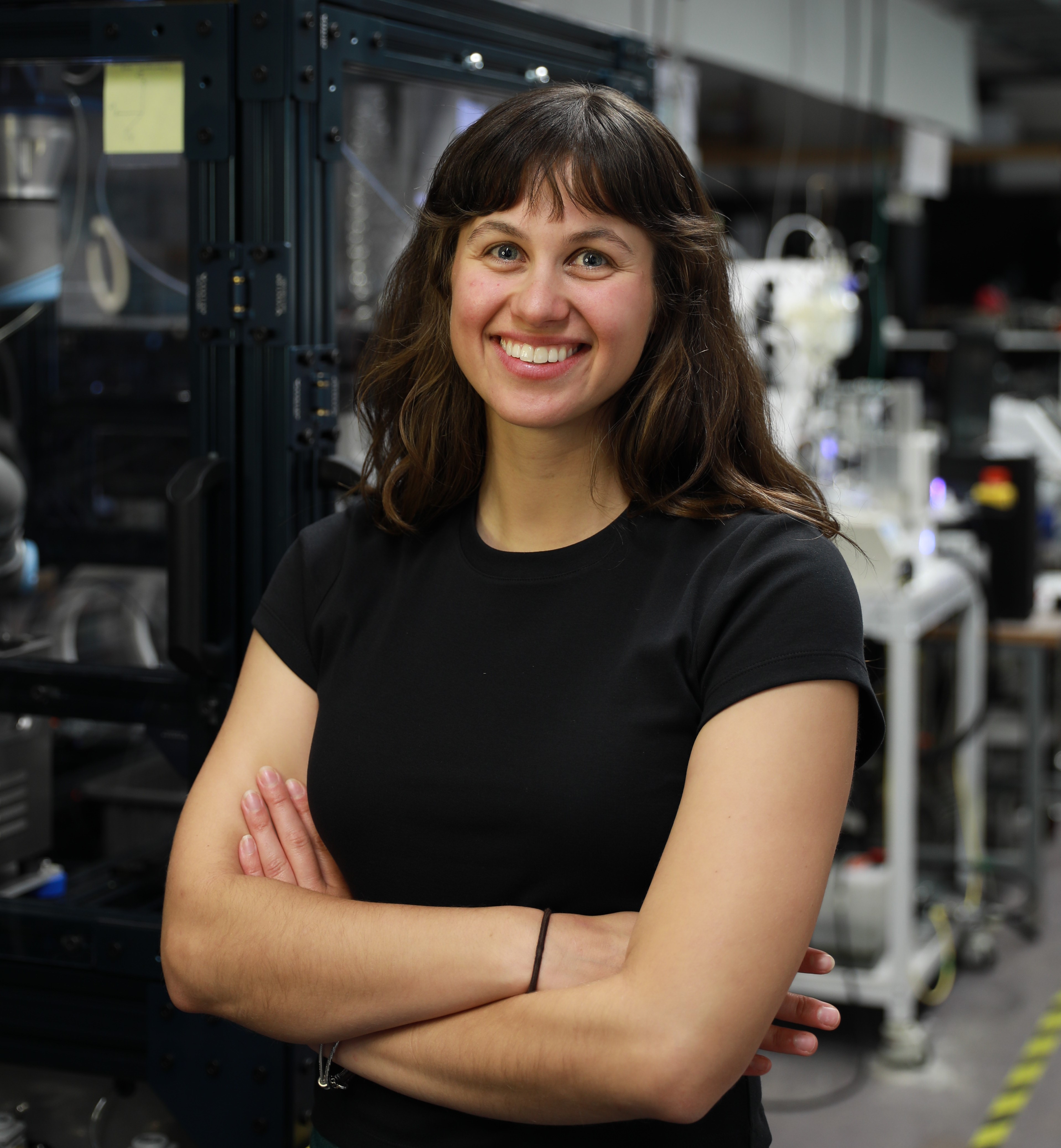
A central theme among this year’s leaders is the globalization of sustainability education and the democratization of clean energy. Rajeshwari Sriram, a 29-year-old coordinator for Student Energy in Toronto, exemplifies this trend. By supporting 62 youth-led chapters across 32 countries, Sriram has connected over 3,650 young people to sustainability education. Her efforts have facilitated five new renewable-energy projects that offset an estimated 5.87 tonnes of carbon dioxide annually. Sriram emphasizes that the journey to net-zero must be "viable, inclusive, and resilient against shifting political landscapes."
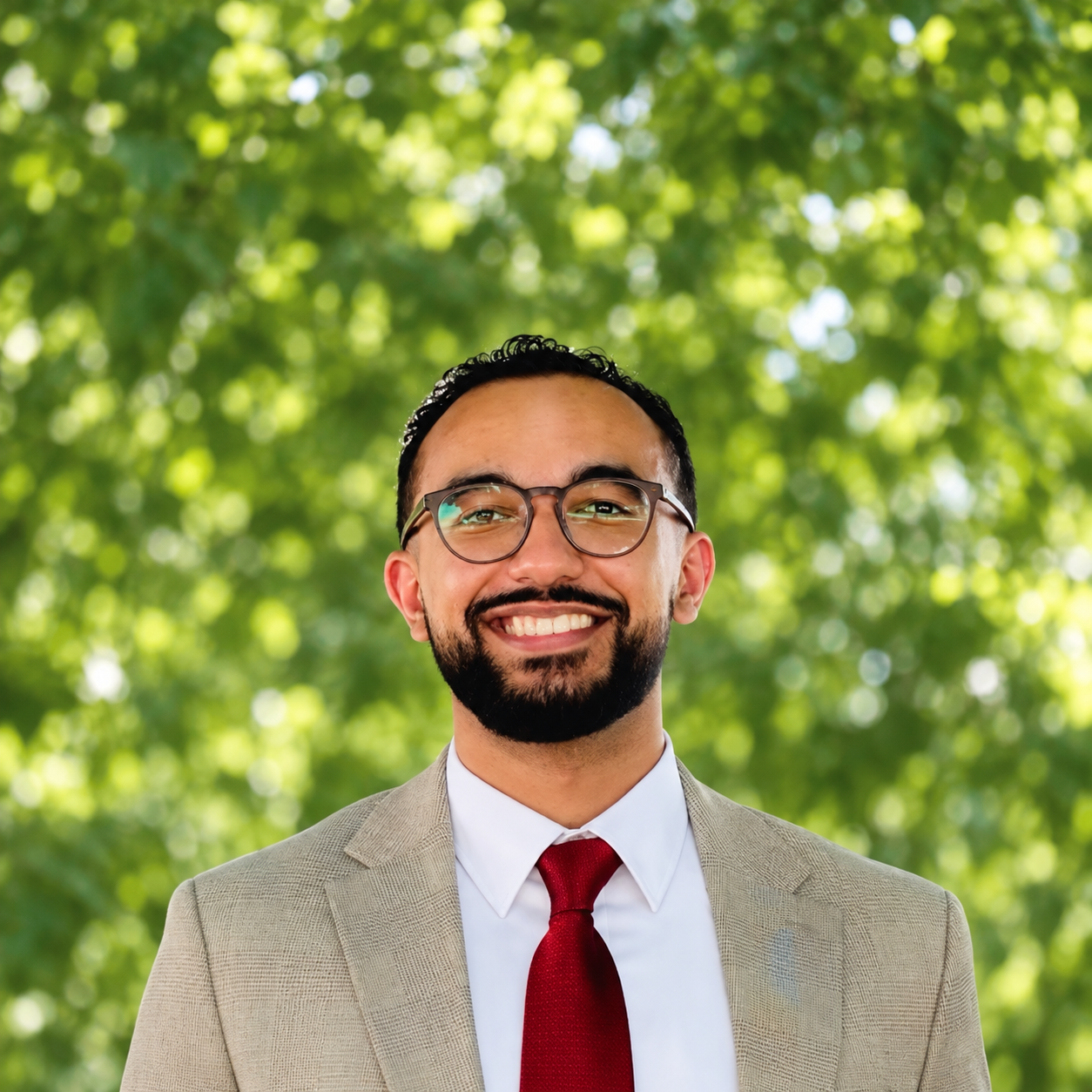
In the private sector, Darshan Kalra, 25, has demonstrated the commercial viability of the energy transition. As the co-founder and COO of Nova Renewables in Calgary, Kalra led the company to $10 million in first-year sales, with projections to reach $25 million this year. With 674 clean-energy systems already operational, Nova Renewables is estimated to avoid more than 1,900 tonnes of CO2 emissions annually. Kalra’s approach focuses on "internal entrepreneurs," suggesting that speed in hitting net-zero targets is achieved through leadership autonomy and ownership.

Technological Innovation and Carbon Sequestration
As the limitations of emission reductions alone become clearer, the role of Carbon Capture, Utilization, and Storage (CCUS) has gained prominence. Mia Stankovic, 28, head of operations at Carbonyx in Vancouver, is at the forefront of this technological frontier. Carbonyx specializes in mineralizing atmospheric CO2 into rock while converting industrial waste into valuable materials like silica. Stankovic has secured over $2.1 million in industry-funded research partnerships with giants such as Suncor and Braskem. Her work aims to prove that decarbonization can actually enhance industrial efficiency rather than detract from it.

Similarly, in the Maritimes and Ontario, Catherine Brenan and Saavin Lidder of CarbonRun are pioneering river alkalinity enhancement. Brenan led the registration of the world’s first carbon-removal project of this type, providing a scalable model for marine-based carbon sequestration. While Brenan acknowledges that carbon removal is not a "silver bullet," she asserts that with strong regulation and third-party verification, it is a vital piece of the climate puzzle.
Indigenous Leadership and Economic Reconciliation
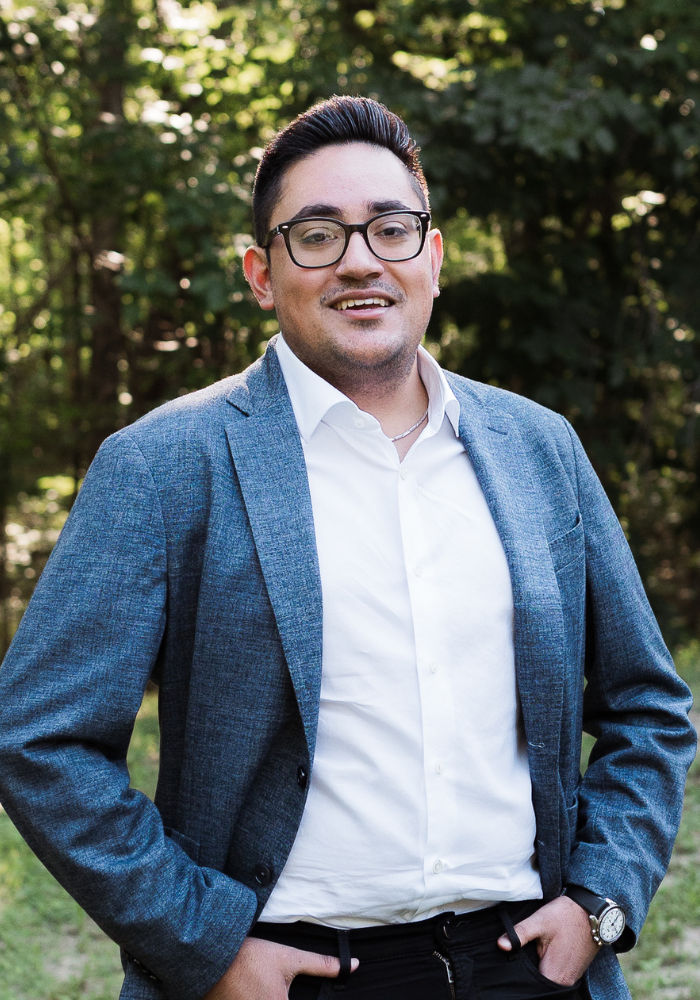
Sustainability in the Canadian context is inseparable from Indigenous rights and economic reconciliation. Hunter Michael, a 28-year-old member of the Beardy’s and Okemasis Cree Nation and Senior Manager at RBC’s Truth and Reconciliation Office, is transforming how financial institutions interact with Indigenous communities. Michael co-led RBC’s Reconciliation Action Plan, helping deploy $5 million to Indigenous-led businesses and facilitating $340 million in financing for Indigenous housing projects.

In Calgary, Benjamin Cooper-Janvier of the Cold Lake First Nations serves as a Senior Manager at MNP, where he evaluates equity investments and major projects for Indigenous communities. His work ensures that Indigenous nations are not just stakeholders but genuine partners in economic development. "The future I want is one where Indigenous communities have the capacity and opportunity to shape their own economic futures," Cooper-Janvier notes.

In Northern Ontario, the cousins Ramon and Jeronimo Kataquapit are mobilizing youth to protect ecosystems south of Hudson Bay. Fighting against legislative changes like Ontario’s Bill C-5, which they argue threatens First Nations rights and environmental safeguards, the Kataquapits represent the "Here We Stand" movement. Their advocacy highlights the intersection of land protection and climate resilience, viewing the environment as something that "stewards us."

Circular Economy and Waste Transformation
Addressing the "take-make-waste" model is a priority for several leaders focusing on the circular economy. Max Wang, the youngest on the list at age 16, founded the Feeding It Forwards Foundation in Vancouver. Since 2024, his organization has redistributed over 102,000 pounds of surplus food—valued at nearly half a million dollars—to charities supporting 4,000 people.

In the healthcare sector, Kobe Li, 20, leads the 20/20 Mission in Hamilton. His organization has refurbished over 8,000 pairs of eyeglasses, diverting 100 kilograms of plastic and glass from landfills while providing vision care to patients in Canada, Guatemala, and the Dominican Republic. Li’s work illustrates how industries not traditionally associated with environmentalism can find paths to net-zero.

In Toronto, Aboubak Diarra is advancing circularity in the built environment. Through the Toronto BioBuild Collective, Diarra brings together architects and researchers to test bio-based, low-carbon building materials. His work on the "Mock-Up Project" allows firms to experiment with sustainable concepts, ensuring that the materials of the future are regenerative rather than extractive.
Finance, Investment, and Strategic Scaling
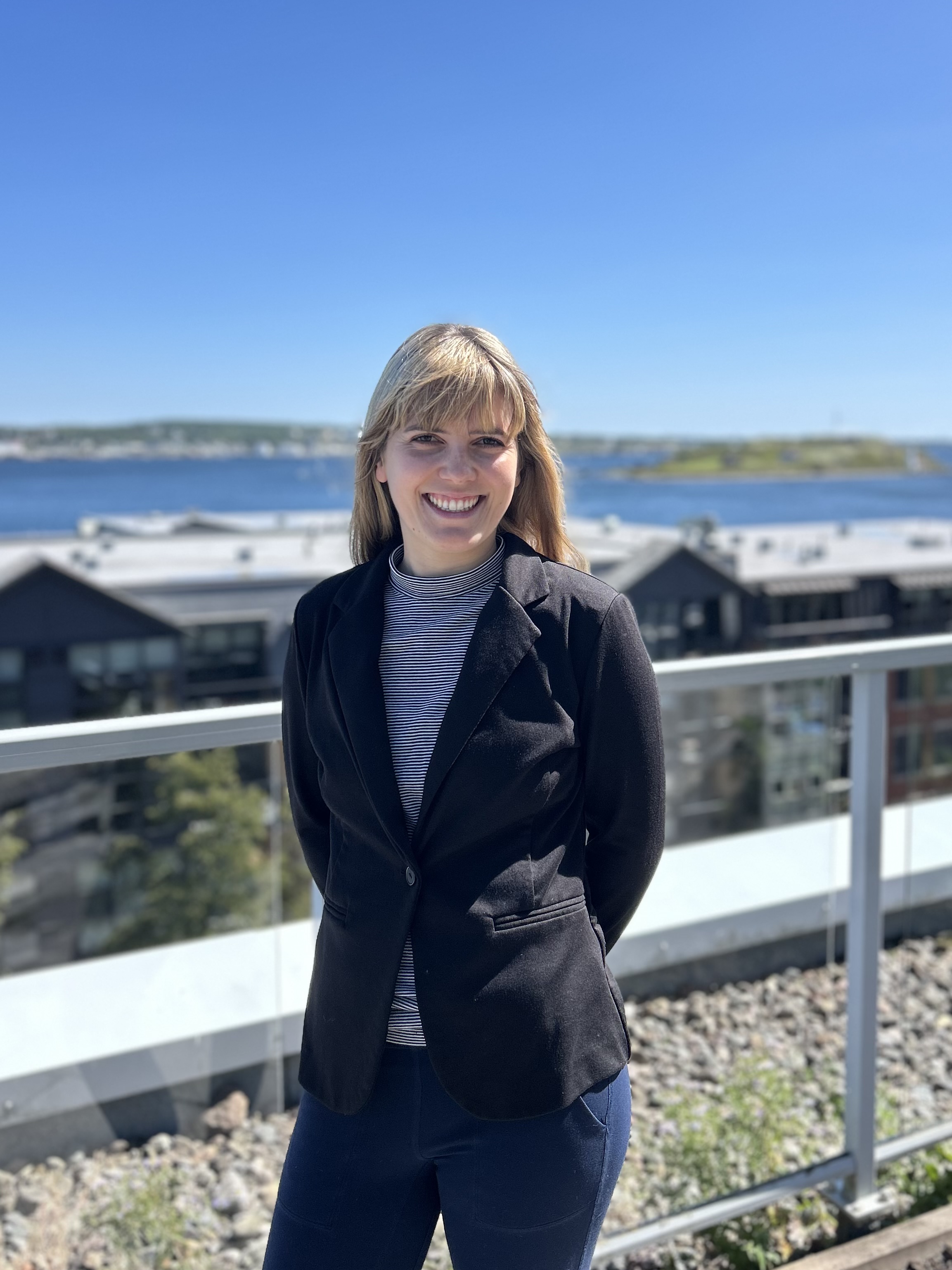
The transition to a green economy requires massive reallocation of capital. Keshiv Kaushal, 26, serves as the Chief Investment Officer for Propel Impact Capital, managing Canada’s first youth-lens impact fund. Investing in cleantech and regenerative food systems, Kaushal has trained over 600 young people in impact investing. He argues that putting investment decisions in the hands of those who will inherit the consequences of climate change is essential for "bending the arc" toward sustainability.

Ria Perrault, 29, at MaRS in Toronto, focuses on the "Better Buildings" initiative. She has helped 12 climate-tech ventures scale their operations, with the first six ventures collectively raising $25 million. These companies are deploying solutions ranging from mass-timber housing to low-carbon cement, addressing the high emissions associated with the construction and real estate sectors.

The Intersection of Health, Law, and Advocacy
A growing body of research is linking environmental health to human neurological and mental well-being. Muskaan Muse Laroyia, 25, co-founded the Brain Climate Equity Collaborative, Canada’s first national foundation connecting brain health to climate justice. Her research highlights how wildfire smoke is linked to cognitive decline and stroke. Laroyia’s advocacy led to a technical submission to the federal government proposing neurological risk indicators for the Federal Sustainable Development Strategy.

Similarly, Abhay Singh Sachal of the Break The Divide Foundation has become a prominent voice on "eco-anxiety." By developing mental health frameworks for high schools, Sachal addresses the psychological toll the climate crisis takes on youth. He views sustainability not just as carbon reduction but as "building the knowledge, tools, and systems that help communities shape and thrive in the future."

In the legal arena, Olivia Deschênes, 26, is tackling "greenwashing." Her legal guide on environmental claims has been downloaded thousands of times, helping businesses navigate transparency rules. She is currently developing a 300-page book for LexisNexis to embed environmental protection into the core of Canadian legal practice, rather than treating it as a niche field.

Broader Impact and Future Implications
The collective efforts of these 30 leaders suggest that the next phase of sustainability in Canada will be characterized by integration. No longer is environmentalism a standalone pillar; it is being woven into the fabric of finance, law, healthcare, and infrastructure.

The data supports the urgency of their work. According to Environment and Climate Change Canada, the country is warming at twice the global rate, and northern regions are warming at three times the rate. The economic costs of climate-related disasters in Canada have risen from an average of $400 million annually in the 1970s to over $2 billion annually in the last decade.

The Top 30 Under 30 cohort is responding to these statistics with pragmatic, scalable solutions. Whether it is Jaiya Varshney’s Tydra Labs replacing toxic additives with fibrillated chitin or Jagtar Singh’s TGCC Tech Labs using AI for carbon accounting, the focus is on high-integrity data and material science.

As 2050 approaches, the success of Canada’s climate strategy will likely depend on the ability of these young leaders to influence legacy systems. By building "youth-lens" funds, Indigenous-led equity models, and circular supply chains, they are creating a blueprint for a resilient economy. As Tanner Evan Bergsma of the Luminwell Foundation puts it, leadership is about "planting trees" whose shade the planter may never sit under. For this generation, the act of planting is already well underway.
