

Consumer product and food companies, long accustomed to the intricate landscape of California’s Proposition 65 (Prop. 65) and its vigorous enforcement by a specialized legal sector, face significant changes that will take effect for products manufactured or labeled on or after January 1, 2028. These forthcoming amendments to the state’s Safe Drinking Water and Toxic Enforcement Act of 1986 necessitate proactive strategic adjustments, with experts urging companies to begin preparations now to mitigate risks and ensure compliance.
Understanding the Evolving Landscape of Proposition 65
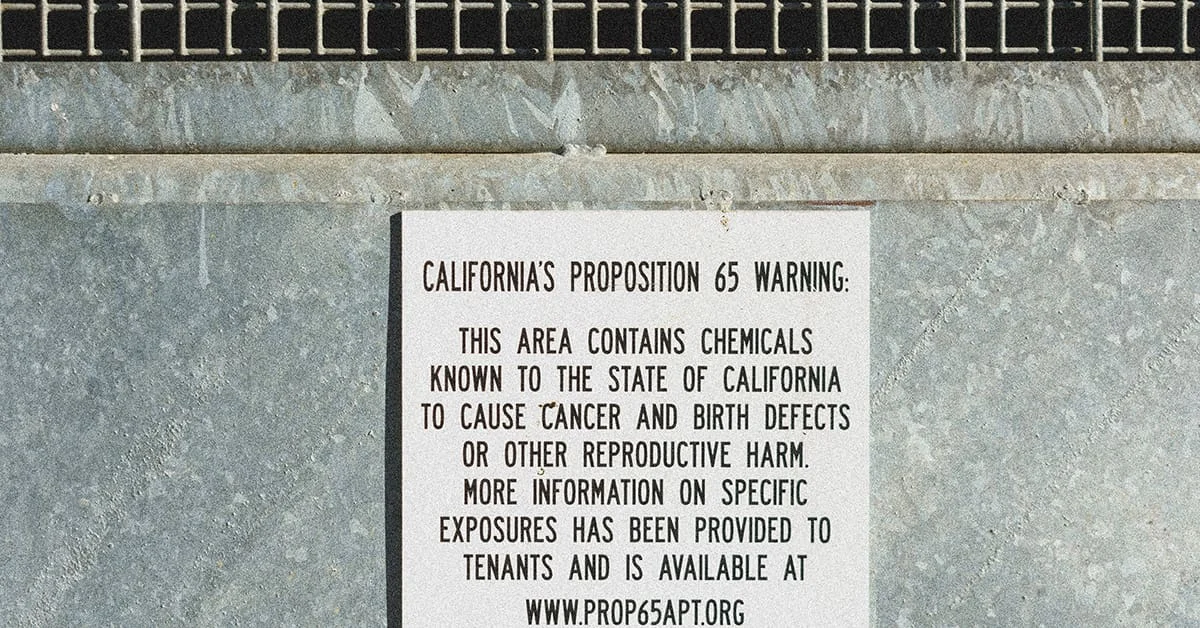
Proposition 65, officially known as the Safe Drinking Water and Toxic Enforcement Act of 1986, has become a pervasive regulatory force impacting businesses nationwide and even internationally. The law requires businesses to provide clear and reasonable warnings before knowingly and intentionally exposing any individual to a chemical that is known to the state to cause cancer, birth defects, or other reproductive harm. While seemingly straightforward, the law’s broad reach and unique enforcement mechanism have created a complex compliance environment.
The most distinctive feature of Prop. 65 is its private enforcement provision, which empowers private citizens, often through organized legal groups, to bring lawsuits against businesses alleged to be in violation of the warning requirements. This has fostered a significant "cottage legal industry," where a substantial number of settlements, often ranging from $25,000 to $50,000, are finalized annually. The sheer volume of these enforcement actions means that even small businesses, despite an explicit carveout for those with fewer than 10 employees, can become targets. The potential financial penalties, coupled with the cost of legal defense, have led some companies to cease selling their products in California altogether, opting to avoid the perceived risks and economic burdens.
The origins of Prop. 65 can be traced back to a citizen initiative aimed at addressing concerns about toxic chemicals in drinking water and consumer products. Over the decades, its scope has expanded significantly beyond water contamination to encompass a wide array of consumer goods, from toys and electronics to food and beverages. The California Office of Environmental Health Hazard Assessment (OEHHA) maintains the list of chemicals subject to Prop. 65, which currently includes over 900 substances, with additions and removals occurring periodically based on scientific findings.
Key Amendments and Their Impact on Warning Requirements
In 2024, California adopted significant amendments to the Prop. 65 regulations, with the most impactful changes slated to take effect for products manufactured or labeled on or after January 1, 2028. While these amendments largely aim to increase the stringency of compliance for businesses, they also introduce select provisions that may offer some relief. The three-year phase-in period provides a crucial window for companies to adapt their labeling, supply chain communications, and risk management strategies.
The most significant alteration pertains to the "short-form" warning, a condensed warning that has been favored by businesses for its brevity and avoidance of specific chemical identification. Previously, this short-form warning was a more general statement. However, under the new regulations, this preferred format will now be required to identify at least one specific chemical present in the product that contributes to the risk of cancer or reproductive harm. This mandatory chemical disclosure fundamentally alters the strategic considerations for businesses.
Companies must now grapple with several critical strategic questions arising from this change:
- Chemical Identification: Which chemical(s) should be identified in the short-form warning? This decision will likely depend on the specific product, its ingredients, and the chemicals that pose the most significant enforcement risk or are most readily identifiable.
- Warning Language Clarity: How to present the chemical information clearly and concisely without overwhelming the consumer or diminishing the warning’s impact?
- Consumer Perception: How will the explicit naming of chemicals affect consumer perception of the product’s safety and its potential impact on sales, particularly in markets outside of California where Prop. 65 is not directly enforced but may influence consumer awareness?
- Supply Chain Communication: Ensuring that all parties in the supply chain are aware of the new labeling requirements and can implement them correctly.
The revised short-form warning language itself will become more explicit. Two examples of acceptable warning statements illustrate this shift:
- "WARNING: This product can expose you to [chemical name], a chemical known to the State of California to cause cancer. For more information, go to www.P65Warnings.ca.gov."
- "WARNING: This product can expose you to [chemical name], a chemical known to the State of California to cause birth defects or other reproductive harm. For more information, go to www.P65Warnings.ca.gov."
These statements must be preceded by a distinct warning triangle and the word "WARNING." Businesses will need to carefully consider how these different formats, including the choice of chemical and the specific phrasing, might influence consumer purchasing decisions.
Welcome Changes Amidst Increased Stringency
Despite the overall tightening of requirements, the amendments do introduce a couple of welcome changes for businesses. Firstly, following the warning triangle, companies now have the option to use either "CA WARNING" or "CALIFORNIA WARNING" instead of the standalone "WARNING." This flexibility applies to both short-form and long-form warnings. The inclusion of "CA" or "CALIFORNIA" can potentially serve to delineate these warnings as specific to the state’s regulations, potentially mitigating some of the alarm among consumers in other jurisdictions who may be unfamiliar with Prop. 65. The strategic deployment of these alternative phrases could have varying effects on product sales, especially for brands with a national or international presence.
Secondly, a significant relief for businesses is the removal of the requirement that Prop. 65 warning language be printed in a font size at least as large as the largest type used for other on-product consumer information. This change offers a reprieve to companies that utilize very large font sizes for product instructions or marketing messages, which previously could necessitate disproportionately large Prop. 65 warnings. However, the new standard mandates that the warning be "prominently displayed." This term, while offering some discretion, introduces a degree of ambiguity. Companies will need to strategically determine what constitutes "prominent" display in the context of their product packaging and labeling, a decision that will likely be scrutinized by enforcement bodies.
The 2024 amendments also address other technical aspects of Prop. 65 compliance, including the mechanics of providing warnings through internet and catalog sales, and establish specific warning language requirements for motor vehicle and marine vessel parts. These targeted provisions demonstrate a continued effort by OEHHA to refine and adapt the Prop. 65 framework to various product categories and sales channels.
Timeline and Strategic Imperatives for Businesses
The critical compliance date for the new short-form warning requirements is January 1, 2028, for products manufactured or labeled on or after this date. Companies are, however, permitted to adopt the new warning format voluntarily at any time before this deadline. This voluntary adoption can serve as a proactive measure to test new warning strategies and demonstrate a commitment to compliance.
Meeting the January 1, 2028, deadline will necessitate significant advance planning. Businesses must:
- Conduct Comprehensive Chemical Assessments: Identify all chemicals in their products that are subject to Prop. 65 and understand the associated exposure risks.
- Develop and Test Warning Language: Strategize on the most appropriate chemical identification and wording for both short-form and long-form warnings, considering legal defensibility and consumer perception.
- Update Labeling and Packaging: Revise product labels and packaging to incorporate the new warning requirements. This may involve design changes and potentially retooling manufacturing processes.
- Strengthen Supply Chain Communications: Establish robust communication channels with suppliers and downstream distributors to ensure everyone is aware of and implements the updated warning requirements. This is particularly crucial for products with complex supply chains.
- Review and Adjust Risk Tolerance: Re-evaluate the company’s risk tolerance regarding Prop. 65 enforcement and establish clear internal procedures for managing potential violations. This includes defining how "manufacture and label date" will be accurately determined and documented to preemptively address enforcement actions.
- Prepare for Future Enforcement: Anticipate that the changes to warning requirements will likely be accompanied by a renewed wave of enforcement activities from private parties. Companies should be prepared to defend their compliance efforts.
Broader Implications and Future Outlook
The evolving nature of Proposition 65 underscores its enduring influence on product design, manufacturing, and marketing. The amendments reflect a continuing effort by California regulators to enhance consumer awareness of potential chemical exposures. For businesses operating in or selling into California, a proactive and strategic approach to compliance is not merely a legal obligation but a critical business imperative.
The economic impact of Prop. 65 is substantial, not only in terms of settlement costs and legal fees but also in the potential for reputational damage and lost sales due to consumer concerns. Companies that effectively navigate these regulatory changes, by implementing clear, compliant, and consumer-friendly warnings, can differentiate themselves and build trust with their customer base.
The ongoing scrutiny of chemicals and their potential health effects suggests that Proposition 65 will continue to be a dynamic regulatory landscape. Businesses should remain vigilant, monitor updates from OEHHA, and engage with legal and compliance experts to stay ahead of future changes. The January 1, 2028, deadline serves as a significant milestone, but it represents another step in an ongoing journey of ensuring consumer product safety and transparency in one of the world’s largest markets.
