

The landscape of entry-level employment is undergoing its most significant transformation since the dawn of the digital age, driven by the rapid integration of generative artificial intelligence across every major industrial sector. As organizations move from experimental AI implementation to full-scale operational reliance, a widening chasm has emerged between the theoretical knowledge provided by traditional academic institutions and the practical, AI-augmented skills demanded by modern employers. Recent data from a 2026 Pearson report underscores the urgency of this misalignment, revealing that more than 50 percent of employers find it challenging to recruit new graduates with sufficient AI competencies. Furthermore, only 25 percent of business leaders believe that universities are evolving quickly enough to keep pace with the technological shifts redefining the global job market.
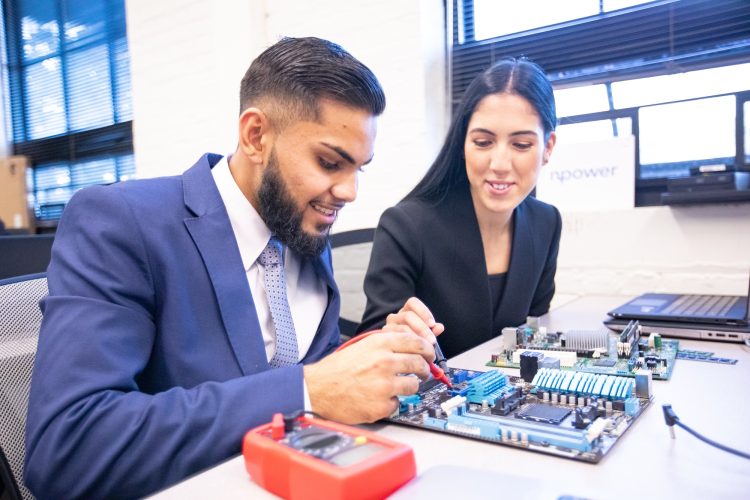
This educational lag has placed an unprecedented burden on workforce development nonprofits and corporate foundations to bridge the gap. Organizations such as NPower, which has provided free career training to more than 12,000 young people, are at the forefront of this transition. The challenge for these entities is twofold: they must equip students with the technical proficiency to navigate AI tools while simultaneously fostering the "human durable skills"—such as critical judgment and ethical reasoning—that machines cannot replicate. The shift represents a fundamental move away from rote learning toward a model of "augmented intelligence," where the human worker acts as the strategic architect of automated systems.

The Evolution of Entry-Level Roles in the AI Era
The narrative surrounding AI in the workplace has frequently oscillated between extreme optimism and existential dread. Early predictions suggested that AI would systematically eliminate entry-level roles, particularly those involving data entry, basic coding, and administrative support. However, current market observations suggest a more nuanced reality. While AI does automate routine tasks typically assigned to junior employees, it also lowers the barrier to entry for complex technical operations, allowing smaller firms to compete at an enterprise level. According to the Strada Education Foundation, companies that have integrated AI into their core systems are actually more likely to offer entry-level opportunities, though these roles have been fundamentally redefined.
In this new environment, a junior developer is no longer just writing syntax; they are prompting AI models to generate code, then debugging and auditing that code for security and efficiency. Similarly, an entry-level marketing analyst is no longer just gathering data but is instead interpreting the narratives produced by AI-driven predictive models. This shift requires a different set of credentials than what was standard just five years ago. While some tech giants like IBM have expanded their hiring pipelines to include those with specialized AI certifications, other firms have tightened their requirements, focusing on advanced degree holders or reducing internship programs in favor of high-level automation. This "internship squeeze" poses a significant threat to the traditional career ladder, making the role of specialized training programs even more critical.
A Chronology of the AI Integration Crisis (2022–2026)
To understand the current urgency, one must look at the rapid timeline of AI’s impact on education and labor. In late 2022, the public release of advanced generative models caught the education sector off guard, leading to a reactionary phase where many large school districts, including those in New York City, initially banned the technology to prevent academic dishonesty. By 2024, the focus shifted from prohibition to "AI literacy," as it became clear that a ban was both unenforceable and detrimental to student competitiveness.
By 2025, the corporate world began reporting a "productivity paradox," where companies had the tools but lacked a workforce capable of using them ethically and effectively. This led to the 2026 landscape we see today: a period of intense collaboration between tech companies like Everpure and workforce nonprofits. The current phase is defined by the "blurring of the lines" between the classroom and the office. In countries like Denmark, educational reforms have already been implemented to require students to orally defend work produced with AI assistance, a model that is now being exported to American vocational training programs. This timeline illustrates a move from fear to reluctant acceptance, and finally, to the current state of strategic integration.
Supporting Data: The Scale of the Training Challenge
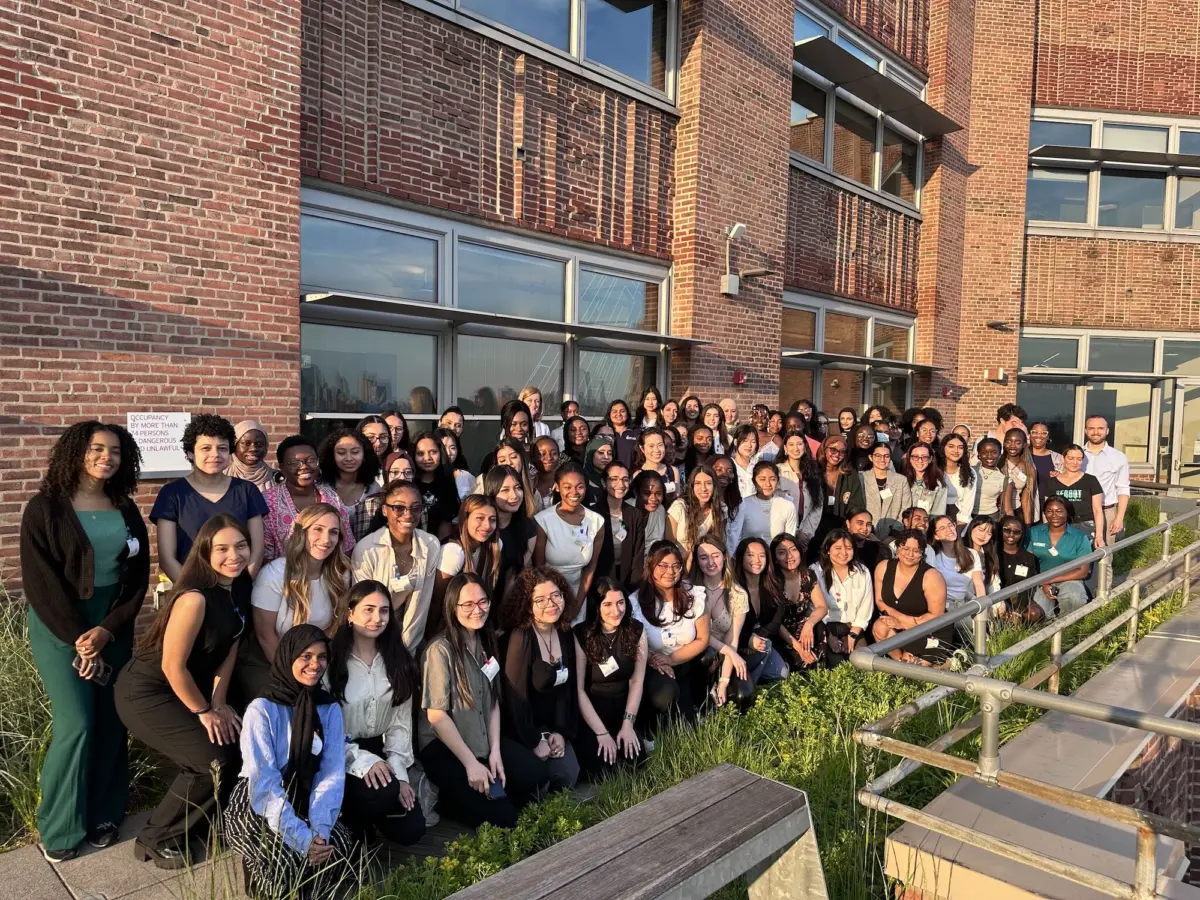
The scale of the intervention required to modernize the workforce is immense. Organizations like the Last Mile Education Fund have already supported over 15,000 low-income technical students, many of whom face financial barriers that prevent them from accessing the high-end computing power or specialized courses needed to master AI. Similarly, Rewriting the Code has reached over 50,000 young women, addressing a critical gender gap in a field where AI algorithms are often developed by a non-diverse demographic, leading to inherent biases in the technology.
Data from the Everpure Foundation suggests that the "soft skill" deficit is as pressing as the technical one. In surveys of recruiting partners, a recurring theme is the lack of "behavioral talents" among recent graduates, a trend exacerbated by years of remote and hybrid learning during the pandemic. Employers report that while new hires may be tech-savvy, they often struggle with team dynamics, manager-employee relationships, and the nuances of professional trajectory management. Consequently, the most successful training programs in 2026 are those that combine AI technical training with intensive "human skills" workshops.
Official Responses and Strategic Partnerships
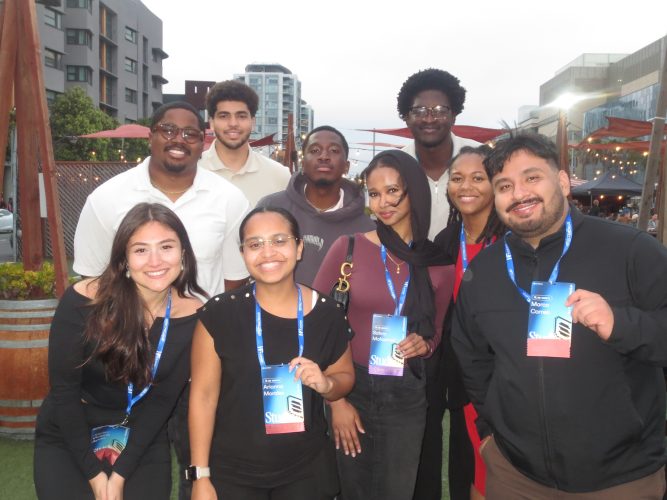
The response from the private sector has been led by companies that view workforce development as a matter of long-term sustainability rather than mere philanthropy. Everpure, a leader in data management, has utilized its corporate foundation to fund organizations like NPower and Reboot Representation. Niki Armstrong, Chief Administrative and Legal Officer for Everpure, argues that AI should not be viewed as a replacement for entry-level talent but as the very reason that talent is needed. "If new hires arrive already knowing how to use the tools, our job is to teach the part the tools can’t supply: judgment," Armstrong stated.
Workforce development leaders emphasize that this transition requires a "village" approach. Robert Vaughn, Chief Innovation Officer at NPower, has called for a curriculum that focuses on "evidence of learning" rather than just the final output. This involves teaching students the ethics of AI, the art of prompting, and the ability to critically evaluate AI-generated results. Dwana Franklin-Davis, CEO of Reboot Representation, highlights the necessity of intentional collaboration across the "education ecosystem." By partnering with tech companies, schools can provide students with real-world problems to solve, ensuring that their skills are relevant the moment they graduate.
Broader Impact and Long-term Implications
The implications of this shift extend far beyond the tech sector. As AI becomes a general-purpose technology, similar to electricity or the internet, the ability to manage automated systems will become a requirement in healthcare, law, and manufacturing. The primary risk is that the "AI divide" could exacerbate existing social inequalities. If only students at elite institutions or those in wealthy districts have access to high-level AI training, the technology will become a tool of exclusion rather than an equalizer.

However, if programs like those offered by NPower and the Last Mile Education Fund are scaled through government and corporate support, AI has the potential to democratize high-level technical work. For students from non-traditional backgrounds, AI can act as a "force multiplier," allowing them to perform at levels that previously required years of specialized schooling. The ultimate success of the AI-integrated job market will depend on whether the education system can move away from the "autopilot" model of learning and toward a framework that prizes human discernment.
In conclusion, the current friction in the job market is a symptom of a massive structural realignment. While the automation of entry-level tasks is inevitable, the need for human oversight, ethical vetting, and strategic direction is higher than ever. The goal for 2026 and beyond is to ensure that the next generation of workers does not just compete with machines but masters them, using extraordinary technology to solve the world’s most complex problems while maintaining the human judgment that no algorithm can replicate. The collaboration between industry leaders and workforce developers is not just a philanthropic endeavor; it is a necessary investment in the future of the global economy.
