

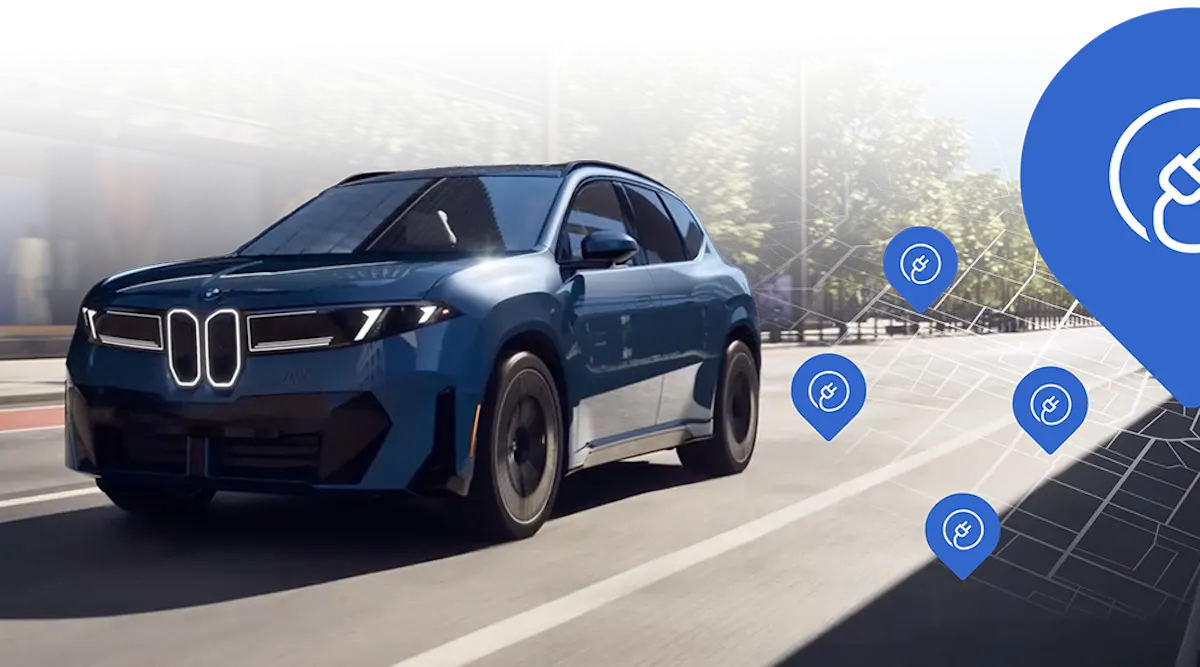
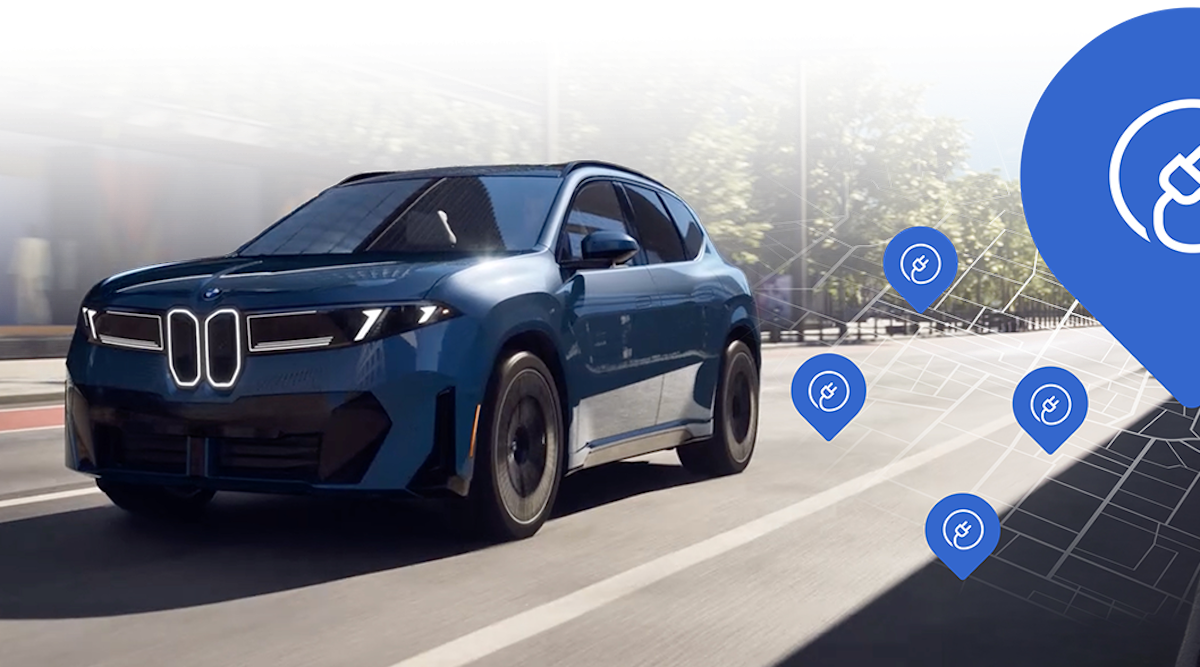
BMW of North America has officially announced a new incentive program for its 2027 model year electric vehicle lineup, offering a $500 charging credit to customers who purchase or lease the BMW i5, i7, or the upcoming iX3. This strategic move, set to take effect on November 5, 2026, aims to streamline the transition to electric mobility by addressing one of the primary concerns of prospective buyers: the convenience and cost of public charging. While the $500 credit represents a relatively small percentage of the total purchase price of a premium luxury vehicle, the initiative is part of a much broader effort by the German automaker to integrate its fleet into a more sophisticated, grid-aware energy ecosystem.
The incentive package is structured to encourage the use of both established and emerging charging networks. It consists of a $300 credit for the BMW Charging Network, which encompasses over 180,000 compatible stations accessible through the My BMW app, and a separate $200 credit specifically earmarked for IONNA locations. IONNA, a high-power charging joint venture between several major global automakers including BMW, General Motors, Honda, Hyundai, Kia, Mercedes-Benz, and Stellantis, is focused on deploying at least 30,000 high-powered charging points across North America. In addition to the monetary credit, BMW is providing a one-year IONNA membership that grants users a 25% discount on charging rates, further reducing the total cost of ownership for 2027 model year drivers.
The Strategic Importance of the 2027 Model Year Incentive
The timing of this announcement is significant as the United States automotive market navigates a complex period of transition. Following a period of cooling demand in early 2025, electric vehicle (EV) sales have begun to show renewed upward momentum. BMW’s decision to bundle charging credits with its 2027 models—specifically the executive i5 sedan, the flagship i7 luxury sedan, and the iX3 Sport Activity Vehicle—is a calculated attempt to capture market share in the premium segment.
Industry analysts note that while a $500 credit may seem modest for a vehicle like the BMW i5, which carries a starting price near $70,000 and lease rates frequently exceeding $750 per month, the value lies in the psychological reduction of "range anxiety" and the simplification of the user experience. By pre-loading these credits into the My BMW app, the automaker removes the friction of managing multiple accounts across different charging providers, such as Shell Recharge, Electrify America, ChargePoint, and EVgo, all of which are integrated into the BMW Charging Network.
Chronology of BMW’s Electrification and Grid Integration Efforts
The 2027 charging package is the latest milestone in a timeline of aggressive electrification efforts by BMW. To understand the context of this move, one must look back at the formation of key industry alliances over the past several years:
- December 2023: BMW, Ford, and American Honda Motor Co. announced the creation of ChargeScape, a joint venture designed to create a single, cost-effective platform connecting electric utilities with EV customers.
- September 2024: ChargeScape officially commenced operations, providing a bridge between the automotive and energy sectors to manage vehicle-to-grid (V2G) services.
- October 2024: Nissan joined the ChargeScape alliance, expanding the pool of vehicles available for utility-managed charging programs.
- June 2025: Rivian was added to the ChargeScape roster, bringing startup agility and a focus on bidirectional charging technology to the consortium.
- September 2025: The expiration of certain federal EV tax credits created a new market dynamic, forcing manufacturers to rely more heavily on brand-specific incentives and infrastructure quality to drive sales.
- November 2026: BMW launches the $500 credit program for 2027 models, coinciding with the expanded rollout of IONNA’s high-speed charging hubs.
Integration with Utility "Free Hours" and Managed Charging
BMW’s incentive program does not exist in a vacuum; it is designed to complement the growing trend of "free hours" and time-of-use (TOU) electricity plans offered by utility companies. In states like Texas and Pennsylvania, utilities such as Constellation Energy have pioneered plans that offer free or significantly discounted electricity during off-peak hours, typically between midnight and 4:00 a.m.
These utility programs are essential for smoothing out demand spikes on the electric grid. By offering $500 in public charging credits, BMW provides a solution for customers when they are away from home, while the ChargeScape platform manages their energy use at home. This dual approach allows EV owners to charge for free at night using utility incentives and use their BMW credits for long-distance travel or urban errands.
The technical integration provided by ChargeScape allows utilities to access EV battery energy across a wide pool of vehicles. During periods of high grid stress, participating BMW owners can choose to pause their charging or even discharge energy back into the grid, earning financial rewards in the process. This transforms the electric vehicle from a mere transportation tool into a mobile energy storage asset, potentially offsetting a significant portion of the vehicle’s monthly operating costs.
IONNA and the Evolution of the Charging Experience
A critical component of the 2027 incentive is the $200 allocation for IONNA. Unlike traditional charging stations that are often located in the corners of supermarket parking lots, IONNA aims to redefine the "recharging" experience. The consortium’s stations are designed to offer amenities similar to traditional gas stations but modernized for the EV era, including canopies, restrooms, food service, and retail operations.
BMW’s investment in IONNA reflects a realization that hardware alone is not enough to maintain brand loyalty in the luxury segment. The "Plug & Charge" technology integrated into the 2027 i5, i7, and iX3 models allows the vehicle to communicate directly with the IONNA station. The driver simply plugs in the connector, and the system handles authentication and billing automatically, drawing from the $200 credit without requiring the driver to use a credit card or a separate smartphone app.
The Role of Bidirectional Charging and Future-Proofing
Looking forward, the 2027 BMW lineup is positioned to take advantage of bidirectional charging technology. While BMW has been methodical in its rollout, the industry is moving toward a standard where EVs can power homes during outages or sell energy back to the grid during peak pricing.

Competitors like Ford have already moved aggressively in this space with the "Fathom" electric pickup truck, which features an internal inverter to simplify the conversion of DC battery power to AC home power. BMW’s participation in ChargeScape ensures that its 2027 models are software-ready for these developments. The $500 charging credit serves as an entry point, getting customers used to the ecosystem before more advanced energy-sharing services become mainstream.
Market Implications and Professional Analysis
From a journalistic and economic perspective, BMW’s strategy highlights a shift in how automakers compete. As battery ranges stabilize across the industry—with most luxury EVs now offering between 250 and 350 miles of range—the competitive front has shifted to the "ecosystem."
The $500 credit is less about the cash value and more about "onboarding." Once a customer is registered with the BMW Charging Network and the IONNA platform, they are more likely to remain within that ecosystem for future vehicle purchases. Furthermore, by partnering with Ford, Honda, Nissan, and Rivian through ChargeScape, BMW is helping to create a standardized "grid-friendly" vehicle class that can negotiate better rates with utilities than any single manufacturer could on its own.
Despite political shifts and the potential for changes in federal environmental regulations, the momentum behind this infrastructure is largely driven by private capital and utility requirements. The expansion of the public charging network has continued unabated because it is seen as a necessary evolution of national infrastructure, regardless of the specific tax incentives available at the point of sale.
Conclusion: A Multi-Layered Approach to Electrification
BMW’s $500 charging credit for the 2027 i5, i7, and iX3 represents the "carrot" in a much larger strategy of infrastructure and energy management. By combining direct consumer incentives with memberships in high-power charging networks and participation in grid-management joint ventures, BMW is addressing the multifaceted challenges of EV adoption.
The program recognizes that the modern EV buyer is looking for more than just a car; they are looking for a seamless energy solution. As the 2027 models begin to hit American showrooms in late 2026, the success of this initiative will be measured not just by sales figures, but by the utilization rates of the IONNA network and the level of customer participation in managed charging programs. For the luxury consumer, the convenience of a $500 "sweetener" may be the final push needed to move from internal combustion to the quiet, tech-forward experience of a BMW electric vehicle.
